
Working mom life without a village
Struggling to manage work and home without family nearby? Learn how to drop the 50-50 balance myth and build systems that prevent burnout.

Best quote from Working mom life without a village
The real 'battle-tested' secret is that balance is actually a moving seesaw; some weeks work takes the lead, and other weeks, the family needs every ounce of your energy. Trying to give 100% to both every single day is just a fast track to burnout.

This audio lesson was created by a BeFreed community member
I want to learn how to thrive as a working mother with another spouse who works full time, and no extended family to lean on. There’s never enough time for work, play, cooking, cleaning, or sleep.

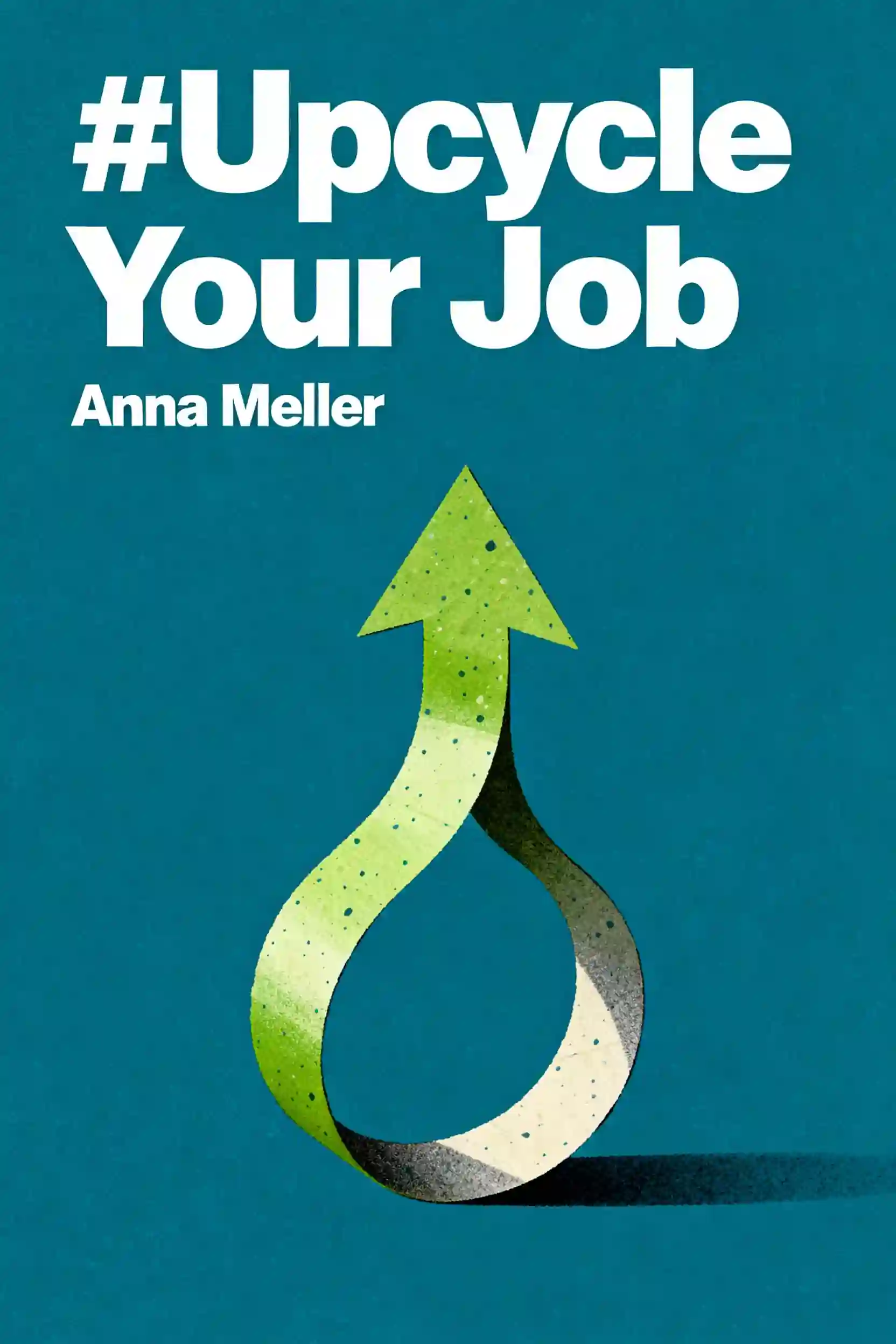
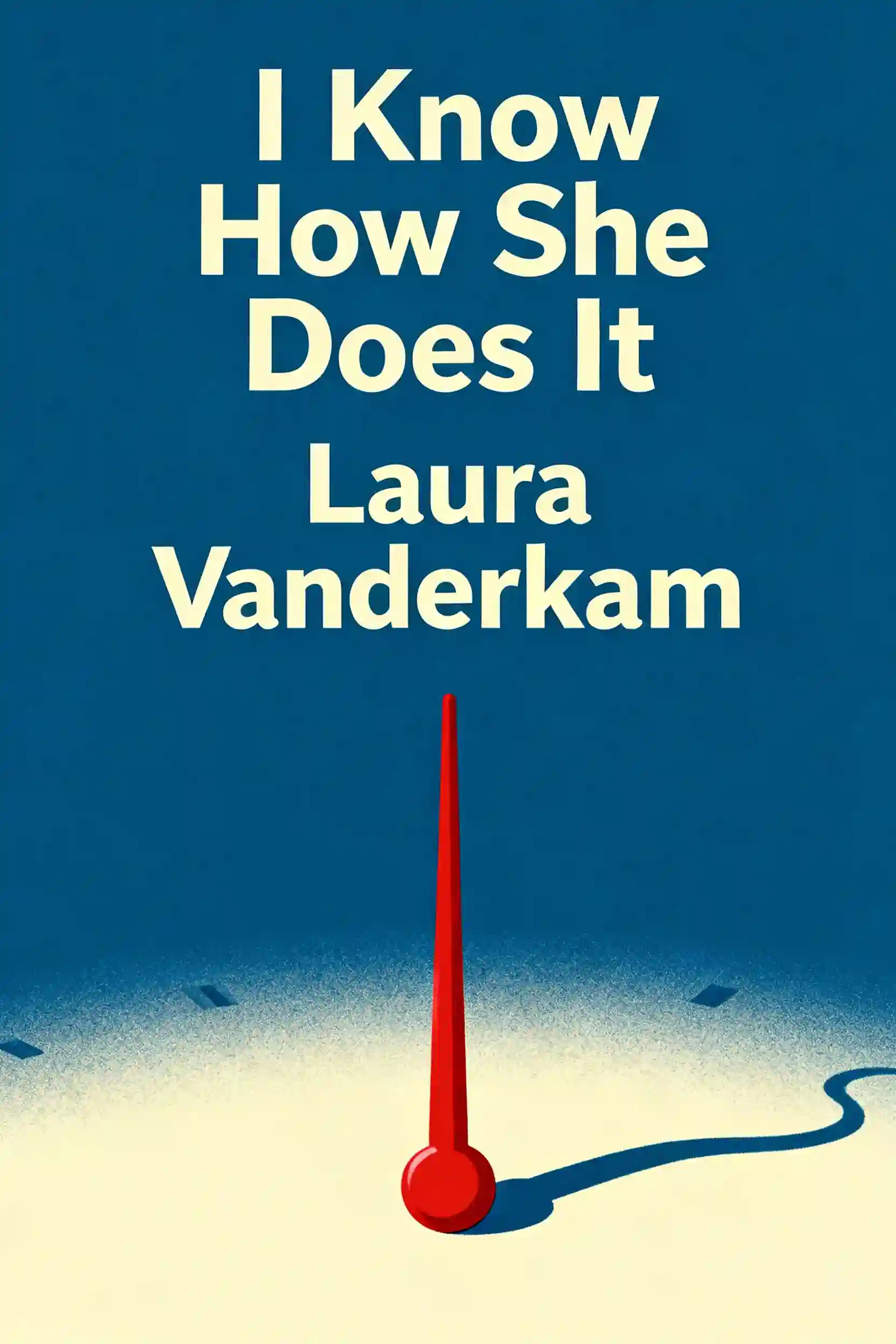
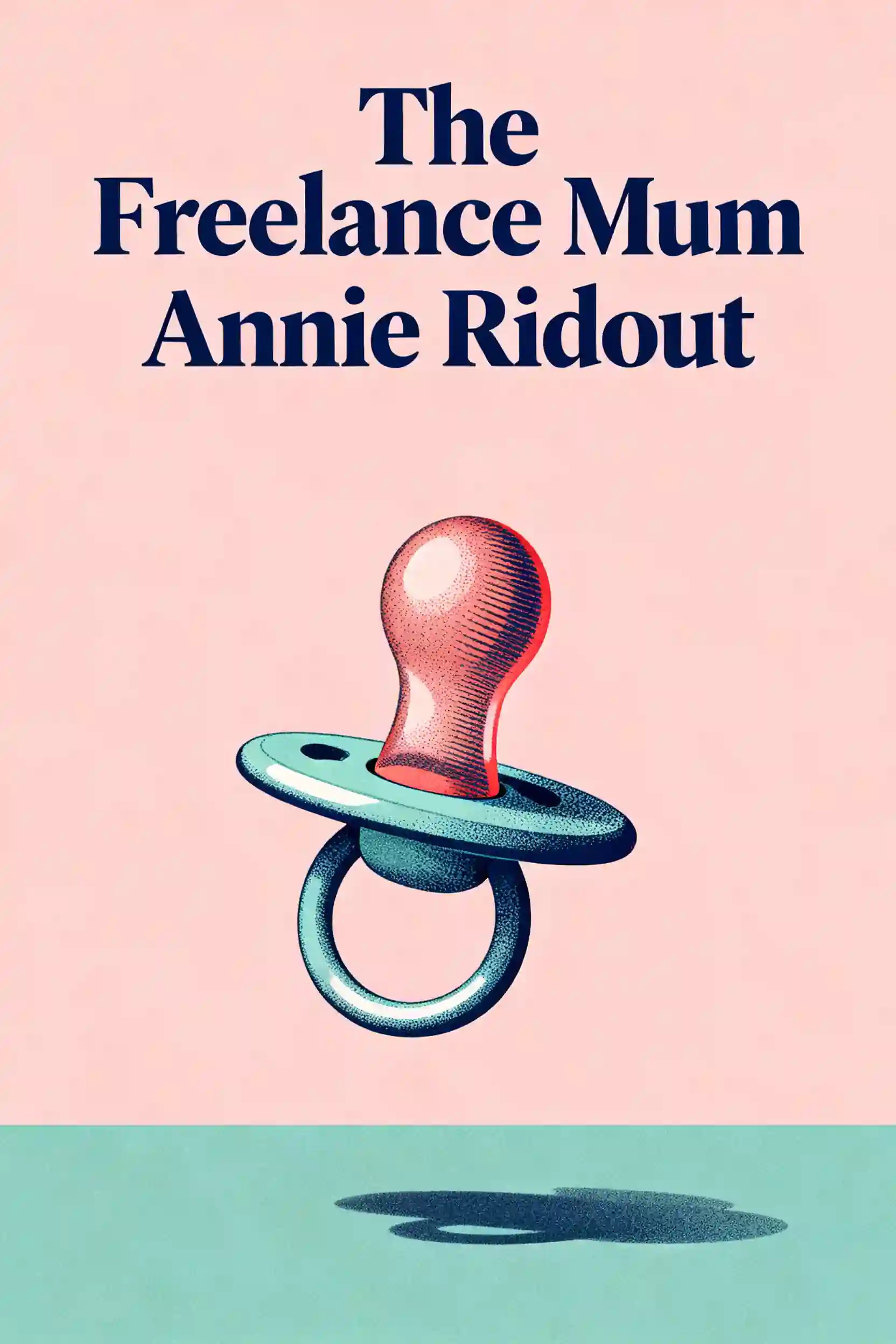
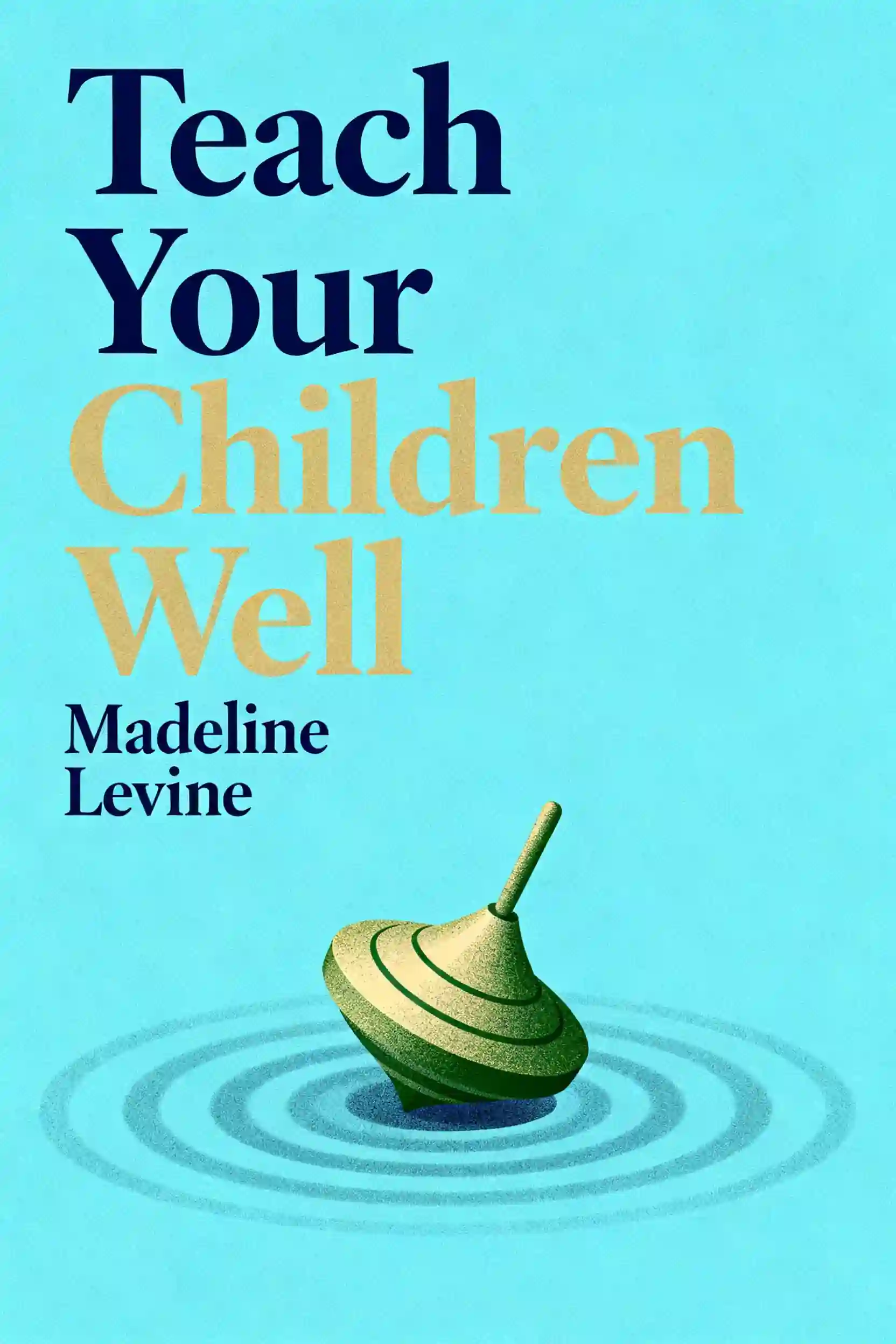

Frequently Asked Questions
The Primary Parent system is a method to manage the mental load and "invisible time" in a household by designating one parent as the Lead Producer for a specific block of time. During this window, the designated parent is responsible for all decisions and outcomes, such as deciding what is for dinner or finding pajamas, without asking the other parent for instructions. This allows the non-primary parent to completely disconnect from "ambient cognitive noise" and focus on work or personal recovery without interruptions.
Research indicates that Western parents face higher burnout rates due to a combination of social isolation and the pressure of "intensive parenting" standards. Unlike cultures that rely on a "village" mindset of shared childcare, Western parents often lack extended family support and feel a self-imposed or societal pressure to be perfect in every role—CEO, chef, and emotional coach. This isolation, paired with constant monitoring from schools and social media, leads to physiological stress levels that can be twice as high as those of non-burned-out parents.
To break "calcified" habits where one parent handles the bulk of the labor, couples should move from feelings to data by using a chore chart or a color-coded spreadsheet. This makes inequality objective rather than emotional. Once the imbalance is visible, the couple must collaborate to reassign tasks. A critical rule for this to work is that the parent stepping back must refuse to micromanage; true equality requires giving the other partner full decision-making power over their assigned tasks, even if they perform them differently.
Since parents often cannot access long blocks of "deep work," they should utilize 25-to-45-minute "sprints" and "batch" their decisions, such as meal planning for the entire week on Sunday. Establishing "hard edges" and transition rituals, like a ten-minute walk or changing clothes, helps signal the nervous system to switch from "CEO mode" to "parent mode." Additionally, parents can use "parallel productivity" by stacking passive tasks, like listening to a professional podcast, with active ones, like folding laundry.
Recovery requires rebalancing the scales by either subtracting a stressor or adding a resource. This involves a "time audit" to cut non-essential activities, such as excessive extracurriculars or perfectionist cleaning standards, and outsourcing "life admin" to apps when possible. It is also vital to normalize the struggle by communicating energy levels to children using analogies like an "energy battery." Treating rest, sleep, and exercise as "operational requirements" rather than luxuries is essential for maintaining the family infrastructure.
Discover more

Achieve Life Balance
Achieve Life Balance
In an era of constant connectivity, many professionals struggle with burnout and the blurring lines between work and home. This plan is designed for high-achievers and overwhelmed individuals who need practical, science-based strategies to reclaim their time and energy. It provides the essential tools to transition from constant stress to a sustainable, integrated lifestyle.

Better mom & homemaker with less effort
Better mom & homemaker with less effort
This plan is designed for overwhelmed mothers seeking to reclaim their time and mental clarity without sacrificing their family's happiness. It provides a strategic bridge between efficient home management and conscious, joyful parenting for those ready to move beyond mere survival.

Boost productivity and daily family routine
Boost productivity and daily family routine
Modern parents and professionals often struggle to balance career ambitions with the complexities of home management. This plan provides the structural framework needed to reclaim time and reduce stress by syncing personal productivity with family logistics.

Balance Work, Family, Art & Energy Levels
Balance Work, Family, Art & Energy Levels
This learning plan is essential for multi-passionate individuals struggling to juggle professional responsibilities with creative callings and family life. It provides a practical framework for anyone seeking to prevent burnout while excelling in every role they inhabit.
Be better wife, mom & partner
Be better wife, mom & partner
This learning plan is designed for mothers who feel stretched thin across multiple roles and want to show up more fully in their relationships without losing themselves. It addresses the common challenge of balancing partnership, parenting, and personal well-being by providing practical, evidence-based strategies rather than adding more to your plate. Perfect for anyone seeking to deepen family connections while building a more sustainable, fulfilling life.
Boost work focus & home bonds
Boost work focus & home bonds
This learning plan addresses the modern challenge of excelling professionally while maintaining strong family relationships—two priorities that often feel at odds. It's designed for ambitious professionals who refuse to choose between career success and meaningful home life, providing practical systems to thrive in both domains. Whether you're struggling with constant distraction, approaching burnout, feeling disconnected from your partner, or carrying an unfair mental load, this plan offers concrete strategies to reclaim your focus, energy, and relationships.
Balanced Lifestyle
Balanced Lifestyle
Modern life often leaves people feeling overwhelmed, burned out, and struggling to maintain harmony between competing demands. This learning plan is ideal for professionals, caregivers, students, or anyone seeking to move beyond survival mode to create a sustainable, fulfilling lifestyle where personal wellbeing and productivity enhance rather than compete with each other.

I want to build more confidence and execute efficiently professionally while forming sustainable healthy habits at home for family and marriage.
I want to build more confidence and execute efficiently professionally while forming sustainable healthy habits at home for family and marriage.
In today's demanding world, professionals often struggle to balance career ambitions with family responsibilities, leading to burnout and relationship strain. This learning plan provides practical strategies for those seeking to build professional confidence while establishing sustainable habits that nurture both career growth and family well-being.
From Columbia University alumni built in San Francisco
"Instead of endless scrolling, I just hit play on BeFreed. It saves me so much time."


"I never knew where to start with nonfiction—BeFreed’s book lists turned into podcasts gave me a clear path."


"Perfect balance between learning and entertainment. Finished ‘Thinking, Fast and Slow’ on my commute this week."
"Crazy how much I learned while walking the dog. BeFreed = small habits → big gains."
"Reading used to feel like a chore. Now it’s just part of my lifestyle."

"Feels effortless compared to reading. I’ve finished 6 books this month already."
"BeFreed turned my guilty doomscrolling into something that feels productive and inspiring."

"BeFreed turned my commute into learning time. 20-min podcasts are perfect for finishing books I never had time for."
"BeFreed replaced my podcast queue. Imagine Spotify for books — that’s it. 🙌"

"It is great for me to learn something from the book without reading it."
"The themed book list podcasts help me connect ideas across authors—like a guided audio journey."
"Makes me feel smarter every time before going to work"
From Columbia University alumni built in San Francisco
"Instead of endless scrolling, I just hit play on BeFreed. It saves me so much time."
"I never knew where to start with nonfiction—BeFreed’s book lists turned into podcasts gave me a clear path."
"Perfect balance between learning and entertainment. Finished ‘Thinking, Fast and Slow’ on my commute this week."
"Crazy how much I learned while walking the dog. BeFreed = small habits → big gains."
"Reading used to feel like a chore. Now it’s just part of my lifestyle."
"Feels effortless compared to reading. I’ve finished 6 books this month already."
"BeFreed turned my guilty doomscrolling into something that feels productive and inspiring."
"BeFreed turned my commute into learning time. 20-min podcasts are perfect for finishing books I never had time for."
"BeFreed replaced my podcast queue. Imagine Spotify for books — that’s it. 🙌"
"It is great for me to learn something from the book without reading it."
"The themed book list podcasts help me connect ideas across authors—like a guided audio journey."
"Makes me feel smarter every time before going to work"
"Instead of endless scrolling, I just hit play on BeFreed. It saves me so much time."
"I never knew where to start with nonfiction—BeFreed’s book lists turned into podcasts gave me a clear path."
"Perfect balance between learning and entertainment. Finished ‘Thinking, Fast and Slow’ on my commute this week."
"Crazy how much I learned while walking the dog. BeFreed = small habits → big gains."
"Reading used to feel like a chore. Now it’s just part of my lifestyle."
"Feels effortless compared to reading. I’ve finished 6 books this month already."
"BeFreed turned my guilty doomscrolling into something that feels productive and inspiring."
"BeFreed turned my commute into learning time. 20-min podcasts are perfect for finishing books I never had time for."
"BeFreed replaced my podcast queue. Imagine Spotify for books — that’s it. 🙌"
"It is great for me to learn something from the book without reading it."
"The themed book list podcasts help me connect ideas across authors—like a guided audio journey."
"Makes me feel smarter every time before going to work"
"Instead of endless scrolling, I just hit play on BeFreed. It saves me so much time."
"I never knew where to start with nonfiction—BeFreed’s book lists turned into podcasts gave me a clear path."
"Perfect balance between learning and entertainment. Finished ‘Thinking, Fast and Slow’ on my commute this week."
"Crazy how much I learned while walking the dog. BeFreed = small habits → big gains."
"Reading used to feel like a chore. Now it’s just part of my lifestyle."
"Feels effortless compared to reading. I’ve finished 6 books this month already."
"BeFreed turned my guilty doomscrolling into something that feels productive and inspiring."
"BeFreed turned my commute into learning time. 20-min podcasts are perfect for finishing books I never had time for."
"BeFreed replaced my podcast queue. Imagine Spotify for books — that’s it. 🙌"
"It is great for me to learn something from the book without reading it."
"The themed book list podcasts help me connect ideas across authors—like a guided audio journey."
"Makes me feel smarter every time before going to work"


