
Why your boyfriend watches live streams instead of you
Feeling invisible while your partner scrolls? Learn why digital novelty pulls him away and how to bridge the gap to reclaim real-life connection.

Best quote from Why your boyfriend watches live streams instead of you
Real intimacy is quiet and mundane; it doesn't have a 'LIVE' badge flashing in the corner of your vision. When someone becomes accustomed to the high-octane social rewards of a live stream, real life can start to feel boring because the brain’s reward threshold has been moved by these digital super-stimuli.

This audio lesson was created by a BeFreed community member
Why would my bf watch woman on live instead f spend time with me

Frequently Asked Questions
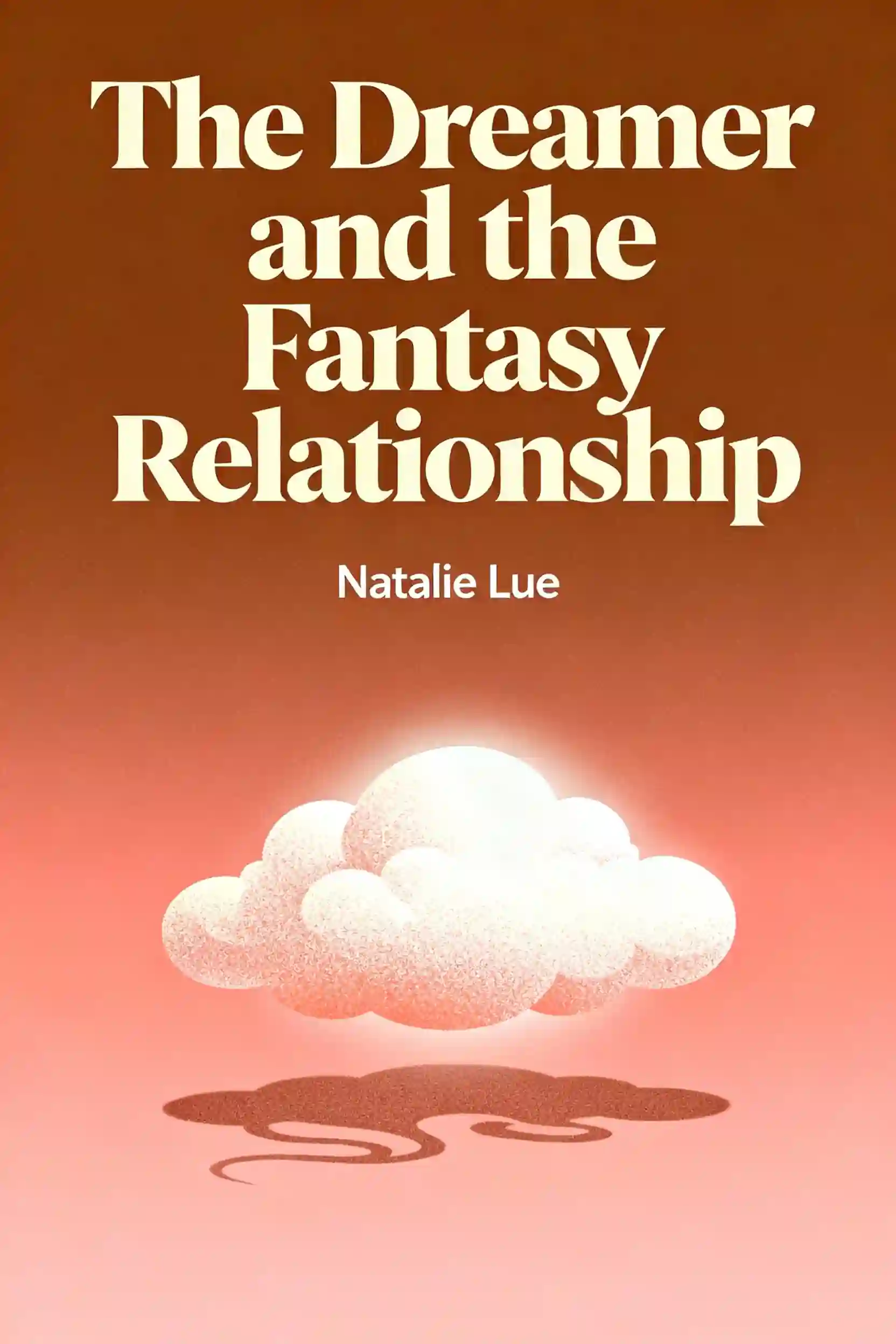
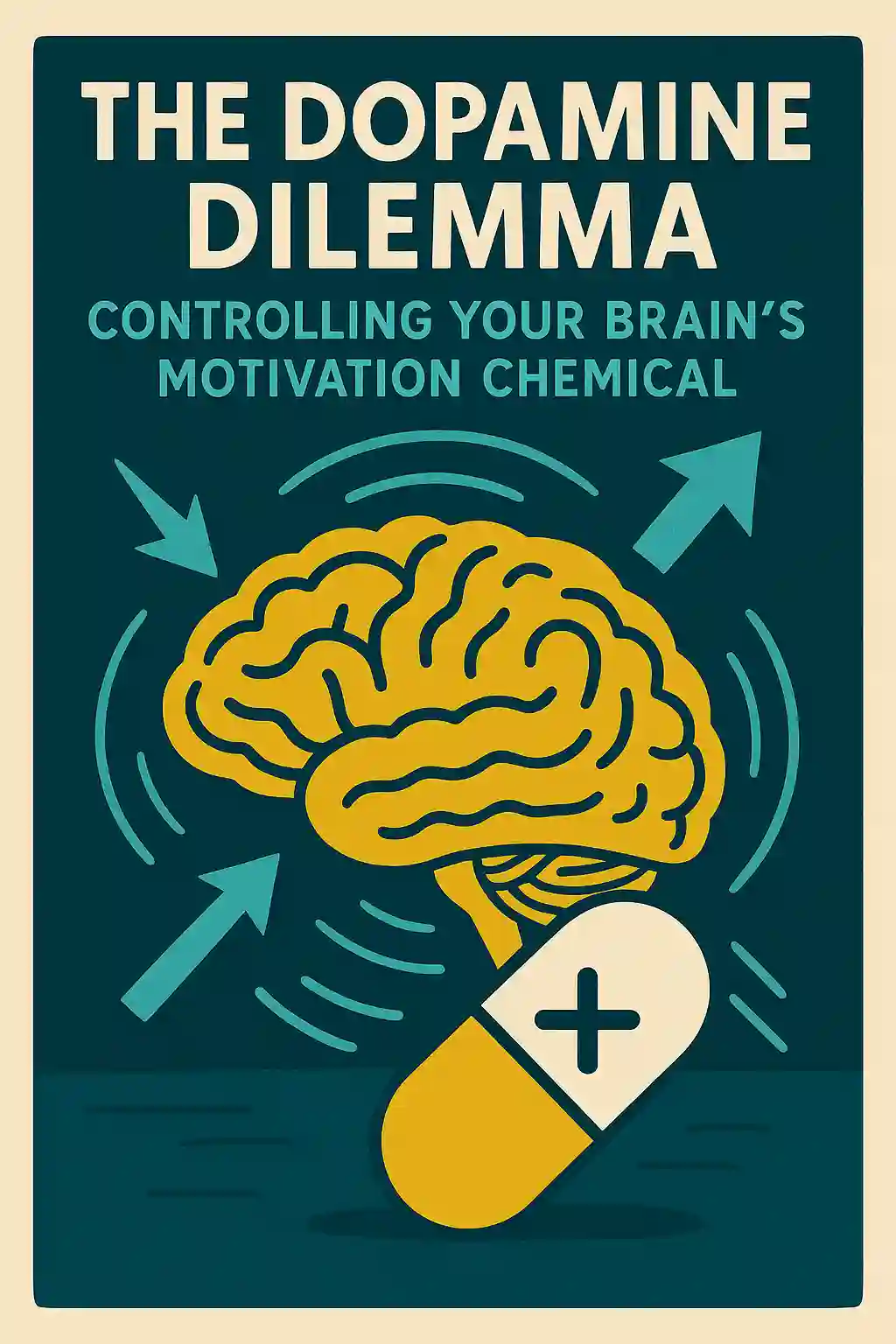
This attraction is often driven by evolutionary biology and the brain's response to visual stimuli. Men are statistically more likely to be triggered by physical appearance and novelty, which activates the brain's dopamine pathways. Live streams act as a "super-stimulus" because they feature conventionally attractive individuals engaging directly with the camera in real-time. This creates a "brain glitch" where the social centers of the brain process the interaction as a real connection, even though it is digitally mediated and one-sided.
A parasocial interaction is a one-sided relationship where a viewer extends emotional energy and interest toward a media figure who is unaware of their existence. Because human brains did not evolve to distinguish between a face on a screen and a face in the room, these interactions trigger mirror neurons and provide a hit of "social reward" without the effort or vulnerability required in real-life relationships. This can lead to "intimacy at a distance," where a partner prefers the curated, high-energy fantasy of a streamer over the messy, reciprocal demands of a real-life partnership.
When streaming is a source of income, it requires a "negotiated schedule" similar to any other professional commitment. Couples can benefit from creating a "Couples' Streaming Compact," which is a written agreement that outlines specific "non-negotiable couple blocks" and "pre-notification windows" for scheduled streams. It is also helpful to implement "cooldown windows" or transition rituals after a stream ends, allowing the performer to shift from their high-energy digital persona back to being a present partner.
The script suggests several strategies, including the creation of "device-free rituals" like keeping phones in a basket during dinner or banning screens in the bedroom. Partners are encouraged to use "transparency" by sharing what they are watching to turn a secret escape into a shared topic of conversation. Additionally, using "repair scripts"—pre-agreed phrases to gently call out when a partner is being distracted by a notification—can help de-escalate conflict and refocus attention on the relationship.
Discover more

Be a better boyfriend and lover
Be a better boyfriend and lover
Modern relationships require a blend of emotional intelligence, vulnerability, and proactive communication that many men were never taught. This plan is designed for men who want to move beyond surface-level dating and build a secure, deeply intimate partnership that lasts.

Sex, Desire, Tech & Relationships
Sex, Desire, Tech & Relationships
In an era where technology reshapes how we love, understanding the intersection of digital habits and human biology is essential. This plan is designed for anyone seeking to overcome digital distractions and build deeper, more meaningful romantic connections.
Love, Tech, Habits & Human Connection
Love, Tech, Habits & Human Connection
This plan addresses the modern struggle of maintaining intimacy in a world dominated by screens. It is ideal for individuals seeking to balance their digital habits with the psychological foundations required for lasting, healthy relationships.

Get my partner to be more attentive
Get my partner to be more attentive
This learning plan is designed for individuals feeling disconnected or overlooked in their romantic relationships. It provides a strategic framework for anyone wanting to foster genuine engagement by focusing on emotional safety, psychological influence, and personalized communication styles.

Stop doom scrolling
Stop doom scrolling
In an era where the average person spends over 4 hours daily on their phone, doom scrolling has become a widespread habit that damages mental health, productivity, and relationships. This learning plan is essential for anyone feeling trapped by their devices—whether you're a professional struggling with focus, a student battling constant distraction, or simply someone who wants to reclaim their time and attention from the endless scroll.

To Not scroll so much
To Not scroll so much
In an era of engineered distraction, reclaiming your attention is a vital skill for productivity and mental well-being. This plan is ideal for anyone feeling overwhelmed by social media loops who wants to transition from passive consumption to intentional living.
Improve Sex Life and watch more pornography
Improve Sex Life and watch more pornography
This learning plan is designed for individuals and couples seeking to revitalize their intimate lives while navigating the complexities of modern digital sexuality. It provides a balanced framework for improving communication, understanding physical wellness, and establishing healthy boundaries with technology.
Reviving the Lost Art of Intimacy
Reviving the Lost Art of Intimacy
In an era of digital disconnection, this plan offers a roadmap for those seeking more than superficial interactions. It is designed for individuals and couples who want to bridge emotional gaps by mastering the psychological and practical foundations of true intimacy.
From Columbia University alumni built in San Francisco
"Instead of endless scrolling, I just hit play on BeFreed. It saves me so much time."


"I never knew where to start with nonfiction—BeFreed’s book lists turned into podcasts gave me a clear path."


"Perfect balance between learning and entertainment. Finished ‘Thinking, Fast and Slow’ on my commute this week."
"Crazy how much I learned while walking the dog. BeFreed = small habits → big gains."
"Reading used to feel like a chore. Now it’s just part of my lifestyle."

"Feels effortless compared to reading. I’ve finished 6 books this month already."
"BeFreed turned my guilty doomscrolling into something that feels productive and inspiring."

"BeFreed turned my commute into learning time. 20-min podcasts are perfect for finishing books I never had time for."
"BeFreed replaced my podcast queue. Imagine Spotify for books — that’s it. 🙌"

"It is great for me to learn something from the book without reading it."
"The themed book list podcasts help me connect ideas across authors—like a guided audio journey."
"Makes me feel smarter every time before going to work"
From Columbia University alumni built in San Francisco
"Instead of endless scrolling, I just hit play on BeFreed. It saves me so much time."
"I never knew where to start with nonfiction—BeFreed’s book lists turned into podcasts gave me a clear path."
"Perfect balance between learning and entertainment. Finished ‘Thinking, Fast and Slow’ on my commute this week."
"Crazy how much I learned while walking the dog. BeFreed = small habits → big gains."
"Reading used to feel like a chore. Now it’s just part of my lifestyle."
"Feels effortless compared to reading. I’ve finished 6 books this month already."
"BeFreed turned my guilty doomscrolling into something that feels productive and inspiring."
"BeFreed turned my commute into learning time. 20-min podcasts are perfect for finishing books I never had time for."
"BeFreed replaced my podcast queue. Imagine Spotify for books — that’s it. 🙌"
"It is great for me to learn something from the book without reading it."
"The themed book list podcasts help me connect ideas across authors—like a guided audio journey."
"Makes me feel smarter every time before going to work"
"Instead of endless scrolling, I just hit play on BeFreed. It saves me so much time."
"I never knew where to start with nonfiction—BeFreed’s book lists turned into podcasts gave me a clear path."
"Perfect balance between learning and entertainment. Finished ‘Thinking, Fast and Slow’ on my commute this week."
"Crazy how much I learned while walking the dog. BeFreed = small habits → big gains."
"Reading used to feel like a chore. Now it’s just part of my lifestyle."
"Feels effortless compared to reading. I’ve finished 6 books this month already."
"BeFreed turned my guilty doomscrolling into something that feels productive and inspiring."
"BeFreed turned my commute into learning time. 20-min podcasts are perfect for finishing books I never had time for."
"BeFreed replaced my podcast queue. Imagine Spotify for books — that’s it. 🙌"
"It is great for me to learn something from the book without reading it."
"The themed book list podcasts help me connect ideas across authors—like a guided audio journey."
"Makes me feel smarter every time before going to work"
"Instead of endless scrolling, I just hit play on BeFreed. It saves me so much time."
"I never knew where to start with nonfiction—BeFreed’s book lists turned into podcasts gave me a clear path."
"Perfect balance between learning and entertainment. Finished ‘Thinking, Fast and Slow’ on my commute this week."
"Crazy how much I learned while walking the dog. BeFreed = small habits → big gains."
"Reading used to feel like a chore. Now it’s just part of my lifestyle."
"Feels effortless compared to reading. I’ve finished 6 books this month already."
"BeFreed turned my guilty doomscrolling into something that feels productive and inspiring."
"BeFreed turned my commute into learning time. 20-min podcasts are perfect for finishing books I never had time for."
"BeFreed replaced my podcast queue. Imagine Spotify for books — that’s it. 🙌"
"It is great for me to learn something from the book without reading it."
"The themed book list podcasts help me connect ideas across authors—like a guided audio journey."
"Makes me feel smarter every time before going to work"


