
Why We Fall in Love: Biology vs. Emotion
Is love a choice or just a chemical reward? Explore the evolutionary strategy behind our deepest bonds and how to build lasting attachment.

Best quote from Why We Fall in Love: Biology vs. Emotion
Acknowledging that love is conditional doesn't make it less 'true'—it makes it more 'real.' It means we have the power to cultivate those conditions, moving from love as something that happens to us to something we actively create.

This audio lesson was created by a BeFreed community member
Love

Frequently Asked Questions
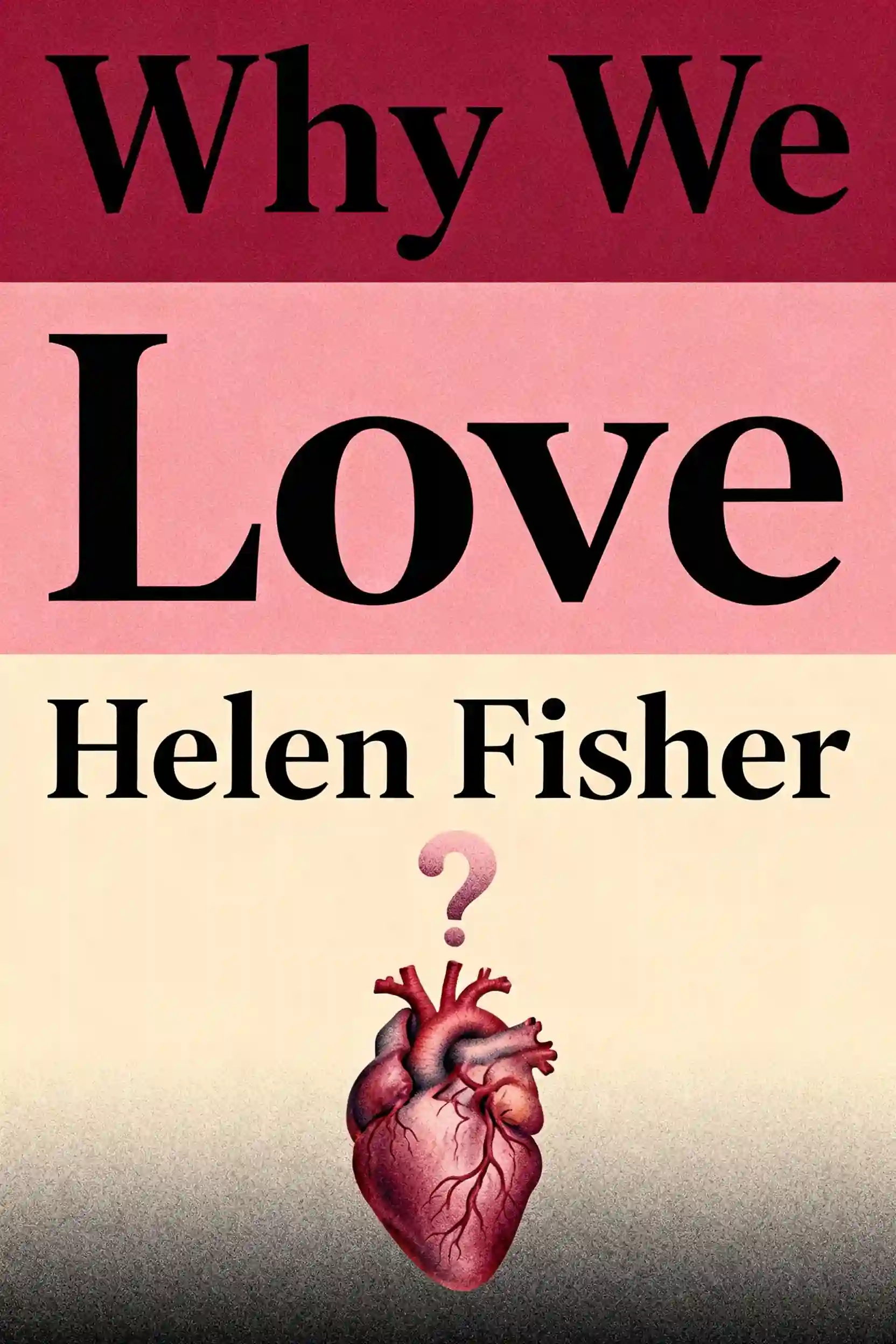
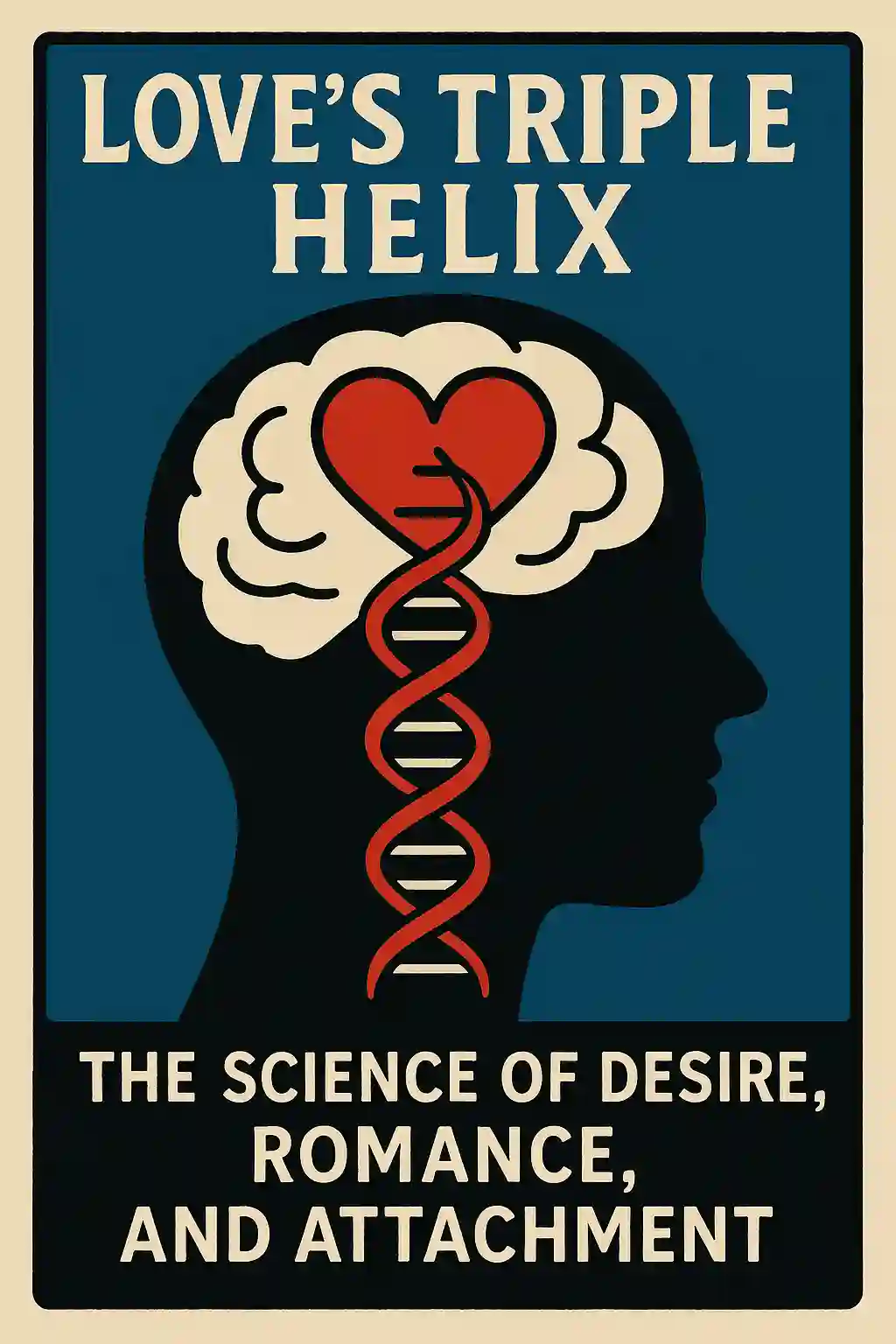
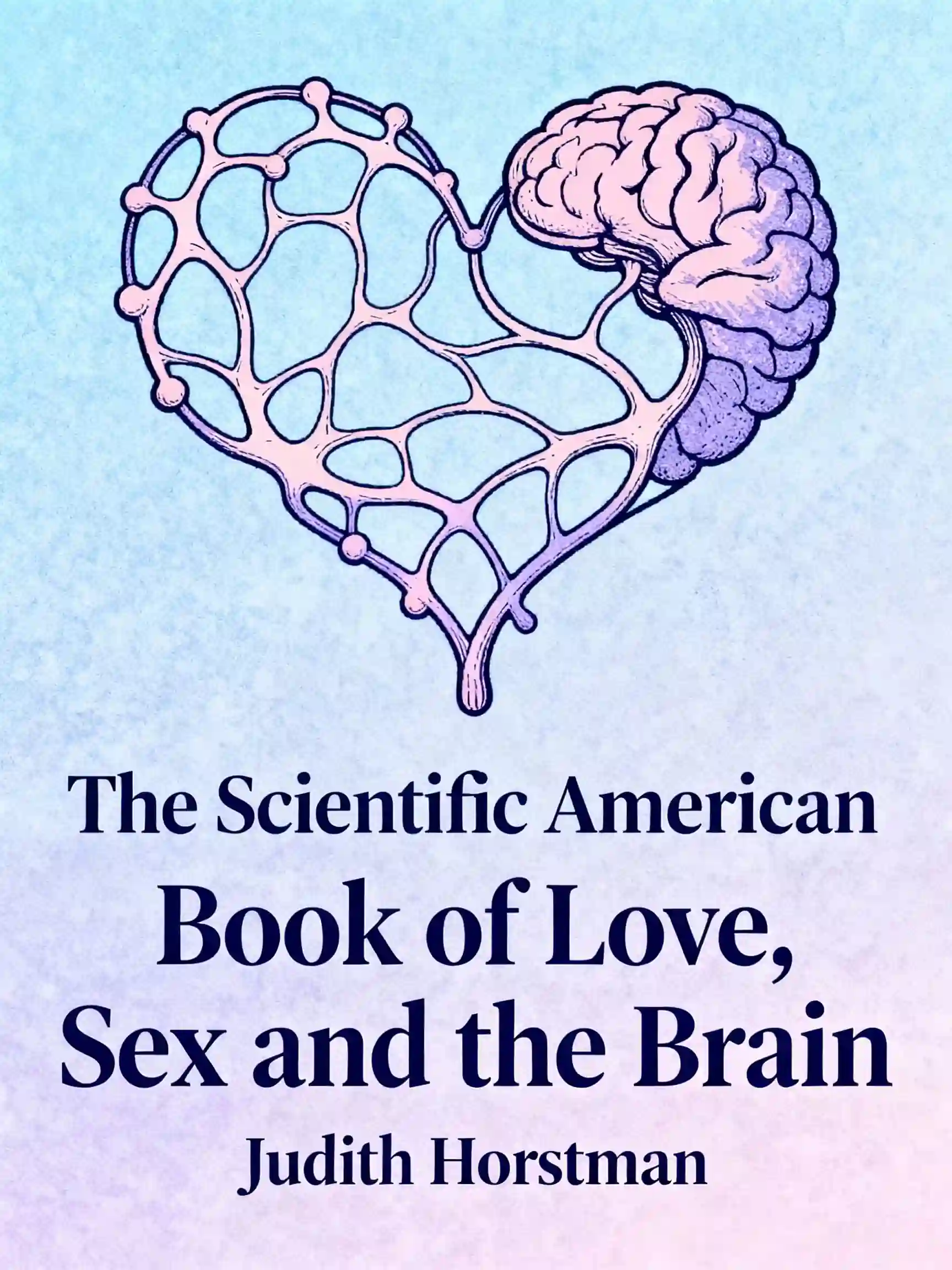
According to the research of Helen Fisher, love is broken down into lust, attraction, and attachment. Lust is driven by testosterone and estrogen as a basic drive for reproduction. Attraction, or romantic love, is fueled by dopamine and norepinephrine, creating a high-energy, obsessive "euphoria" focused on a specific partner. Finally, attachment is governed by oxytocin and vasopressin, which promote long-term security, trust, and emotional bonding.
The script suggests that unconditional love is largely a "philosophical and cultural fantasy" because human bonding is inherently associative and contingent. From an evolutionary perspective, we are wired to seek partners who provide security, resources, or genetic quality. When these "conditions" or "biological essentials" are no longer met, the chemical rewards in our brain often diminish, indicating that our bonds are naturally tied to specific psychological and biological needs.
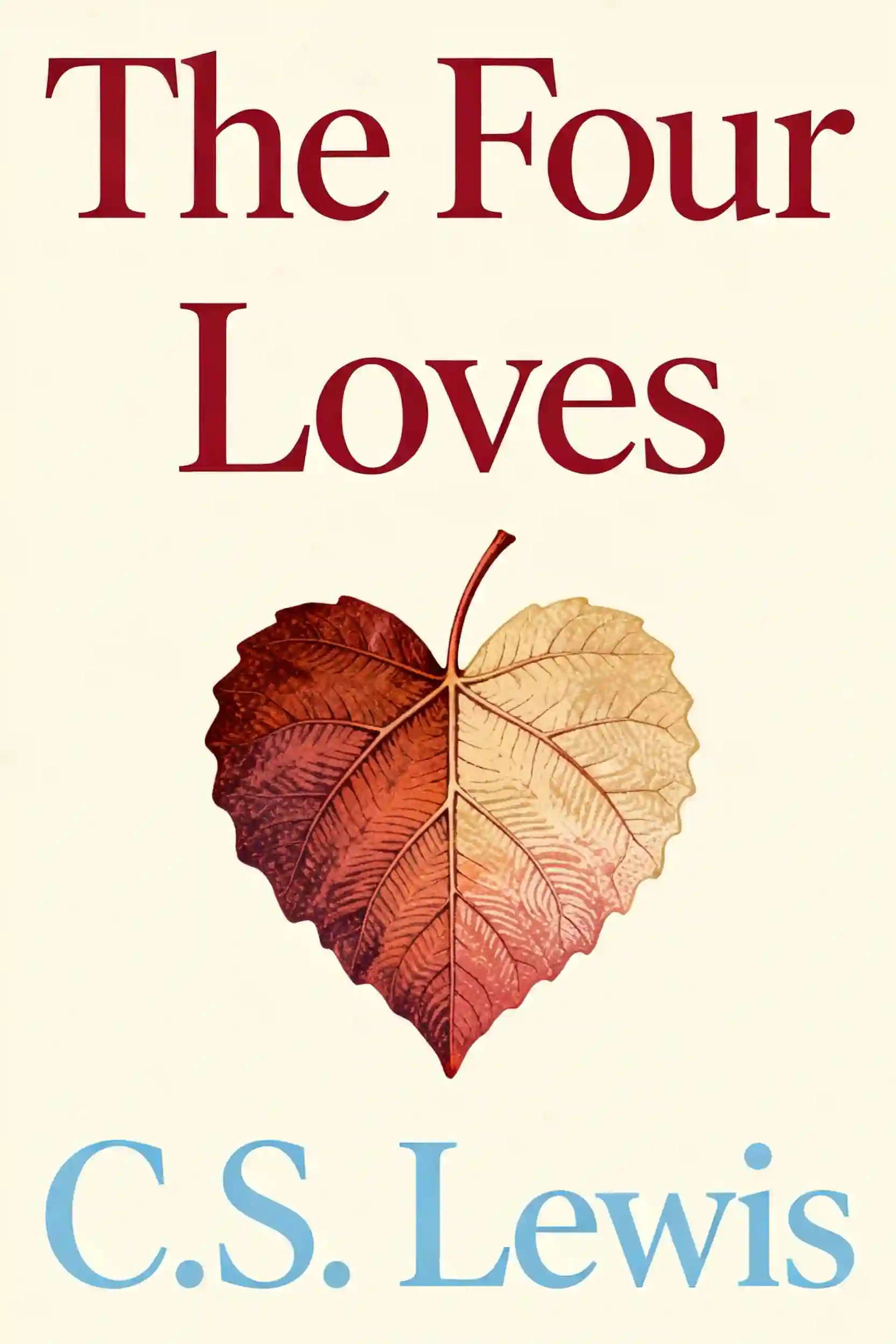
The Greeks used multiple words for love—such as Eros (passion), Philia (friendship), Storge (family), and Pragma (practical commitment)—which allows couples to "troubleshoot" their relationship more accurately. By recognizing these different "flavors," partners can identify which specific area needs attention. For example, a couple might realize they are high on Pragma but "low on Ludus" (playful love), allowing them to address the specific deficit rather than feeling the entire relationship is broken.
A "bid" is any small attempt at interaction, such as a comment about the weather or a physical touch. Research by John Gottman shows that "turning toward" these bids is the primary way couples build an "emotional bank account." Happy couples respond positively to these bids about 86% of the time, whereas couples headed for divorce do so only 33% of the time. These micro-moments of responsiveness create the foundation of trust and security necessary for long-term attachment.
Early experiences with caregivers create "internal working models" or blueprints for how we perceive love. If a caregiver was inconsistent or cold, an individual might develop an anxious or avoidant attachment style, which physically alters the brain's "chemoarchitecture" and stress responses. In adulthood, these styles can trigger "pursue-withdraw" cycles, where one partner's plea for reassurance is perceived by the other as a threat to their independence.
Discover more

Neuroscience of Love, Desire & Relationships
Neuroscience of Love, Desire & Relationships
This learning plan bridges the gap between biological imperatives and emotional intimacy, offering a scientific lens on why we love the way we do. It is ideal for individuals seeking to break negative relationship cycles or couples looking to deepen their connection through the science of brain chemistry.

Neurochemistry of Love, Trauma & Bonding
Neurochemistry of Love, Trauma & Bonding
Understanding the biological roots of our emotional lives is essential for anyone seeking to break destructive relationship cycles. This plan is ideal for therapists, coaches, or individuals looking to leverage neuroscience to build deeper, more secure connections.

Love, Neuroscience & Behavioral Science
Love, Neuroscience & Behavioral Science
This plan bridges the gap between biological impulses and social behavior, offering a scientific lens on human connection. It is ideal for individuals seeking to improve their emotional intelligence, relationship dynamics, or professional influence through evidence-based insights.

understanding the human brain and love
understanding the human brain and love
This plan bridges the gap between neuroscience and emotional intelligence, offering a scientific lens on why we love and connect. It is ideal for individuals seeking to improve their relationships by understanding the biological and psychological roots of human behavior.
Study Behavior, Love & History
Study Behavior, Love & History
This plan bridges the gap between biological drives and historical shifts to explain why we love and act the way we do. It is ideal for curious minds, social strategists, and anyone seeking to improve their relationships through the lens of psychology and history.

Psychology of Attraction & Deep Intimacy
Psychology of Attraction & Deep Intimacy
Modern dating and long-term partnerships often fail due to a lack of understanding of biological drivers and emotional blueprints. This plan is essential for individuals seeking to move beyond superficial connections by applying psychological research and proven relationship science to their personal lives.
Intro Attraction Psychology
Intro Attraction Psychology
This learning plan combines evolutionary psychology, neuroscience, and behavioral research to demystify human attraction and social dynamics. It's ideal for anyone seeking to improve their dating life, build stronger relationships, or understand the science behind human connection, whether you're re-entering the dating world, struggling with social confidence, or simply curious about the psychological mechanisms that drive romantic attraction.

Why people become obsessed with with someone
Why people become obsessed with with someone
This course is essential for anyone struggling with repetitive, intense relationship cycles or those seeking to understand the biological roots of infatuation. It provides a roadmap for individuals looking to transition from anxious, obsessive attachments to secure and emotionally stable connections.
From Columbia University alumni built in San Francisco
"Instead of endless scrolling, I just hit play on BeFreed. It saves me so much time."


"I never knew where to start with nonfiction—BeFreed’s book lists turned into podcasts gave me a clear path."


"Perfect balance between learning and entertainment. Finished ‘Thinking, Fast and Slow’ on my commute this week."
"Crazy how much I learned while walking the dog. BeFreed = small habits → big gains."
"Reading used to feel like a chore. Now it’s just part of my lifestyle."

"Feels effortless compared to reading. I’ve finished 6 books this month already."
"BeFreed turned my guilty doomscrolling into something that feels productive and inspiring."

"BeFreed turned my commute into learning time. 20-min podcasts are perfect for finishing books I never had time for."
"BeFreed replaced my podcast queue. Imagine Spotify for books — that’s it. 🙌"

"It is great for me to learn something from the book without reading it."
"The themed book list podcasts help me connect ideas across authors—like a guided audio journey."
"Makes me feel smarter every time before going to work"
From Columbia University alumni built in San Francisco
"Instead of endless scrolling, I just hit play on BeFreed. It saves me so much time."
"I never knew where to start with nonfiction—BeFreed’s book lists turned into podcasts gave me a clear path."
"Perfect balance between learning and entertainment. Finished ‘Thinking, Fast and Slow’ on my commute this week."
"Crazy how much I learned while walking the dog. BeFreed = small habits → big gains."
"Reading used to feel like a chore. Now it’s just part of my lifestyle."
"Feels effortless compared to reading. I’ve finished 6 books this month already."
"BeFreed turned my guilty doomscrolling into something that feels productive and inspiring."
"BeFreed turned my commute into learning time. 20-min podcasts are perfect for finishing books I never had time for."
"BeFreed replaced my podcast queue. Imagine Spotify for books — that’s it. 🙌"
"It is great for me to learn something from the book without reading it."
"The themed book list podcasts help me connect ideas across authors—like a guided audio journey."
"Makes me feel smarter every time before going to work"
"Instead of endless scrolling, I just hit play on BeFreed. It saves me so much time."
"I never knew where to start with nonfiction—BeFreed’s book lists turned into podcasts gave me a clear path."
"Perfect balance between learning and entertainment. Finished ‘Thinking, Fast and Slow’ on my commute this week."
"Crazy how much I learned while walking the dog. BeFreed = small habits → big gains."
"Reading used to feel like a chore. Now it’s just part of my lifestyle."
"Feels effortless compared to reading. I’ve finished 6 books this month already."
"BeFreed turned my guilty doomscrolling into something that feels productive and inspiring."
"BeFreed turned my commute into learning time. 20-min podcasts are perfect for finishing books I never had time for."
"BeFreed replaced my podcast queue. Imagine Spotify for books — that’s it. 🙌"
"It is great for me to learn something from the book without reading it."
"The themed book list podcasts help me connect ideas across authors—like a guided audio journey."
"Makes me feel smarter every time before going to work"
"Instead of endless scrolling, I just hit play on BeFreed. It saves me so much time."
"I never knew where to start with nonfiction—BeFreed’s book lists turned into podcasts gave me a clear path."
"Perfect balance between learning and entertainment. Finished ‘Thinking, Fast and Slow’ on my commute this week."
"Crazy how much I learned while walking the dog. BeFreed = small habits → big gains."
"Reading used to feel like a chore. Now it’s just part of my lifestyle."
"Feels effortless compared to reading. I’ve finished 6 books this month already."
"BeFreed turned my guilty doomscrolling into something that feels productive and inspiring."
"BeFreed turned my commute into learning time. 20-min podcasts are perfect for finishing books I never had time for."
"BeFreed replaced my podcast queue. Imagine Spotify for books — that’s it. 🙌"
"It is great for me to learn something from the book without reading it."
"The themed book list podcasts help me connect ideas across authors—like a guided audio journey."
"Makes me feel smarter every time before going to work"


