
Why Revenge Feels Good to Your Brain
Struggling to let go of a grudge? Discover why your brain treats retaliation like a reward and how to override the biological reflex to get even.

Best quote from Why Revenge Feels Good to Your Brain
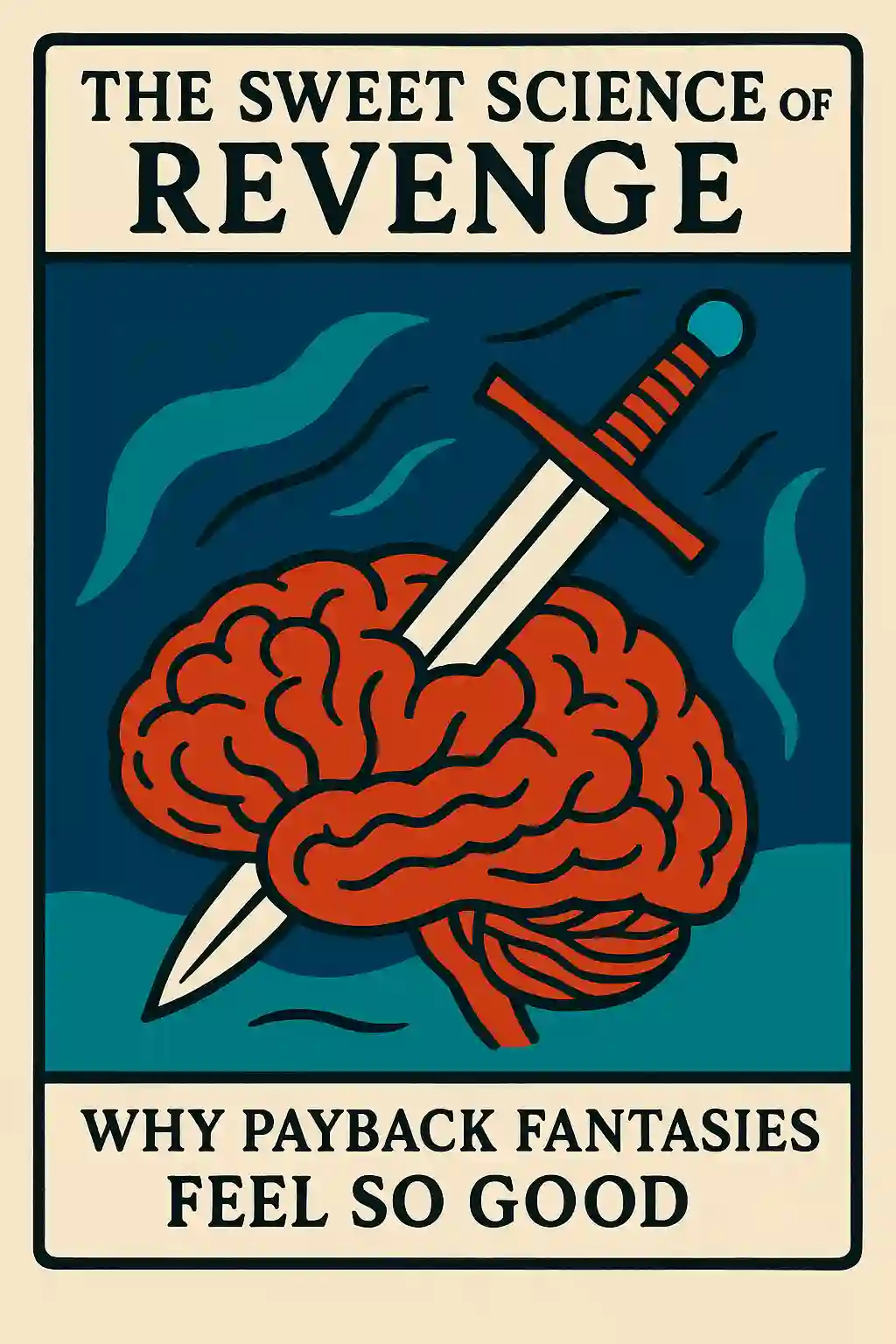
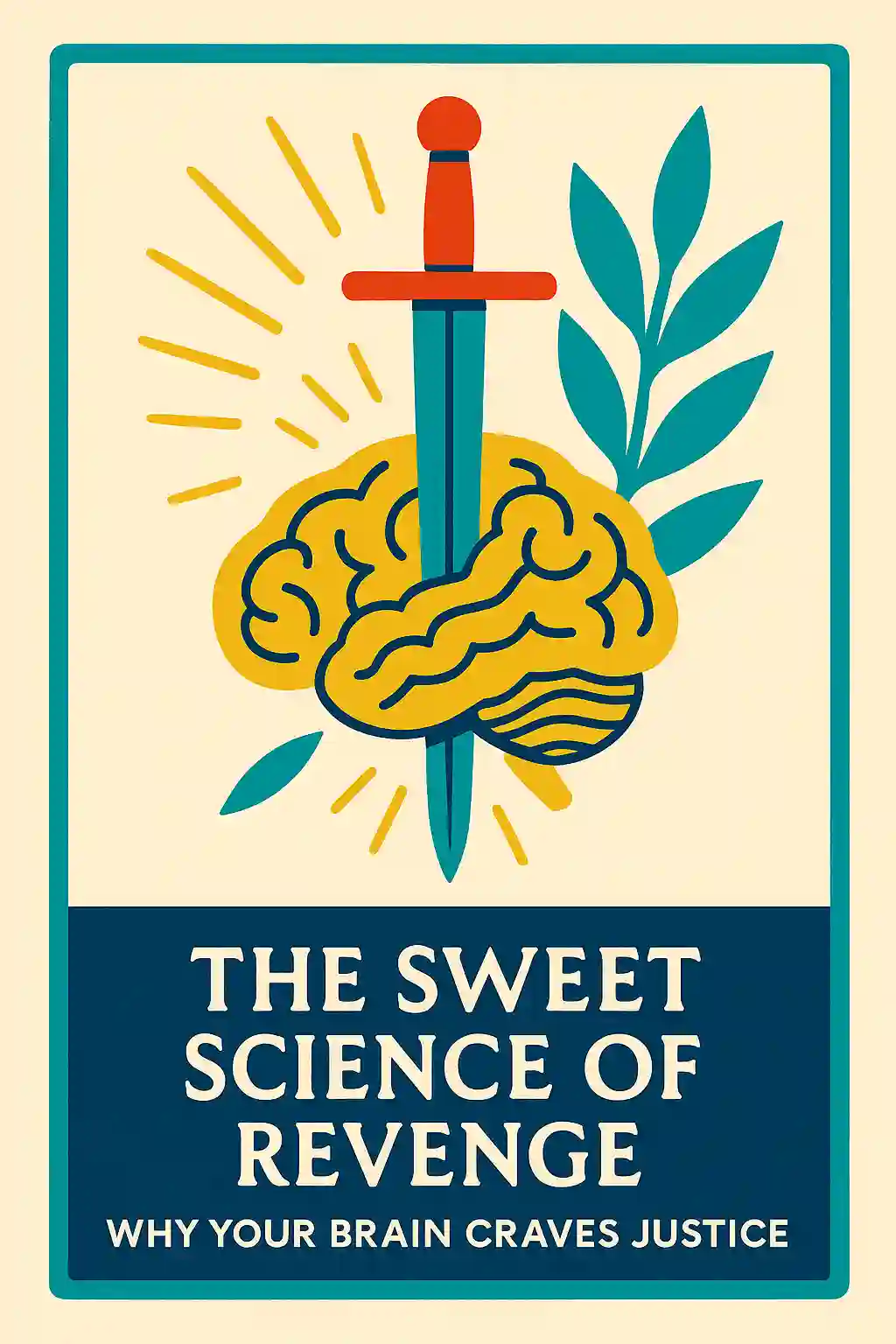
Revenge is fundamentally a targeted response to a perceived harm done to your core identity, where the brain’s reward system triggers a pleasurable rush to rescue a damaged sense of self-worth. While retaliation feels like a biological reflex, choosing the 'effortful' path of forgiveness is what allows the prefrontal cortex to reclaim long-term peace over a fleeting neurochemical high.

This audio lesson was created by a BeFreed community member
Explain the human urge to “get even” from a psychological and evolutionary perspective. Explore fairness instincts, reciprocity, status protection, and emotional drivers like anger and moral outrage. Use neuroscience to examine reward and threat systems, and explain why the impulse persists even when consciously recognized as unnecessary or counterproductive.

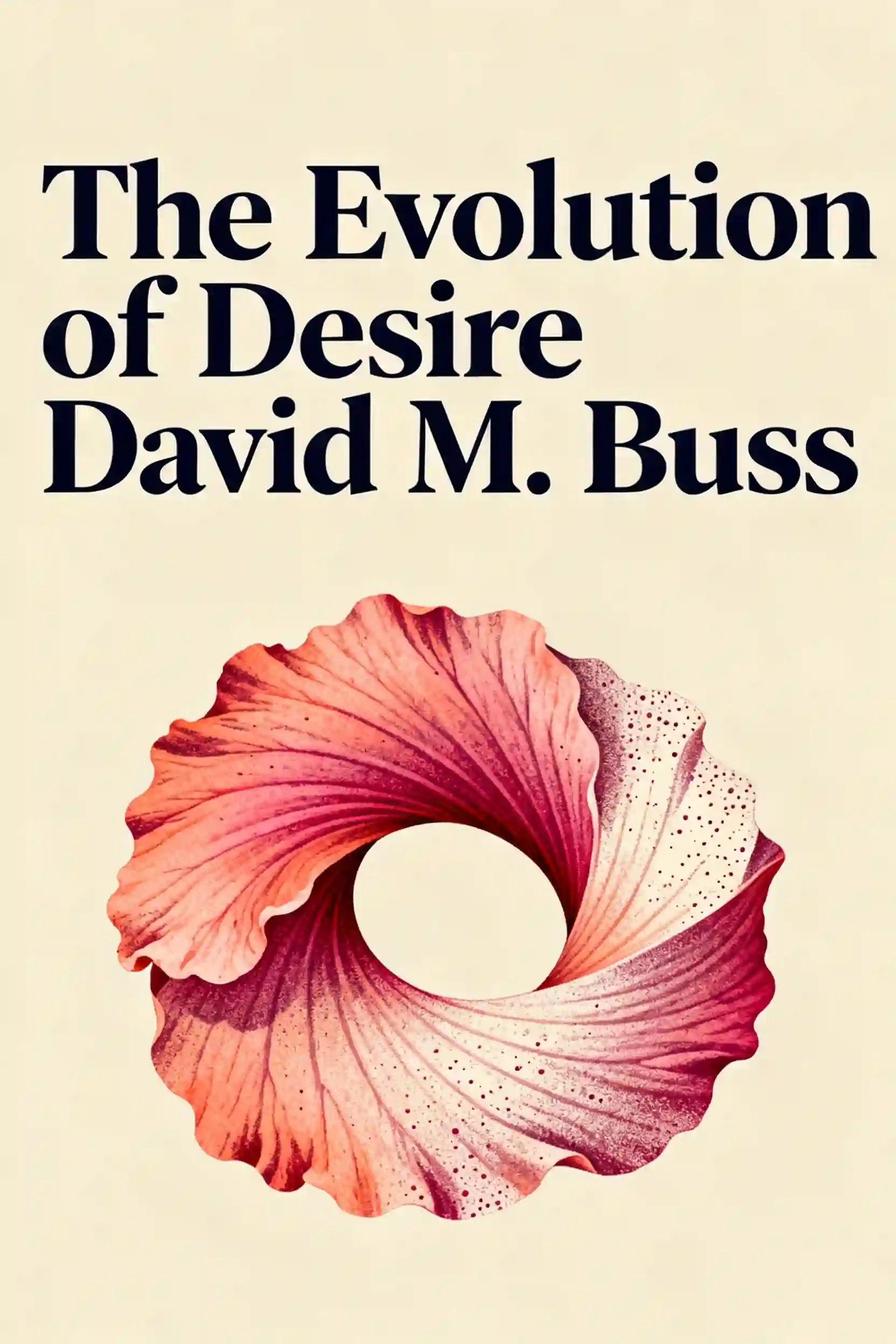
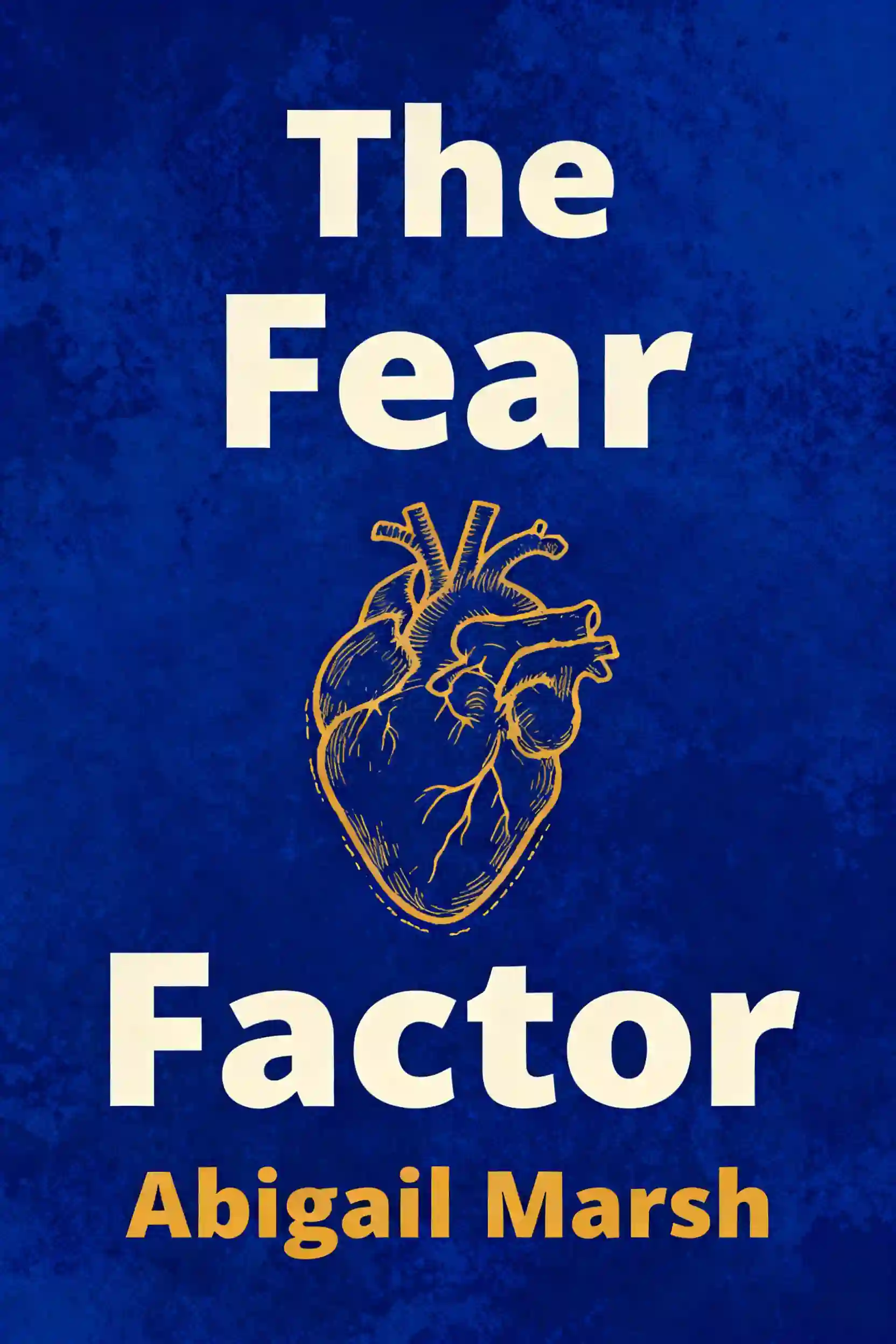
Frequently Asked Questions
The pleasure associated with revenge is rooted in the brain's reward system. When you contemplate retaliation, the ventral striatum—the same area that responds to winning money or eating chocolate—triggers a hit of dopamine. This neurochemical rush serves as a biological "fix" to mask the psychological pain and drop in status caused by a grievance. Essentially, the brain treats the "sweetness" of revenge as a way to rebalance your internal sense of power and security.
The brain views revenge as a mission to rescue a damaged "narrative identity." A minor accident, like a stranger bumping into you, lacks the intent to devalue your worth and therefore rarely triggers a vengeful response. However, when someone you know treats you with disrespect, your brain interprets this as a symbolic message that you are "less than" or that your status has been stolen. Because this threatens your core self-worth, the brain treats the social slight as a physical survival threat, making the need to "undo" the harm feel like a necessity.
In ancestral environments, "getting even" was a vital survival strategy used to signal that you were not a "free-ride" target. By imposing a cost on those who harmed them, our ancestors deterred future aggression and maintained their reputation within the group. This has left modern humans with a "fairness instinct" and a willingness to engage in "costly punishment"—the drive to harm our own resources just to ensure a cheater is penalized. While this helped sustain cooperation in small tribes, it often becomes a liability in the modern, interconnected world.
Unlike revenge, which is a reflexive emotional response, forgiveness is a higher-order cognitive function that requires significant metabolic energy. It activates the dorsolateral prefrontal cortex (DLPFC), the area responsible for executive function and self-control. To forgive, the brain must work overtime to override the "imperative" impulse for payback and the dopamine-fueled shield of indignation. This is why it is much harder to let go of a grudge when you are tired or stressed; your prefrontal cortex simply has less "fuel" to restrain your primitive instincts.
Social media platforms are designed to flag "salience," focusing on threats and unfairness because moral outrage is neurochemically "sticky" and generates high engagement. Online environments create a "dopamine loop" where users get a hit of satisfaction from firing back at others, but because there is rarely a face-to-face resolution or a "recognition of fault," the brain’s need for closure remains unsatisfied. Furthermore, the anonymity of the internet removes the physical risks that once acted as a natural brake on retaliation, making the "reward" of online revenge feel like "free money" to the brain.
Discover more

Your Brain is Cooked: How to Unf*ck Your Brainrot
Breaking free from brainrot isn’t about willpower—it’s about understanding how overstimulation rewires your brain.
BeFreed Team

Revenging a manipulator
Revenging a manipulator
This plan is essential for anyone seeking to break free from toxic cycles and reclaim their autonomy. It provides a strategic roadmap for victims of manipulation to transform into empowered survivors through psychological mastery and boundary setting.

Release anger from past misunderstandings
Release anger from past misunderstandings
This plan is designed for individuals feeling weighed down by long-standing grudges or recurring conflicts rooted in past miscommunications. It provides a holistic path for anyone seeking to transition from reactive anger to proactive emotional clarity and interpersonal connection.
Stop feeling angry so much
Stop feeling angry so much
Frequent anger can damage relationships, harm your health, and leave you feeling out of control. This plan is designed for anyone who finds themselves overreacting to daily frustrations, struggling with a short temper, or wanting to break free from explosive emotional patterns that no longer serve them.

Neuroscience, Pleasure & Financial Freedom
Neuroscience, Pleasure & Financial Freedom
This plan bridges the gap between brain science and personal finance to help you master the biological drivers of wealth. It is ideal for anyone looking to overcome impulsive spending or emotional biases by leveraging neuroscience for smarter decision-making.
Fix dopamine habits and break bad cycles
Fix dopamine habits and break bad cycles
In an age of constant digital distraction, understanding your brain's reward system is essential for reclaiming focus. This plan is ideal for anyone struggling with procrastination or impulsive habits who wants to build a more disciplined, intentional life.
Use Dopamine to Beat Procrastination
Use Dopamine to Beat Procrastination
Procrastination isn't just a willpower issue—it's deeply connected to your brain's reward system and dopamine pathways. This learning plan helps anyone struggling with procrastination understand the neuroscience behind their behaviors and apply practical strategies that work with their brain chemistry rather than against it.

Over come anger
Over come anger
Uncontrolled anger can damage relationships, impair decision-making, and negatively impact physical health. This learning plan provides practical strategies for anyone seeking to understand their anger triggers, develop emotional regulation skills, and create lasting change through mindfulness practices.
From Columbia University alumni built in San Francisco
"Instead of endless scrolling, I just hit play on BeFreed. It saves me so much time."


"I never knew where to start with nonfiction—BeFreed’s book lists turned into podcasts gave me a clear path."


"Perfect balance between learning and entertainment. Finished ‘Thinking, Fast and Slow’ on my commute this week."
"Crazy how much I learned while walking the dog. BeFreed = small habits → big gains."
"Reading used to feel like a chore. Now it’s just part of my lifestyle."

"Feels effortless compared to reading. I’ve finished 6 books this month already."
"BeFreed turned my guilty doomscrolling into something that feels productive and inspiring."

"BeFreed turned my commute into learning time. 20-min podcasts are perfect for finishing books I never had time for."
"BeFreed replaced my podcast queue. Imagine Spotify for books — that’s it. 🙌"

"It is great for me to learn something from the book without reading it."
"The themed book list podcasts help me connect ideas across authors—like a guided audio journey."
"Makes me feel smarter every time before going to work"
From Columbia University alumni built in San Francisco
"Instead of endless scrolling, I just hit play on BeFreed. It saves me so much time."
"I never knew where to start with nonfiction—BeFreed’s book lists turned into podcasts gave me a clear path."
"Perfect balance between learning and entertainment. Finished ‘Thinking, Fast and Slow’ on my commute this week."
"Crazy how much I learned while walking the dog. BeFreed = small habits → big gains."
"Reading used to feel like a chore. Now it’s just part of my lifestyle."
"Feels effortless compared to reading. I’ve finished 6 books this month already."
"BeFreed turned my guilty doomscrolling into something that feels productive and inspiring."
"BeFreed turned my commute into learning time. 20-min podcasts are perfect for finishing books I never had time for."
"BeFreed replaced my podcast queue. Imagine Spotify for books — that’s it. 🙌"
"It is great for me to learn something from the book without reading it."
"The themed book list podcasts help me connect ideas across authors—like a guided audio journey."
"Makes me feel smarter every time before going to work"
"Instead of endless scrolling, I just hit play on BeFreed. It saves me so much time."
"I never knew where to start with nonfiction—BeFreed’s book lists turned into podcasts gave me a clear path."
"Perfect balance between learning and entertainment. Finished ‘Thinking, Fast and Slow’ on my commute this week."
"Crazy how much I learned while walking the dog. BeFreed = small habits → big gains."
"Reading used to feel like a chore. Now it’s just part of my lifestyle."
"Feels effortless compared to reading. I’ve finished 6 books this month already."
"BeFreed turned my guilty doomscrolling into something that feels productive and inspiring."
"BeFreed turned my commute into learning time. 20-min podcasts are perfect for finishing books I never had time for."
"BeFreed replaced my podcast queue. Imagine Spotify for books — that’s it. 🙌"
"It is great for me to learn something from the book without reading it."
"The themed book list podcasts help me connect ideas across authors—like a guided audio journey."
"Makes me feel smarter every time before going to work"
"Instead of endless scrolling, I just hit play on BeFreed. It saves me so much time."
"I never knew where to start with nonfiction—BeFreed’s book lists turned into podcasts gave me a clear path."
"Perfect balance between learning and entertainment. Finished ‘Thinking, Fast and Slow’ on my commute this week."
"Crazy how much I learned while walking the dog. BeFreed = small habits → big gains."
"Reading used to feel like a chore. Now it’s just part of my lifestyle."
"Feels effortless compared to reading. I’ve finished 6 books this month already."
"BeFreed turned my guilty doomscrolling into something that feels productive and inspiring."
"BeFreed turned my commute into learning time. 20-min podcasts are perfect for finishing books I never had time for."
"BeFreed replaced my podcast queue. Imagine Spotify for books — that’s it. 🙌"
"It is great for me to learn something from the book without reading it."
"The themed book list podcasts help me connect ideas across authors—like a guided audio journey."
"Makes me feel smarter every time before going to work"


