
Why our consumption habits feel so empty
We’re stuck in a cycle of buying that drains our resources and the planet. Explore why we overconsume and how to shift toward a more conscious life.

Best quote from Why our consumption habits feel so empty
We’re essentially consuming the planet’s future to solve a temporary psychological itch in the present, operating on a false signal because the true costs—carbon emissions, habitat destruction, and social inequality—aren't included in the price at the register.

This audio lesson was created by a BeFreed community member
Our extraction, production, distribution and consumption lifecycle of a product has destroyed the planet, community and even our moral values. We just want to consume more and never get satisfied. We cannot sustain this endless cycle

Frequently Asked Questions
The hedonic treadmill is a psychological loop where the satisfaction gained from a new purchase evaporates almost immediately. Because our brains are wired to adapt to new circumstances quickly, yesterday’s luxury soon becomes today’s necessity. This survival mechanism, hijacked by modern marketing, forces individuals to keep buying new items just to maintain a temporary level of happiness, effectively chasing a "ghost" of satisfaction that never lasts.
Planned obsolescence is a business strategy where manufacturers intentionally design products with a limited lifespan, such as using sealed batteries or software that slows down older hardware, making repair more expensive than replacement. Perceived obsolescence is a psychological tactic used by the fashion and tech industries to make consumers feel socially inadequate if they do not own the latest model. This severs the connection between an object's actual utility and its desirability, driving sales through artificial trends.
Current global consumption is significantly overshooting the planet's ability to regenerate. While the Earth can sustainably provide about 1.6 hectares of resources per person, the global average footprint is already at 2.7 hectares. This disparity is even more extreme in wealthy nations; for example, if everyone lived like the average American, it would require five Earths to sustain that lifestyle. This "living on credit" creates a massive imbalance where the wealthiest twenty percent of the population is responsible for nearly seventy-seven percent of total consumption.
Listeners can start by performing a "home audit" to visualize the extracted resources they already own but don't use. Practical strategies include the "Forty-Eight-Hour Rule," which involves waiting two days before making non-essential purchases to let impulses fade, and prioritizing repair over replacement. Additionally, shifting from a mindset of "owning" to "using" through tool libraries, clothing swaps, and the secondhand market helps reduce the demand for new resource extraction.
A well-being economy shifts the goal from constant GDP growth to meeting human needs within planetary boundaries. In a circular model, products are designed for durability and modularity rather than disposal. An example is "service-based" models, such as buying "lighting services" instead of lightbulbs; this incentivizes companies to make products that last longer and use less energy, aligning corporate profit with environmental health and resource conservation.
Discover more

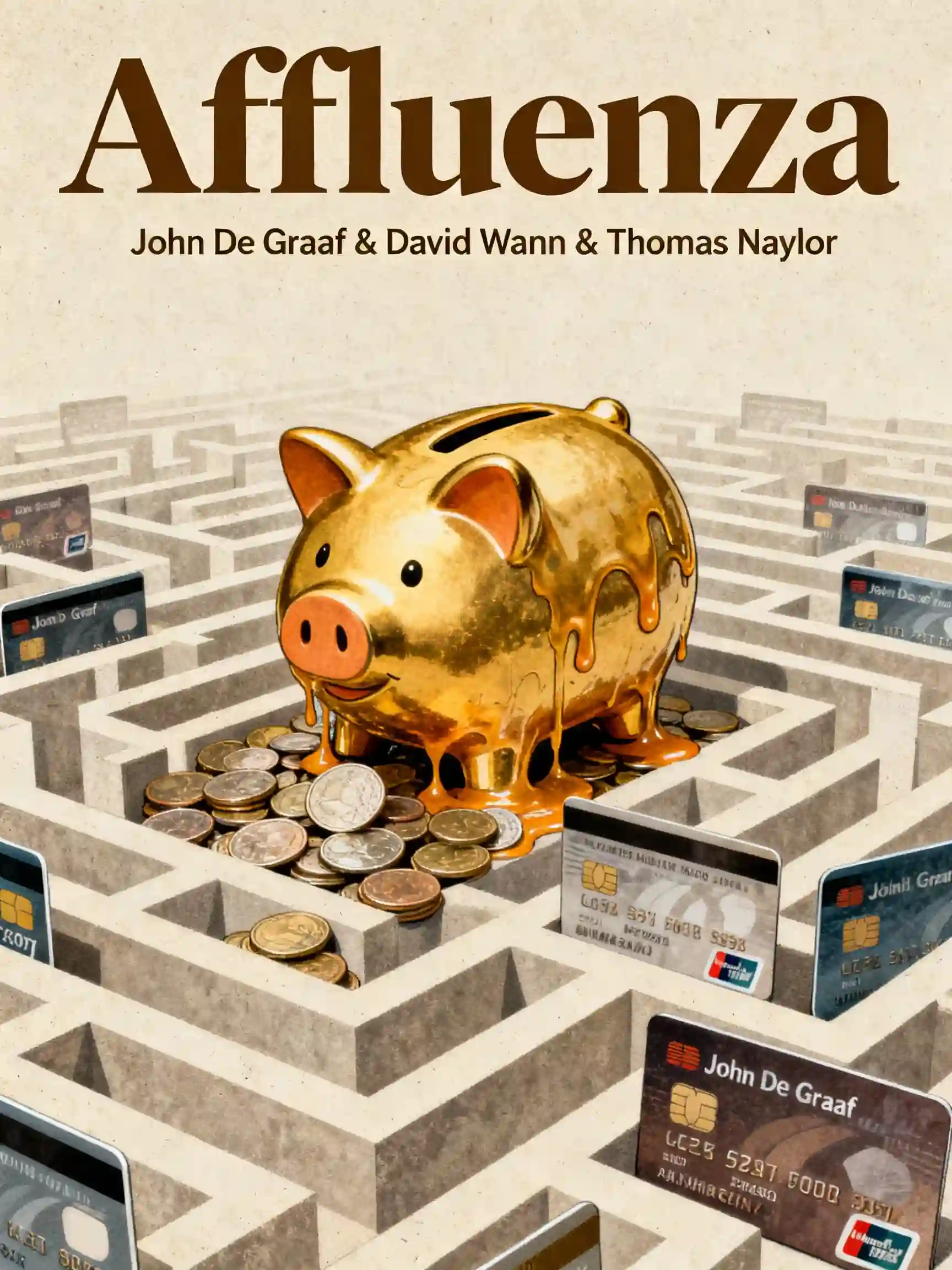
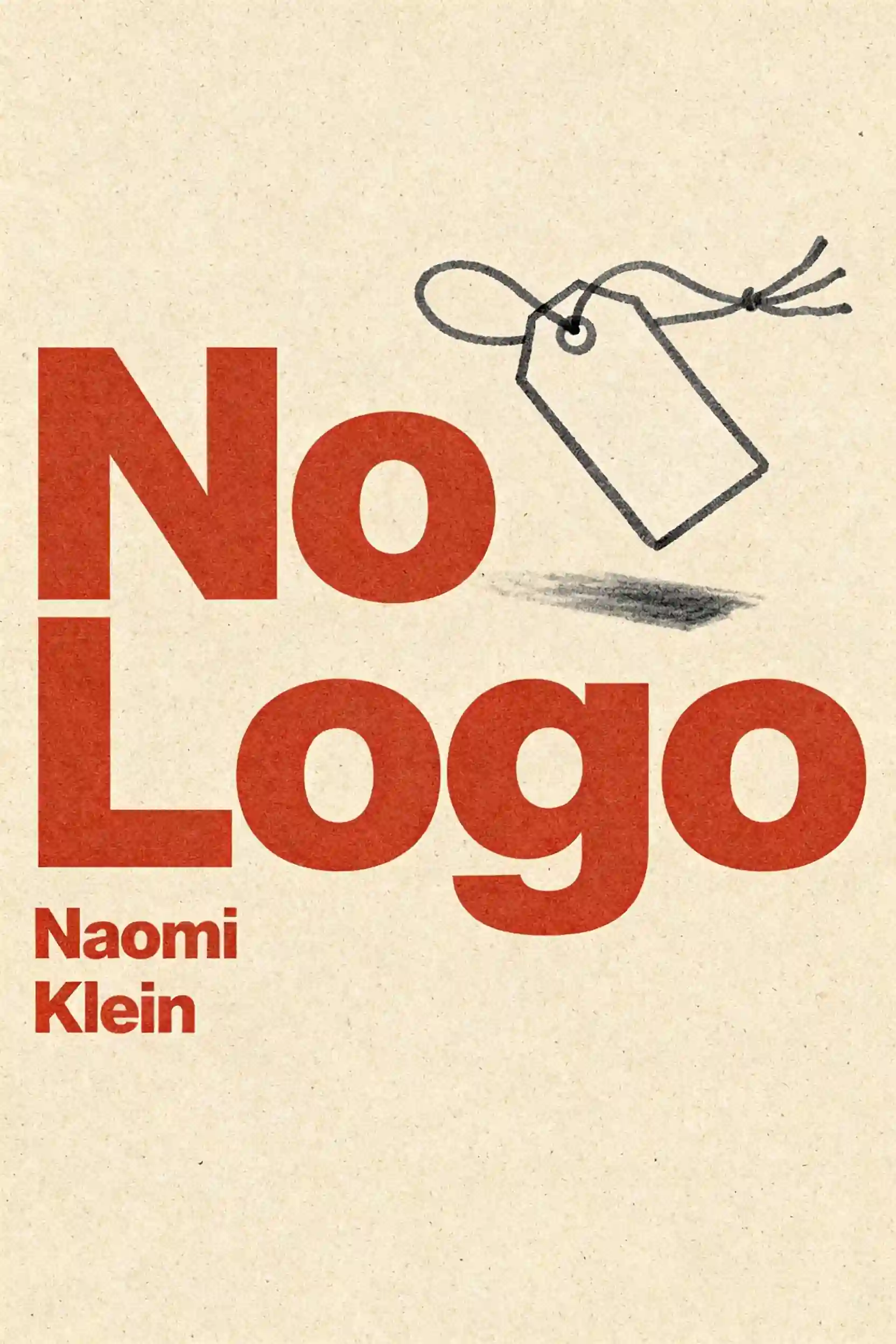
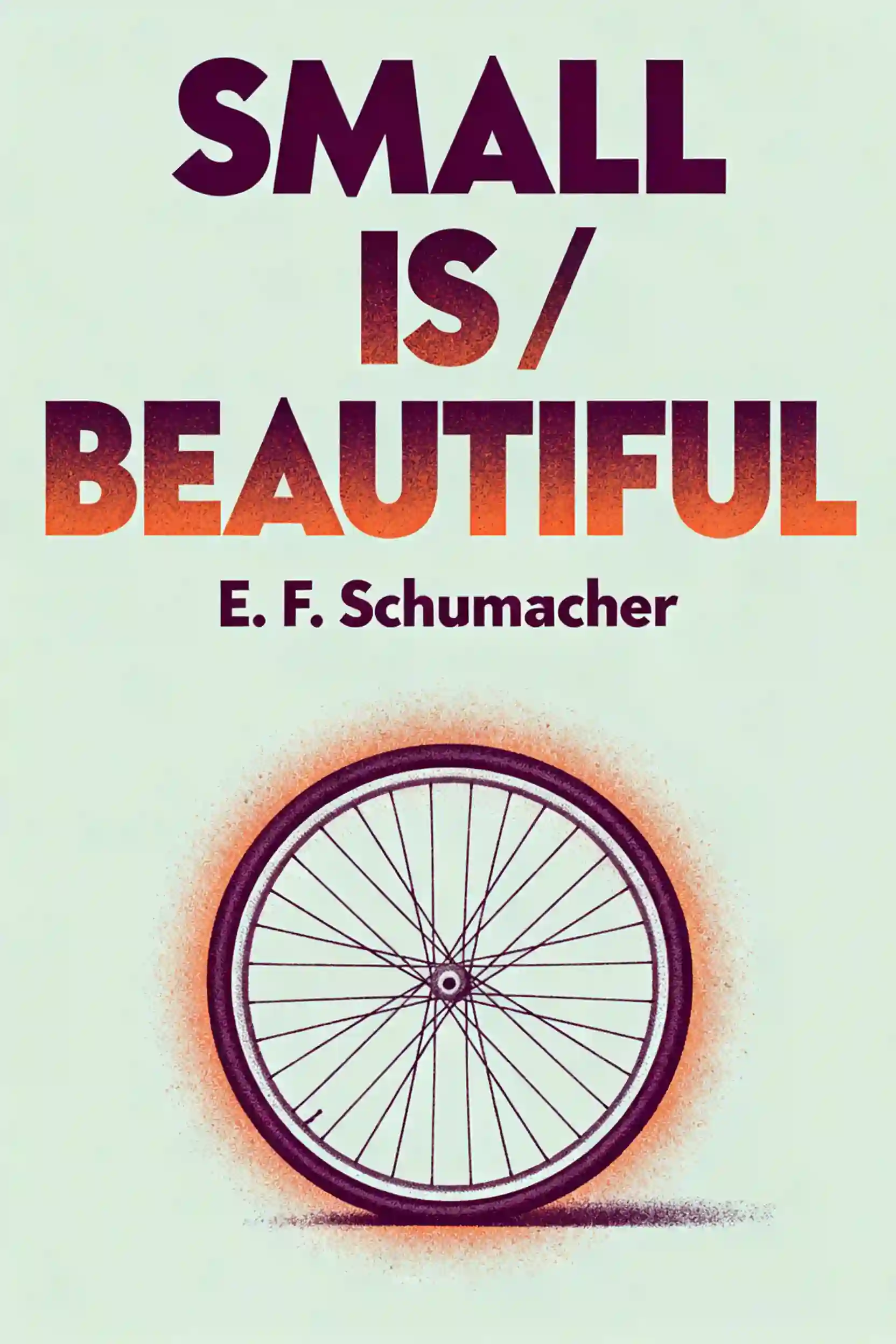
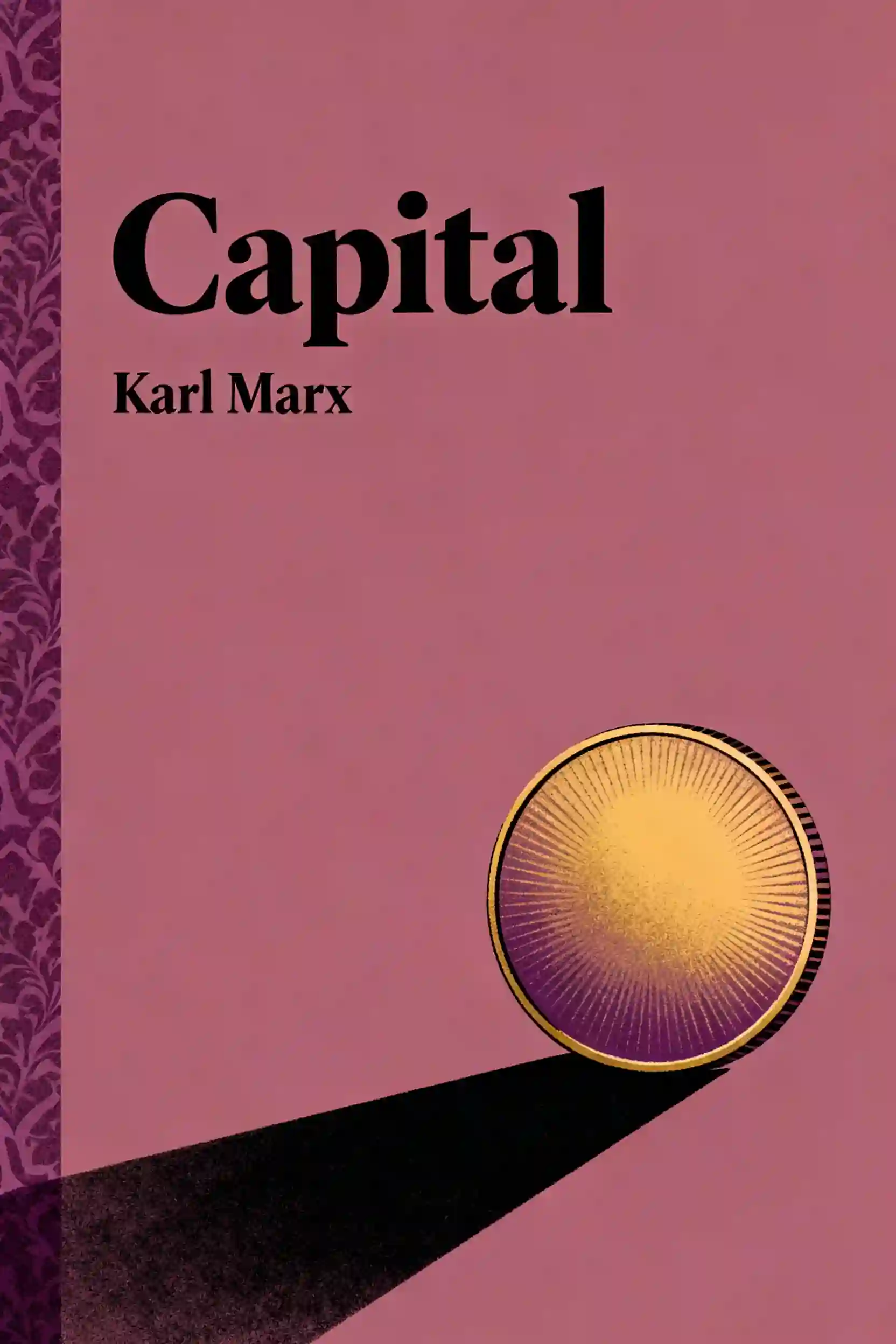
Books on production-consumption disconnect
Books on production-consumption disconnect
This learning plan reveals how our separation from production processes drives mindless overconsumption and environmental harm. It's ideal for conscious consumers, sustainability advocates, and anyone seeking to develop more intentional relationships with material goods.

Reconnect with how goods are made to buy less
Reconnect with how goods are made to buy less
In our convenience-driven society, we've become increasingly disconnected from how goods are produced, leading to unsustainable consumption patterns with serious environmental and social consequences. This learning plan helps anyone seeking to develop a more conscious relationship with material goods and transition from mindless consumption to intentional participation in production systems.

To Not scroll so much
To Not scroll so much
In an era of engineered distraction, reclaiming your attention is a vital skill for productivity and mental well-being. This plan is ideal for anyone feeling overwhelmed by social media loops who wants to transition from passive consumption to intentional living.

Explore Post-Materialism & One Consciousness
Explore Post-Materialism & One Consciousness
This plan is designed for seekers and thinkers looking to bridge the gap between cutting-edge science and spiritual philosophy. It provides a structured path for those feeling unfulfilled by consumer culture to rediscover their connection to a unified reality.

Overspending
Overspending
Overspending affects millions who struggle to balance immediate desires with long-term financial health. This learning plan helps anyone caught in spend-regret cycles by addressing the psychological roots of money behaviors while providing practical systems for lasting financial control.

Cut social media time waste
Cut social media time waste
Social media platforms are engineered to capture and monetize your attention, costing the average person 2-4 hours daily in mindless scrolling. This learning plan is essential for anyone feeling overwhelmed by their screen time, struggling to focus on meaningful work, or sensing that digital habits are preventing them from living according to their values. It's particularly valuable for professionals, students, and anyone seeking to reclaim their time and attention from the attention economy.
Learn more, quit Instagram brain rot.
Learn more, quit Instagram brain rot.
Modern digital habits have fragmented our attention spans and replaced deep learning with shallow consumption. This plan is designed for anyone feeling mentally drained by social media who wants to reclaim their focus and build a more intellectual, rewarding lifestyle.
Live Mindfully & Happily
Live Mindfully & Happily
This plan is essential for anyone feeling overwhelmed by modern distractions or seeking a deeper sense of internal contentment. It provides a structured path for individuals to transition from passive living to a life of intentionality, presence, and emotional resilience.
From Columbia University alumni built in San Francisco
"Instead of endless scrolling, I just hit play on BeFreed. It saves me so much time."


"I never knew where to start with nonfiction—BeFreed’s book lists turned into podcasts gave me a clear path."


"Perfect balance between learning and entertainment. Finished ‘Thinking, Fast and Slow’ on my commute this week."
"Crazy how much I learned while walking the dog. BeFreed = small habits → big gains."
"Reading used to feel like a chore. Now it’s just part of my lifestyle."

"Feels effortless compared to reading. I’ve finished 6 books this month already."
"BeFreed turned my guilty doomscrolling into something that feels productive and inspiring."

"BeFreed turned my commute into learning time. 20-min podcasts are perfect for finishing books I never had time for."
"BeFreed replaced my podcast queue. Imagine Spotify for books — that’s it. 🙌"

"It is great for me to learn something from the book without reading it."
"The themed book list podcasts help me connect ideas across authors—like a guided audio journey."
"Makes me feel smarter every time before going to work"
From Columbia University alumni built in San Francisco
"Instead of endless scrolling, I just hit play on BeFreed. It saves me so much time."
"I never knew where to start with nonfiction—BeFreed’s book lists turned into podcasts gave me a clear path."
"Perfect balance between learning and entertainment. Finished ‘Thinking, Fast and Slow’ on my commute this week."
"Crazy how much I learned while walking the dog. BeFreed = small habits → big gains."
"Reading used to feel like a chore. Now it’s just part of my lifestyle."
"Feels effortless compared to reading. I’ve finished 6 books this month already."
"BeFreed turned my guilty doomscrolling into something that feels productive and inspiring."
"BeFreed turned my commute into learning time. 20-min podcasts are perfect for finishing books I never had time for."
"BeFreed replaced my podcast queue. Imagine Spotify for books — that’s it. 🙌"
"It is great for me to learn something from the book without reading it."
"The themed book list podcasts help me connect ideas across authors—like a guided audio journey."
"Makes me feel smarter every time before going to work"
"Instead of endless scrolling, I just hit play on BeFreed. It saves me so much time."
"I never knew where to start with nonfiction—BeFreed’s book lists turned into podcasts gave me a clear path."
"Perfect balance between learning and entertainment. Finished ‘Thinking, Fast and Slow’ on my commute this week."
"Crazy how much I learned while walking the dog. BeFreed = small habits → big gains."
"Reading used to feel like a chore. Now it’s just part of my lifestyle."
"Feels effortless compared to reading. I’ve finished 6 books this month already."
"BeFreed turned my guilty doomscrolling into something that feels productive and inspiring."
"BeFreed turned my commute into learning time. 20-min podcasts are perfect for finishing books I never had time for."
"BeFreed replaced my podcast queue. Imagine Spotify for books — that’s it. 🙌"
"It is great for me to learn something from the book without reading it."
"The themed book list podcasts help me connect ideas across authors—like a guided audio journey."
"Makes me feel smarter every time before going to work"
"Instead of endless scrolling, I just hit play on BeFreed. It saves me so much time."
"I never knew where to start with nonfiction—BeFreed’s book lists turned into podcasts gave me a clear path."
"Perfect balance between learning and entertainment. Finished ‘Thinking, Fast and Slow’ on my commute this week."
"Crazy how much I learned while walking the dog. BeFreed = small habits → big gains."
"Reading used to feel like a chore. Now it’s just part of my lifestyle."
"Feels effortless compared to reading. I’ve finished 6 books this month already."
"BeFreed turned my guilty doomscrolling into something that feels productive and inspiring."
"BeFreed turned my commute into learning time. 20-min podcasts are perfect for finishing books I never had time for."
"BeFreed replaced my podcast queue. Imagine Spotify for books — that’s it. 🙌"
"It is great for me to learn something from the book without reading it."
"The themed book list podcasts help me connect ideas across authors—like a guided audio journey."
"Makes me feel smarter every time before going to work"


