
Overcoming Change Resistance: Adkar Model and John Kotter Strategies
Master the Adkar model and John Kotter's strategies to overcome change resistance. Learn to build strategic change architecture and avoid common leadership mistakes.

Best quote from Overcoming Change Resistance: Adkar Model and John Kotter Strategies
We need to stop being enforcers of actions and start being architects of conditions. That means moving away from the 'announce and hope' method and recognizing that resistance isn't a character flaw, but often a crisis of identity.

This audio lesson was created by a BeFreed community member
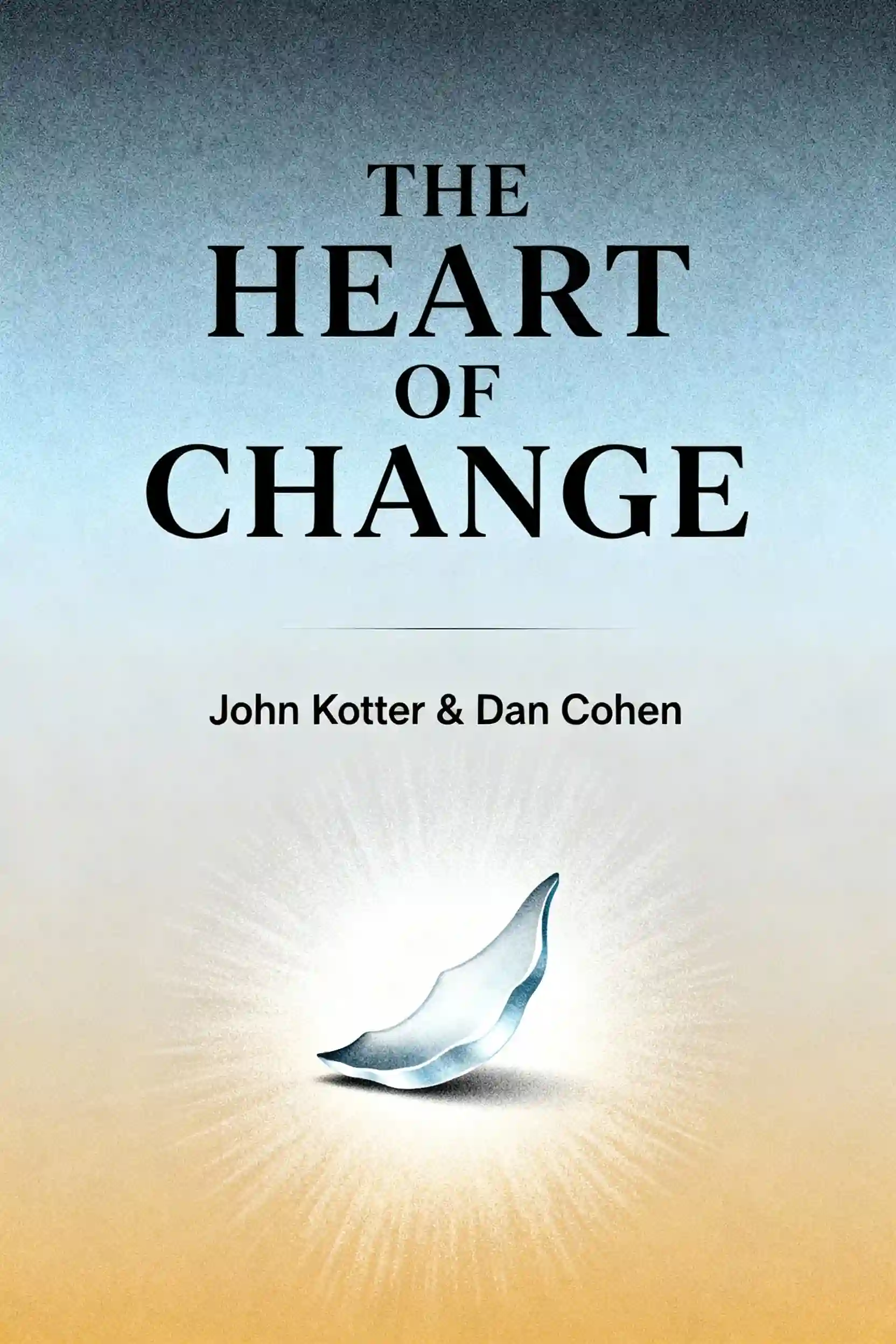
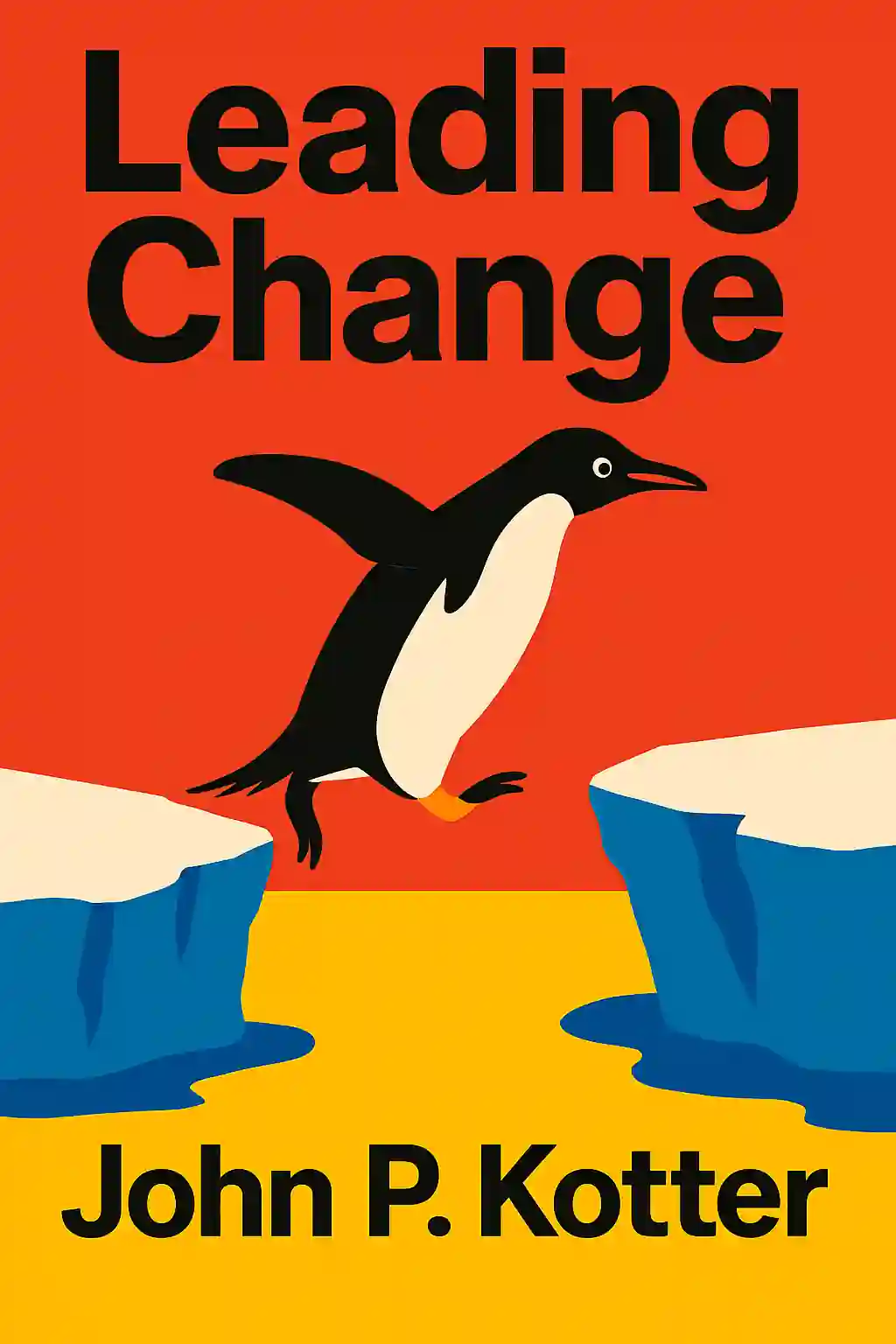
Focus on change resistance, the Adkar model (Awareness, Desire, Knowledge, Ability, Reinforcement), the consequences of skipping steps, leadership mistakes, and the importance of strategic change architecture. Act as organizational psychologists, and leadership strategists. Resource: "Leading Change" by John Kotter. "Be the architect of conditions, not the enforcer of actions." Delve into the roots of change resistance tied to identity, analyze the five-step Adkar model, Never use “Just”


Frequently Asked Questions
The Adkar model is a five-step framework consisting of Awareness, Desire, Knowledge, Ability, and Reinforcement. By following these stages sequentially, leaders can address the psychological roots of change resistance. Skipping steps often leads to failure because employees lack the necessary foundation to transition. This model helps leadership strategists move beyond enforcement to become architects of conditions that foster genuine organizational transformation and long-term success.
John Kotter’s 'Leading Change' provides a foundational roadmap for organizational psychology by emphasizing a structured approach to transformation. It highlights that change is a process, not an event, requiring a strategic change architecture that prepares the entire organization. By understanding Kotter’s principles, leaders can avoid common mistakes such as under-communicating the vision or failing to anchor new approaches in the corporate culture, ensuring that change becomes a permanent part of the identity.
Identity-based resistance occurs when individuals feel that organizational changes threaten their professional sense of self or core values. As organizational psychologists, we recognize that people do not resist change itself, but rather the perceived loss of identity. To overcome this, leaders must act as architects who create conditions where the new direction aligns with the team's identity, rather than acting as enforcers who demand compliance without addressing these deep-seated psychological concerns.
A frequent leadership mistake is attempting to build Ability or Knowledge before establishing Awareness and Desire. When leaders skip the initial stages of the Adkar model, they encounter significant resistance because the 'why' has not been established. Additionally, failing to provide Reinforcement after the change is implemented often causes the organization to revert to old habits. Effective leadership requires a commitment to every step of the process to ensure sustainable growth.
Discover more

Overcome identity crisis
Overcome identity crisis
Identity crises affect people during major life transitions, career changes, or periods of deep questioning about who they are and what they want. This learning plan is essential for anyone feeling lost, disconnected from themselves, or trapped by others' expectations—providing a structured path from confusion to authentic self-expression and purposeful living.

Change my mindset 
Change my mindset 
This learning plan is essential for anyone feeling stuck in self-limiting beliefs or repetitive negative cycles. It provides a science-backed framework for professionals and individuals seeking to build the emotional resilience and identity-based habits necessary for long-term personal growth.

Build resilience to exit my comfort zone
Build resilience to exit my comfort zone
Comfort zones limit potential and prevent meaningful growth, yet most people struggle to push beyond familiar territory due to fear and uncertainty. This learning plan equips anyone feeling stuck or resistant to change with the psychological tools and practical strategies needed to build resilience and embrace discomfort as a pathway to personal transformation.
Mastering Human Systems & Innovation
Mastering Human Systems & Innovation
In an era of rapid disruption, understanding the intersection of human behavior and organizational architecture is critical for leadership. This plan is designed for change agents and innovators who need to move beyond surface-level fixes to drive deep, systemic transformation.

Break out of fixed thinking patterns
Break out of fixed thinking patterns
In an era of rapid change, cognitive rigidity is a significant barrier to personal and professional growth. This plan is designed for leaders, innovators, and lifelong learners who want to deconstruct limiting biases and build a more agile, creative mindset.

Understand Others and Lead Effectively
Understand Others and Lead Effectively
This plan is essential for emerging and established leaders who need to bridge the gap between technical skill and interpersonal influence. It provides a roadmap for mastering the human side of management to drive meaningful organizational transformation.

Identity, Social Skills & Leadership
Identity, Social Skills & Leadership
This plan is designed for aspiring leaders and professionals who want to lead with integrity rather than just authority. It bridges the gap between internal self-awareness and external social influence to create well-rounded, impactful individuals.
Build Confidence
Build Confidence
In an era of high-pressure environments, internal resilience is the ultimate competitive advantage. This plan is designed for professionals and individuals looking to replace self-sabotage with authentic authority and assertive communication skills.
From Columbia University alumni built in San Francisco
"Instead of endless scrolling, I just hit play on BeFreed. It saves me so much time."


"I never knew where to start with nonfiction—BeFreed’s book lists turned into podcasts gave me a clear path."


"Perfect balance between learning and entertainment. Finished ‘Thinking, Fast and Slow’ on my commute this week."
"Crazy how much I learned while walking the dog. BeFreed = small habits → big gains."
"Reading used to feel like a chore. Now it’s just part of my lifestyle."

"Feels effortless compared to reading. I’ve finished 6 books this month already."
"BeFreed turned my guilty doomscrolling into something that feels productive and inspiring."

"BeFreed turned my commute into learning time. 20-min podcasts are perfect for finishing books I never had time for."
"BeFreed replaced my podcast queue. Imagine Spotify for books — that’s it. 🙌"

"It is great for me to learn something from the book without reading it."
"The themed book list podcasts help me connect ideas across authors—like a guided audio journey."
"Makes me feel smarter every time before going to work"
From Columbia University alumni built in San Francisco
"Instead of endless scrolling, I just hit play on BeFreed. It saves me so much time."
"I never knew where to start with nonfiction—BeFreed’s book lists turned into podcasts gave me a clear path."
"Perfect balance between learning and entertainment. Finished ‘Thinking, Fast and Slow’ on my commute this week."
"Crazy how much I learned while walking the dog. BeFreed = small habits → big gains."
"Reading used to feel like a chore. Now it’s just part of my lifestyle."
"Feels effortless compared to reading. I’ve finished 6 books this month already."
"BeFreed turned my guilty doomscrolling into something that feels productive and inspiring."
"BeFreed turned my commute into learning time. 20-min podcasts are perfect for finishing books I never had time for."
"BeFreed replaced my podcast queue. Imagine Spotify for books — that’s it. 🙌"
"It is great for me to learn something from the book without reading it."
"The themed book list podcasts help me connect ideas across authors—like a guided audio journey."
"Makes me feel smarter every time before going to work"
"Instead of endless scrolling, I just hit play on BeFreed. It saves me so much time."
"I never knew where to start with nonfiction—BeFreed’s book lists turned into podcasts gave me a clear path."
"Perfect balance between learning and entertainment. Finished ‘Thinking, Fast and Slow’ on my commute this week."
"Crazy how much I learned while walking the dog. BeFreed = small habits → big gains."
"Reading used to feel like a chore. Now it’s just part of my lifestyle."
"Feels effortless compared to reading. I’ve finished 6 books this month already."
"BeFreed turned my guilty doomscrolling into something that feels productive and inspiring."
"BeFreed turned my commute into learning time. 20-min podcasts are perfect for finishing books I never had time for."
"BeFreed replaced my podcast queue. Imagine Spotify for books — that’s it. 🙌"
"It is great for me to learn something from the book without reading it."
"The themed book list podcasts help me connect ideas across authors—like a guided audio journey."
"Makes me feel smarter every time before going to work"
"Instead of endless scrolling, I just hit play on BeFreed. It saves me so much time."
"I never knew where to start with nonfiction—BeFreed’s book lists turned into podcasts gave me a clear path."
"Perfect balance between learning and entertainment. Finished ‘Thinking, Fast and Slow’ on my commute this week."
"Crazy how much I learned while walking the dog. BeFreed = small habits → big gains."
"Reading used to feel like a chore. Now it’s just part of my lifestyle."
"Feels effortless compared to reading. I’ve finished 6 books this month already."
"BeFreed turned my guilty doomscrolling into something that feels productive and inspiring."
"BeFreed turned my commute into learning time. 20-min podcasts are perfect for finishing books I never had time for."
"BeFreed replaced my podcast queue. Imagine Spotify for books — that’s it. 🙌"
"It is great for me to learn something from the book without reading it."
"The themed book list podcasts help me connect ideas across authors—like a guided audio journey."
"Makes me feel smarter every time before going to work"


![[1c8809d6-77bd-4bc7-b775-3f83dd356059:c0000] IMG_2149.png p1-1](/_next/image?url=https%3A%2F%2Fd1y2du6z1jfm9e.cloudfront.net%2Fassets%2Fpodcast%2Fpurple.png&w=1024&q=50)


