
Why a neutral face is often misread as depression
When teachers mistake your quiet nature for sadness, it's frustrating. Learn the science of flat affect and how to advocate for your true mood.

Best quote from Why a neutral face is often misread as depression
Clinical research shows there’s a huge difference between 'flat affect'—which is just how much emotion you show on the outside—and 'low mood,' which is how you actually feel inside. Your internal 'emotional palette' can be full of color even when the 'printer' that puts those colors on your face is jammed.

This audio lesson was created by a BeFreed community member
My teacher thinks im sad or depressed because I'm always giving a neutral expression and not talking

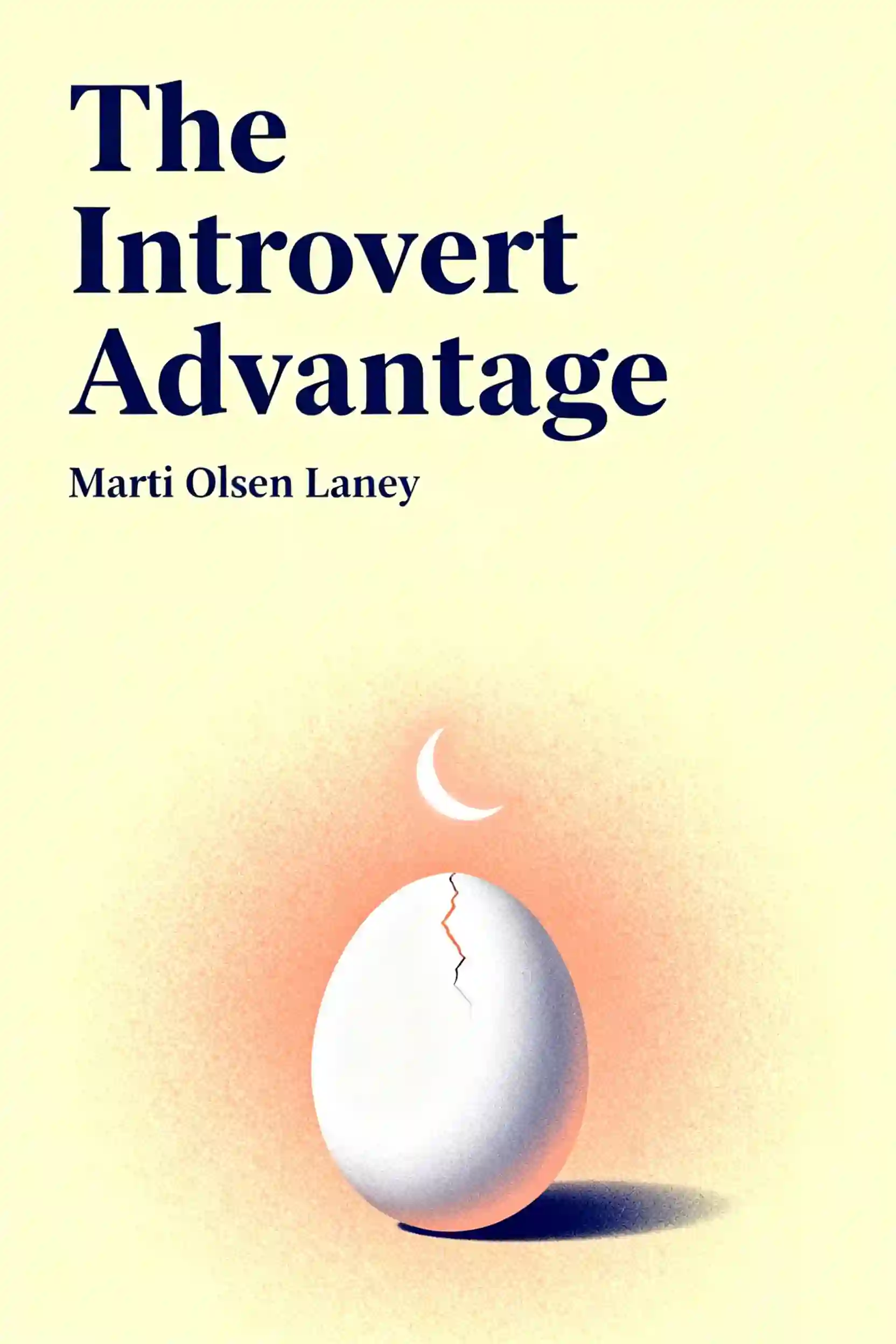
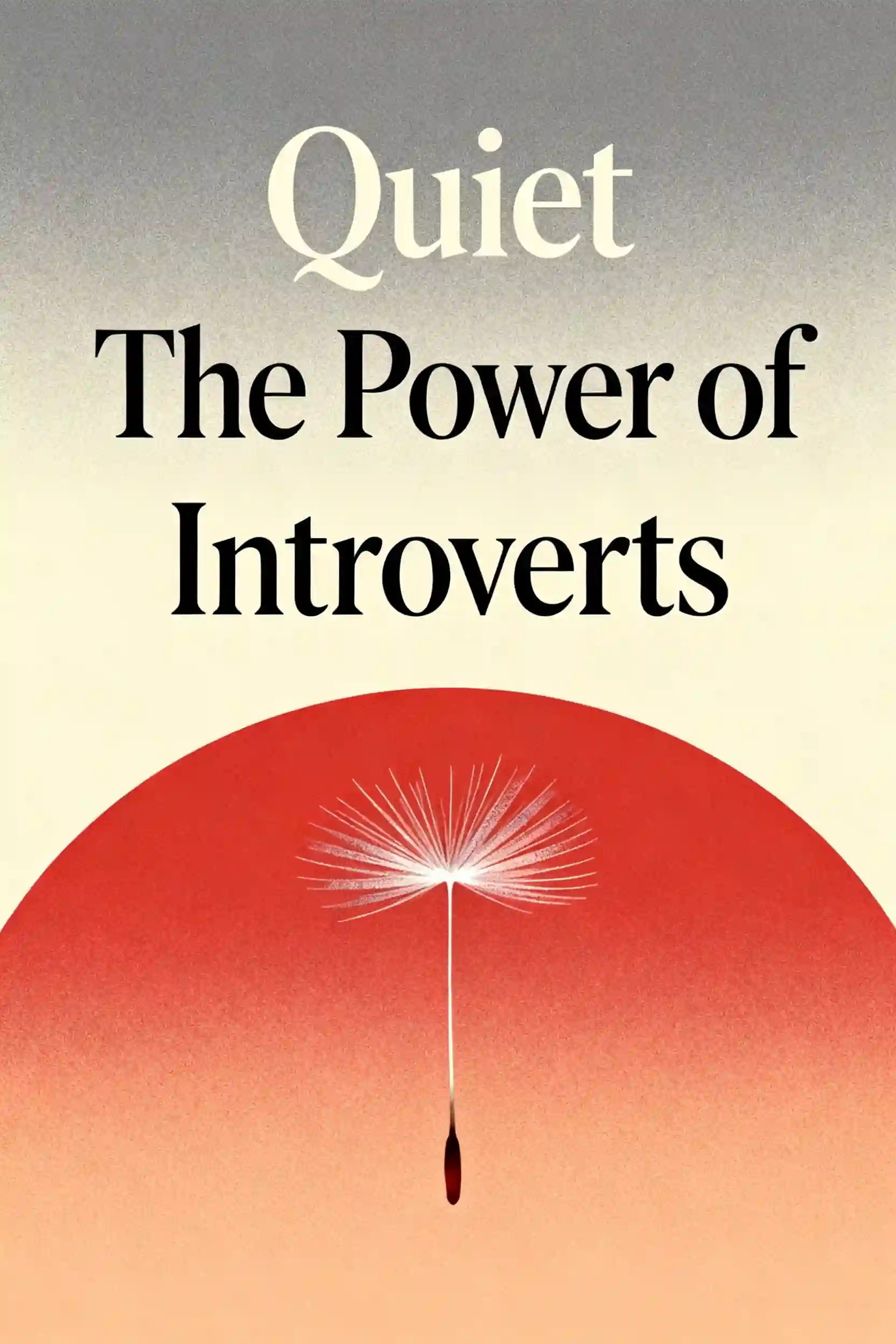

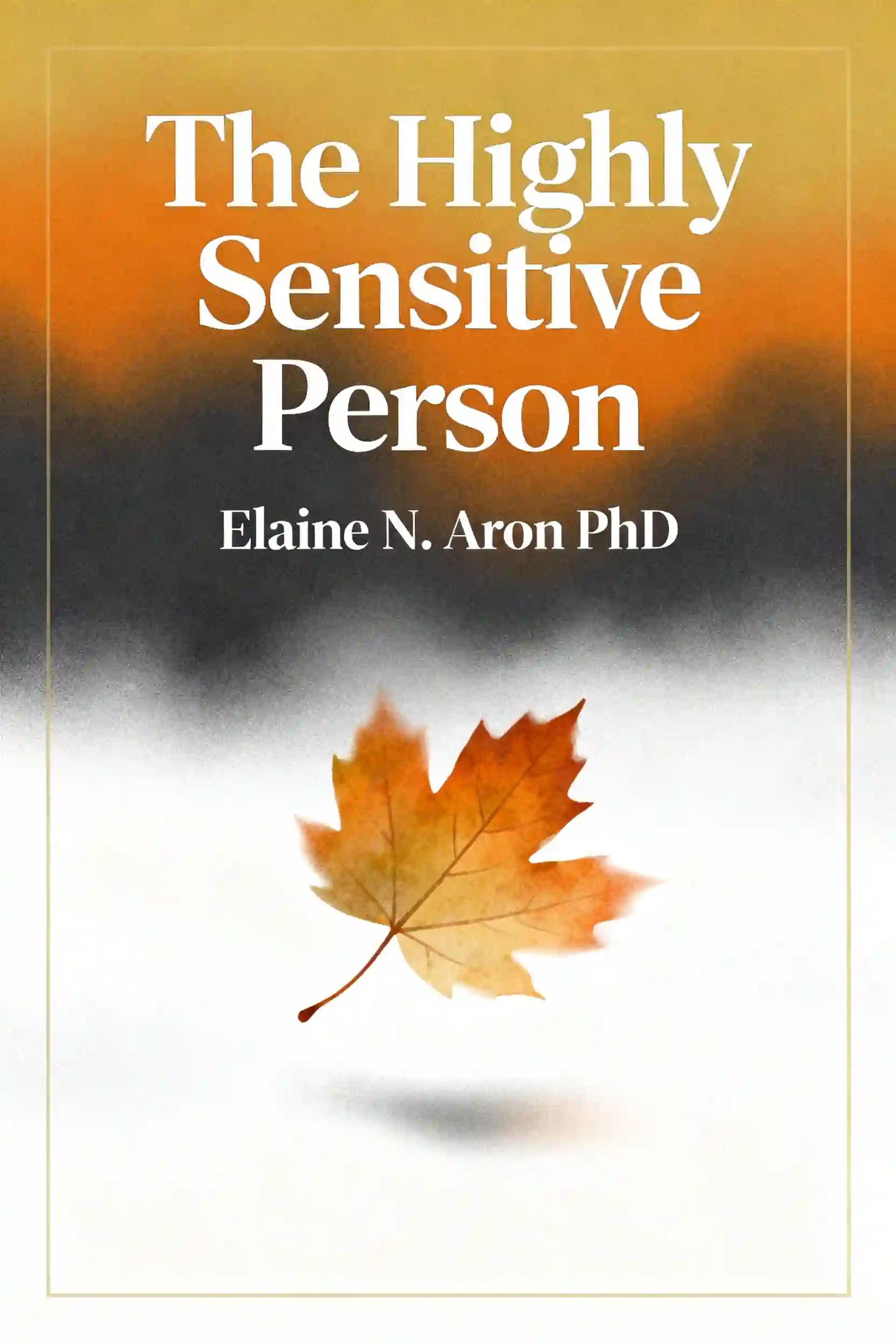

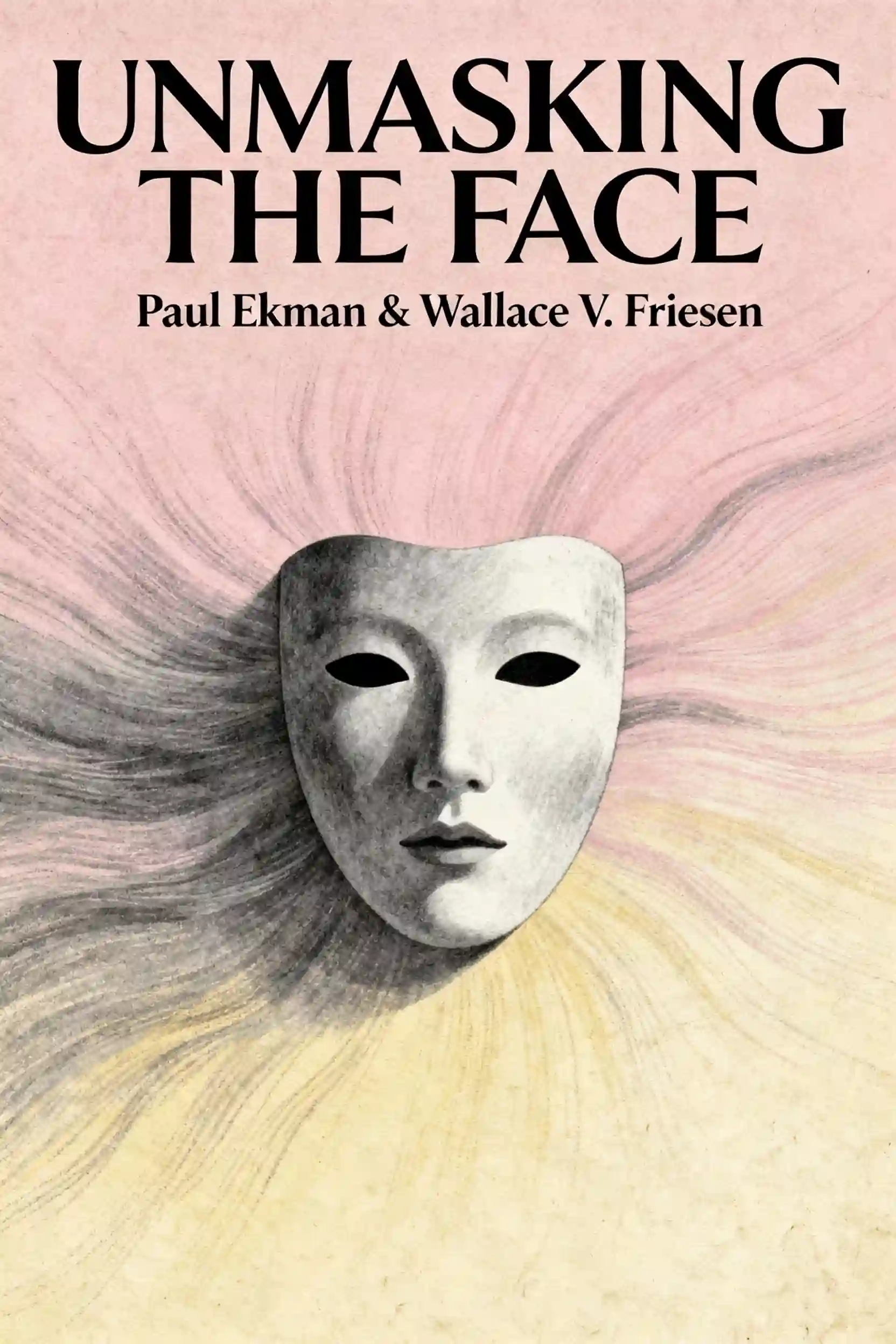
Frequently Asked Questions
Flat affect refers specifically to the external expression of emotion, such as how much a person’s face moves or the inflection in their voice. Clinical research shows that a person can have a flat affect—appearing neutral or "blank"—while still experiencing intense and varied emotions internally. In contrast, a low mood refers to the actual internal feeling of sadness or emptiness. Misinterpreting a flat expression as a low mood can lead to incorrect assumptions about a person's mental health.
Psychological research suggests that when people are unsure of an emotion, they often default to a "negativity bias." Eye-tracking data reveals that observers who misclassify expressions often have an "upper-face bias," meaning they focus only on the eyes and brow while ignoring the mouth and lower face. Because they miss these additional diagnostic cues, they may categorize a focused or neutral expression as depression or distress simply because it isn't overtly happy.
Persistent Depressive Disorder, formerly known as dysthymia, is a chronic state where an individual feels like they are constantly running on "ten percent battery." Unlike a naturally neutral or introverted personality, PDD involves a long-term "slow erosion" of energy and joy that lasts for at least one year in children and two years in adults. People with PDD often use a "high-functioning mask" to appear fine outwardly, but this effort can lead to a nervous system shutdown that results in a flat, checked-out appearance.
Students can practice self-advocacy by using "functional" language to separate their outward appearance from their internal state. A helpful approach is to explain that a neutral face is simply a "thinking face" or a way to conserve a "social battery" during long school days. By providing this "collateral information," the student helps the observer understand their baseline behavior, which prevents the observer from misinterpreting a normal, quiet demeanor as a mental health crisis.
Yes, a flat affect—sometimes clinically called hypomimia—can be caused by factors entirely unrelated to a person's mood. Neurological factors, such as a lack of sleep or past brain injuries, can affect the regions responsible for emotional output. Additionally, certain medications can turn down the "volume" of facial expressions and vocal tones as a side effect, even if the person taking the medication feels perfectly fine internally.
Discover more

Spot subtle signs of dislike
Spot subtle signs of dislike
In professional and personal settings, what people say often masks how they truly feel. This learning plan is essential for leaders, negotiators, and anyone looking to enhance their social intuition by mastering the science of nonverbal cues.

Learn how to address my depression
Learn how to address my depression
This plan provides a comprehensive roadmap for anyone feeling overwhelmed by low mood or persistent negative thinking. It combines scientific understanding with practical CBT and mindfulness tools to help individuals move from survival to long-term emotional thriving.
Express emotions vs. expecting mind-reading
Express emotions vs. expecting mind-reading
Many people struggle with unmet expectations and relationship frustrations because they assume others should intuitively know their needs. This learning plan is ideal for anyone who finds themselves feeling disappointed when others don't meet unexpressed expectations, those who avoid conflict by staying silent, or individuals who want to build more authentic and fulfilling relationships through clear, honest communication.
Connect with and understand my true emotions
Connect with and understand my true emotions
Many people struggle to recognize, understand, and healthily express their emotions, leading to stress, relationship difficulties, and diminished wellbeing. This learning plan provides practical tools for developing emotional awareness, intelligence, and self-compassion—essential skills for anyone seeking greater emotional balance, authentic self-connection, and psychological freedom.

Overcome anxiety when sharing personal views
Overcome anxiety when sharing personal views
This learning plan is designed for adults who experience anxiety when sharing personal thoughts or feelings, stemming from childhood environments where only "safe" or neutral opinions received approval. It's especially valuable for those who intellectually understand that authentic expression is healthy, yet still feel visceral discomfort when they've been emotionally vulnerable or "seen" by others.
Build social trust as forgetful introvert
Build social trust as forgetful introvert
Introverts often feel pressured to change their nature to succeed socially, while memory challenges can compound social anxiety. This learning plan helps introverts embrace their authentic selves while developing practical strategies to overcome memory limitations and build genuine social confidence.

Boost introvert appeal
Boost introvert appeal
Introverts often feel pressured to adopt extroverted behaviors to succeed professionally and socially, leading to exhaustion and inauthenticity. This learning plan is designed for introverted professionals who want to increase their appeal, influence, and likability without compromising their natural temperament. It's particularly valuable for those in leadership roles, client-facing positions, or anyone seeking to expand their professional network while staying true to themselves.
Mood regulation and motivation
Mood regulation and motivation
In today's high-pressure world, mastering emotional regulation and sustainable motivation is essential for both personal wellbeing and professional success. This learning plan helps anyone struggling with emotional reactivity or motivation inconsistency to develop practical skills for emotional intelligence and lasting drive.
From Columbia University alumni built in San Francisco
"Instead of endless scrolling, I just hit play on BeFreed. It saves me so much time."


"I never knew where to start with nonfiction—BeFreed’s book lists turned into podcasts gave me a clear path."


"Perfect balance between learning and entertainment. Finished ‘Thinking, Fast and Slow’ on my commute this week."
"Crazy how much I learned while walking the dog. BeFreed = small habits → big gains."
"Reading used to feel like a chore. Now it’s just part of my lifestyle."

"Feels effortless compared to reading. I’ve finished 6 books this month already."
"BeFreed turned my guilty doomscrolling into something that feels productive and inspiring."

"BeFreed turned my commute into learning time. 20-min podcasts are perfect for finishing books I never had time for."
"BeFreed replaced my podcast queue. Imagine Spotify for books — that’s it. 🙌"

"It is great for me to learn something from the book without reading it."
"The themed book list podcasts help me connect ideas across authors—like a guided audio journey."
"Makes me feel smarter every time before going to work"
From Columbia University alumni built in San Francisco
"Instead of endless scrolling, I just hit play on BeFreed. It saves me so much time."
"I never knew where to start with nonfiction—BeFreed’s book lists turned into podcasts gave me a clear path."
"Perfect balance between learning and entertainment. Finished ‘Thinking, Fast and Slow’ on my commute this week."
"Crazy how much I learned while walking the dog. BeFreed = small habits → big gains."
"Reading used to feel like a chore. Now it’s just part of my lifestyle."
"Feels effortless compared to reading. I’ve finished 6 books this month already."
"BeFreed turned my guilty doomscrolling into something that feels productive and inspiring."
"BeFreed turned my commute into learning time. 20-min podcasts are perfect for finishing books I never had time for."
"BeFreed replaced my podcast queue. Imagine Spotify for books — that’s it. 🙌"
"It is great for me to learn something from the book without reading it."
"The themed book list podcasts help me connect ideas across authors—like a guided audio journey."
"Makes me feel smarter every time before going to work"
"Instead of endless scrolling, I just hit play on BeFreed. It saves me so much time."
"I never knew where to start with nonfiction—BeFreed’s book lists turned into podcasts gave me a clear path."
"Perfect balance between learning and entertainment. Finished ‘Thinking, Fast and Slow’ on my commute this week."
"Crazy how much I learned while walking the dog. BeFreed = small habits → big gains."
"Reading used to feel like a chore. Now it’s just part of my lifestyle."
"Feels effortless compared to reading. I’ve finished 6 books this month already."
"BeFreed turned my guilty doomscrolling into something that feels productive and inspiring."
"BeFreed turned my commute into learning time. 20-min podcasts are perfect for finishing books I never had time for."
"BeFreed replaced my podcast queue. Imagine Spotify for books — that’s it. 🙌"
"It is great for me to learn something from the book without reading it."
"The themed book list podcasts help me connect ideas across authors—like a guided audio journey."
"Makes me feel smarter every time before going to work"
"Instead of endless scrolling, I just hit play on BeFreed. It saves me so much time."
"I never knew where to start with nonfiction—BeFreed’s book lists turned into podcasts gave me a clear path."
"Perfect balance between learning and entertainment. Finished ‘Thinking, Fast and Slow’ on my commute this week."
"Crazy how much I learned while walking the dog. BeFreed = small habits → big gains."
"Reading used to feel like a chore. Now it’s just part of my lifestyle."
"Feels effortless compared to reading. I’ve finished 6 books this month already."
"BeFreed turned my guilty doomscrolling into something that feels productive and inspiring."
"BeFreed turned my commute into learning time. 20-min podcasts are perfect for finishing books I never had time for."
"BeFreed replaced my podcast queue. Imagine Spotify for books — that’s it. 🙌"
"It is great for me to learn something from the book without reading it."
"The themed book list podcasts help me connect ideas across authors—like a guided audio journey."
"Makes me feel smarter every time before going to work"


