
When doctors ignore your test results
It’s frustrating when providers dismiss clear data as stress. Learn to spot the tactics used to minimize your symptoms and how to build a paper shield.

Best quote from When doctors ignore your test results
Ignoring a test result isn’t a 'judgment call'—it’s a failure of the duty of care. When a provider uses ambiguity as oxygen to avoid a complex diagnosis, they are prioritizing their own ego over the patient’s wellbeing.

This audio lesson was created by a BeFreed community member
When someone tests my patients and acts like they don’t know what there doing is wrong

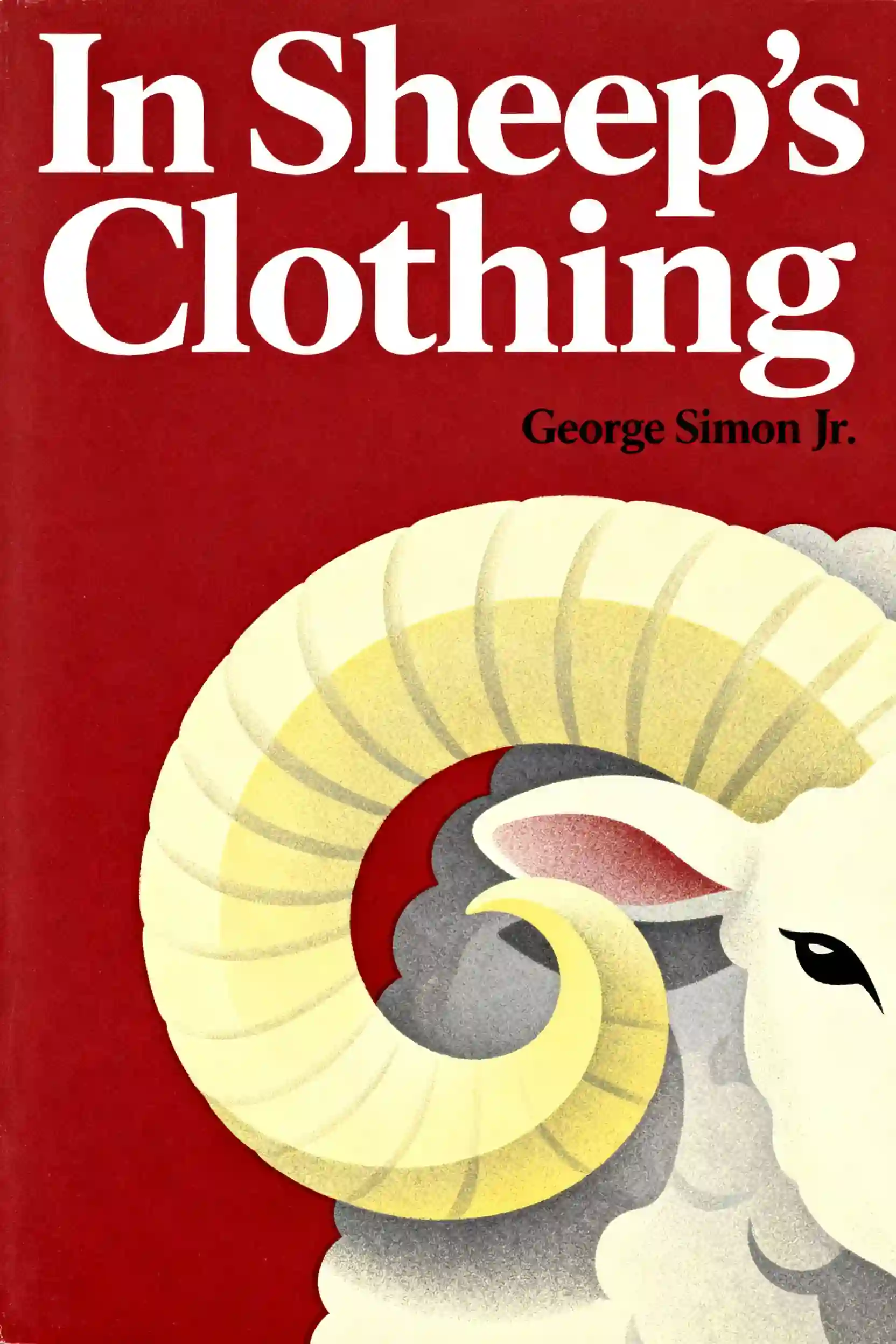
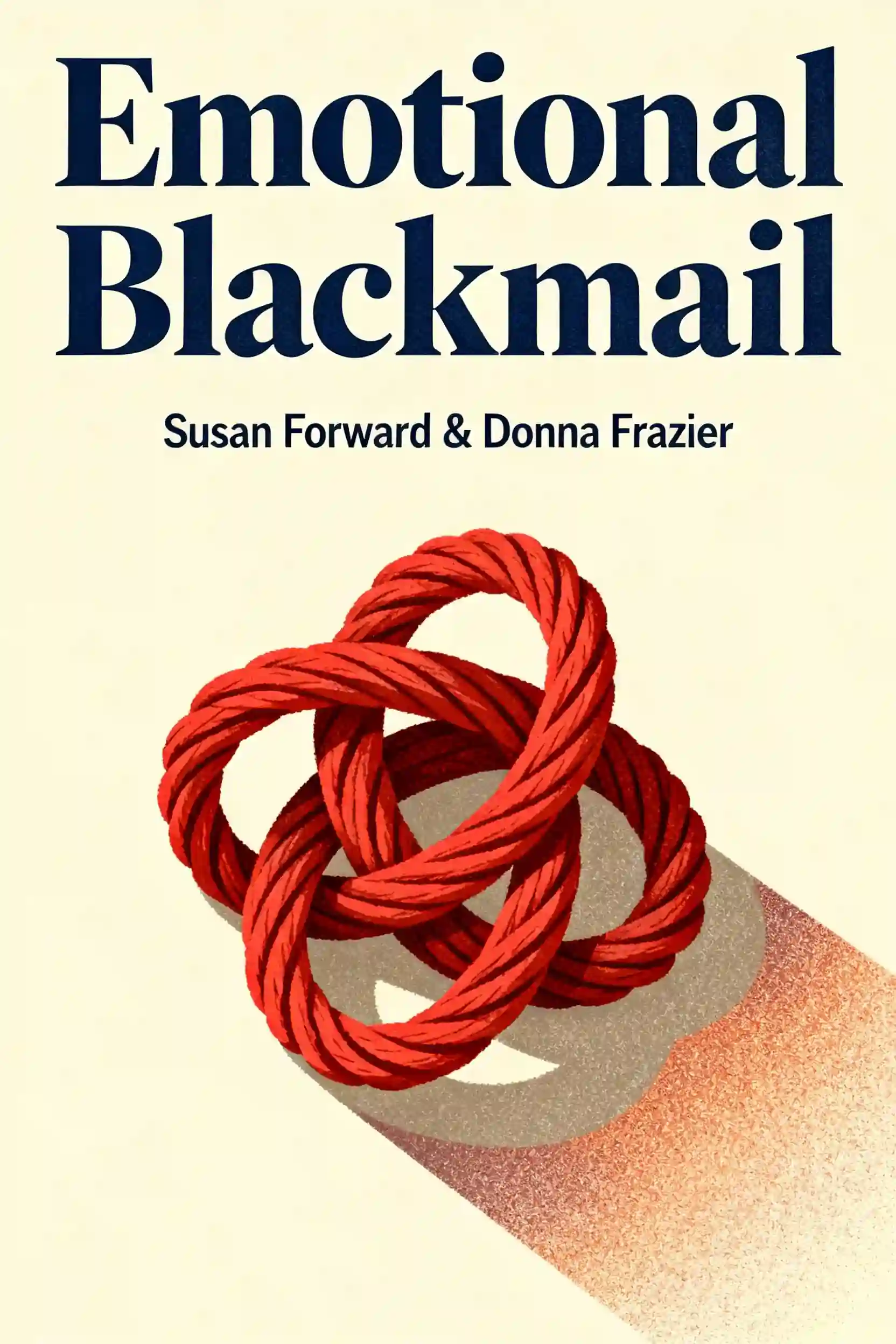
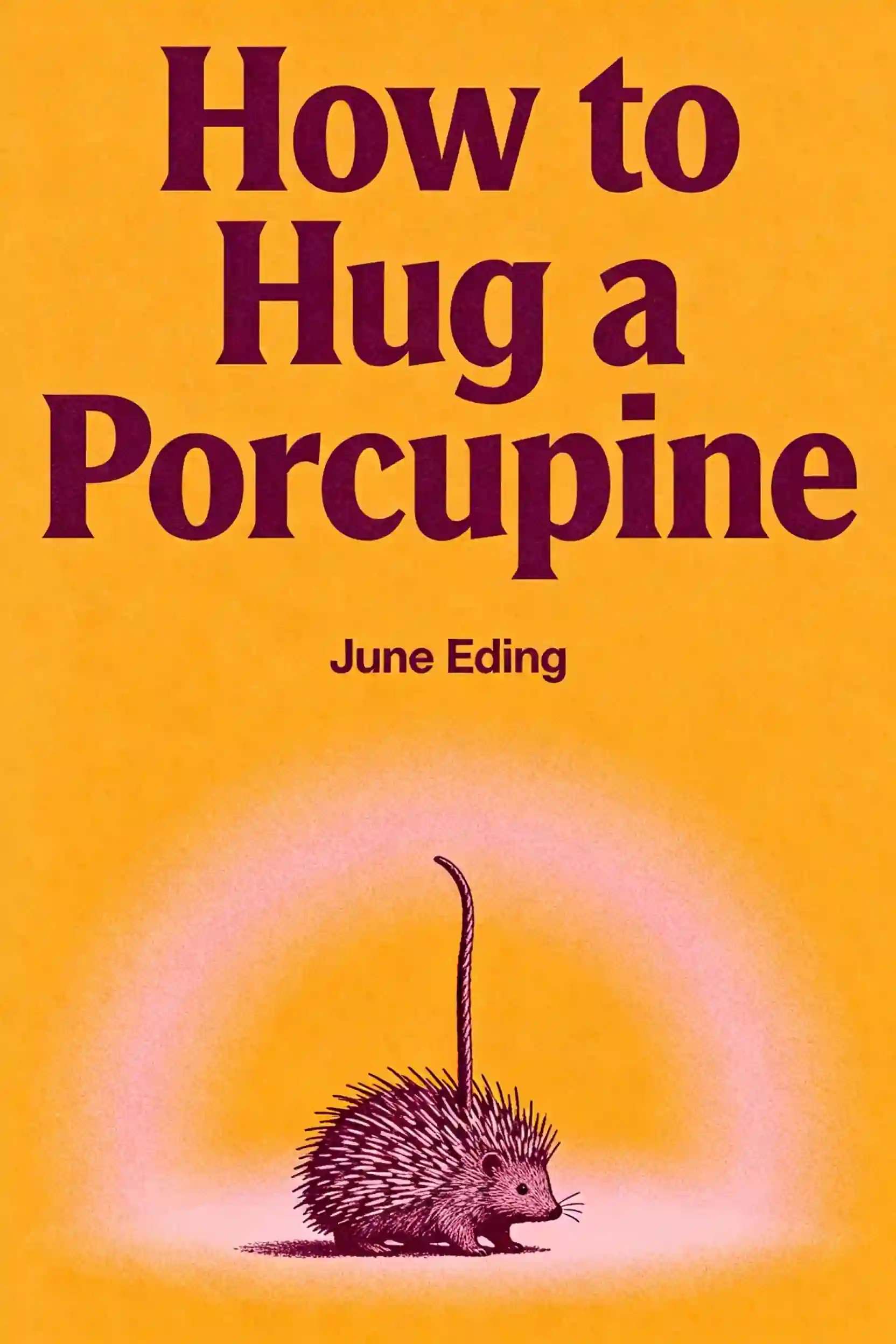
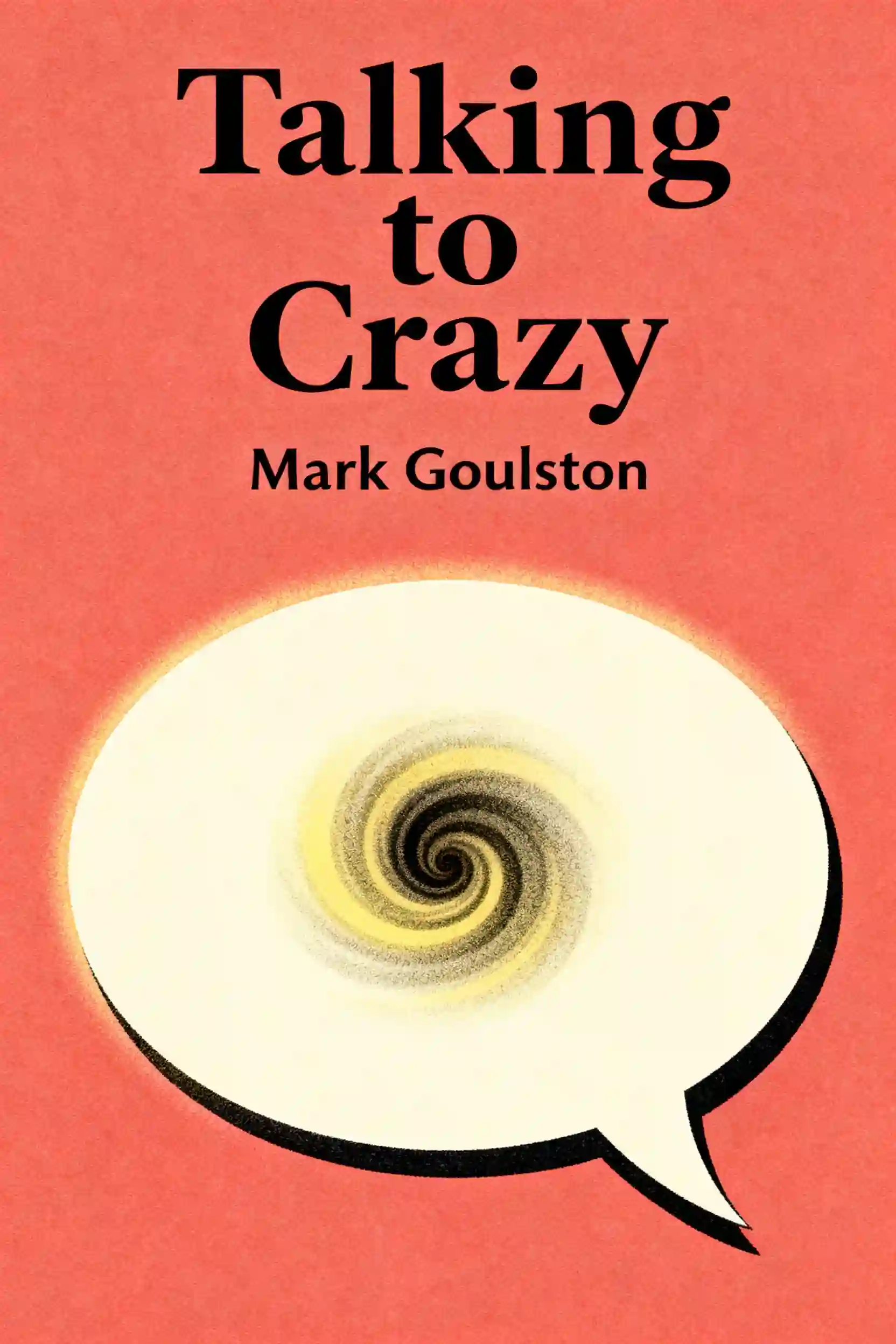
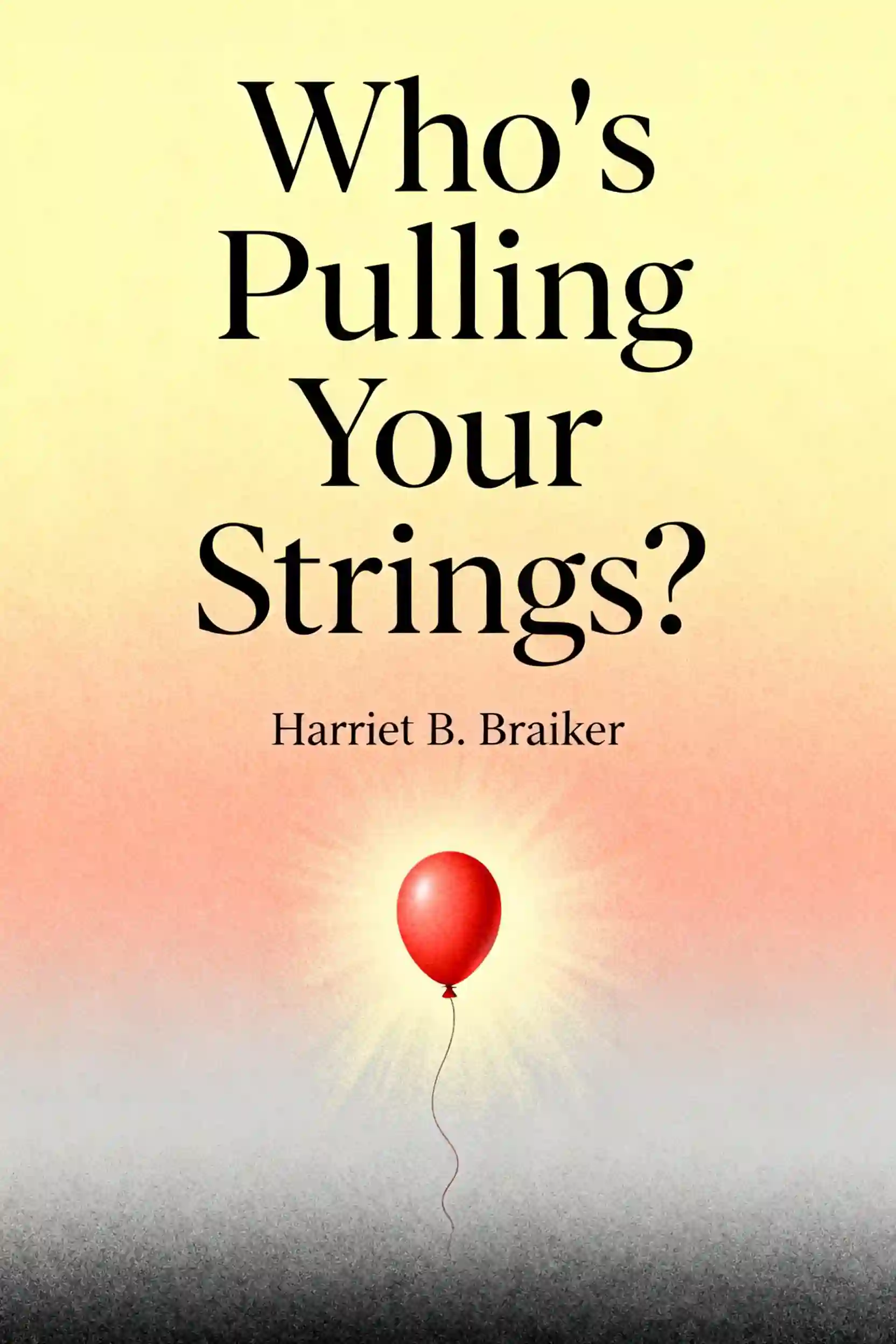
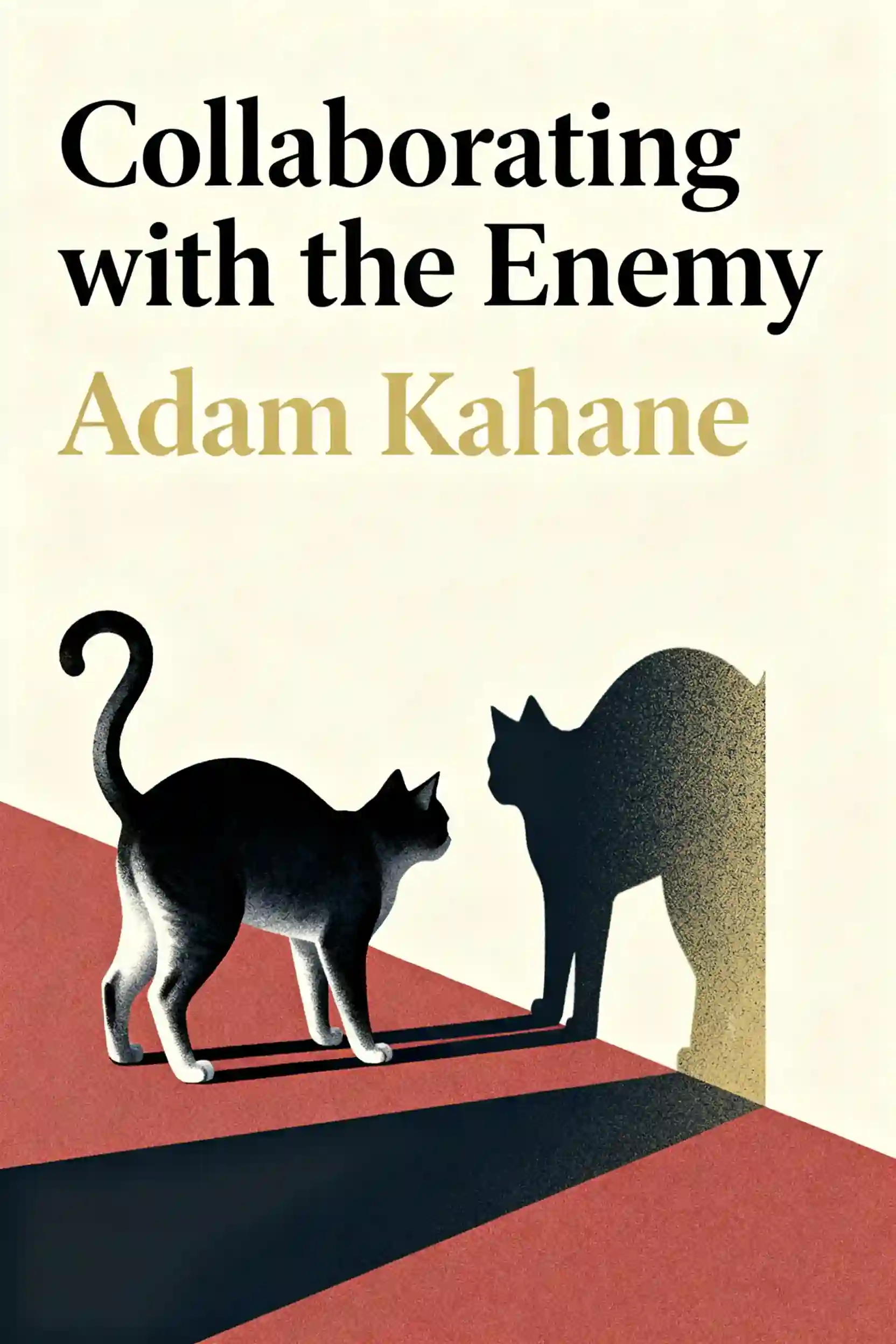
Frequently Asked Questions
Medical gaslighting occurs when a healthcare provider downplays or ignores objective data, such as test results, and instead attributes a patient's physical symptoms to psychological factors like stress or anxiety. This phenomenon is more than just a frustrating interaction; it is a failure of the duty of care that contributes to approximately 10% of patient deaths. Beyond the physical risks, it causes "neurological vandalism," where the constant distortion of reality shrinks a patient's sense of agency and rewires their brain to doubt their own physical experiences.
Providers may use "narrative framing" to define what is considered true in the room, often employing "strategic silence" or "vague feedback" to make test interpretations blurry. Another common tactic is "weaponized incompetence," where a doctor pretends a system is too complex or claims they didn't receive a file to avoid the labor of a difficult diagnosis. Some may also use "intermittent reinforcement," offering selective praise to keep a patient compliant, or "triangulation," where they cite an anonymous higher authority to shut down a patient’s dissent.
A "Paper Shield" is a strategy of rigorous documentation designed to collapse gaslighting through objective records. It consists of a three-layer backup principle: immediate personal notes taken right after a visit, periodic summaries or weekly logs of symptoms, and a critical archive of all actual test results and portal messages. By maintaining this documentation, a patient ensures that a provider’s "selective memory" or "strategic incompetence" cannot override the factual timeline of their medical care.
The BIFF method stands for Brief, Informative, Friendly, and Firm. It is a "verbal firewall" used to steer a conversation away from emotional arguments and back toward clinical facts. For example, if a doctor dismisses a result, a patient can calmly say, "I’d like to align on the documented clinical guidelines for this result; could you specify the measurable outcome that makes this unimportant?" This approach forces the provider back into a logical, strategic reasoning mode and prevents them from using the patient's emotional reaction as leverage.
Manipulative providers often target patients who are highly conscientious, over-assume responsibility, and deliver high output—such as those who bring organized binders and do extensive research. These "high-value targets" are susceptible because they often do the heavy lifting of coordinating their own care while the provider takes the credit or the fee. To counter this, patients are encouraged to move from "learned helplessness" to "sovereign action," recognizing that their confidence should be evidence-based rather than dependent on the doctor's approval.
Discover more

Prioritize self-care and reduce stress
Prioritize self-care and reduce stress
In today’s high-pressure world, chronic stress can lead to burnout and diminished health. This plan is designed for professionals and individuals seeking to regain balance through practical, science-backed self-care and resilience-building strategies.
Find stress relief resources
Find stress relief resources
Chronic stress affects millions, leading to burnout, anxiety, and health issues. This learning plan equips anyone feeling overwhelmed—whether from work pressure, life transitions, or daily demands—with science-backed strategies to find immediate relief and build lasting resilience.

Managing Stress
Managing Stress
Chronic stress has become one of the most significant health challenges of modern life, affecting productivity, relationships, and physical wellbeing. This learning plan is essential for professionals, caregivers, students, or anyone feeling overwhelmed by daily pressures who wants to regain control and build lasting resilience. By combining neuroscience, practical techniques, and sustainable habits, you'll transform stress from a destructive force into a manageable part of a balanced, thriving life.

lower anxiety
lower anxiety
Chronic stress often stems from a lack of practical tools to manage the mind's natural alarm system. This plan is designed for anyone feeling overwhelmed by persistent worry who seeks a blend of immediate relief and long-term lifestyle shifts.
Don’t be interrupted or overlooked
Don’t be interrupted or overlooked
This plan is essential for professionals who feel sidelined in meetings or overlooked for promotions. It provides the psychological tools and physical techniques needed to command respect and master workplace dynamics.
Reset out of survival mode
Reset out of survival mode
Modern life often leaves individuals trapped in a cycle of chronic stress and hypervigilance that mimics a survival state. This plan is essential for anyone feeling burnt out or stuck in reactive patterns, providing the biological insight and regulation tools needed to reclaim a sense of safety.
Work through brain fog blocking my output
Work through brain fog blocking my output
In an era of constant digital distractions and burnout, mental clarity is a competitive advantage. This plan is designed for professionals and students who feel mentally sluggish and need science-backed strategies to restore their cognitive performance and output.

How stop overthinking
How stop overthinking
In an era of constant information, many struggle with mental fatigue and paralyzed decision-making. This plan is designed for professionals and individuals seeking to regain control over their minds by transforming their relationship with worry and intrusive patterns.
From Columbia University alumni built in San Francisco
"Instead of endless scrolling, I just hit play on BeFreed. It saves me so much time."


"I never knew where to start with nonfiction—BeFreed’s book lists turned into podcasts gave me a clear path."


"Perfect balance between learning and entertainment. Finished ‘Thinking, Fast and Slow’ on my commute this week."
"Crazy how much I learned while walking the dog. BeFreed = small habits → big gains."
"Reading used to feel like a chore. Now it’s just part of my lifestyle."

"Feels effortless compared to reading. I’ve finished 6 books this month already."
"BeFreed turned my guilty doomscrolling into something that feels productive and inspiring."

"BeFreed turned my commute into learning time. 20-min podcasts are perfect for finishing books I never had time for."
"BeFreed replaced my podcast queue. Imagine Spotify for books — that’s it. 🙌"

"It is great for me to learn something from the book without reading it."
"The themed book list podcasts help me connect ideas across authors—like a guided audio journey."
"Makes me feel smarter every time before going to work"
From Columbia University alumni built in San Francisco
"Instead of endless scrolling, I just hit play on BeFreed. It saves me so much time."
"I never knew where to start with nonfiction—BeFreed’s book lists turned into podcasts gave me a clear path."
"Perfect balance between learning and entertainment. Finished ‘Thinking, Fast and Slow’ on my commute this week."
"Crazy how much I learned while walking the dog. BeFreed = small habits → big gains."
"Reading used to feel like a chore. Now it’s just part of my lifestyle."
"Feels effortless compared to reading. I’ve finished 6 books this month already."
"BeFreed turned my guilty doomscrolling into something that feels productive and inspiring."
"BeFreed turned my commute into learning time. 20-min podcasts are perfect for finishing books I never had time for."
"BeFreed replaced my podcast queue. Imagine Spotify for books — that’s it. 🙌"
"It is great for me to learn something from the book without reading it."
"The themed book list podcasts help me connect ideas across authors—like a guided audio journey."
"Makes me feel smarter every time before going to work"
"Instead of endless scrolling, I just hit play on BeFreed. It saves me so much time."
"I never knew where to start with nonfiction—BeFreed’s book lists turned into podcasts gave me a clear path."
"Perfect balance between learning and entertainment. Finished ‘Thinking, Fast and Slow’ on my commute this week."
"Crazy how much I learned while walking the dog. BeFreed = small habits → big gains."
"Reading used to feel like a chore. Now it’s just part of my lifestyle."
"Feels effortless compared to reading. I’ve finished 6 books this month already."
"BeFreed turned my guilty doomscrolling into something that feels productive and inspiring."
"BeFreed turned my commute into learning time. 20-min podcasts are perfect for finishing books I never had time for."
"BeFreed replaced my podcast queue. Imagine Spotify for books — that’s it. 🙌"
"It is great for me to learn something from the book without reading it."
"The themed book list podcasts help me connect ideas across authors—like a guided audio journey."
"Makes me feel smarter every time before going to work"
"Instead of endless scrolling, I just hit play on BeFreed. It saves me so much time."
"I never knew where to start with nonfiction—BeFreed’s book lists turned into podcasts gave me a clear path."
"Perfect balance between learning and entertainment. Finished ‘Thinking, Fast and Slow’ on my commute this week."
"Crazy how much I learned while walking the dog. BeFreed = small habits → big gains."
"Reading used to feel like a chore. Now it’s just part of my lifestyle."
"Feels effortless compared to reading. I’ve finished 6 books this month already."
"BeFreed turned my guilty doomscrolling into something that feels productive and inspiring."
"BeFreed turned my commute into learning time. 20-min podcasts are perfect for finishing books I never had time for."
"BeFreed replaced my podcast queue. Imagine Spotify for books — that’s it. 🙌"
"It is great for me to learn something from the book without reading it."
"The themed book list podcasts help me connect ideas across authors—like a guided audio journey."
"Makes me feel smarter every time before going to work"


