
When Darkness Becomes Information
Exploring how living organisms use darkness as active biological information, from plants timing their growth cycles to deep-sea creatures maintaining rhythms without sunlight.

Best quote from When Darkness Becomes Information
People with dark triad traits aren't lacking in social skills—they're using those skills strategically. It’s like having a sophisticated radar system but no moral compass to guide how you use that information.

This audio lesson was created by a BeFreed community member
Dark physiology and others

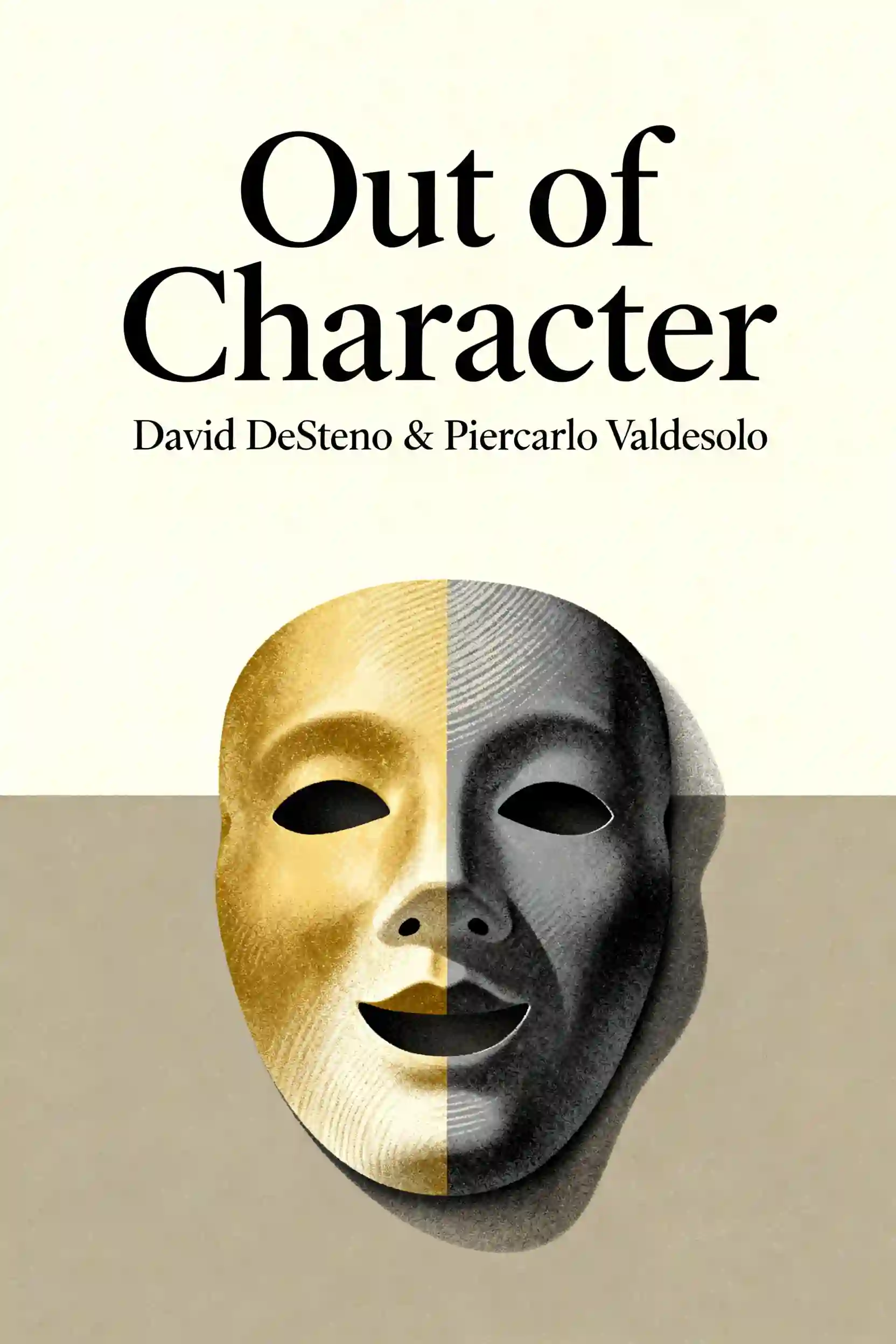
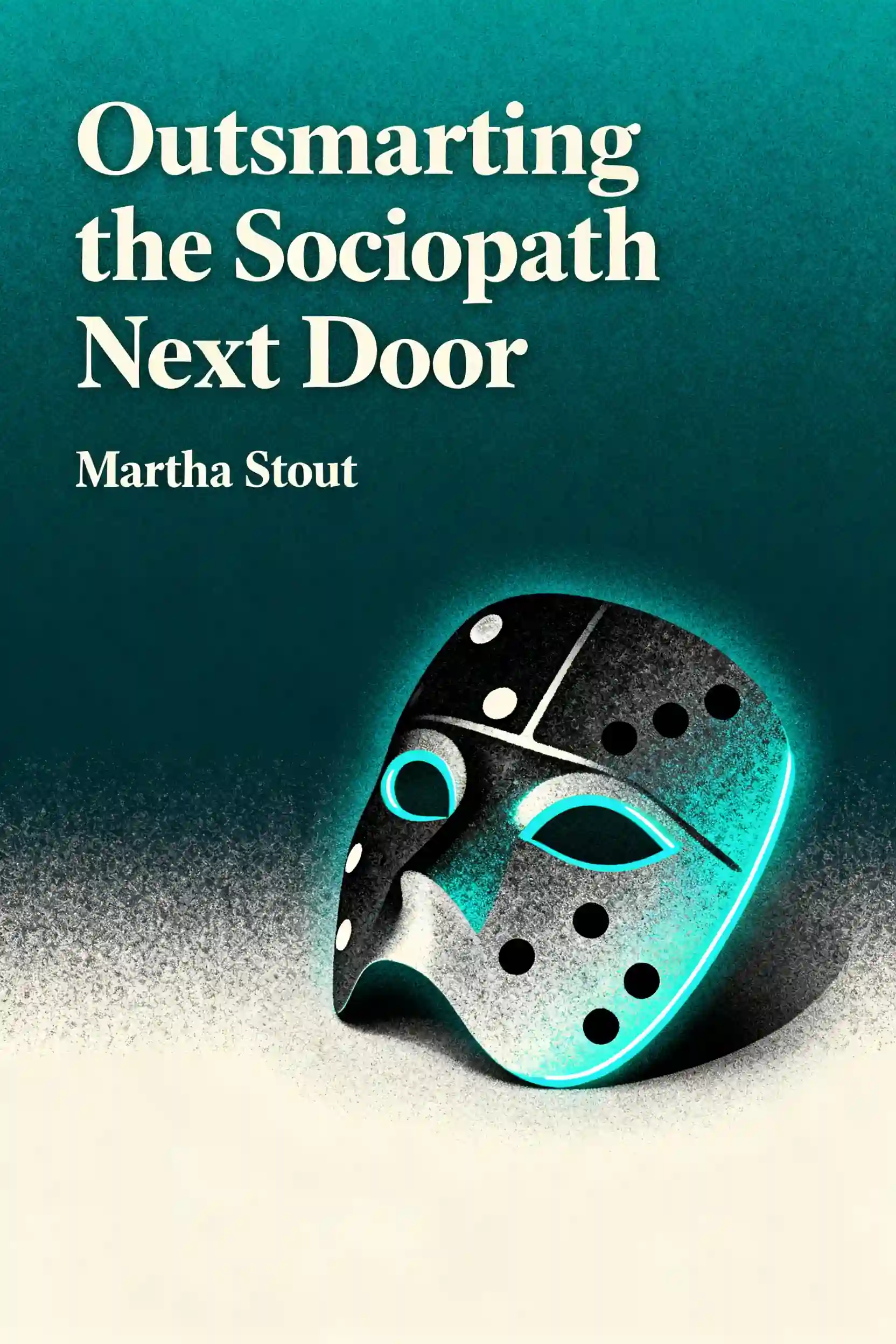
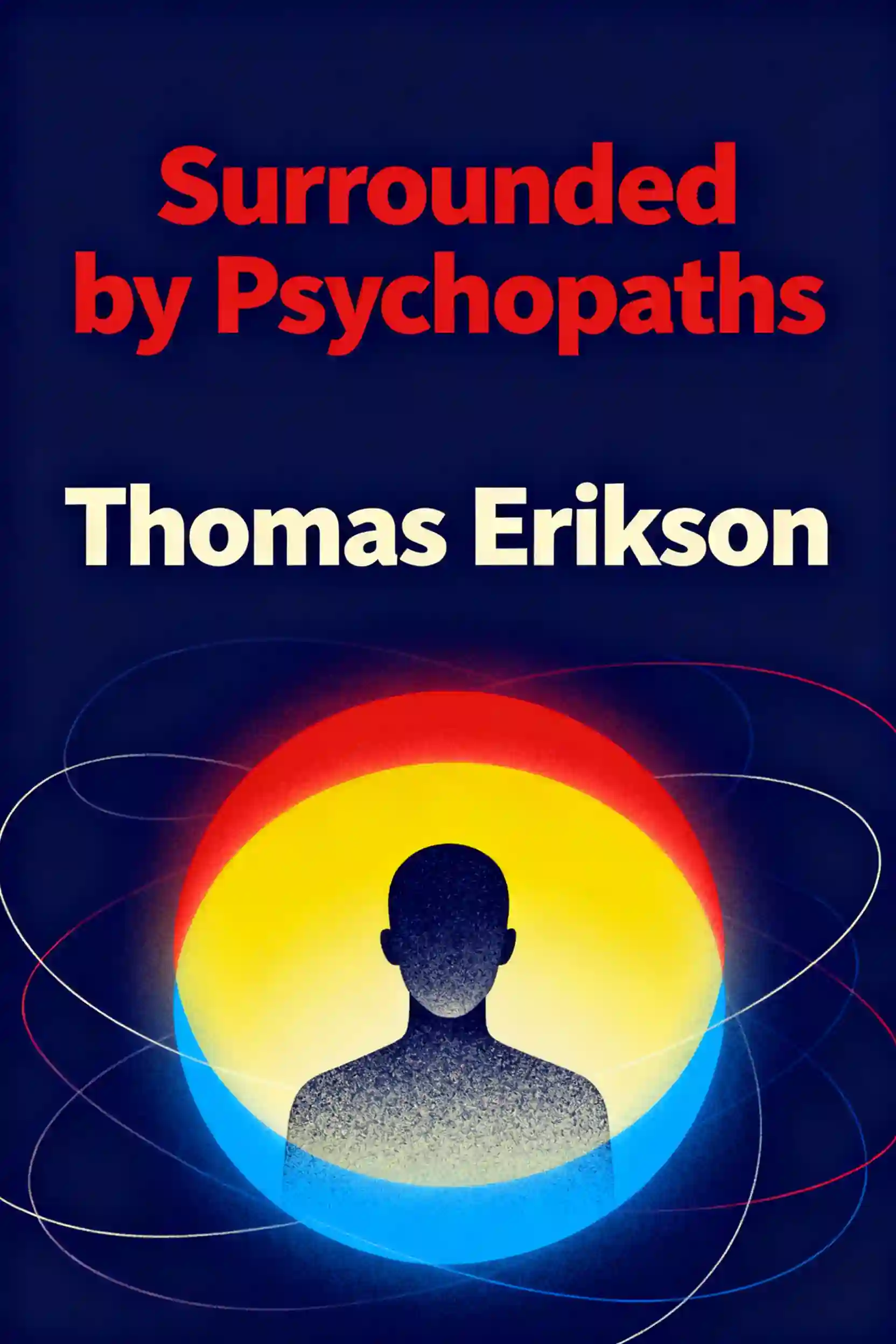
Discover more

learn body language in dark psychology
learn body language in dark psychology
Understanding the intersection of nonverbal cues and dark psychology is essential for personal protection and professional negotiation. This plan is ideal for leaders, investigators, and anyone looking to safeguard themselves against manipulation while mastering the art of reading people.

Explore dark psychology & transgression
Explore dark psychology & transgression
Dark psychology impacts our daily interactions, relationships, and decision-making processes, often without our awareness. This learning plan benefits those seeking to understand manipulative tactics, protect themselves from psychological exploitation, and gain insight into the forbidden aspects of human psychology.

Dark phycology
Dark phycology
In our increasingly complex social world, understanding dark psychology has become essential for personal protection and emotional wellbeing. This learning plan equips individuals with the knowledge to recognize manipulation tactics and defend against those who use psychological techniques to exploit others.
Dark manipulation methods
Dark manipulation methods
In an era of complex social dynamics, understanding the mechanics of psychological control is essential for self-protection. This plan is ideal for professionals and individuals seeking to safeguard their mental autonomy against predatory personality types and sophisticated influence tactics.

Master Learning: Dark Triad & Neural Models
Master Learning: Dark Triad & Neural Models
This interdisciplinary plan bridges the gap between behavioral psychology and computational neuroscience to provide a unique edge in the modern digital landscape. It is ideal for professionals and tech enthusiasts who want to master both human influence and machine learning logic to navigate complex social and technical environments.
The life of ants
The life of ants
This plan offers a deep dive into the hidden world of ants, revealing how simple organisms build highly efficient societies. It is ideal for nature enthusiasts and biology students interested in social behavior, chemical communication, and ecological evolution.
Science, Nature, Creativity & Inspiration
Science, Nature, Creativity & Inspiration
This plan bridges the gap between biological intelligence and human innovation, offering a unique perspective on how the natural world can fuel personal creativity. It is ideal for designers, scientists, and lifelong learners seeking to solve modern problems through the lens of biomimicry and neuroscience.
Study Behavior, Tech & Neuroscience
Study Behavior, Tech & Neuroscience
This learning plan is essential for understanding how the digital age reshapes our biology and daily choices. It is ideal for tech professionals, educators, and curious minds looking to master the intersection of psychology, brain science, and emerging technology.
From Columbia University alumni built in San Francisco
"Instead of endless scrolling, I just hit play on BeFreed. It saves me so much time."


"I never knew where to start with nonfiction—BeFreed’s book lists turned into podcasts gave me a clear path."


"Perfect balance between learning and entertainment. Finished ‘Thinking, Fast and Slow’ on my commute this week."
"Crazy how much I learned while walking the dog. BeFreed = small habits → big gains."
"Reading used to feel like a chore. Now it’s just part of my lifestyle."

"Feels effortless compared to reading. I’ve finished 6 books this month already."
"BeFreed turned my guilty doomscrolling into something that feels productive and inspiring."

"BeFreed turned my commute into learning time. 20-min podcasts are perfect for finishing books I never had time for."
"BeFreed replaced my podcast queue. Imagine Spotify for books — that’s it. 🙌"

"It is great for me to learn something from the book without reading it."
"The themed book list podcasts help me connect ideas across authors—like a guided audio journey."
"Makes me feel smarter every time before going to work"
From Columbia University alumni built in San Francisco
"Instead of endless scrolling, I just hit play on BeFreed. It saves me so much time."
"I never knew where to start with nonfiction—BeFreed’s book lists turned into podcasts gave me a clear path."
"Perfect balance between learning and entertainment. Finished ‘Thinking, Fast and Slow’ on my commute this week."
"Crazy how much I learned while walking the dog. BeFreed = small habits → big gains."
"Reading used to feel like a chore. Now it’s just part of my lifestyle."
"Feels effortless compared to reading. I’ve finished 6 books this month already."
"BeFreed turned my guilty doomscrolling into something that feels productive and inspiring."
"BeFreed turned my commute into learning time. 20-min podcasts are perfect for finishing books I never had time for."
"BeFreed replaced my podcast queue. Imagine Spotify for books — that’s it. 🙌"
"It is great for me to learn something from the book without reading it."
"The themed book list podcasts help me connect ideas across authors—like a guided audio journey."
"Makes me feel smarter every time before going to work"
"Instead of endless scrolling, I just hit play on BeFreed. It saves me so much time."
"I never knew where to start with nonfiction—BeFreed’s book lists turned into podcasts gave me a clear path."
"Perfect balance between learning and entertainment. Finished ‘Thinking, Fast and Slow’ on my commute this week."
"Crazy how much I learned while walking the dog. BeFreed = small habits → big gains."
"Reading used to feel like a chore. Now it’s just part of my lifestyle."
"Feels effortless compared to reading. I’ve finished 6 books this month already."
"BeFreed turned my guilty doomscrolling into something that feels productive and inspiring."
"BeFreed turned my commute into learning time. 20-min podcasts are perfect for finishing books I never had time for."
"BeFreed replaced my podcast queue. Imagine Spotify for books — that’s it. 🙌"
"It is great for me to learn something from the book without reading it."
"The themed book list podcasts help me connect ideas across authors—like a guided audio journey."
"Makes me feel smarter every time before going to work"
"Instead of endless scrolling, I just hit play on BeFreed. It saves me so much time."
"I never knew where to start with nonfiction—BeFreed’s book lists turned into podcasts gave me a clear path."
"Perfect balance between learning and entertainment. Finished ‘Thinking, Fast and Slow’ on my commute this week."
"Crazy how much I learned while walking the dog. BeFreed = small habits → big gains."
"Reading used to feel like a chore. Now it’s just part of my lifestyle."
"Feels effortless compared to reading. I’ve finished 6 books this month already."
"BeFreed turned my guilty doomscrolling into something that feels productive and inspiring."
"BeFreed turned my commute into learning time. 20-min podcasts are perfect for finishing books I never had time for."
"BeFreed replaced my podcast queue. Imagine Spotify for books — that’s it. 🙌"
"It is great for me to learn something from the book without reading it."
"The themed book list podcasts help me connect ideas across authors—like a guided audio journey."
"Makes me feel smarter every time before going to work"


