
Unmasking the Predator: Protecting Your Empathetic Heart
Learn to identify the subtle somatic alarms and predatory micro-cues narcissists use to target kind souls. This guide offers a practical playbook for breaking trauma bonds and reclaiming your power.

Best quote from Unmasking the Predator: Protecting Your Empathetic Heart
Healthy empathy says, 'I understand your pain, but I won't let you hurt me.' Weaponized empathy says, 'I understand your pain, so I will let you hurt me as much as you need to feel better.'

This audio lesson was created by a BeFreed community member
I’m a very empathetic kind and giving person easy to trust anyone in my past I have had a man whom I had a three year on and off affair with take advantage of me. He is now engaged to someone else I don’t want to repeat this mistake in a relationship so can you give me a lesson on what a narcissist does to take advantage of a person. How do they look for pray? What micro expressions and cues do they give off.? How can I avoid being taken advantage of us?

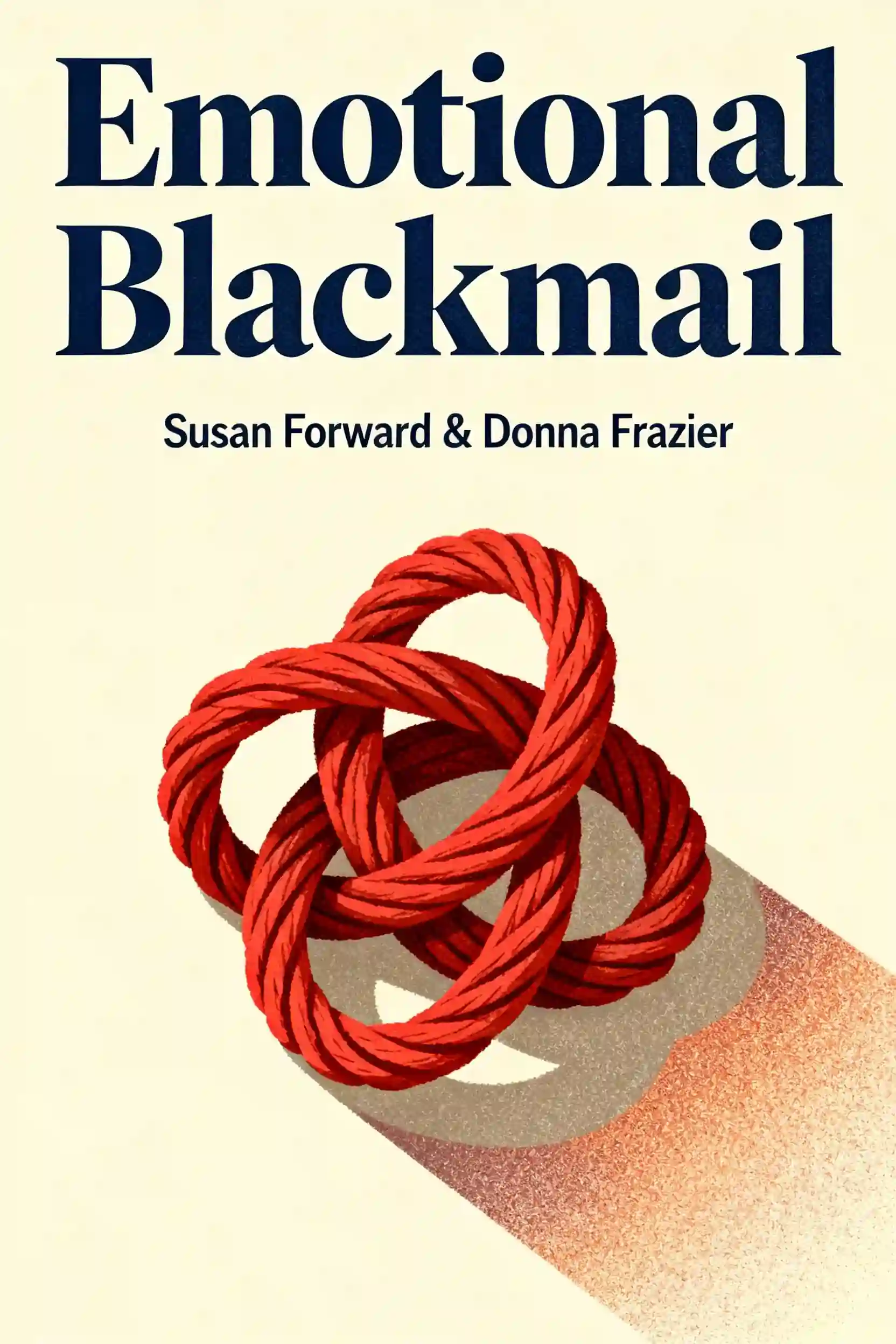
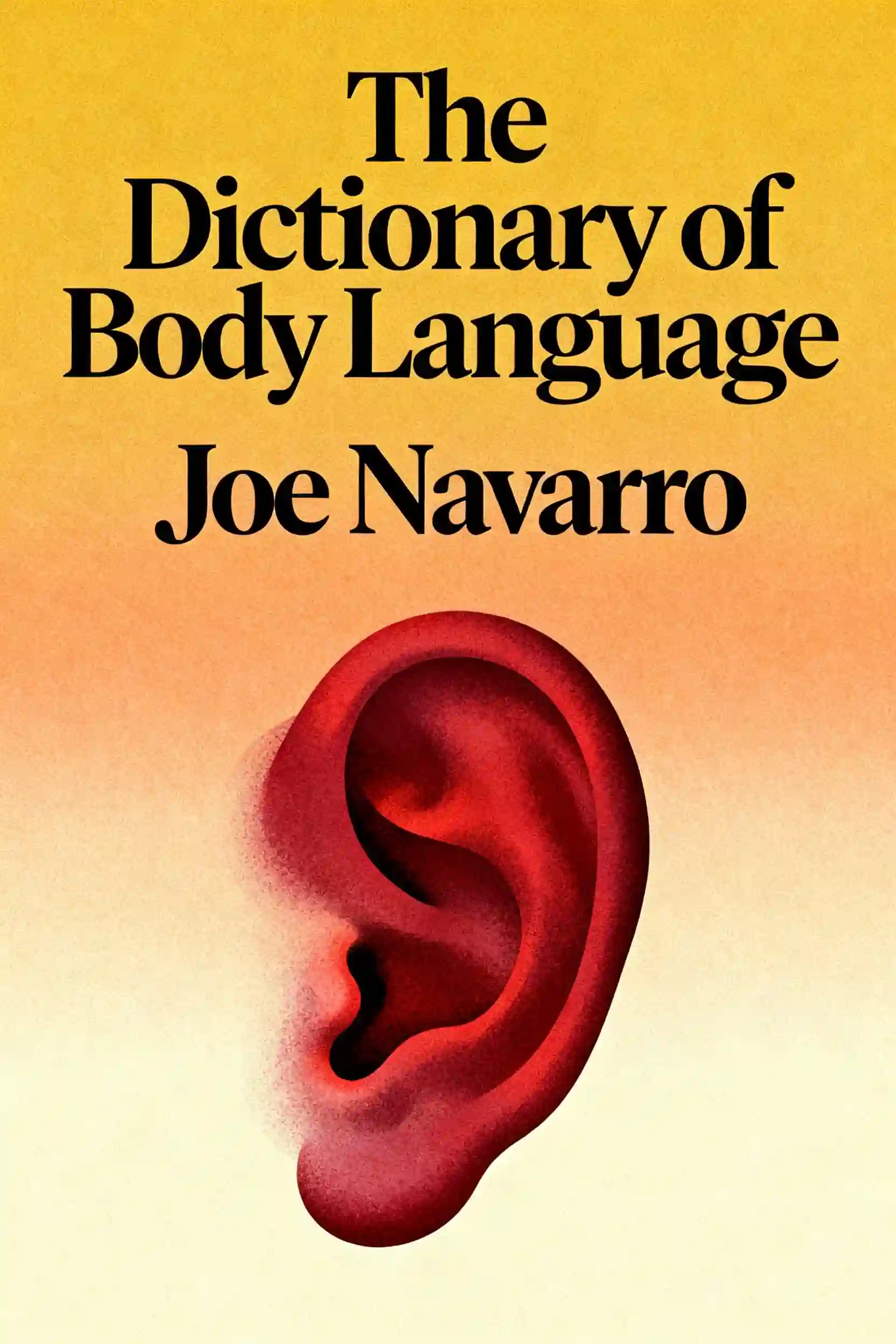
Frequently Asked Questions
According to the script, your body often acts as a somatic alarm bell through "brain-gut" tension or literal stomach aches. Specific physical cues to watch for include the "predator stare," which is an intense gaze lacking emotional warmth or resonance, and "duper’s delight," a fleeting micro-expression or half-smile that appears when a manipulator feels they have successfully deceived you. You might also notice a "one-second lag" in their emotional responses, as they must cognitively decide which facial expression to fake rather than reacting naturally.
Narcissists scan for what is called an "empathy signature." They aren't looking for weak targets; they are looking for "high emotional yield" individuals who are natural givers, make excuses for others, or apologize reflexively. These traits make a person an "emotional battery" that a predator can plug into. Manipulators often test this early on by sharing intense "sob stories" to see if you will overstep your own boundaries to "fix" or "heal" them, effectively auditioning you for the role of maintaining the relationship for both parties.
A trauma bond is a physiological addiction built on "intermittent reinforcement," similar to the pull of a slot machine. The narcissist alternates between intense love-bombing and cruel devaluation, causing your brain to receive a massive hit of dopamine whenever they offer a small "crumb" of affection. This creates a chemical dependency where you constantly chase the "high" of the initial idealization phase. The bond is further strengthened by "weaponized empathy," where your own integrity and desire to help others are used to keep you trapped in a cycle of self-abandonment.
The "No Test" involves setting a small, reasonable boundary early in a relationship, such as declining a specific date time, to observe the person's reaction; a healthy person will be flexible, while a manipulator may attempt to negotiate or guilt-trip you. If you must interact with a toxic person, the "Grey Rock" strategy involves becoming as uninteresting as a dull rock by giving short, non-committal answers like "Okay" or "I see." By remaining emotionally non-reactive, you starve the manipulator of the emotional "supply" they crave, eventually causing them to lose interest.
Discover more

dark psychology
dark psychology
In an increasingly complex social landscape, understanding the mechanics of predatory behavior is essential for personal safety. This plan is designed for anyone seeking to safeguard their mental well-being and navigate interpersonal dynamics with greater awareness and resilience.

Move past narc dynamics
Move past narc dynamics
This learning plan is designed for anyone recovering from relationships with narcissistic individuals or recognizing patterns of emotional manipulation in their life. It's particularly valuable for those who feel trapped in toxic dynamics, struggle with codependency, or are ready to break free from abusive relationships and rebuild their sense of self-worth. Whether you're currently in a difficult situation or healing from past experiences, this plan provides the tools to understand what happened, protect yourself, and create healthier connections moving forward.

Escape narc abuse & DID exploitation
Escape narc abuse & DID exploitation
This plan is essential for survivors of complex trauma who face the dual challenge of narcissistic abuse and dissociative identity. It provides a roadmap for those seeking to understand their neurological responses and safely transition from exploitation to empowered recovery.

Manipulation
Manipulation
This plan is essential for anyone looking to navigate complex social dynamics and protect their mental well-being from predatory behavior. It is particularly beneficial for individuals recovering from toxic environments or professionals seeking to master ethical persuasion while maintaining strong personal boundaries.

Heal childhood patterns and master emotions
Heal childhood patterns and master emotions
This plan is designed for individuals seeking to break cycles of reactive behavior and heal from past emotional wounds. It bridges the gap between scientific emotional regulation and deep psychological healing for anyone ready to build a resilient, compassionate identity.

Heal trauma to regain control
Heal trauma to regain control
This learning plan is essential for anyone struggling with the lasting effects of trauma who feels stuck in survival mode or disconnected from their body. It's particularly valuable for those who've tried traditional therapy but still experience triggers, hypervigilance, or emotional numbness, offering a comprehensive approach that addresses trauma where it lives—in the nervous system and body.
Manage Toxic People & Set Firm Boundaries
Manage Toxic People & Set Firm Boundaries
This plan is essential for anyone feeling drained by manipulative relationships or struggling to maintain personal limits. It provides practical tools for professionals and individuals to regain control through assertive communication and emotional healing.
To understand human tactics
To understand human tactics
This plan is essential for professionals and individuals seeking to master social dynamics and protect themselves from manipulation. It provides a comprehensive toolkit for anyone looking to improve their influence, communication, and psychological resilience.
From Columbia University alumni built in San Francisco
"Instead of endless scrolling, I just hit play on BeFreed. It saves me so much time."


"I never knew where to start with nonfiction—BeFreed’s book lists turned into podcasts gave me a clear path."


"Perfect balance between learning and entertainment. Finished ‘Thinking, Fast and Slow’ on my commute this week."
"Crazy how much I learned while walking the dog. BeFreed = small habits → big gains."
"Reading used to feel like a chore. Now it’s just part of my lifestyle."

"Feels effortless compared to reading. I’ve finished 6 books this month already."
"BeFreed turned my guilty doomscrolling into something that feels productive and inspiring."

"BeFreed turned my commute into learning time. 20-min podcasts are perfect for finishing books I never had time for."
"BeFreed replaced my podcast queue. Imagine Spotify for books — that’s it. 🙌"

"It is great for me to learn something from the book without reading it."
"The themed book list podcasts help me connect ideas across authors—like a guided audio journey."
"Makes me feel smarter every time before going to work"
From Columbia University alumni built in San Francisco
"Instead of endless scrolling, I just hit play on BeFreed. It saves me so much time."
"I never knew where to start with nonfiction—BeFreed’s book lists turned into podcasts gave me a clear path."
"Perfect balance between learning and entertainment. Finished ‘Thinking, Fast and Slow’ on my commute this week."
"Crazy how much I learned while walking the dog. BeFreed = small habits → big gains."
"Reading used to feel like a chore. Now it’s just part of my lifestyle."
"Feels effortless compared to reading. I’ve finished 6 books this month already."
"BeFreed turned my guilty doomscrolling into something that feels productive and inspiring."
"BeFreed turned my commute into learning time. 20-min podcasts are perfect for finishing books I never had time for."
"BeFreed replaced my podcast queue. Imagine Spotify for books — that’s it. 🙌"
"It is great for me to learn something from the book without reading it."
"The themed book list podcasts help me connect ideas across authors—like a guided audio journey."
"Makes me feel smarter every time before going to work"
"Instead of endless scrolling, I just hit play on BeFreed. It saves me so much time."
"I never knew where to start with nonfiction—BeFreed’s book lists turned into podcasts gave me a clear path."
"Perfect balance between learning and entertainment. Finished ‘Thinking, Fast and Slow’ on my commute this week."
"Crazy how much I learned while walking the dog. BeFreed = small habits → big gains."
"Reading used to feel like a chore. Now it’s just part of my lifestyle."
"Feels effortless compared to reading. I’ve finished 6 books this month already."
"BeFreed turned my guilty doomscrolling into something that feels productive and inspiring."
"BeFreed turned my commute into learning time. 20-min podcasts are perfect for finishing books I never had time for."
"BeFreed replaced my podcast queue. Imagine Spotify for books — that’s it. 🙌"
"It is great for me to learn something from the book without reading it."
"The themed book list podcasts help me connect ideas across authors—like a guided audio journey."
"Makes me feel smarter every time before going to work"
"Instead of endless scrolling, I just hit play on BeFreed. It saves me so much time."
"I never knew where to start with nonfiction—BeFreed’s book lists turned into podcasts gave me a clear path."
"Perfect balance between learning and entertainment. Finished ‘Thinking, Fast and Slow’ on my commute this week."
"Crazy how much I learned while walking the dog. BeFreed = small habits → big gains."
"Reading used to feel like a chore. Now it’s just part of my lifestyle."
"Feels effortless compared to reading. I’ve finished 6 books this month already."
"BeFreed turned my guilty doomscrolling into something that feels productive and inspiring."
"BeFreed turned my commute into learning time. 20-min podcasts are perfect for finishing books I never had time for."
"BeFreed replaced my podcast queue. Imagine Spotify for books — that’s it. 🙌"
"It is great for me to learn something from the book without reading it."
"The themed book list podcasts help me connect ideas across authors—like a guided audio journey."
"Makes me feel smarter every time before going to work"


