
Two Struggles, One Sacred Journey
Discover how the battle against lust and the desire to believe in God are actually the same journey toward finding what truly satisfies your deepest longings.

Best quote from Two Struggles, One Sacred Journey
Spiritual disciplines are not rewards for being good enough; they are tools that help us stay connected to the source of our strength, especially when we're struggling.

This audio lesson was created by a BeFreed community member
How to believe in God and how to stop lust

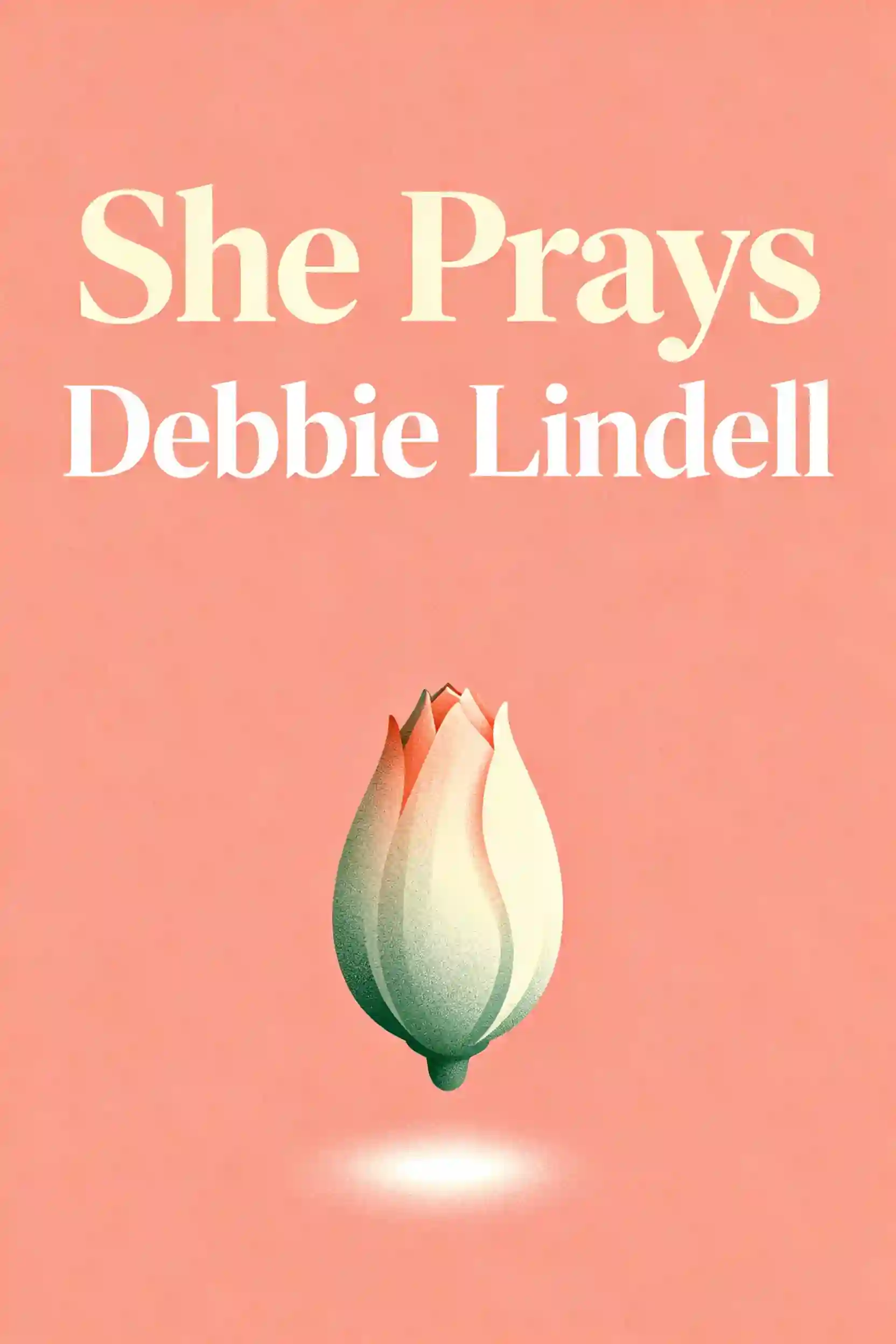
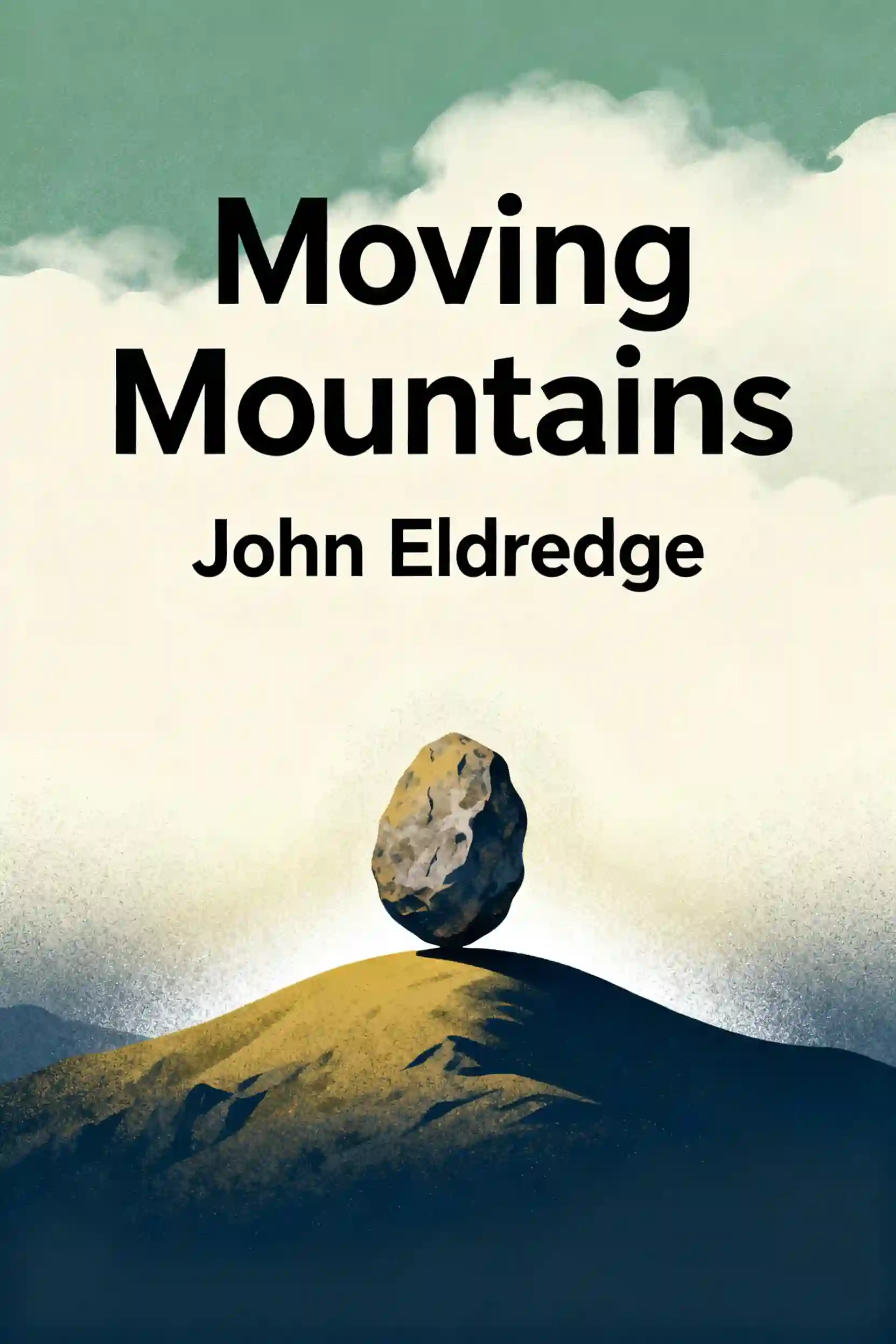
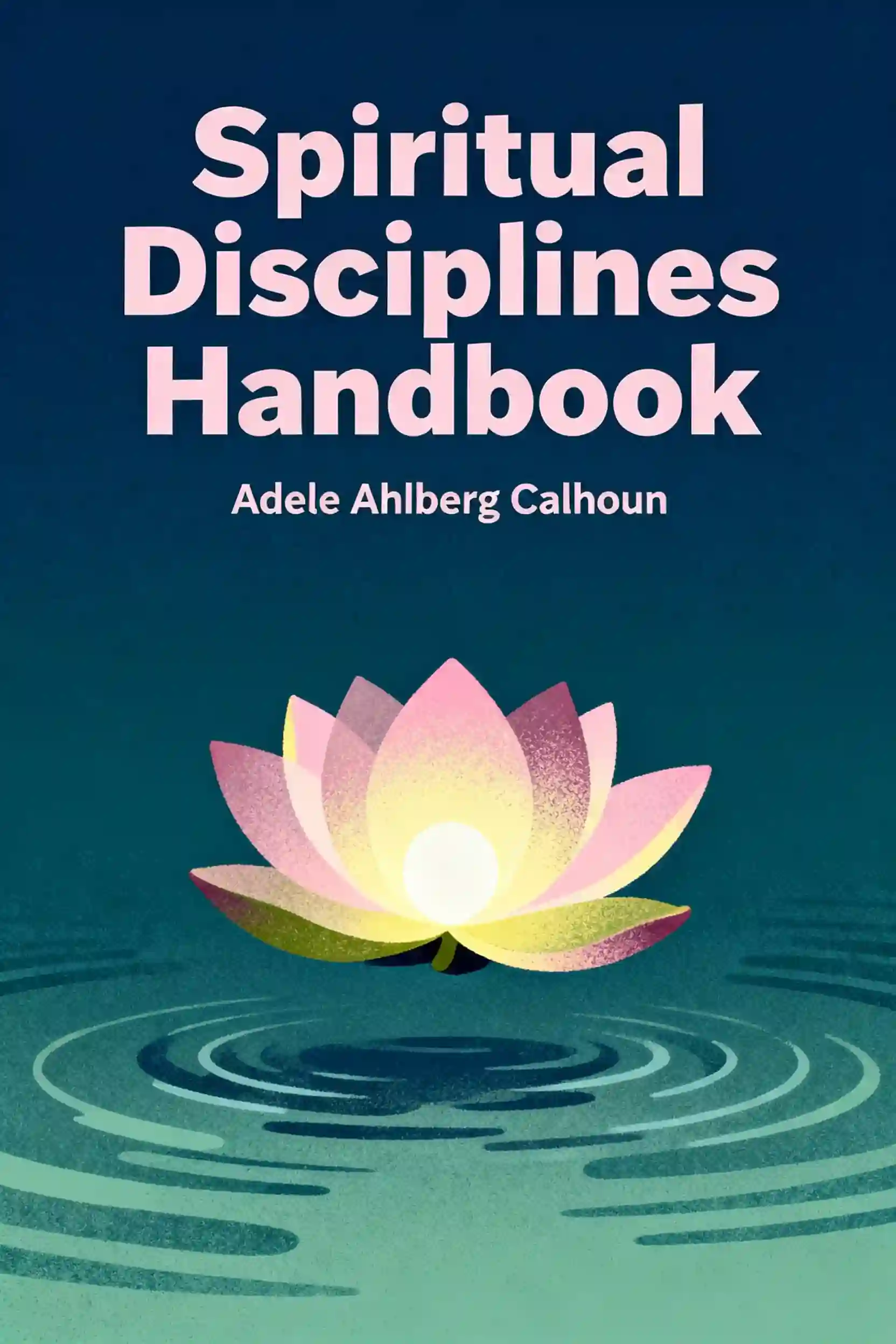
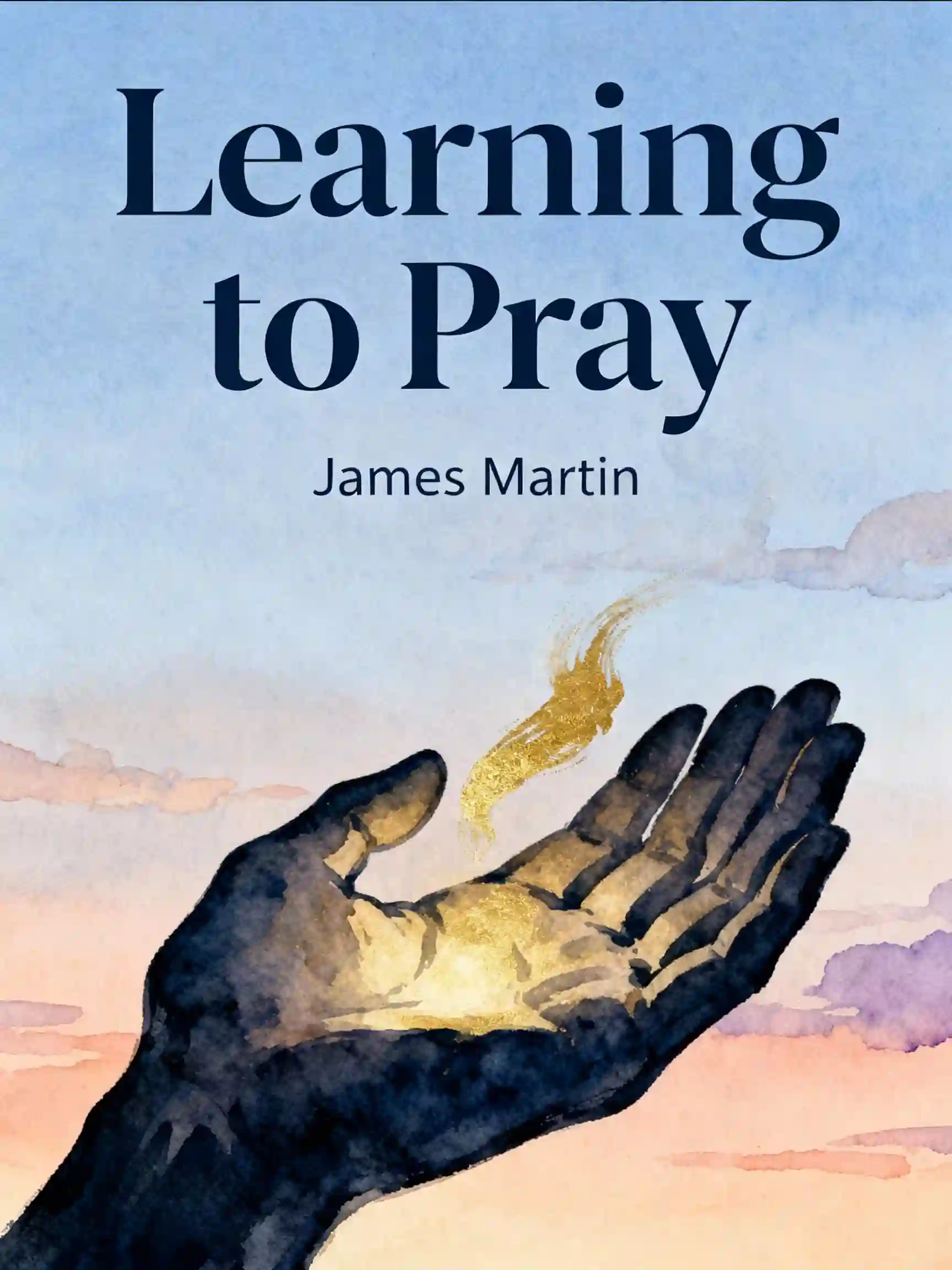
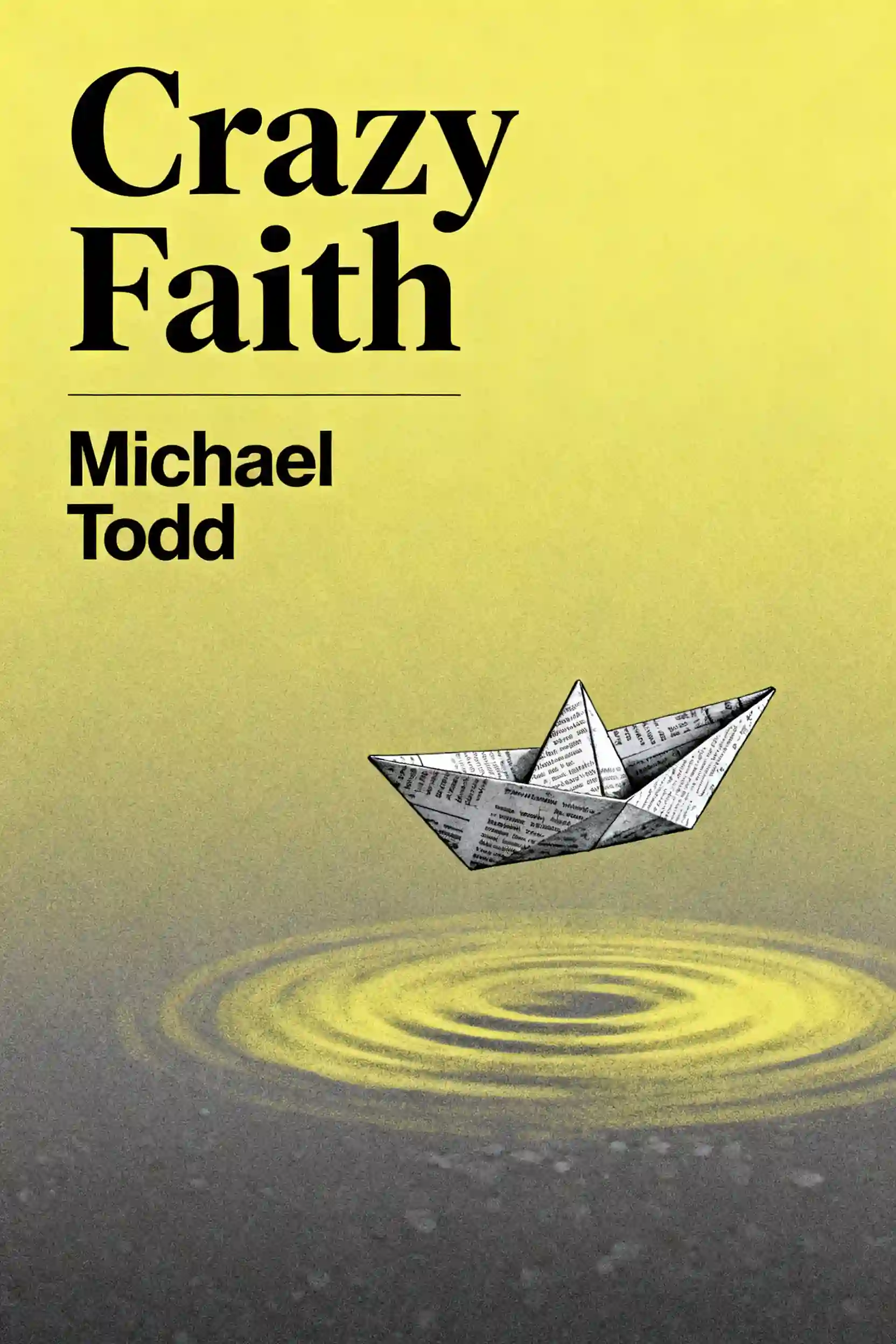
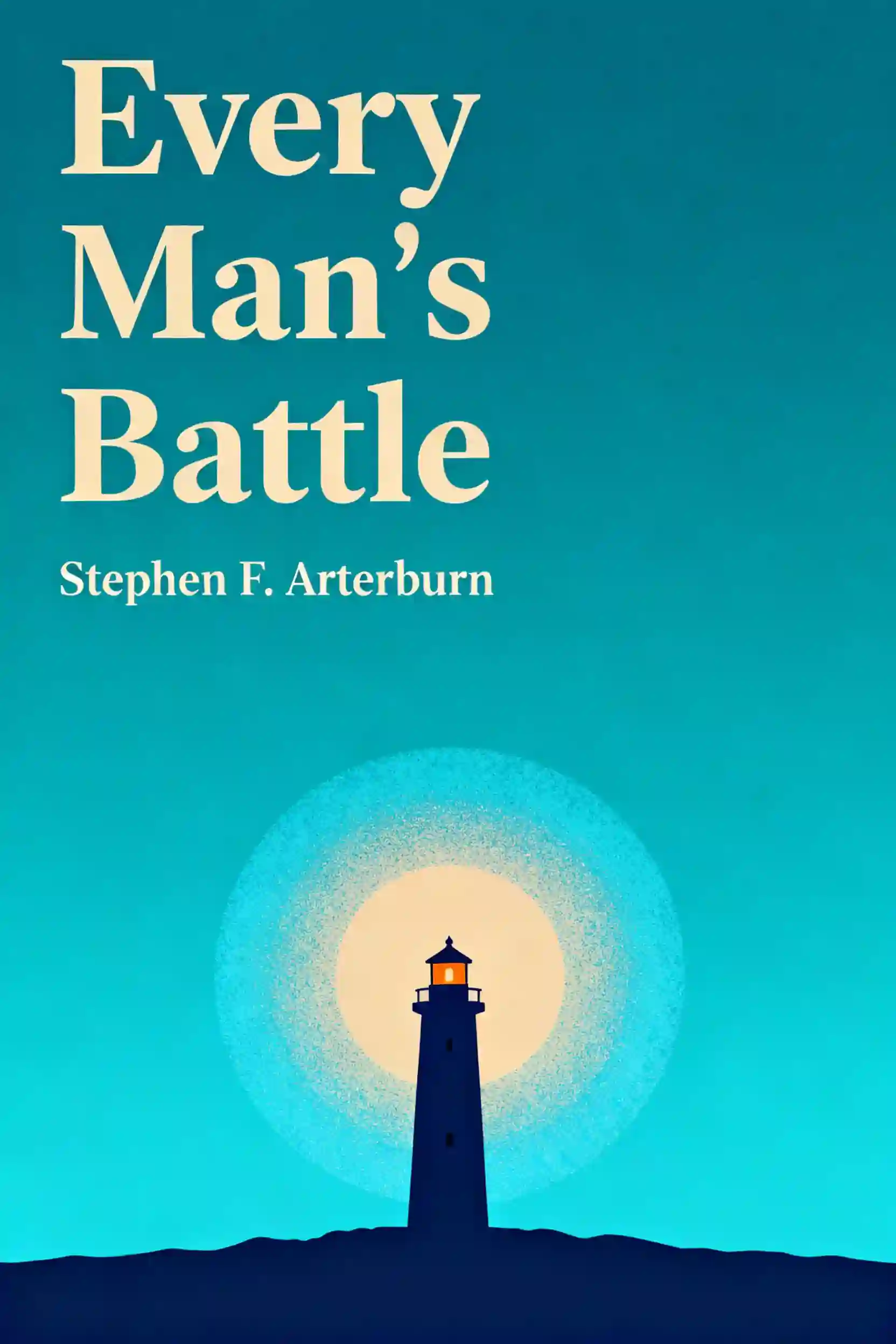
Discover more

Explore Desire, Pleasure, and Identity
Explore Desire, Pleasure, and Identity
This plan is essential for individuals seeking deeper self-awareness and a more intentional approach to satisfaction. It benefits anyone looking to reconcile their personal drives with their true identity while navigating the ethics of modern fulfillment.
Stop lust and gluttony
Stop lust and gluttony
This plan is designed for individuals seeking to reclaim control over compulsive urges by blending neuroscience with spiritual growth. It provides a practical roadmap for anyone struggling with physical cravings who wants to build a life of discipline and integrity.
Defeat lust
Defeat lust
This learning plan is designed for individuals seeking to regain control over compulsive sexual urges by blending neuroscience with practical recovery tools. It provides a structured path for anyone struggling with pornography or lust who wants to build lasting mental discipline and emotional mastery.

Desire, Relationships, Pleasure & Growth
Desire, Relationships, Pleasure & Growth
This plan is essential for anyone seeking to align their biological drives with long-term emotional fulfillment. It is designed for individuals looking to deepen their interpersonal connections and transform their personal desires into a catalyst for self-mastery and growth.

Grow closer to Christ
Grow closer to Christ
This plan is designed for believers seeking to move beyond surface-level religion into a deep, transformative relationship with God. It is ideal for anyone feeling spiritually stagnant who desires to cultivate authentic intimacy and Christlike character in their daily walk.
To boost my connection with Jesus
To boost my connection with Jesus
This plan is designed for individuals seeking to move beyond surface-level religion into a vibrant, personal walk with Christ. It is ideal for anyone feeling spiritually stagnant who desires practical tools for daily intimacy and heart transformation.

Grow closer to God and understand the Bible
Grow closer to God and understand the Bible
This plan is essential for anyone seeking a more profound, structured connection with their faith. It is designed for both new believers and long-time Christians who want to move beyond routine and experience true spiritual intimacy.

Faith, marriage, love & Jesus
Faith, marriage, love & Jesus
This learning plan is essential for anyone seeking to align their romantic relationships and marriage with Christian values and biblical truth. It's particularly valuable for couples preparing for marriage, newlyweds building their foundation, or anyone wanting to deepen their faith while navigating the complexities of love and commitment in today's world.
From Columbia University alumni built in San Francisco
"Instead of endless scrolling, I just hit play on BeFreed. It saves me so much time."


"I never knew where to start with nonfiction—BeFreed’s book lists turned into podcasts gave me a clear path."


"Perfect balance between learning and entertainment. Finished ‘Thinking, Fast and Slow’ on my commute this week."
"Crazy how much I learned while walking the dog. BeFreed = small habits → big gains."
"Reading used to feel like a chore. Now it’s just part of my lifestyle."

"Feels effortless compared to reading. I’ve finished 6 books this month already."
"BeFreed turned my guilty doomscrolling into something that feels productive and inspiring."

"BeFreed turned my commute into learning time. 20-min podcasts are perfect for finishing books I never had time for."
"BeFreed replaced my podcast queue. Imagine Spotify for books — that’s it. 🙌"

"It is great for me to learn something from the book without reading it."
"The themed book list podcasts help me connect ideas across authors—like a guided audio journey."
"Makes me feel smarter every time before going to work"
From Columbia University alumni built in San Francisco
"Instead of endless scrolling, I just hit play on BeFreed. It saves me so much time."
"I never knew where to start with nonfiction—BeFreed’s book lists turned into podcasts gave me a clear path."
"Perfect balance between learning and entertainment. Finished ‘Thinking, Fast and Slow’ on my commute this week."
"Crazy how much I learned while walking the dog. BeFreed = small habits → big gains."
"Reading used to feel like a chore. Now it’s just part of my lifestyle."
"Feels effortless compared to reading. I’ve finished 6 books this month already."
"BeFreed turned my guilty doomscrolling into something that feels productive and inspiring."
"BeFreed turned my commute into learning time. 20-min podcasts are perfect for finishing books I never had time for."
"BeFreed replaced my podcast queue. Imagine Spotify for books — that’s it. 🙌"
"It is great for me to learn something from the book without reading it."
"The themed book list podcasts help me connect ideas across authors—like a guided audio journey."
"Makes me feel smarter every time before going to work"
"Instead of endless scrolling, I just hit play on BeFreed. It saves me so much time."
"I never knew where to start with nonfiction—BeFreed’s book lists turned into podcasts gave me a clear path."
"Perfect balance between learning and entertainment. Finished ‘Thinking, Fast and Slow’ on my commute this week."
"Crazy how much I learned while walking the dog. BeFreed = small habits → big gains."
"Reading used to feel like a chore. Now it’s just part of my lifestyle."
"Feels effortless compared to reading. I’ve finished 6 books this month already."
"BeFreed turned my guilty doomscrolling into something that feels productive and inspiring."
"BeFreed turned my commute into learning time. 20-min podcasts are perfect for finishing books I never had time for."
"BeFreed replaced my podcast queue. Imagine Spotify for books — that’s it. 🙌"
"It is great for me to learn something from the book without reading it."
"The themed book list podcasts help me connect ideas across authors—like a guided audio journey."
"Makes me feel smarter every time before going to work"
"Instead of endless scrolling, I just hit play on BeFreed. It saves me so much time."
"I never knew where to start with nonfiction—BeFreed’s book lists turned into podcasts gave me a clear path."
"Perfect balance between learning and entertainment. Finished ‘Thinking, Fast and Slow’ on my commute this week."
"Crazy how much I learned while walking the dog. BeFreed = small habits → big gains."
"Reading used to feel like a chore. Now it’s just part of my lifestyle."
"Feels effortless compared to reading. I’ve finished 6 books this month already."
"BeFreed turned my guilty doomscrolling into something that feels productive and inspiring."
"BeFreed turned my commute into learning time. 20-min podcasts are perfect for finishing books I never had time for."
"BeFreed replaced my podcast queue. Imagine Spotify for books — that’s it. 🙌"
"It is great for me to learn something from the book without reading it."
"The themed book list podcasts help me connect ideas across authors—like a guided audio journey."
"Makes me feel smarter every time before going to work"


