
Time Management Stories That Actually Work
Explore fascinating tales and parables about time management, from sticky note countdowns to ancient wisdom, revealing what these stories teach us about mastering our most precious resource.

Best quote from Time Management Stories That Actually Work
Time management isn't really about managing time; it's about managing attention and energy. The goal isn't to become a hyper-optimized productivity machine, but to create more space in your life for the things and people that truly matter to you.

This audio lesson was created by a BeFreed community member
Tell me a story about time management

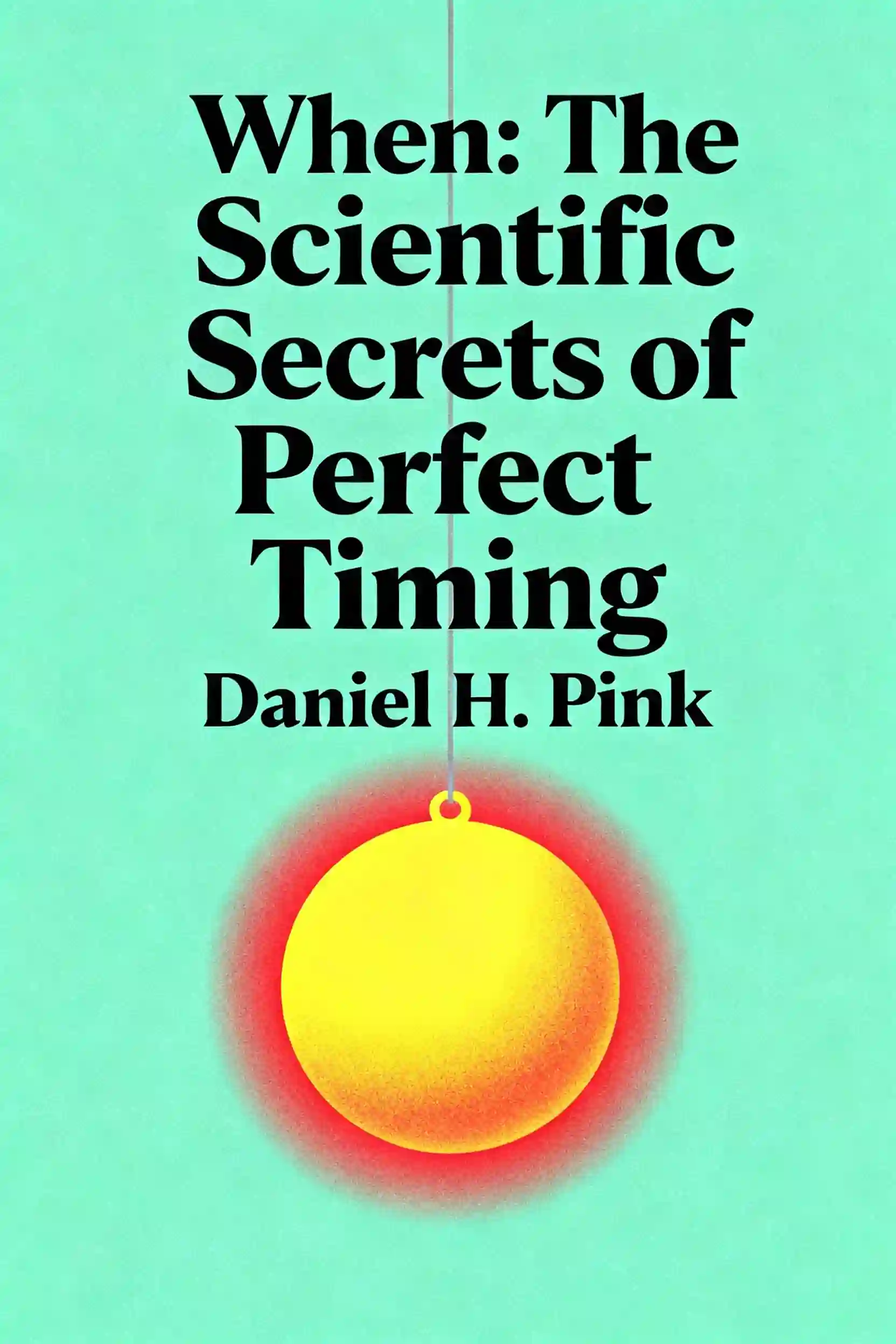
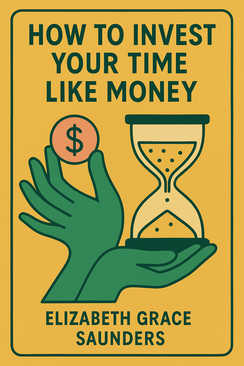
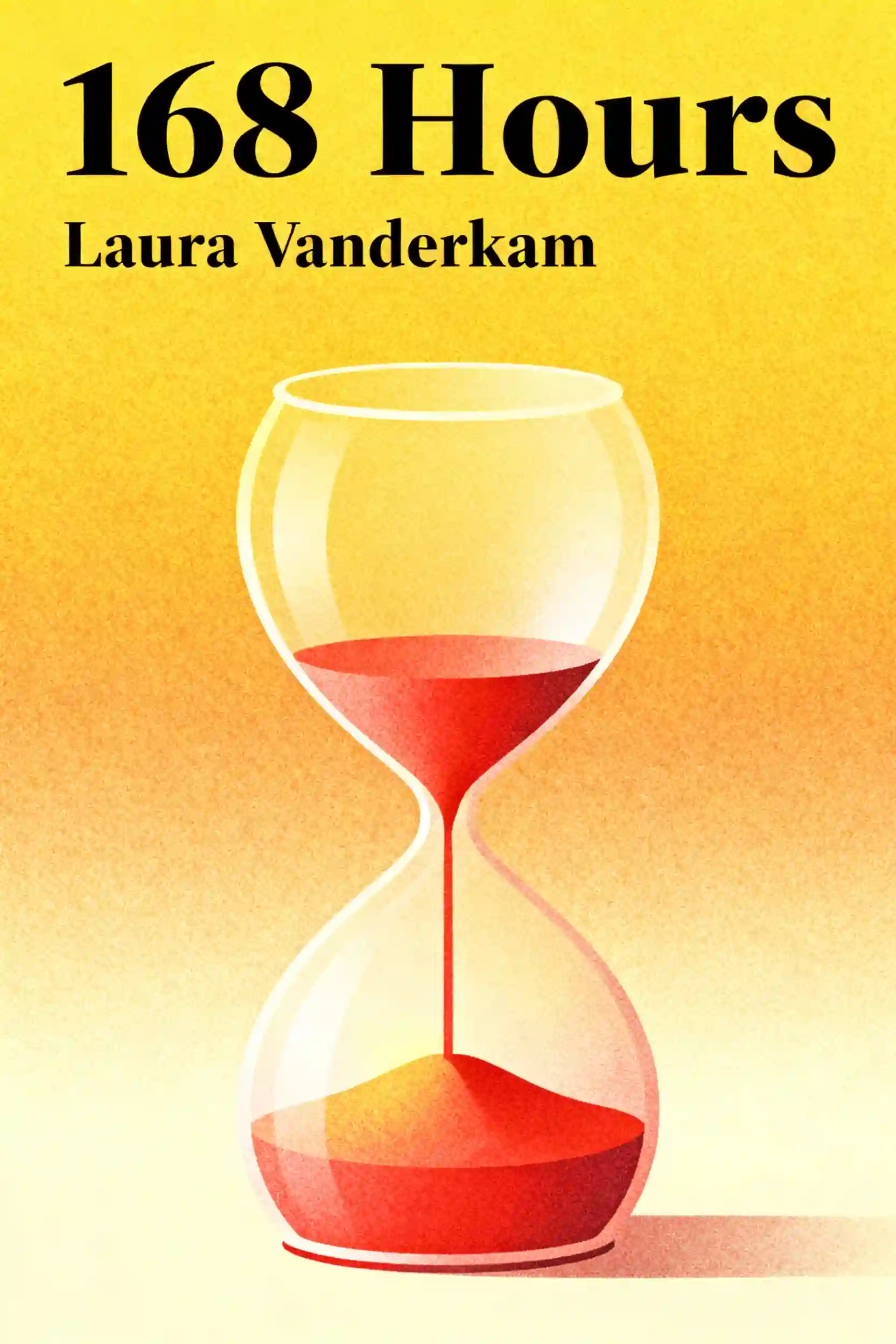
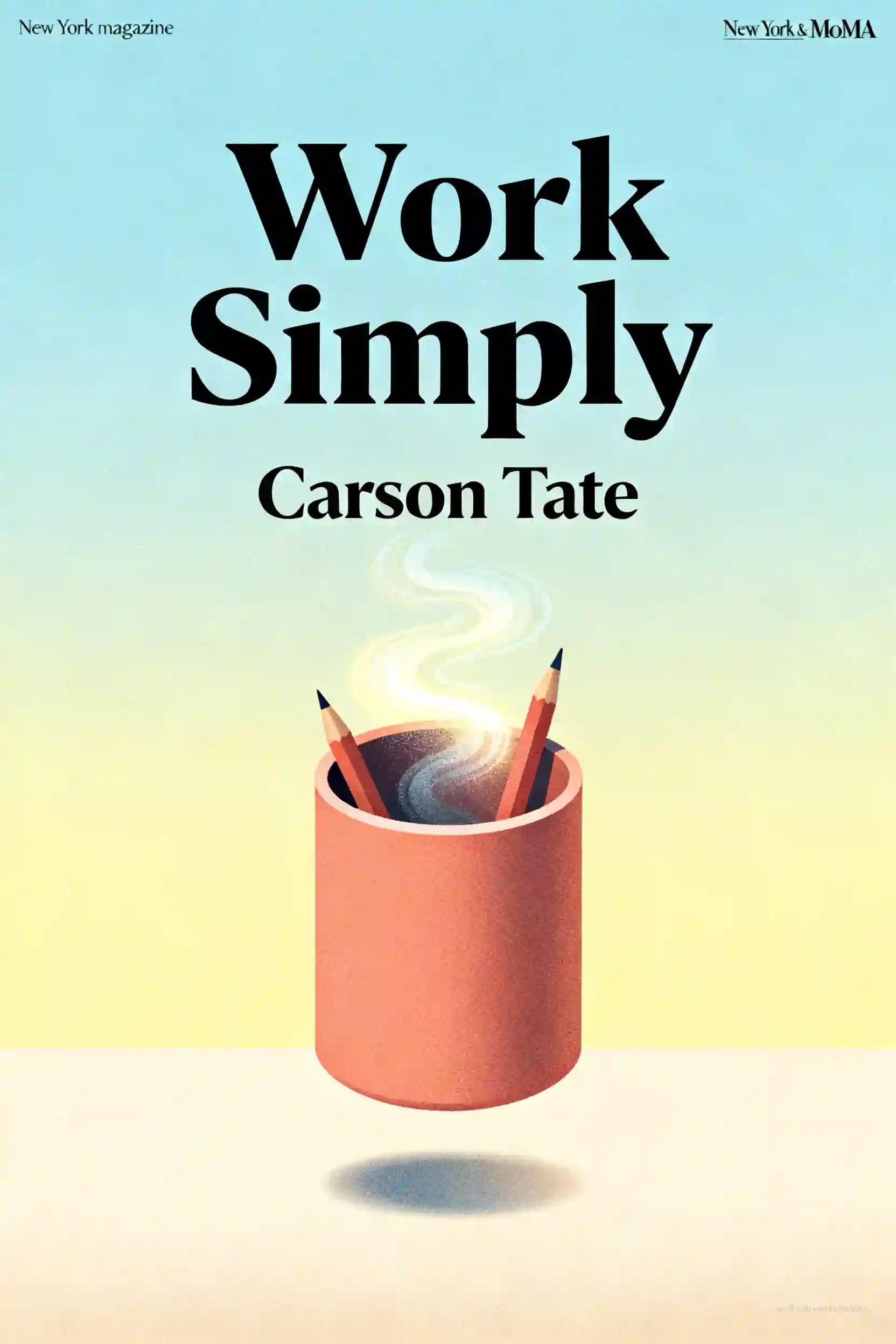
Discover more

Improve Time Management · Test 05-12
Improve Time Management · Test 05-12
In an era of constant distraction, mastering your schedule is the ultimate competitive advantage. This plan is designed for professionals and students who need to move beyond basic to-do lists toward high-level systems, energy management, and strategic delegation.

I want to manage my time better.
I want to manage my time better.
Time management is one of the most critical skills for personal and professional success, yet most people struggle with feeling overwhelmed and constantly behind. This learning plan is ideal for anyone who feels busy but unproductive, struggles to focus on important work, or wants to gain control over their schedule and create more space for what truly matters in their life.
Time tracking
Time tracking
Time tracking is the foundation of effective productivity, yet most people operate on autopilot without understanding where their hours actually disappear. This learning plan is essential for professionals, entrepreneurs, and anyone feeling overwhelmed by competing demands who wants to regain control of their schedule and accomplish what truly matters. By combining awareness, practical tools, and optimization strategies, you'll transform from reactive to intentional in how you spend your most valuable resource.

Spot hidden habits killing productivity
Spot hidden habits killing productivity
In an era of constant digital noise, traditional time management is no longer enough to stay effective. This plan is designed for professionals and students who feel busy but unproductive, offering the tools to reclaim focus and master cognitive energy.
Be more productive
Be more productive
In an age of constant distraction, mastering your time and attention is the ultimate competitive advantage. This plan is designed for professionals and creators who want to move beyond busyness toward high-leverage output and sustainable energy management.

Productivity
Productivity
In an increasingly distracted world, the ability to manage time and focus is a critical competitive advantage. This plan is designed for professionals and students who want to move beyond busywork toward high-impact results through systematic habit formation and advanced automation.
Use time wisely
Use time wisely
In an era of constant distraction, mastering one's schedule is the ultimate competitive advantage. This plan is designed for professionals and students who want to move beyond basic to-do lists toward a holistic system of focus and energy management.
Learn more and don’t waste time
Learn more and don’t waste time
In today's distraction-filled world, the ability to manage time effectively while learning efficiently has become a critical skill. This learning plan helps busy professionals, students, and lifelong learners maximize their productivity through proven time management techniques, focus strategies, and accelerated learning methods.
From Columbia University alumni built in San Francisco
"Instead of endless scrolling, I just hit play on BeFreed. It saves me so much time."


"I never knew where to start with nonfiction—BeFreed’s book lists turned into podcasts gave me a clear path."


"Perfect balance between learning and entertainment. Finished ‘Thinking, Fast and Slow’ on my commute this week."
"Crazy how much I learned while walking the dog. BeFreed = small habits → big gains."
"Reading used to feel like a chore. Now it’s just part of my lifestyle."

"Feels effortless compared to reading. I’ve finished 6 books this month already."
"BeFreed turned my guilty doomscrolling into something that feels productive and inspiring."

"BeFreed turned my commute into learning time. 20-min podcasts are perfect for finishing books I never had time for."
"BeFreed replaced my podcast queue. Imagine Spotify for books — that’s it. 🙌"

"It is great for me to learn something from the book without reading it."
"The themed book list podcasts help me connect ideas across authors—like a guided audio journey."
"Makes me feel smarter every time before going to work"
From Columbia University alumni built in San Francisco
"Instead of endless scrolling, I just hit play on BeFreed. It saves me so much time."
"I never knew where to start with nonfiction—BeFreed’s book lists turned into podcasts gave me a clear path."
"Perfect balance between learning and entertainment. Finished ‘Thinking, Fast and Slow’ on my commute this week."
"Crazy how much I learned while walking the dog. BeFreed = small habits → big gains."
"Reading used to feel like a chore. Now it’s just part of my lifestyle."
"Feels effortless compared to reading. I’ve finished 6 books this month already."
"BeFreed turned my guilty doomscrolling into something that feels productive and inspiring."
"BeFreed turned my commute into learning time. 20-min podcasts are perfect for finishing books I never had time for."
"BeFreed replaced my podcast queue. Imagine Spotify for books — that’s it. 🙌"
"It is great for me to learn something from the book without reading it."
"The themed book list podcasts help me connect ideas across authors—like a guided audio journey."
"Makes me feel smarter every time before going to work"
"Instead of endless scrolling, I just hit play on BeFreed. It saves me so much time."
"I never knew where to start with nonfiction—BeFreed’s book lists turned into podcasts gave me a clear path."
"Perfect balance between learning and entertainment. Finished ‘Thinking, Fast and Slow’ on my commute this week."
"Crazy how much I learned while walking the dog. BeFreed = small habits → big gains."
"Reading used to feel like a chore. Now it’s just part of my lifestyle."
"Feels effortless compared to reading. I’ve finished 6 books this month already."
"BeFreed turned my guilty doomscrolling into something that feels productive and inspiring."
"BeFreed turned my commute into learning time. 20-min podcasts are perfect for finishing books I never had time for."
"BeFreed replaced my podcast queue. Imagine Spotify for books — that’s it. 🙌"
"It is great for me to learn something from the book without reading it."
"The themed book list podcasts help me connect ideas across authors—like a guided audio journey."
"Makes me feel smarter every time before going to work"
"Instead of endless scrolling, I just hit play on BeFreed. It saves me so much time."
"I never knew where to start with nonfiction—BeFreed’s book lists turned into podcasts gave me a clear path."
"Perfect balance between learning and entertainment. Finished ‘Thinking, Fast and Slow’ on my commute this week."
"Crazy how much I learned while walking the dog. BeFreed = small habits → big gains."
"Reading used to feel like a chore. Now it’s just part of my lifestyle."
"Feels effortless compared to reading. I’ve finished 6 books this month already."
"BeFreed turned my guilty doomscrolling into something that feels productive and inspiring."
"BeFreed turned my commute into learning time. 20-min podcasts are perfect for finishing books I never had time for."
"BeFreed replaced my podcast queue. Imagine Spotify for books — that’s it. 🙌"
"It is great for me to learn something from the book without reading it."
"The themed book list podcasts help me connect ideas across authors—like a guided audio journey."
"Makes me feel smarter every time before going to work"


![[url_d03702a8:c0001] Time management - Wikipedia p1-1](/_next/image?url=https%3A%2F%2Fd1y2du6z1jfm9e.cloudfront.net%2Fassets%2Fpodcast%2Fgreen.png&w=1024&q=50)


![[url_c9049cd7:c0001] What Is Time Management? p1-1](/_next/image?url=https%3A%2F%2Fd1y2du6z1jfm9e.cloudfront.net%2Fassets%2Fpodcast%2Fpurple.png&w=1024&q=50)


