
Think of things to say without overthinking
Struggling with awkward silences? Learn how to bypass your internal filter and use the three-second rule to turn small talk into genuine connection.

Best quote from Think of things to say without overthinking
The problem usually isn't having too few things to say—it’s actually having too many thoughts that your brain is filtering out. We second-guess ourselves, thinking a topic is too random or boring, and that filter is what actually kills the flow.

This audio lesson was created by a BeFreed community member
I would like to always be able to think of things to say

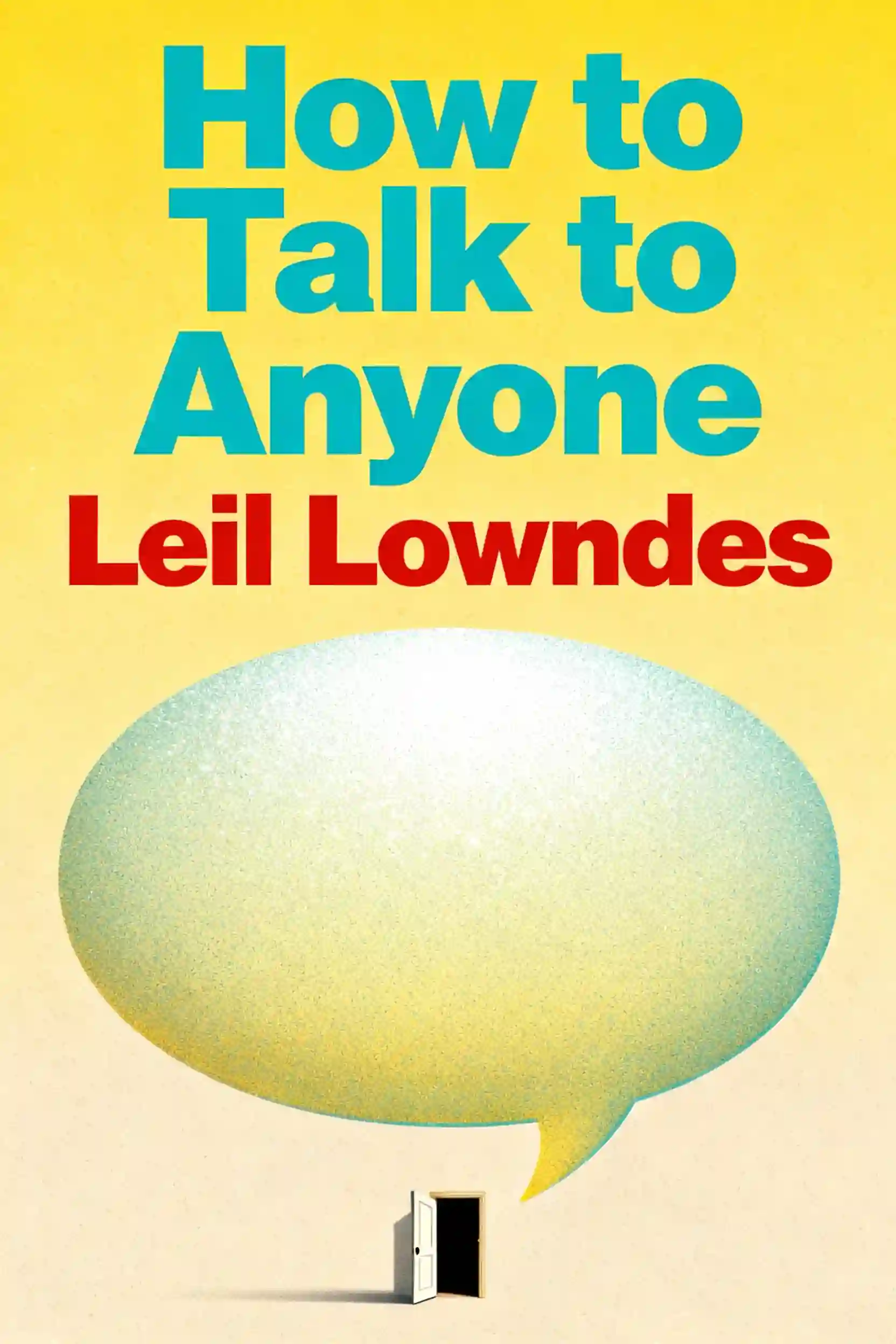
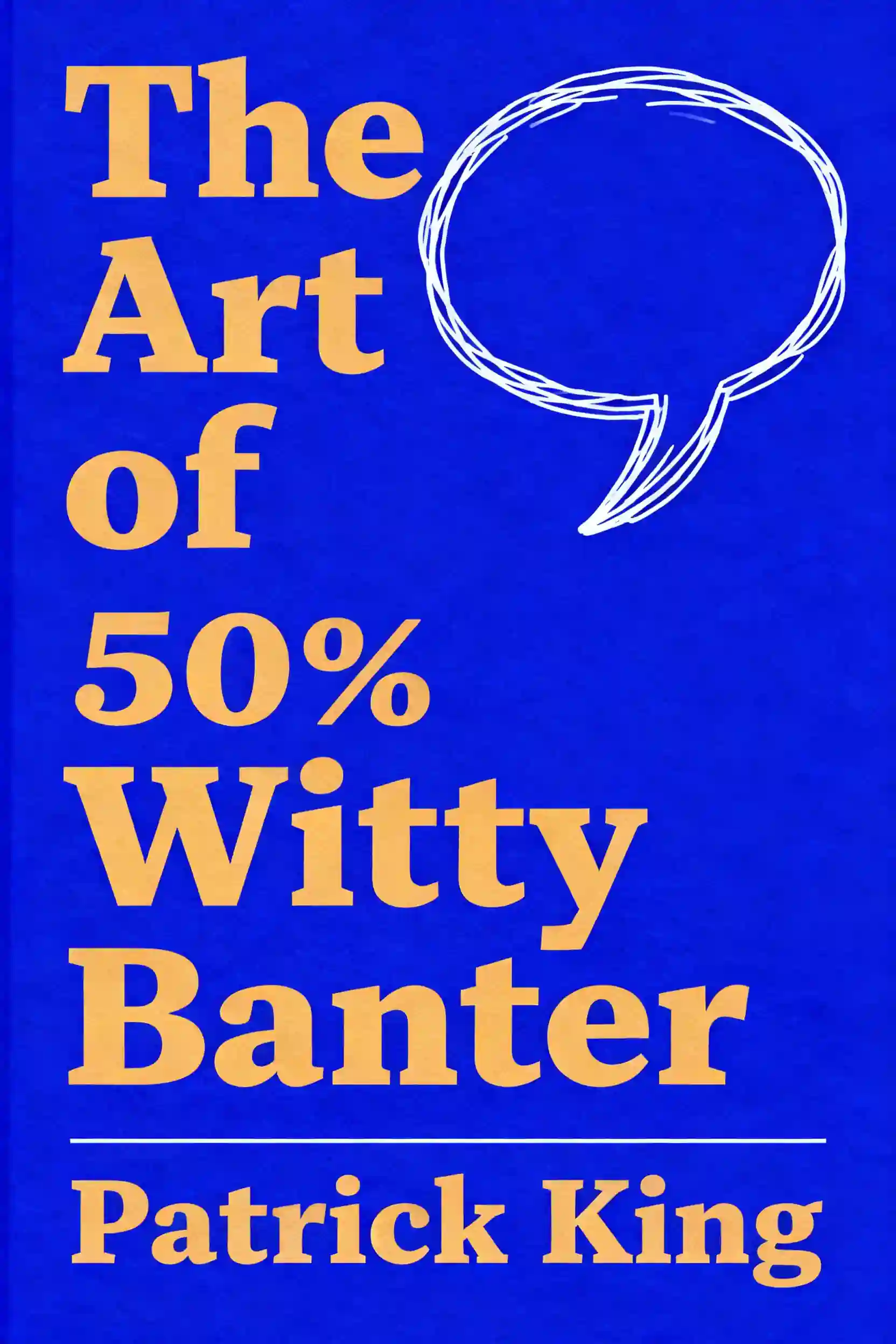
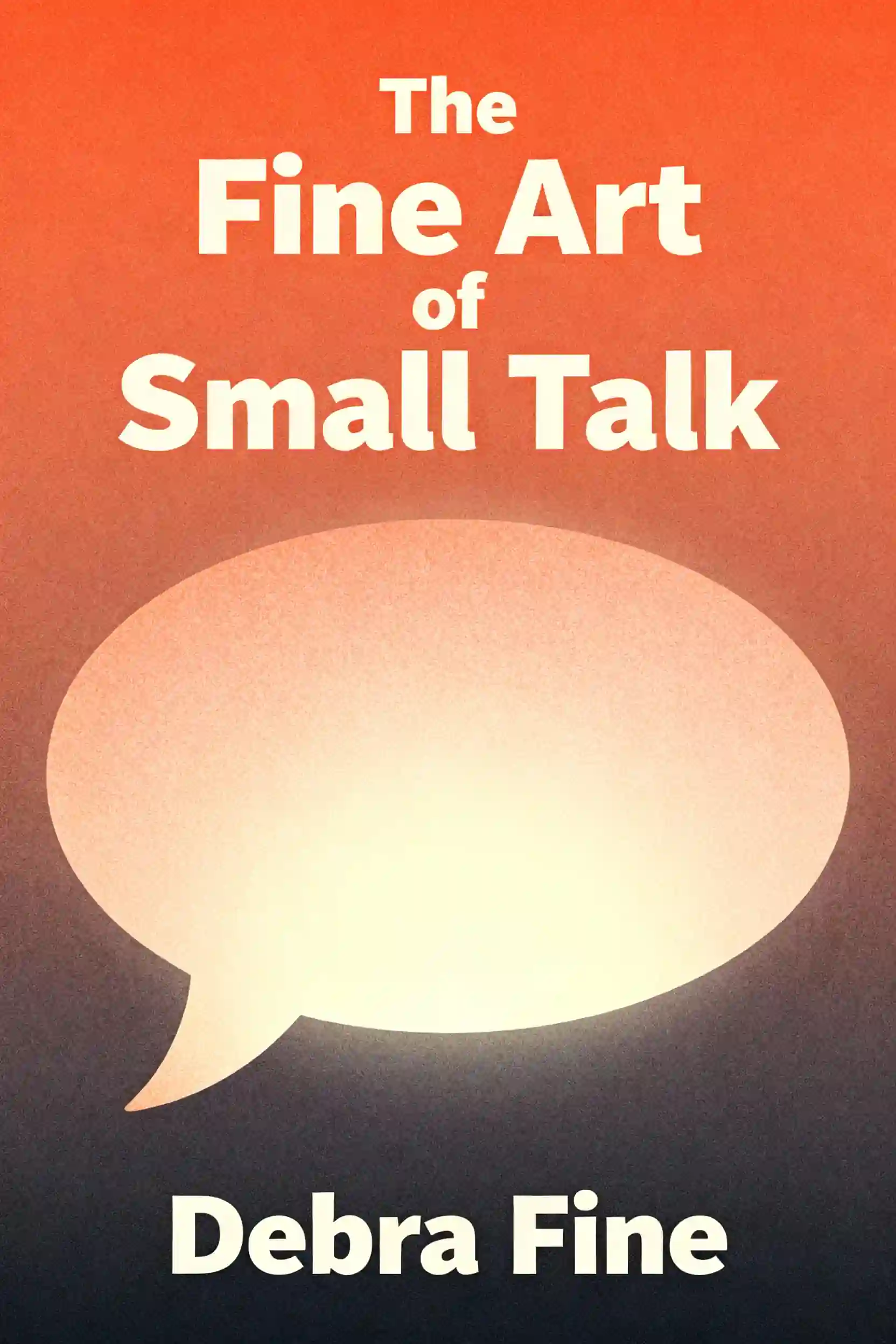
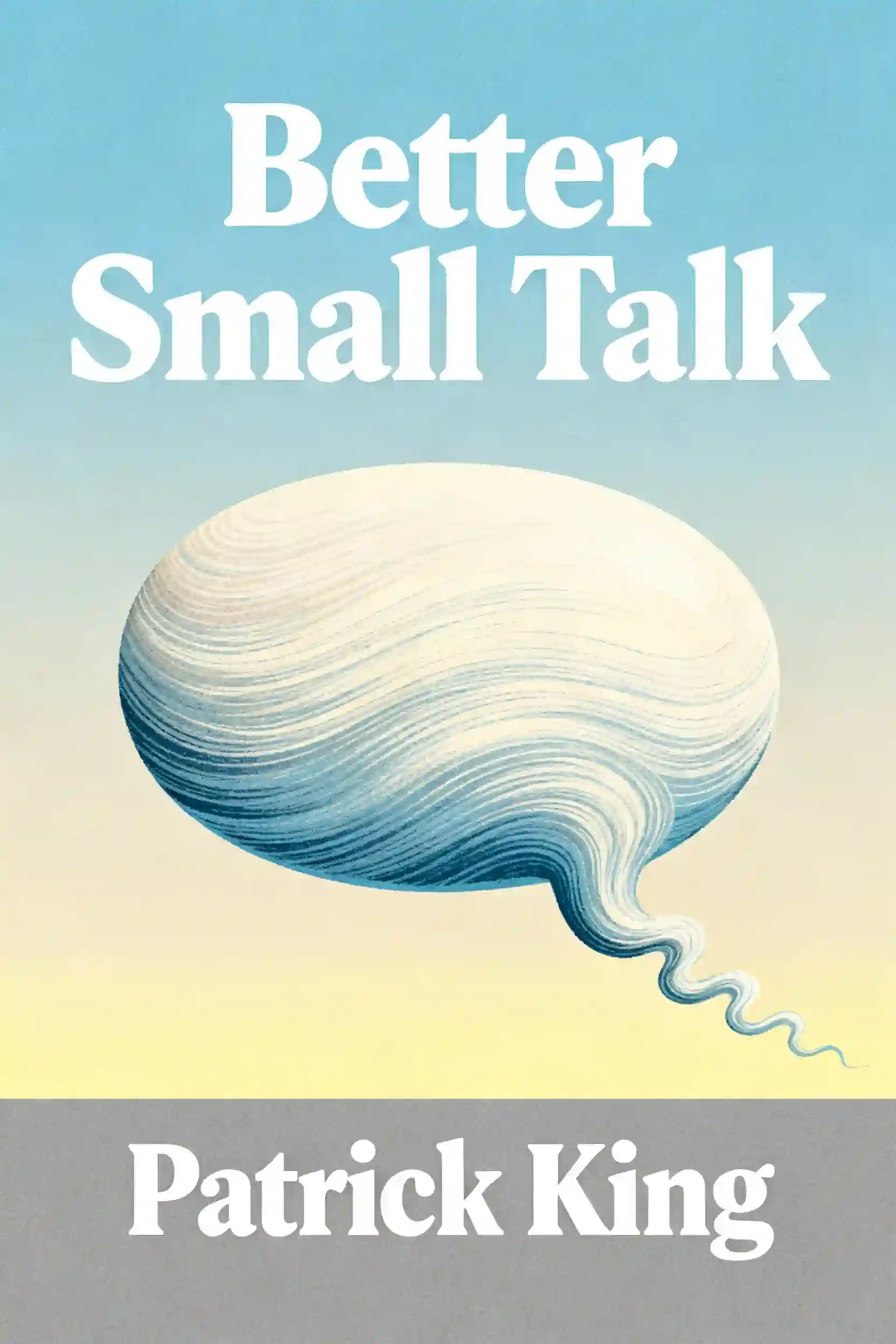
Frequently Asked Questions
The three-second rule is a technique designed to bypass the "internal editor" that causes social anxiety and mental blocks. Instead of frantically auditing your thoughts for the perfect or "cool" thing to say, you commit to speaking whatever is in your head within a three-second window. This rule prioritizes speed over direction, helping you overcome the tendency to veto your own ideas. By sharing even a mundane observation—like a comment on the room's decor—you provide a "hook" for the other person to respond to, which keeps the conversational flow moving.
FORD is a mnemonic acronym that stands for Family, Occupation, Recreation, and Dreams. These represent four universal "safe zones" that can be used as a conversational GPS when you run out of things to talk about. To avoid making the conversation feel like an interrogation, you should pair these questions with "self-disclosure." By sharing a small detail about your own life while asking about theirs, you create a sense of reciprocity and emotional consent, which helps transition the interaction from superficial small talk to a more meaningful connection.
Conversation threading involves listening for specific details, or "threads," within a person's sentence that can lead to new topics. For example, if someone mentions hiking in Colorado with their brother, they have provided four distinct threads: hiking, Colorado, their brother, and the weekend. Rather than just focusing on the very last thing said, a skilled conversationalist recognizes these multiple openings and can pivot to any of them to keep the dialogue active. This technique ensures you never truly run out of directions to take the conversation.
The "Liking Gap" is a psychological phenomenon where people consistently underestimate how much others enjoyed their company. After a social interaction, many individuals tend to be self-critical, focusing on their own perceived awkwardness or mistakes. However, research shows that the other person is usually thinking the conversation went well and is not judging those minor slips. Understanding this gap can reduce performance anxiety, allowing you to shift the spotlight away from your own insecurities and toward genuine curiosity about the person you are speaking with.
You can build "social muscle" through low-stakes agility drills like "Narrating Your Life" or the "One-Minute Drill." Narrating involves describing your daily actions out loud to practice continuous articulation, while the one-minute drill requires you to speak about a random object for sixty seconds without long pauses. These exercises train your brain to retrieve information and generate content quickly. Additionally, using "Strategic Fillers"—such as saying, "That’s an interesting question, let me think"—buys your brain time to process thoughts without creating an awkward silence.
Discover more

Master Small Talk and Reduce Awkwardness
Master Small Talk and Reduce Awkwardness
In an increasingly connected world, the ability to communicate with ease is a vital professional and personal asset. This plan is ideal for anyone looking to overcome social anxiety and transform surface-level small talk into lasting, impactful relationships.

Never Run Out of Things to Say
Never Run Out of Things to Say
Strong conversation skills are essential for professional success, meaningful relationships, and personal confidence. This learning plan is ideal for anyone who struggles with small talk, feels anxious in social situations, wants to improve their networking abilities, or simply desires to become more engaging and memorable in their interactions. Whether you're an introvert looking to build confidence or someone seeking to elevate their existing social skills, this structured approach will transform how you connect with others.
Become better at small talk
Become better at small talk
Small talk is the gateway to meaningful personal and professional relationships, yet many find it challenging and anxiety-inducing. This learning plan transforms conversational hesitation into social confidence, benefiting professionals seeking to network effectively, introverts wanting to navigate social situations with ease, and anyone looking to create more authentic connections.

Small talk tips to reduce social anxiety
Small talk tips to reduce social anxiety
This course is essential for anyone who feels paralyzed by social settings or struggles to maintain engaging dialogue. It provides a comprehensive path from internal mindset shifts to practical conversational mastery, making it ideal for professionals and introverts alike.

How to keep a conversation going,
How to keep a conversation going,
Effective communication is the cornerstone of both professional success and personal fulfillment. This plan is designed for anyone looking to overcome social anxiety, improve their charisma, and build deeper connections through mastery of verbal and nonverbal cues.

Improve conversation for stronger connections
Improve conversation for stronger connections
In an increasingly digital world, the ability to engage in meaningful face-to-face dialogue is a vital skill for personal and professional success. This plan is ideal for anyone looking to overcome social anxiety, improve their listening habits, or deepen their relationships through authentic communication.
Stop overthinking and bypass mental noise
Stop overthinking and bypass mental noise
In an era of constant information overload, many professionals and students find themselves paralyzed by chronic overthinking and anxiety. This plan offers a structured path for anyone seeking to regain control over their focus, reduce stress, and transform their relationship with their inner dialogue.
Stop overthinking in dating
Stop overthinking in dating
If you find yourself replaying conversations, obsessing over text message timing, or spiraling into worst-case scenarios while dating, this plan addresses the root causes of your anxiety. It's designed for anyone who wants to break free from exhausting overthinking patterns and develop the secure attachment style that leads to healthier, more fulfilling relationships.
From Columbia University alumni built in San Francisco
"Instead of endless scrolling, I just hit play on BeFreed. It saves me so much time."


"I never knew where to start with nonfiction—BeFreed’s book lists turned into podcasts gave me a clear path."


"Perfect balance between learning and entertainment. Finished ‘Thinking, Fast and Slow’ on my commute this week."
"Crazy how much I learned while walking the dog. BeFreed = small habits → big gains."
"Reading used to feel like a chore. Now it’s just part of my lifestyle."

"Feels effortless compared to reading. I’ve finished 6 books this month already."
"BeFreed turned my guilty doomscrolling into something that feels productive and inspiring."

"BeFreed turned my commute into learning time. 20-min podcasts are perfect for finishing books I never had time for."
"BeFreed replaced my podcast queue. Imagine Spotify for books — that’s it. 🙌"

"It is great for me to learn something from the book without reading it."
"The themed book list podcasts help me connect ideas across authors—like a guided audio journey."
"Makes me feel smarter every time before going to work"
From Columbia University alumni built in San Francisco
"Instead of endless scrolling, I just hit play on BeFreed. It saves me so much time."
"I never knew where to start with nonfiction—BeFreed’s book lists turned into podcasts gave me a clear path."
"Perfect balance between learning and entertainment. Finished ‘Thinking, Fast and Slow’ on my commute this week."
"Crazy how much I learned while walking the dog. BeFreed = small habits → big gains."
"Reading used to feel like a chore. Now it’s just part of my lifestyle."
"Feels effortless compared to reading. I’ve finished 6 books this month already."
"BeFreed turned my guilty doomscrolling into something that feels productive and inspiring."
"BeFreed turned my commute into learning time. 20-min podcasts are perfect for finishing books I never had time for."
"BeFreed replaced my podcast queue. Imagine Spotify for books — that’s it. 🙌"
"It is great for me to learn something from the book without reading it."
"The themed book list podcasts help me connect ideas across authors—like a guided audio journey."
"Makes me feel smarter every time before going to work"
"Instead of endless scrolling, I just hit play on BeFreed. It saves me so much time."
"I never knew where to start with nonfiction—BeFreed’s book lists turned into podcasts gave me a clear path."
"Perfect balance between learning and entertainment. Finished ‘Thinking, Fast and Slow’ on my commute this week."
"Crazy how much I learned while walking the dog. BeFreed = small habits → big gains."
"Reading used to feel like a chore. Now it’s just part of my lifestyle."
"Feels effortless compared to reading. I’ve finished 6 books this month already."
"BeFreed turned my guilty doomscrolling into something that feels productive and inspiring."
"BeFreed turned my commute into learning time. 20-min podcasts are perfect for finishing books I never had time for."
"BeFreed replaced my podcast queue. Imagine Spotify for books — that’s it. 🙌"
"It is great for me to learn something from the book without reading it."
"The themed book list podcasts help me connect ideas across authors—like a guided audio journey."
"Makes me feel smarter every time before going to work"
"Instead of endless scrolling, I just hit play on BeFreed. It saves me so much time."
"I never knew where to start with nonfiction—BeFreed’s book lists turned into podcasts gave me a clear path."
"Perfect balance between learning and entertainment. Finished ‘Thinking, Fast and Slow’ on my commute this week."
"Crazy how much I learned while walking the dog. BeFreed = small habits → big gains."
"Reading used to feel like a chore. Now it’s just part of my lifestyle."
"Feels effortless compared to reading. I’ve finished 6 books this month already."
"BeFreed turned my guilty doomscrolling into something that feels productive and inspiring."
"BeFreed turned my commute into learning time. 20-min podcasts are perfect for finishing books I never had time for."
"BeFreed replaced my podcast queue. Imagine Spotify for books — that’s it. 🙌"
"It is great for me to learn something from the book without reading it."
"The themed book list podcasts help me connect ideas across authors—like a guided audio journey."
"Makes me feel smarter every time before going to work"


