
The Surprise Paradox
Exploring our complex relationship with the unexpected, from a couple's 68-year marriage experiment to the neuroscience behind why we both crave and fear surprises in our lives.

Best quote from The Surprise Paradox
Surprise acts like a highlighting marker for memory. When something violates our expectations, our brains essentially say, 'This is important—file this away for future reference.'

This audio lesson was created by a BeFreed community member
Surprise me

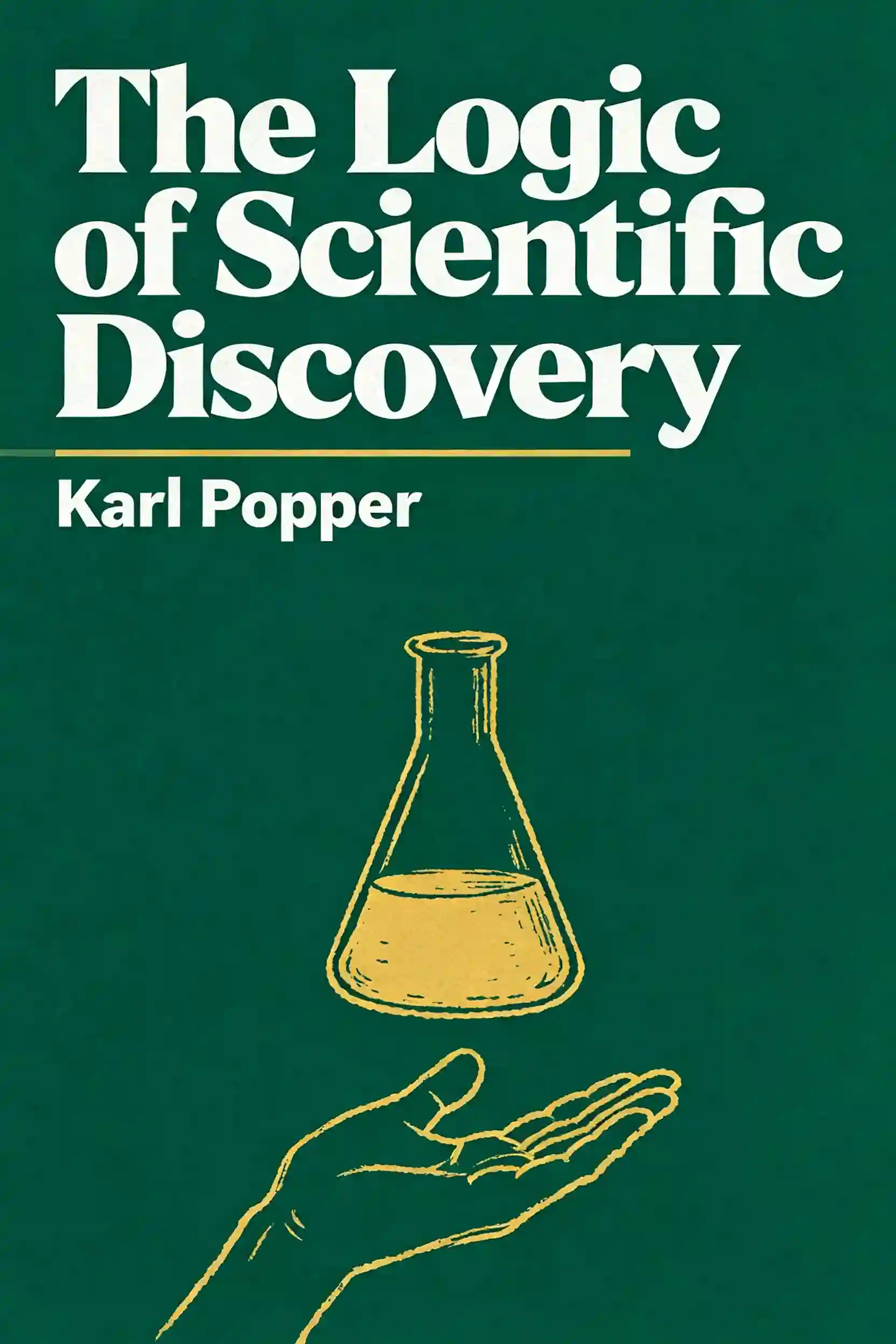
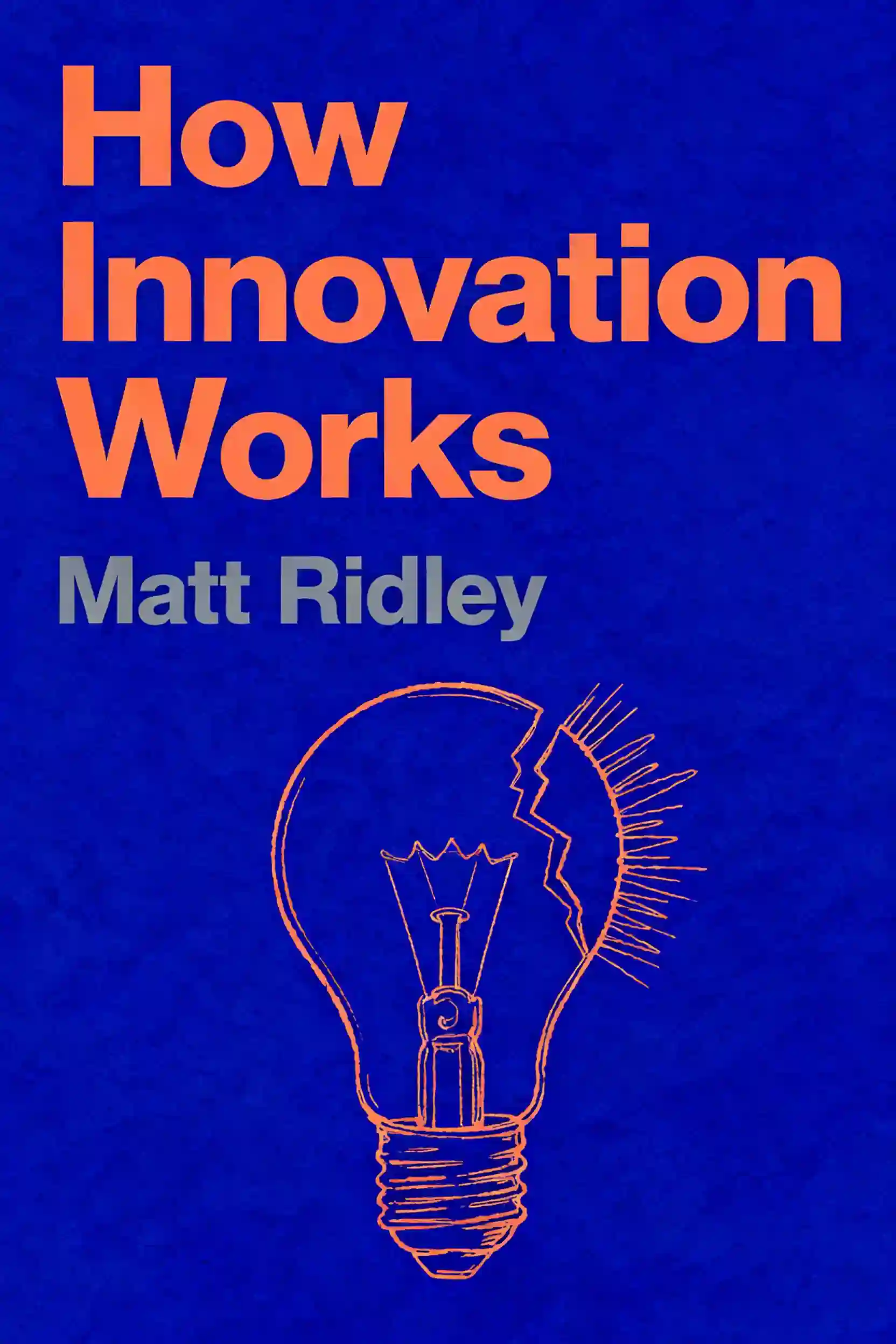
Discover more

Love, Desire & Innovation in Relationships
Love, Desire & Innovation in Relationships
Modern relationships require more than just chemistry; they demand intentional design and psychological insight. This plan is ideal for individuals or couples looking to move beyond traditional roles and build a dynamic, evolving partnership through science-backed innovation.

understaning the human brain and love
understaning the human brain and love
This plan bridges the gap between complex neuroscience and the universal human experience of connection. It is ideal for curious learners, educators, or professionals looking to leverage brain science to improve their relationships and mental well-being.

Explore Desire, Relationships & Psychology
Explore Desire, Relationships & Psychology
This learning plan bridges the gap between biological instincts and modern relational dynamics. It is essential for anyone looking to understand the hidden psychological forces that shape their romantic life and social interactions.
Seduction
Seduction
This plan bridges the gap between scientific theory and practical social mastery for anyone looking to improve their romantic life. It is ideal for individuals seeking to enhance their natural charisma and build deeper, more intentional relationships through psychological insight.

Study Behavior, Love & History
Study Behavior, Love & History
This plan bridges the gap between biological drives and historical shifts to explain why we love and act the way we do. It is ideal for curious minds, social strategists, and anyone seeking to improve their relationships through the lens of psychology and history.
Synthesize research on the science of romance
Synthesize research on the science of romance
This plan bridges the gap between biological drive and psychological behavior to decode the complexities of human intimacy. It is ideal for researchers, psychology students, or anyone seeking a data-driven understanding of how we form and maintain romantic bonds.
Study Psychology, History, Love & Partnership
Study Psychology, History, Love & Partnership
This plan bridges the gap between individual psychology and the historical evolution of human connection. It is ideal for those seeking to understand the deep-seated patterns that influence modern love and personal growth.
How can I make him happy
How can I make him happy
This plan is designed for partners who want to move beyond guesswork and build a thriving, joyful relationship. It benefits anyone seeking to strengthen their bond through a deeper understanding of male psychology and effective communication.
From Columbia University alumni built in San Francisco
"Instead of endless scrolling, I just hit play on BeFreed. It saves me so much time."


"I never knew where to start with nonfiction—BeFreed’s book lists turned into podcasts gave me a clear path."


"Perfect balance between learning and entertainment. Finished ‘Thinking, Fast and Slow’ on my commute this week."
"Crazy how much I learned while walking the dog. BeFreed = small habits → big gains."
"Reading used to feel like a chore. Now it’s just part of my lifestyle."

"Feels effortless compared to reading. I’ve finished 6 books this month already."
"BeFreed turned my guilty doomscrolling into something that feels productive and inspiring."

"BeFreed turned my commute into learning time. 20-min podcasts are perfect for finishing books I never had time for."
"BeFreed replaced my podcast queue. Imagine Spotify for books — that’s it. 🙌"

"It is great for me to learn something from the book without reading it."
"The themed book list podcasts help me connect ideas across authors—like a guided audio journey."
"Makes me feel smarter every time before going to work"
From Columbia University alumni built in San Francisco
"Instead of endless scrolling, I just hit play on BeFreed. It saves me so much time."
"I never knew where to start with nonfiction—BeFreed’s book lists turned into podcasts gave me a clear path."
"Perfect balance between learning and entertainment. Finished ‘Thinking, Fast and Slow’ on my commute this week."
"Crazy how much I learned while walking the dog. BeFreed = small habits → big gains."
"Reading used to feel like a chore. Now it’s just part of my lifestyle."
"Feels effortless compared to reading. I’ve finished 6 books this month already."
"BeFreed turned my guilty doomscrolling into something that feels productive and inspiring."
"BeFreed turned my commute into learning time. 20-min podcasts are perfect for finishing books I never had time for."
"BeFreed replaced my podcast queue. Imagine Spotify for books — that’s it. 🙌"
"It is great for me to learn something from the book without reading it."
"The themed book list podcasts help me connect ideas across authors—like a guided audio journey."
"Makes me feel smarter every time before going to work"
"Instead of endless scrolling, I just hit play on BeFreed. It saves me so much time."
"I never knew where to start with nonfiction—BeFreed’s book lists turned into podcasts gave me a clear path."
"Perfect balance between learning and entertainment. Finished ‘Thinking, Fast and Slow’ on my commute this week."
"Crazy how much I learned while walking the dog. BeFreed = small habits → big gains."
"Reading used to feel like a chore. Now it’s just part of my lifestyle."
"Feels effortless compared to reading. I’ve finished 6 books this month already."
"BeFreed turned my guilty doomscrolling into something that feels productive and inspiring."
"BeFreed turned my commute into learning time. 20-min podcasts are perfect for finishing books I never had time for."
"BeFreed replaced my podcast queue. Imagine Spotify for books — that’s it. 🙌"
"It is great for me to learn something from the book without reading it."
"The themed book list podcasts help me connect ideas across authors—like a guided audio journey."
"Makes me feel smarter every time before going to work"
"Instead of endless scrolling, I just hit play on BeFreed. It saves me so much time."
"I never knew where to start with nonfiction—BeFreed’s book lists turned into podcasts gave me a clear path."
"Perfect balance between learning and entertainment. Finished ‘Thinking, Fast and Slow’ on my commute this week."
"Crazy how much I learned while walking the dog. BeFreed = small habits → big gains."
"Reading used to feel like a chore. Now it’s just part of my lifestyle."
"Feels effortless compared to reading. I’ve finished 6 books this month already."
"BeFreed turned my guilty doomscrolling into something that feels productive and inspiring."
"BeFreed turned my commute into learning time. 20-min podcasts are perfect for finishing books I never had time for."
"BeFreed replaced my podcast queue. Imagine Spotify for books — that’s it. 🙌"
"It is great for me to learn something from the book without reading it."
"The themed book list podcasts help me connect ideas across authors—like a guided audio journey."
"Makes me feel smarter every time before going to work"


