
The Social Health Currency
Discover why small talk isn't meaningless chatter but essential social nutrition. Learn practical techniques to transform awkward encounters into genuine connections that boost your wellbeing.

Best quote from The Social Health Currency
Small talk isn't just meaningless filler; it's like each little conversation is a tiny deposit in your social health bank account. These brief moments of connection contribute to our sense of belonging and are fundamental to our psychological wellbeing.

This audio lesson was created by a BeFreed community member
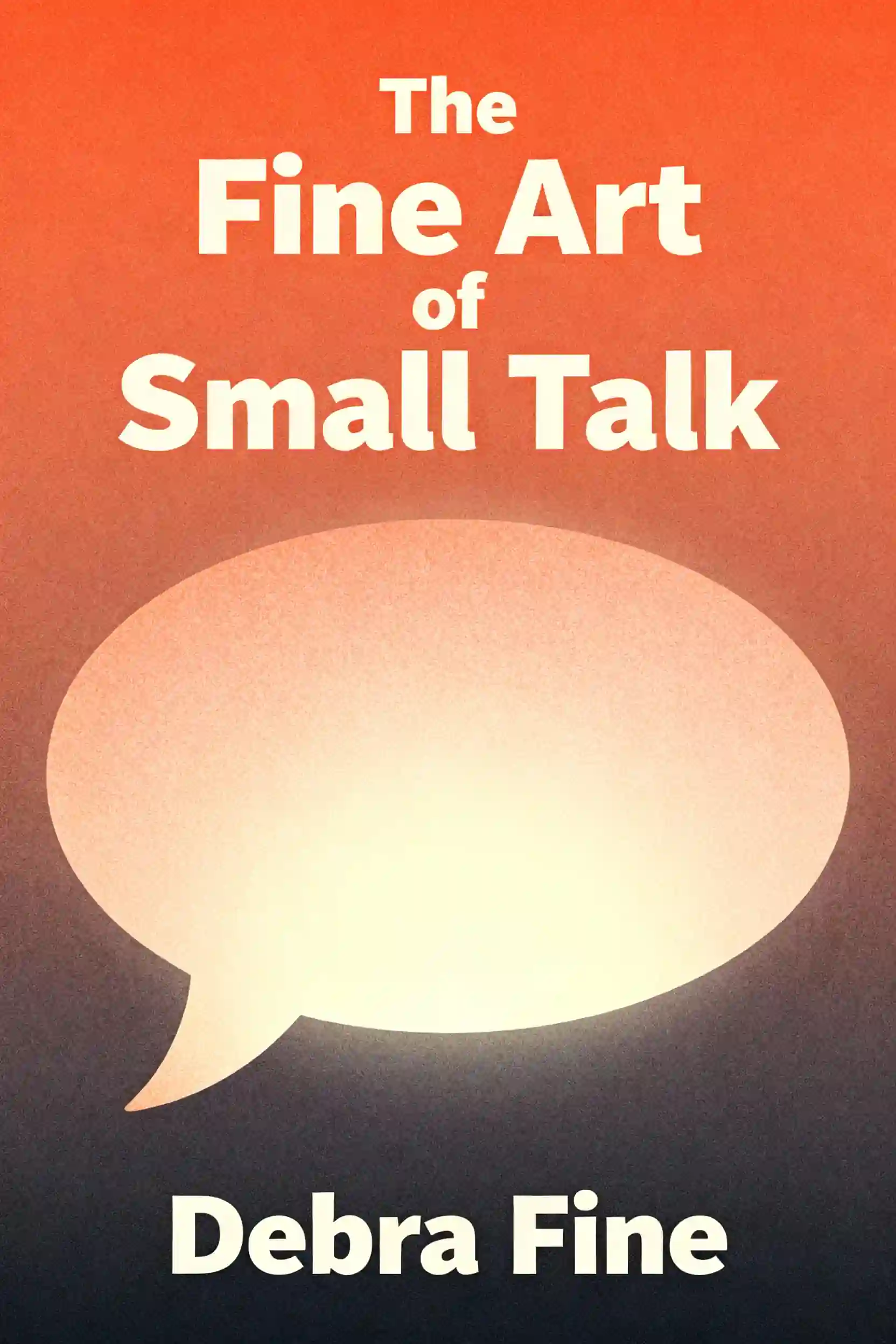
Small talk

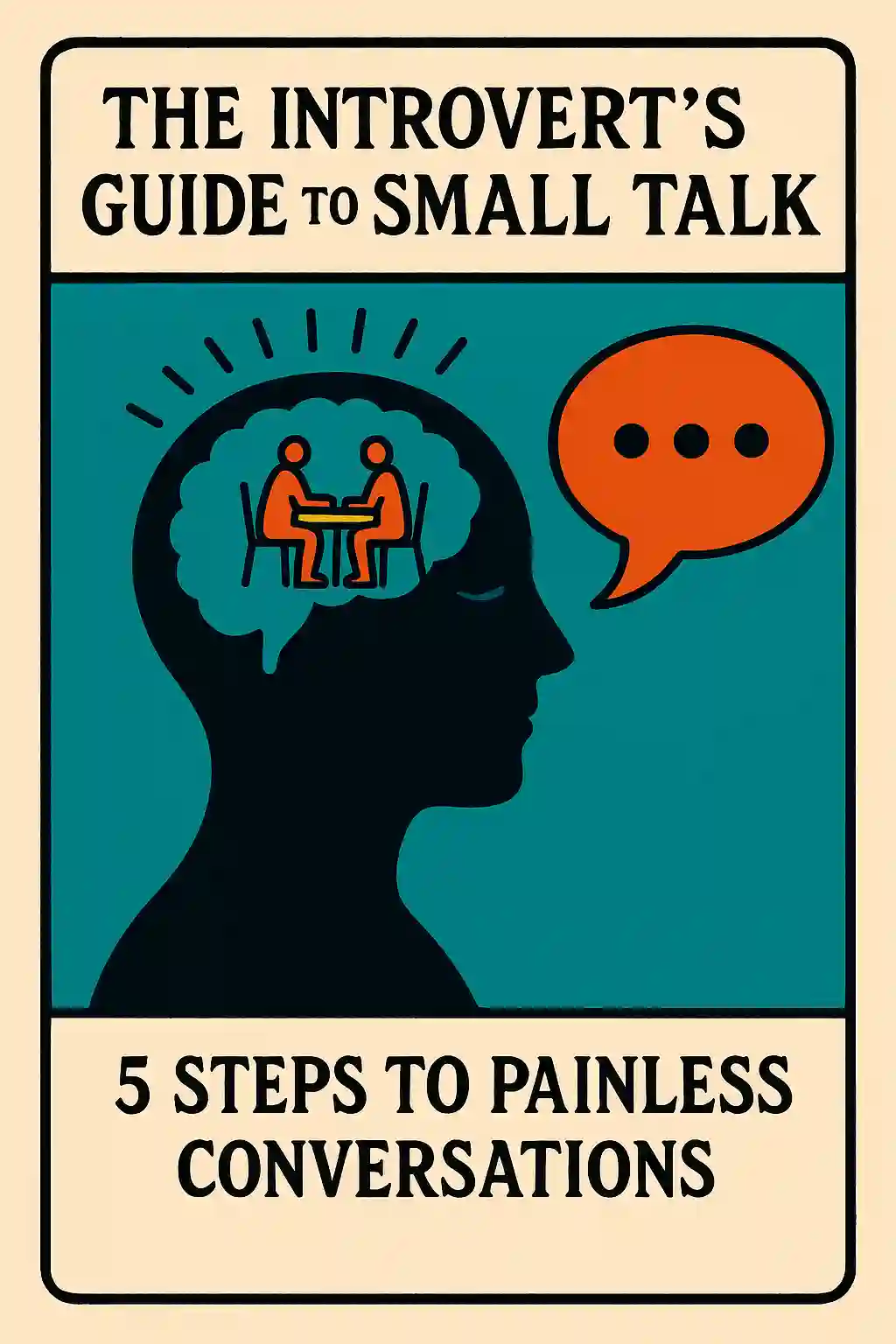
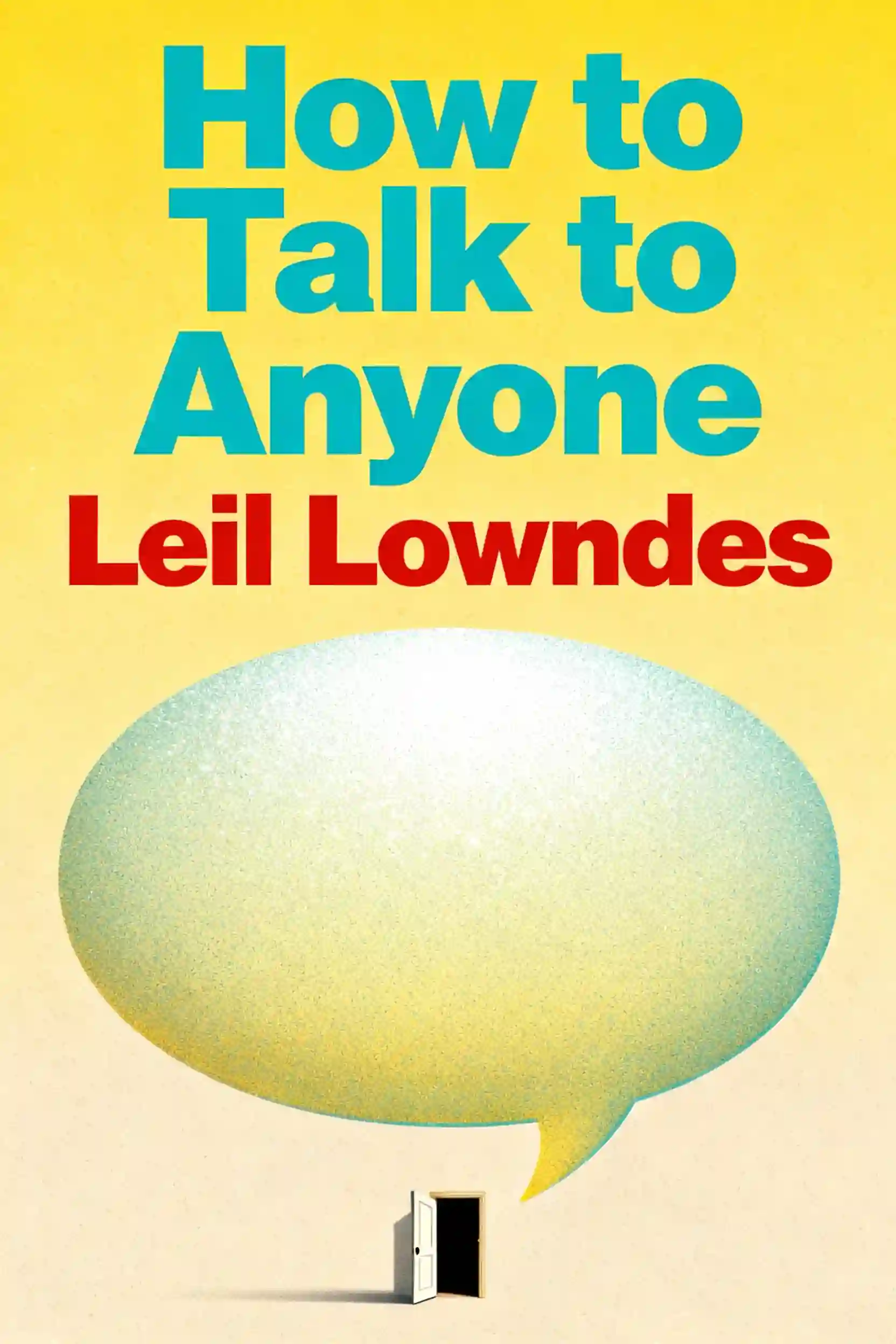
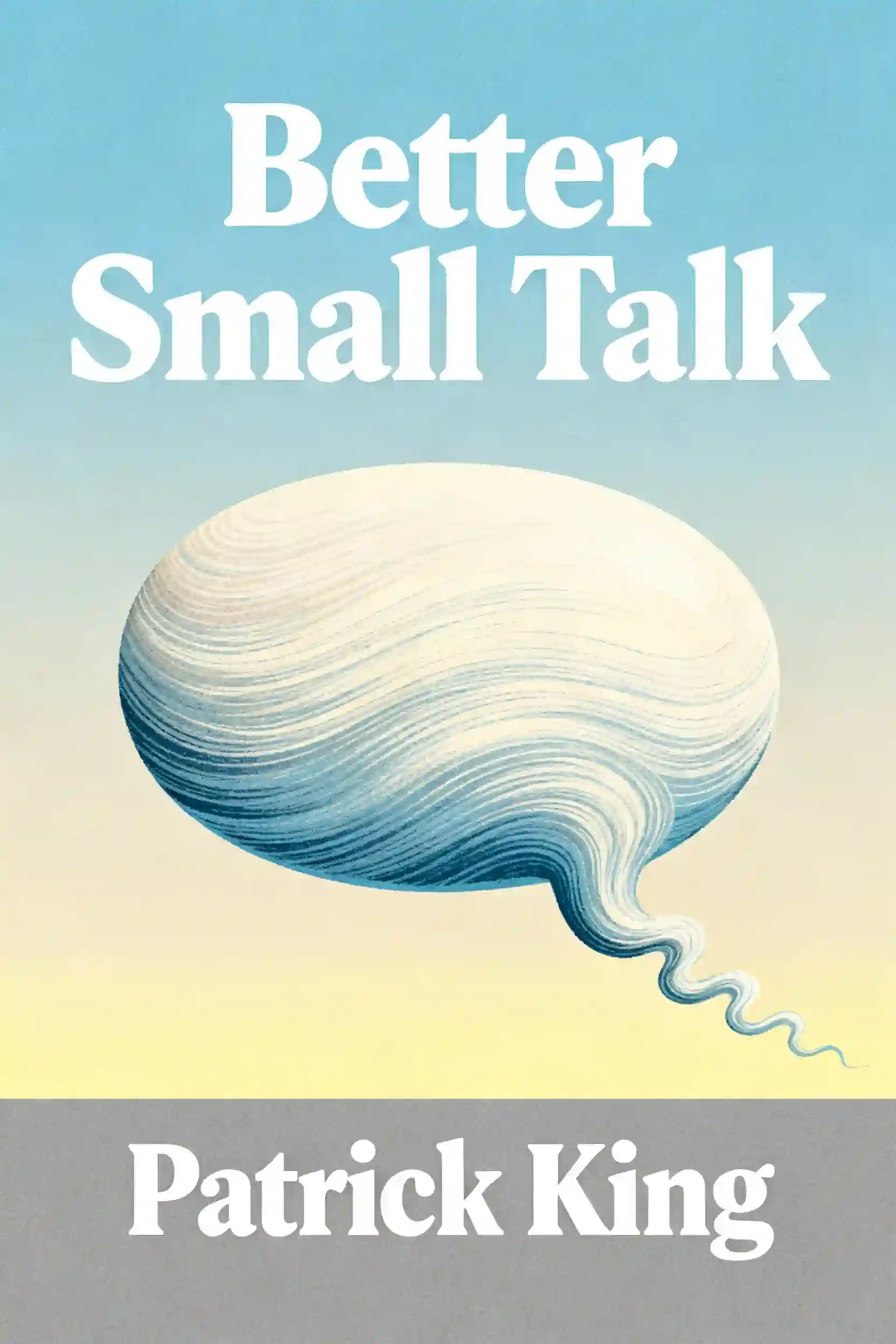
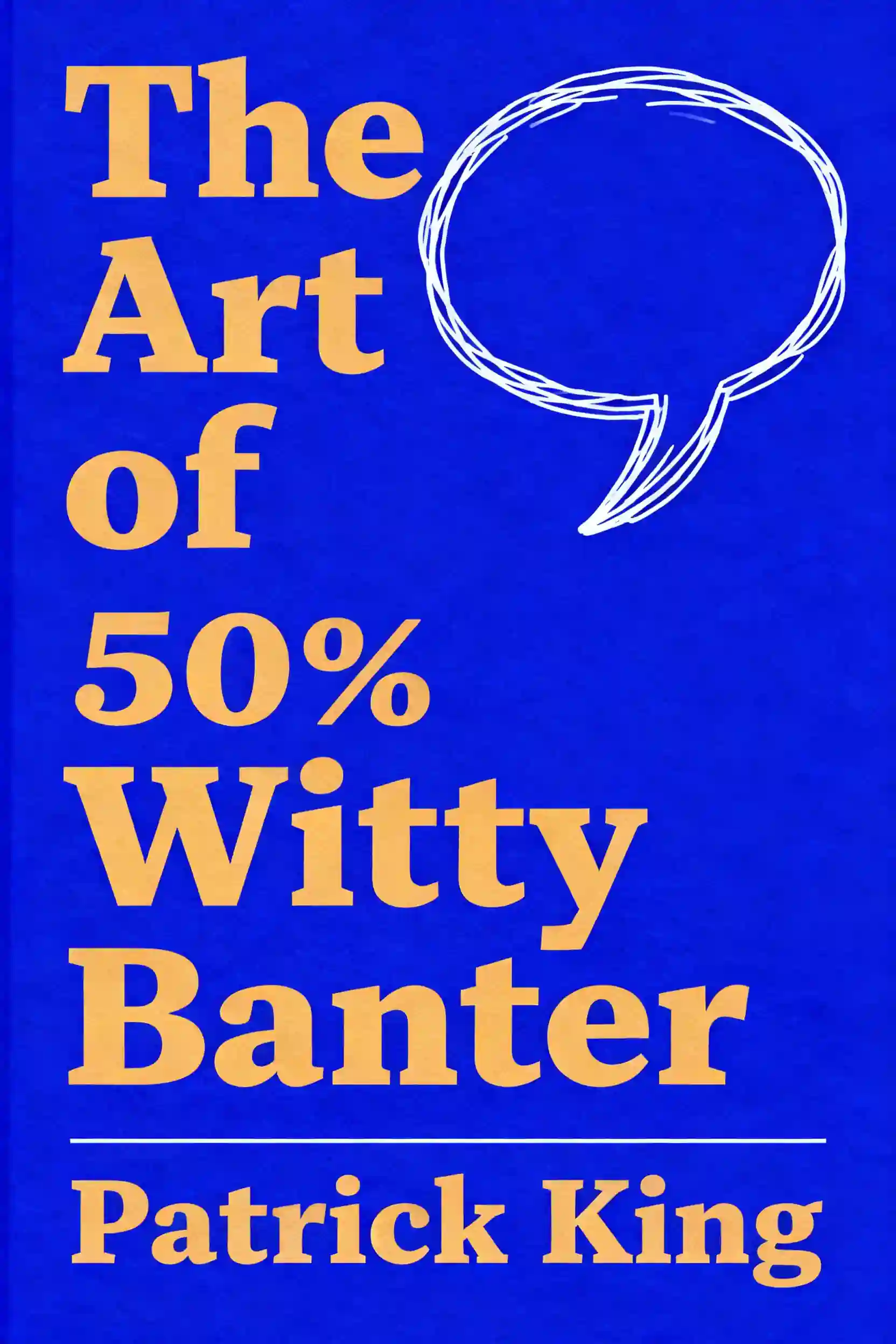
Discover more

Master the Art of Small Talk
Master the Art of Small Talk
Small talk is the gateway to professional opportunities, meaningful relationships, and social confidence. This learning plan equips you with practical techniques to transform from awkward exchanges to engaging conversations, benefiting professionals, introverts, and anyone looking to expand their social network.

Small talks and reduce social anxiety
Small talks and reduce social anxiety
Social anxiety often prevents talented individuals from forming meaningful connections and advancing professionally. This plan is designed for anyone looking to transform social dread into confidence through practical small talk skills and advanced conversational mastery.

Boost social confidence & conversation skills
Boost social confidence & conversation skills
Social confidence and conversation skills are essential for personal and professional success in our interconnected world. This learning plan helps anyone who feels awkward in social situations, struggles with small talk, or wants to develop more meaningful connections with others.

Be a better conversationalist
Be a better conversationalist
Effective communication is the foundation of personal and professional success. This plan is ideal for anyone looking to overcome social anxiety, enhance their professional networking, or build more meaningful personal connections through science-backed social techniques.
Conversation
Conversation
Effective communication is the cornerstone of professional success and personal fulfillment. This plan is designed for anyone looking to transform their social interactions from awkward exchanges into powerful opportunities for connection and influence.
Health, Social Skills & Relationships
Health, Social Skills & Relationships
This plan is essential for anyone looking to bridge the gap between personal well-being and interpersonal success. It is designed for individuals seeking to transform their social confidence and build more secure, scientifically-grounded romantic connections.
Socializing
Socializing
Strong social skills are the foundation of personal and professional success in our interconnected world. This learning plan helps those who struggle with social interactions, feel anxious in group settings, or simply want to elevate their ability to form meaningful connections with others.

Improve social flow
Improve social flow
Social fluency is increasingly essential in both personal and professional contexts, yet many struggle with anxiety or awkwardness in social interactions. This learning plan provides practical techniques for anyone looking to enhance their conversational abilities, build genuine connections, and navigate social environments with greater confidence.
From Columbia University alumni built in San Francisco
"Instead of endless scrolling, I just hit play on BeFreed. It saves me so much time."


"I never knew where to start with nonfiction—BeFreed’s book lists turned into podcasts gave me a clear path."


"Perfect balance between learning and entertainment. Finished ‘Thinking, Fast and Slow’ on my commute this week."
"Crazy how much I learned while walking the dog. BeFreed = small habits → big gains."
"Reading used to feel like a chore. Now it’s just part of my lifestyle."

"Feels effortless compared to reading. I’ve finished 6 books this month already."
"BeFreed turned my guilty doomscrolling into something that feels productive and inspiring."

"BeFreed turned my commute into learning time. 20-min podcasts are perfect for finishing books I never had time for."
"BeFreed replaced my podcast queue. Imagine Spotify for books — that’s it. 🙌"

"It is great for me to learn something from the book without reading it."
"The themed book list podcasts help me connect ideas across authors—like a guided audio journey."
"Makes me feel smarter every time before going to work"
From Columbia University alumni built in San Francisco
"Instead of endless scrolling, I just hit play on BeFreed. It saves me so much time."
"I never knew where to start with nonfiction—BeFreed’s book lists turned into podcasts gave me a clear path."
"Perfect balance between learning and entertainment. Finished ‘Thinking, Fast and Slow’ on my commute this week."
"Crazy how much I learned while walking the dog. BeFreed = small habits → big gains."
"Reading used to feel like a chore. Now it’s just part of my lifestyle."
"Feels effortless compared to reading. I’ve finished 6 books this month already."
"BeFreed turned my guilty doomscrolling into something that feels productive and inspiring."
"BeFreed turned my commute into learning time. 20-min podcasts are perfect for finishing books I never had time for."
"BeFreed replaced my podcast queue. Imagine Spotify for books — that’s it. 🙌"
"It is great for me to learn something from the book without reading it."
"The themed book list podcasts help me connect ideas across authors—like a guided audio journey."
"Makes me feel smarter every time before going to work"
"Instead of endless scrolling, I just hit play on BeFreed. It saves me so much time."
"I never knew where to start with nonfiction—BeFreed’s book lists turned into podcasts gave me a clear path."
"Perfect balance between learning and entertainment. Finished ‘Thinking, Fast and Slow’ on my commute this week."
"Crazy how much I learned while walking the dog. BeFreed = small habits → big gains."
"Reading used to feel like a chore. Now it’s just part of my lifestyle."
"Feels effortless compared to reading. I’ve finished 6 books this month already."
"BeFreed turned my guilty doomscrolling into something that feels productive and inspiring."
"BeFreed turned my commute into learning time. 20-min podcasts are perfect for finishing books I never had time for."
"BeFreed replaced my podcast queue. Imagine Spotify for books — that’s it. 🙌"
"It is great for me to learn something from the book without reading it."
"The themed book list podcasts help me connect ideas across authors—like a guided audio journey."
"Makes me feel smarter every time before going to work"
"Instead of endless scrolling, I just hit play on BeFreed. It saves me so much time."
"I never knew where to start with nonfiction—BeFreed’s book lists turned into podcasts gave me a clear path."
"Perfect balance between learning and entertainment. Finished ‘Thinking, Fast and Slow’ on my commute this week."
"Crazy how much I learned while walking the dog. BeFreed = small habits → big gains."
"Reading used to feel like a chore. Now it’s just part of my lifestyle."
"Feels effortless compared to reading. I’ve finished 6 books this month already."
"BeFreed turned my guilty doomscrolling into something that feels productive and inspiring."
"BeFreed turned my commute into learning time. 20-min podcasts are perfect for finishing books I never had time for."
"BeFreed replaced my podcast queue. Imagine Spotify for books — that’s it. 🙌"
"It is great for me to learn something from the book without reading it."
"The themed book list podcasts help me connect ideas across authors—like a guided audio journey."
"Makes me feel smarter every time before going to work"


