
The Science of Self and Lasting Connection
Explore why the most important relationship is the one with yourself and learn evidence-based strategies to navigate conflict, sustain intimacy, and build a resilient partnership that lasts.

Best quote from The Science of Self and Lasting Connection
The relationship we have with ourselves sets the thermostat for the relationship we have with others. If I’m at peace with my own flaws, I can handle it when my partner points one out without feeling like my whole world is collapsing.

This audio lesson was created by a BeFreed community member
Relationship

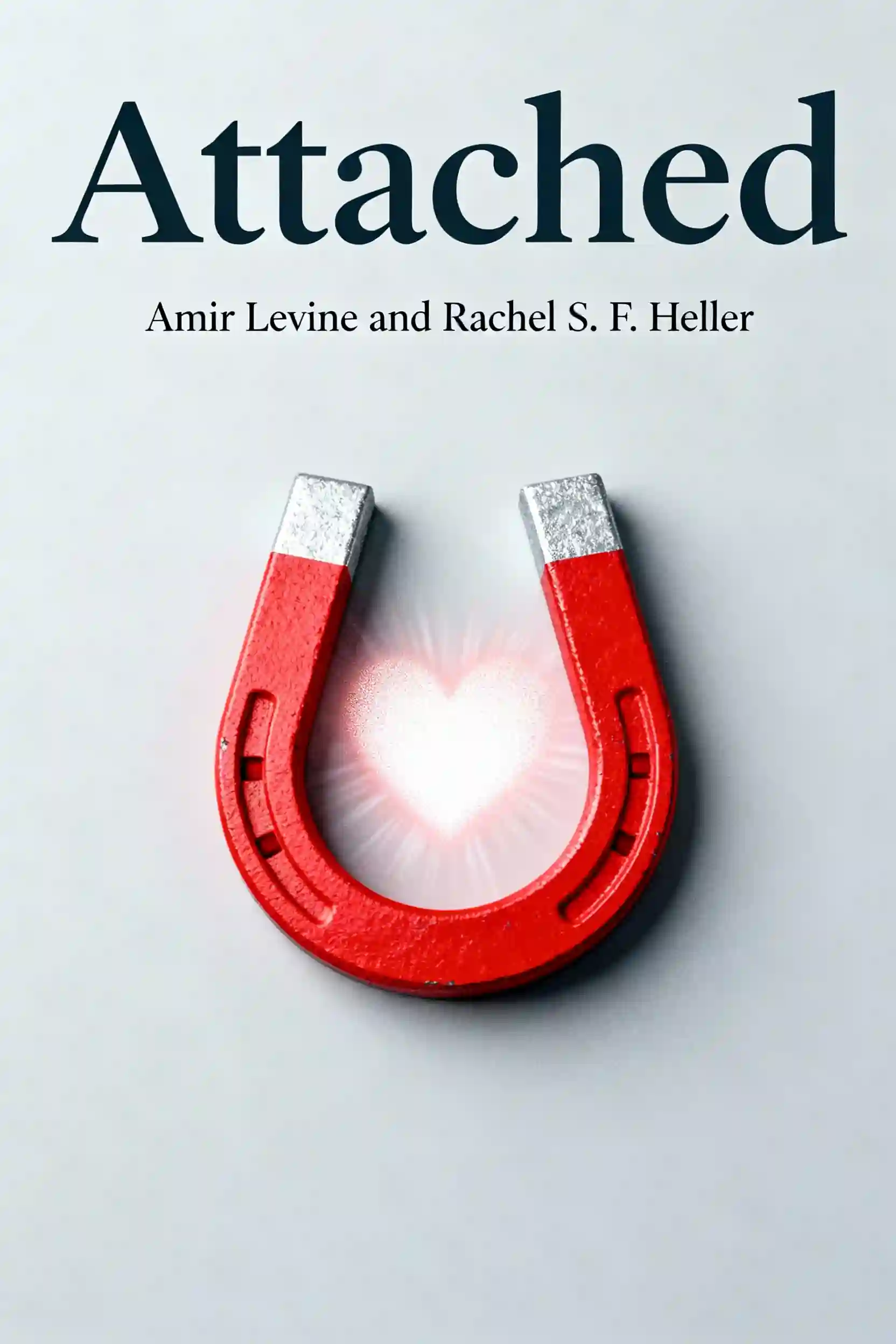
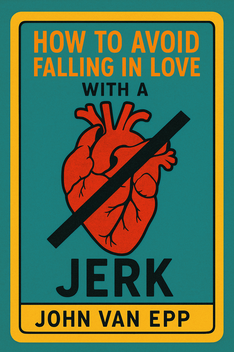
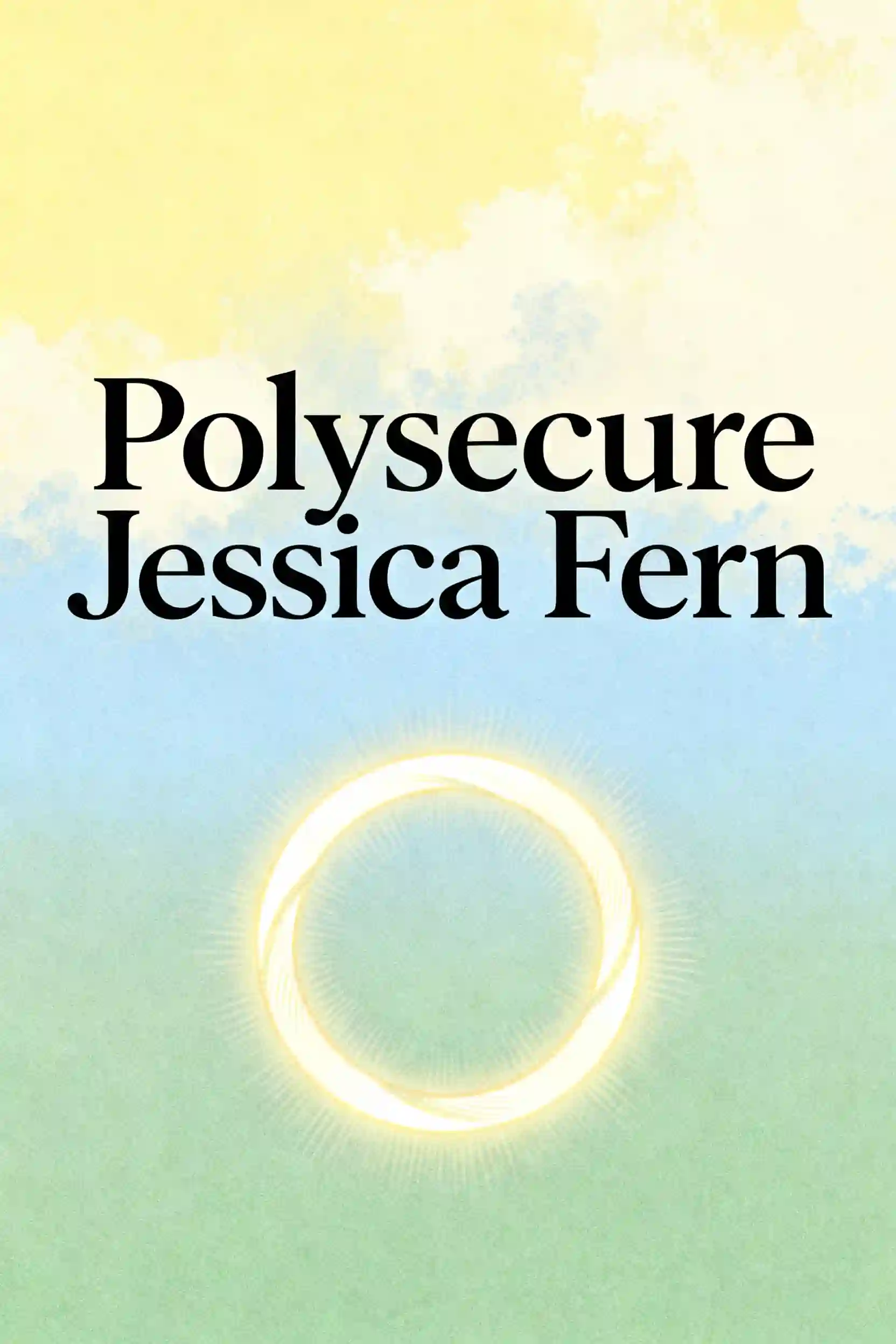
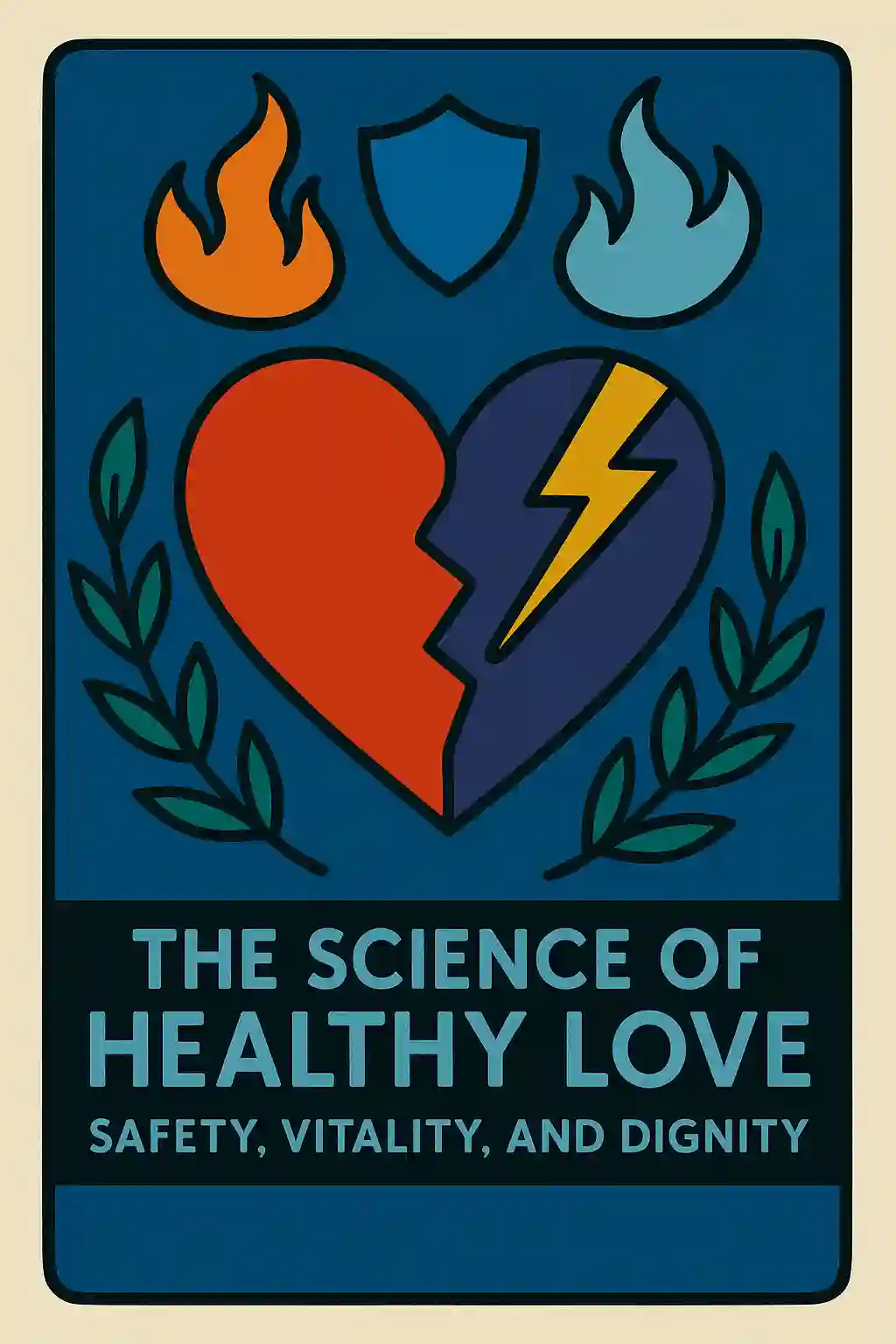
Frequently Asked Questions
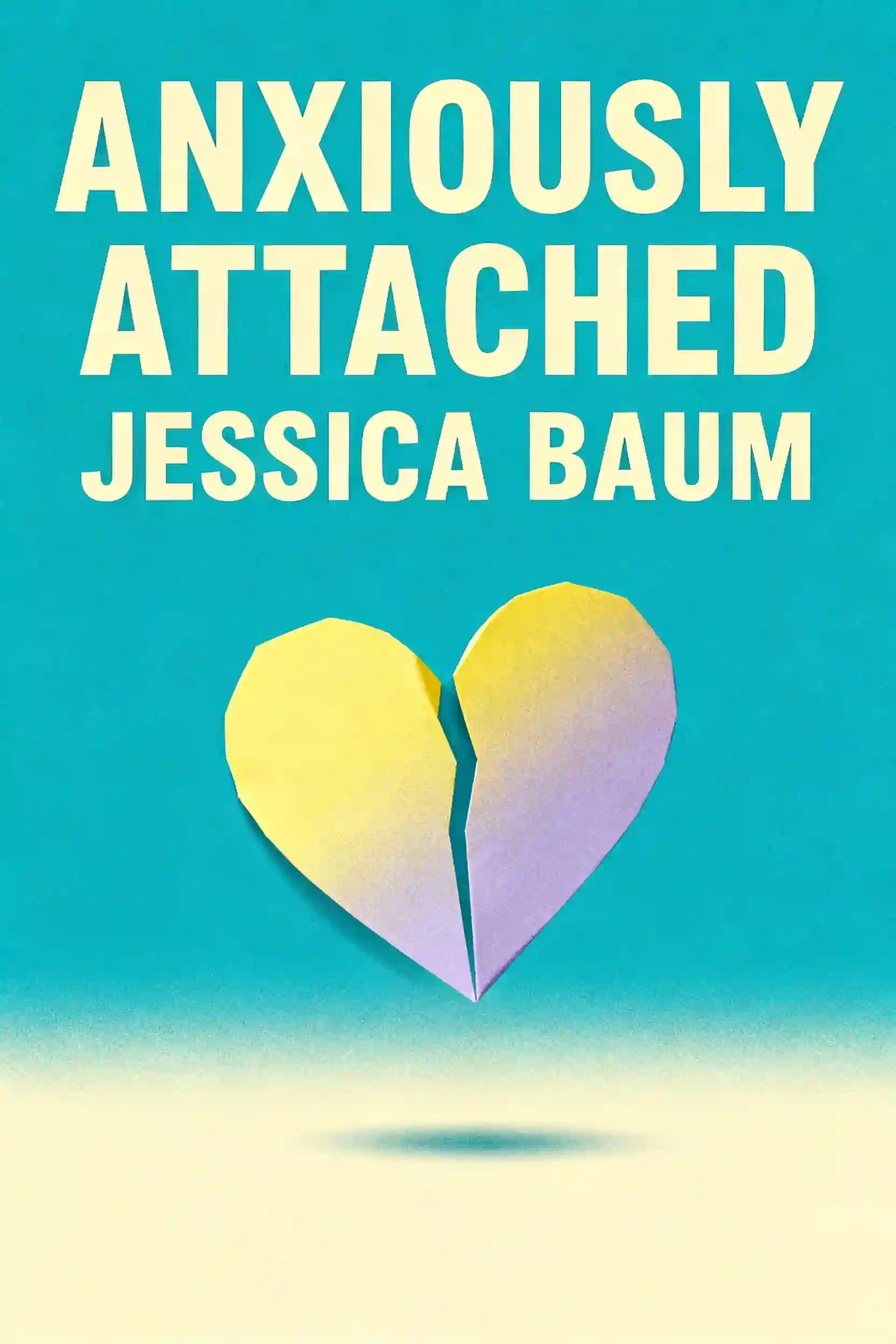
Earned security is the concept that an individual's childhood attachment style does not have to be a permanent destination. While about 42% of adults begin with insecure attachment patterns—such as anxious-ambivalent, avoidant-dismissive, or disorganized—due to early caregiving experiences, they can transition toward a secure style. This is achieved by developing deep self-awareness, processing past experiences, or being in a long-term relationship with a secure partner who models healthy boundaries and consistent emotional safety.
Research suggests that arbitrary timelines, like waiting 90 days to be physically intimate, are not reliable predictors of marital satisfaction. A large study of over 2,000 couples found that any correlation between waiting and satisfaction vanished once researchers controlled for religious values and relationship intentions. The success of a relationship depends more on "value consistency" and communication quality—the reasons why a couple chooses their timing—rather than the specific number of days on a calendar.
The "honeymoon phase," characterized by a high-intensity chemical cocktail of dopamine and oxytocin, typically levels off between 18 months and three years. Studies show that roughly 89% of couples experience a decline in satisfaction during this transition. However, this is considered a natural biological evolution rather than a sign of failure. Successful couples navigate this by transitioning from "limerence" (obsessive early love) into "companionate love," which is rooted in deep friendship and stable adaptive processes.
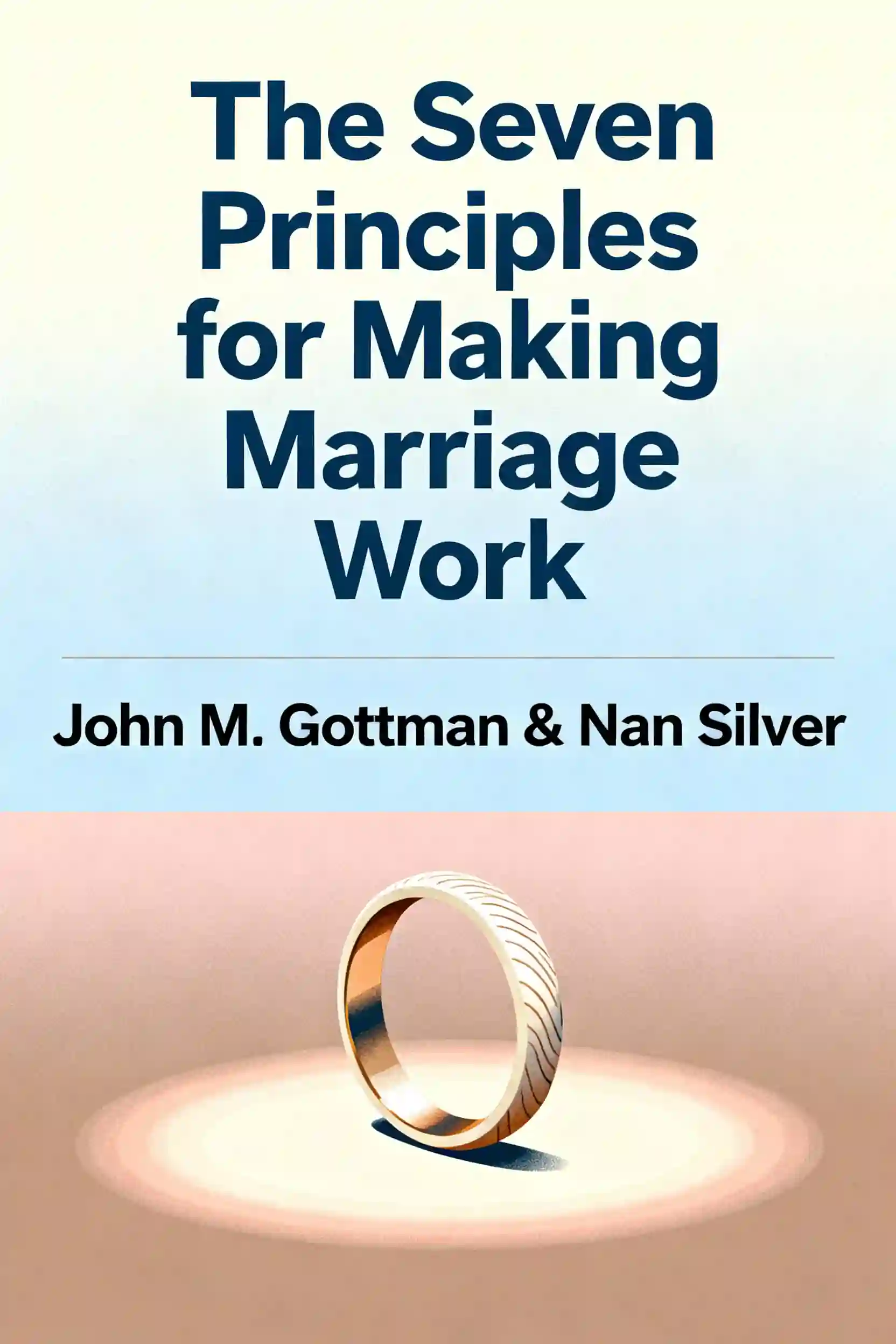
The Four Horsemen are specific communication patterns—Criticism, Contempt, Defensiveness, and Stonewalling—that can predict relationship failure with high accuracy. Among these, Contempt is identified as the most destructive because it involves attacking a partner’s sense of self with the intent to insult. To counter these, experts recommend using "Softened Start-ups" (avoiding blame in the first three minutes of a discussion) and "Repair Attempts," which are small gestures or statements intended to de-escalate tension during a fight.
The 5 to 1 ratio refers to the finding that stable, healthy couples typically have at least five positive interactions for every one negative interaction during a conflict. These positive moments—such as a joke, a gentle touch, or an acknowledgment of the partner's perspective—act as deposits into an "emotional bank account." This cushion of goodwill allows the relationship to survive the "withdrawals" that occur during heated arguments or stressful life events.
Discover more

Self, Relationships & Sexual Wellness
Self, Relationships & Sexual Wellness
This learning plan is essential for anyone seeking to break repetitive relationship patterns and build a more authentic connection with themselves and others. It is designed for individuals and couples who want to bridge the gap between emotional intelligence and physical intimacy through science-based insights.

Build a relationship that lasts
Build a relationship that lasts
This plan is essential for couples and individuals looking to move beyond surface-level connection toward a resilient, lifelong partnership. It is ideal for anyone wanting to break negative relationship cycles and master the science of lasting emotional intimacy.

Science of Love, Desire & Relationships
Science of Love, Desire & Relationships
This plan bridges the gap between biological instinct and psychological awareness to help you navigate modern romance with scientific clarity. It is ideal for anyone seeking to break repetitive relationship cycles or build a more stable, lasting connection with their partner.
Self-Improvement, Science & Human Connection
Self-Improvement, Science & Human Connection
This plan bridges the gap between scientific theory and practical social mastery, making it essential for anyone seeking evidence-based personal growth. It is ideal for professionals and individuals who want to understand the 'why' behind human behavior to improve their relationships and self-influence.

Define self and be a better partner
Define self and be a better partner
This learning plan is essential for individuals seeking to transition from reactive relationship habits to intentional, self-aware partnership. It is ideal for anyone looking to strengthen their personal identity while fostering deeper, more secure connections with their partner.

Intimacy
Intimacy
Modern relationships often struggle due to unexamined attachment styles and a lack of emotional tools. This plan is essential for individuals or couples seeking to move past surface-level interactions and build a resilient, scientifically-backed foundation for lifelong closeness.
From Columbia University alumni built in San Francisco
"Instead of endless scrolling, I just hit play on BeFreed. It saves me so much time."


"I never knew where to start with nonfiction—BeFreed’s book lists turned into podcasts gave me a clear path."


"Perfect balance between learning and entertainment. Finished ‘Thinking, Fast and Slow’ on my commute this week."
"Crazy how much I learned while walking the dog. BeFreed = small habits → big gains."
"Reading used to feel like a chore. Now it’s just part of my lifestyle."

"Feels effortless compared to reading. I’ve finished 6 books this month already."
"BeFreed turned my guilty doomscrolling into something that feels productive and inspiring."

"BeFreed turned my commute into learning time. 20-min podcasts are perfect for finishing books I never had time for."
"BeFreed replaced my podcast queue. Imagine Spotify for books — that’s it. 🙌"

"It is great for me to learn something from the book without reading it."
"The themed book list podcasts help me connect ideas across authors—like a guided audio journey."
"Makes me feel smarter every time before going to work"
From Columbia University alumni built in San Francisco
"Instead of endless scrolling, I just hit play on BeFreed. It saves me so much time."
"I never knew where to start with nonfiction—BeFreed’s book lists turned into podcasts gave me a clear path."
"Perfect balance between learning and entertainment. Finished ‘Thinking, Fast and Slow’ on my commute this week."
"Crazy how much I learned while walking the dog. BeFreed = small habits → big gains."
"Reading used to feel like a chore. Now it’s just part of my lifestyle."
"Feels effortless compared to reading. I’ve finished 6 books this month already."
"BeFreed turned my guilty doomscrolling into something that feels productive and inspiring."
"BeFreed turned my commute into learning time. 20-min podcasts are perfect for finishing books I never had time for."
"BeFreed replaced my podcast queue. Imagine Spotify for books — that’s it. 🙌"
"It is great for me to learn something from the book without reading it."
"The themed book list podcasts help me connect ideas across authors—like a guided audio journey."
"Makes me feel smarter every time before going to work"
"Instead of endless scrolling, I just hit play on BeFreed. It saves me so much time."
"I never knew where to start with nonfiction—BeFreed’s book lists turned into podcasts gave me a clear path."
"Perfect balance between learning and entertainment. Finished ‘Thinking, Fast and Slow’ on my commute this week."
"Crazy how much I learned while walking the dog. BeFreed = small habits → big gains."
"Reading used to feel like a chore. Now it’s just part of my lifestyle."
"Feels effortless compared to reading. I’ve finished 6 books this month already."
"BeFreed turned my guilty doomscrolling into something that feels productive and inspiring."
"BeFreed turned my commute into learning time. 20-min podcasts are perfect for finishing books I never had time for."
"BeFreed replaced my podcast queue. Imagine Spotify for books — that’s it. 🙌"
"It is great for me to learn something from the book without reading it."
"The themed book list podcasts help me connect ideas across authors—like a guided audio journey."
"Makes me feel smarter every time before going to work"
"Instead of endless scrolling, I just hit play on BeFreed. It saves me so much time."
"I never knew where to start with nonfiction—BeFreed’s book lists turned into podcasts gave me a clear path."
"Perfect balance between learning and entertainment. Finished ‘Thinking, Fast and Slow’ on my commute this week."
"Crazy how much I learned while walking the dog. BeFreed = small habits → big gains."
"Reading used to feel like a chore. Now it’s just part of my lifestyle."
"Feels effortless compared to reading. I’ve finished 6 books this month already."
"BeFreed turned my guilty doomscrolling into something that feels productive and inspiring."
"BeFreed turned my commute into learning time. 20-min podcasts are perfect for finishing books I never had time for."
"BeFreed replaced my podcast queue. Imagine Spotify for books — that’s it. 🙌"
"It is great for me to learn something from the book without reading it."
"The themed book list podcasts help me connect ideas across authors—like a guided audio journey."
"Makes me feel smarter every time before going to work"


