
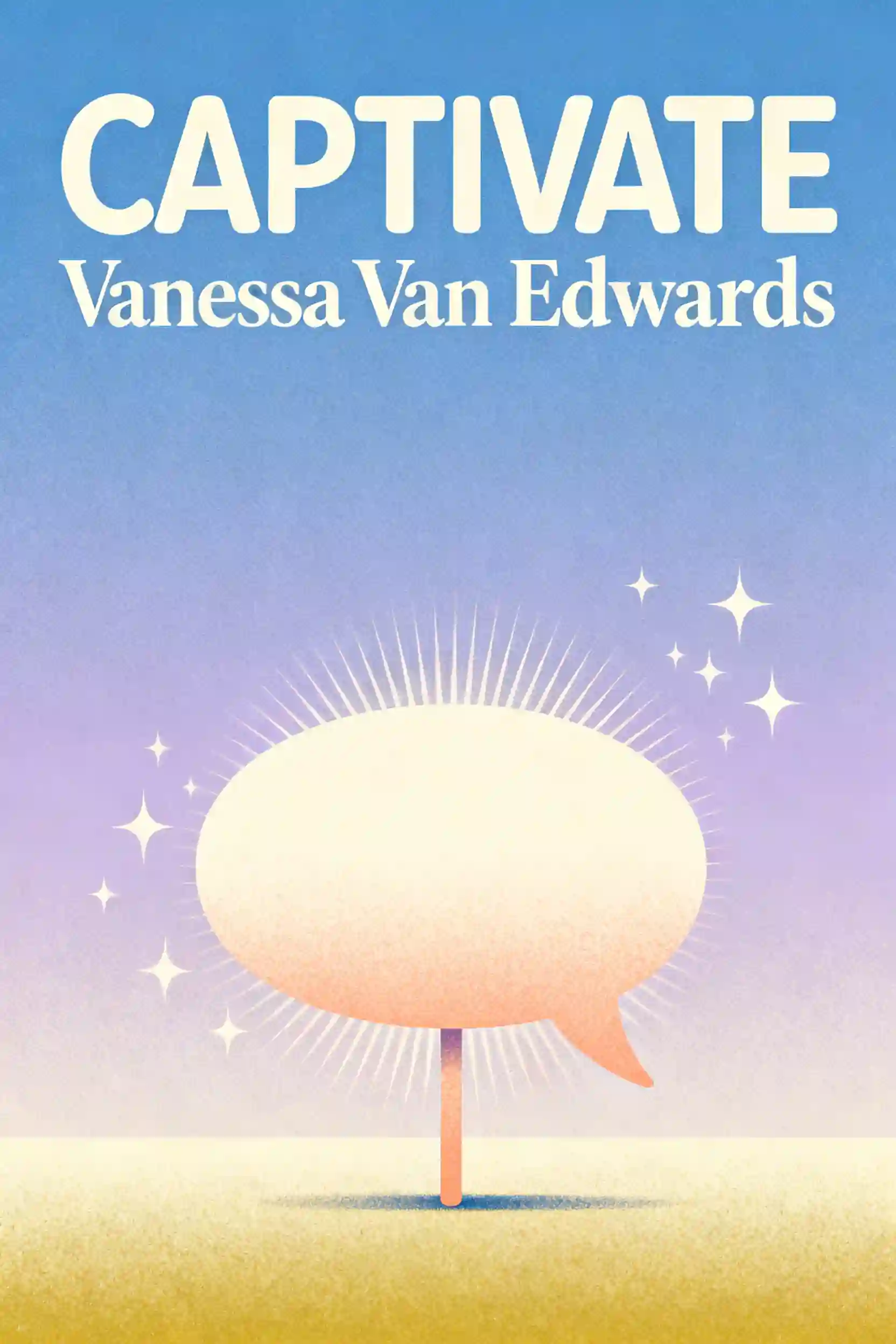
The Science of Instant Magnetic Influence
Master the neurochemical framework of presence, power, and warmth to trigger instant connection and command any room with learnable charisma.

Best quote from The Science of Instant Magnetic Influence
Charisma is not a lucky genetic lottery, but a learnable skill that triggers the reward centers in another person's brain through a balance of presence, power, and warmth.

This audio lesson was created by a BeFreed community member
Iwant to learn the science of charisma and make anyone like me instantly. Please build me a plan based on your understanding of me.


Frequently Asked Questions
Charisma is built on a framework consisting of presence, power, and warmth. Presence involves using the prefrontal cortex to manage your attention so that the person you are with feels like the only soul in the room. Power is the ability to convey competence and authority through nonverbal cues, which triggers the dopamine reward system in others. Warmth is the signaling of genuine care and approachability, which releases oxytocin and builds instant trust.
Charisma is literally contagious because of mirror neurons in the brain. When a leader displays enthusiasm or confidence, the mirror neurons of their followers fire in a way that mimics that emotional state, causing them to associate those positive feelings with the leader. However, this can also have a negative cascading effect; if a leader is stressed or anxious, those negative emotions can "poison" the room and lower the charisma levels of everyone in their orbit.
While people can attempt to "act" charismatic, the human brain is highly evolved to detect "social cheaters" through micro-expressions. For example, a "Duchenne smile" involves specific muscles around the eyes that are difficult to fake without genuine emotion. If your nonverbal signals are inconsistent—such as having a warm face but a stiff, defensive body—it triggers the "uncanny valley" effect, causing others to feel a sense of distrust or manipulation.
Research shows that people make judgments about a person's charisma in as little as 5 to 30 seconds. During this "thin slice" window, the brain processes status cues like posture, gaze, and gesturing before the conscious mind even registers the words being spoken. To master this window, one should use expansive posture, maintain steady eye contact while speaking, and show open palms to signal both power and receptivity.
The distinction lies in the ethical application of influence. Socialized charismatic leaders use their presence, power, and warmth to empower others and achieve collective goals, prioritizing the well-being of the group. In contrast, personalized leaders use these same neurochemical "hacks" for their own ego or gain. While both can be effective in the short term, only socialized leadership fosters long-term loyalty and sustainable trust.
Discover more

Master the Science of Instant Charisma
Master the Science of Instant Charisma
In an era where first impressions are digital and fleeting, mastering the mechanics of presence is a critical competitive advantage. This plan is designed for aspiring leaders and professionals who want to back their technical skills with the scientific power of magnetic influence.

Master Charisma Science for Instant Rapport
Master Charisma Science for Instant Rapport
Understanding the science of charisma is essential for professionals who want to lead with authority and build instant trust. This plan is ideal for leaders, networking enthusiasts, and anyone looking to enhance their social influence and nonverbal communication skills.

Become magnetic in conversation
Become magnetic in conversation
In an era of digital distraction, the ability to command a room and connect deeply is a rare competitive advantage. This plan is designed for professionals and social seekers who want to transform their interpersonal impact through science-backed communication techniques.

Be more magnetic
Be more magnetic
In an increasingly digital world, the ability to command a room and connect deeply with others is a rare competitive advantage. This plan is ideal for professionals and leaders looking to enhance their influence and social mastery through authentic presence and emotional intelligence.
Effortless attraction and confidence
Effortless attraction and confidence
This plan is designed for individuals seeking to enhance their social influence and personal presence without appearing forced. It benefits professionals, leaders, and anyone looking to build deeper connections by mastering the psychology of charisma and nonverbal communication.
Master Attraction Skills & Knowledge
Master Attraction Skills & Knowledge
This plan is essential for anyone looking to improve their interpersonal influence and romantic life by merging science with social mastery. It benefits individuals seeking to build authentic confidence and sophisticated communication skills for lasting connections.
How to appear more attractive in a crowd
How to appear more attractive in a crowd
In a world where first impressions are made in seconds, mastering social magnetism is a vital professional and personal asset. This plan is designed for individuals looking to elevate their presence, improve their networking efficacy, and lead with a charismatic authority that naturally attracts others.
Master Social Attraction with Psychology
Master Social Attraction with Psychology
Understanding the mechanics of human connection is essential for anyone looking to improve their social, professional, or romantic life. This plan is ideal for individuals seeking to replace social anxiety with psychological insight and magnetic presence.
From Columbia University alumni built in San Francisco
"Instead of endless scrolling, I just hit play on BeFreed. It saves me so much time."


"I never knew where to start with nonfiction—BeFreed’s book lists turned into podcasts gave me a clear path."


"Perfect balance between learning and entertainment. Finished ‘Thinking, Fast and Slow’ on my commute this week."
"Crazy how much I learned while walking the dog. BeFreed = small habits → big gains."
"Reading used to feel like a chore. Now it’s just part of my lifestyle."

"Feels effortless compared to reading. I’ve finished 6 books this month already."
"BeFreed turned my guilty doomscrolling into something that feels productive and inspiring."

"BeFreed turned my commute into learning time. 20-min podcasts are perfect for finishing books I never had time for."
"BeFreed replaced my podcast queue. Imagine Spotify for books — that’s it. 🙌"

"It is great for me to learn something from the book without reading it."
"The themed book list podcasts help me connect ideas across authors—like a guided audio journey."
"Makes me feel smarter every time before going to work"
From Columbia University alumni built in San Francisco
"Instead of endless scrolling, I just hit play on BeFreed. It saves me so much time."
"I never knew where to start with nonfiction—BeFreed’s book lists turned into podcasts gave me a clear path."
"Perfect balance between learning and entertainment. Finished ‘Thinking, Fast and Slow’ on my commute this week."
"Crazy how much I learned while walking the dog. BeFreed = small habits → big gains."
"Reading used to feel like a chore. Now it’s just part of my lifestyle."
"Feels effortless compared to reading. I’ve finished 6 books this month already."
"BeFreed turned my guilty doomscrolling into something that feels productive and inspiring."
"BeFreed turned my commute into learning time. 20-min podcasts are perfect for finishing books I never had time for."
"BeFreed replaced my podcast queue. Imagine Spotify for books — that’s it. 🙌"
"It is great for me to learn something from the book without reading it."
"The themed book list podcasts help me connect ideas across authors—like a guided audio journey."
"Makes me feel smarter every time before going to work"
"Instead of endless scrolling, I just hit play on BeFreed. It saves me so much time."
"I never knew where to start with nonfiction—BeFreed’s book lists turned into podcasts gave me a clear path."
"Perfect balance between learning and entertainment. Finished ‘Thinking, Fast and Slow’ on my commute this week."
"Crazy how much I learned while walking the dog. BeFreed = small habits → big gains."
"Reading used to feel like a chore. Now it’s just part of my lifestyle."
"Feels effortless compared to reading. I’ve finished 6 books this month already."
"BeFreed turned my guilty doomscrolling into something that feels productive and inspiring."
"BeFreed turned my commute into learning time. 20-min podcasts are perfect for finishing books I never had time for."
"BeFreed replaced my podcast queue. Imagine Spotify for books — that’s it. 🙌"
"It is great for me to learn something from the book without reading it."
"The themed book list podcasts help me connect ideas across authors—like a guided audio journey."
"Makes me feel smarter every time before going to work"
"Instead of endless scrolling, I just hit play on BeFreed. It saves me so much time."
"I never knew where to start with nonfiction—BeFreed’s book lists turned into podcasts gave me a clear path."
"Perfect balance between learning and entertainment. Finished ‘Thinking, Fast and Slow’ on my commute this week."
"Crazy how much I learned while walking the dog. BeFreed = small habits → big gains."
"Reading used to feel like a chore. Now it’s just part of my lifestyle."
"Feels effortless compared to reading. I’ve finished 6 books this month already."
"BeFreed turned my guilty doomscrolling into something that feels productive and inspiring."
"BeFreed turned my commute into learning time. 20-min podcasts are perfect for finishing books I never had time for."
"BeFreed replaced my podcast queue. Imagine Spotify for books — that’s it. 🙌"
"It is great for me to learn something from the book without reading it."
"The themed book list podcasts help me connect ideas across authors—like a guided audio journey."
"Makes me feel smarter every time before going to work"


