
The Science of Being Genuinely Likable
Discover the two research-backed habits that make people magnetic and socially included. Learn why 'just be yourself' fails and how to master the learnable skills of authentic popularity.

Best quote from The Science of Being Genuinely Likable
The most likable people don't just 'be themselves' — they actively work on becoming the kind of person others want to be around by shifting from self-focus to other-focus. When you stop trying to be impressive and start trying to be genuinely interested, likability becomes a natural byproduct.

This audio lesson was created by a BeFreed community member
To be well liked and having good social life and always being included

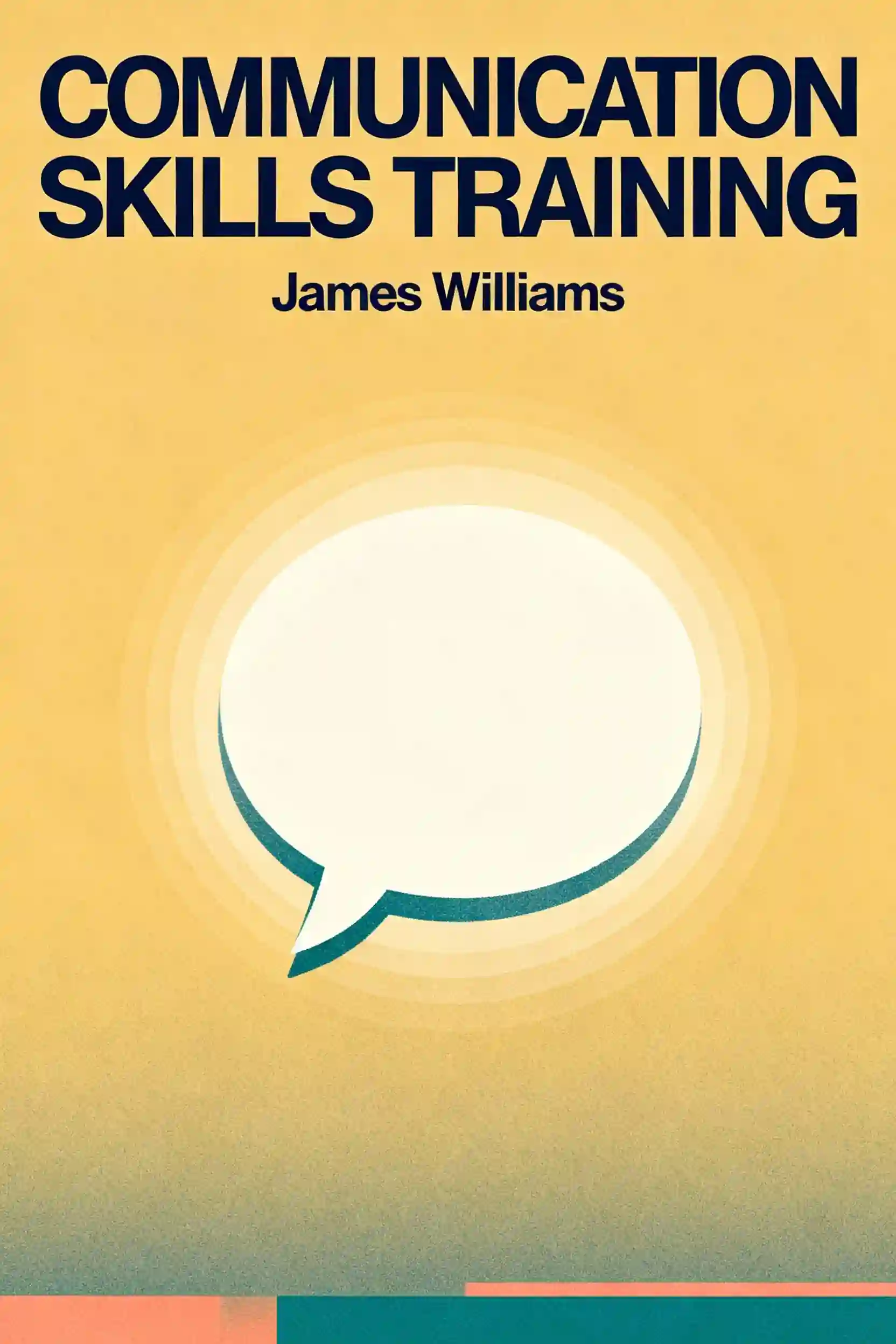
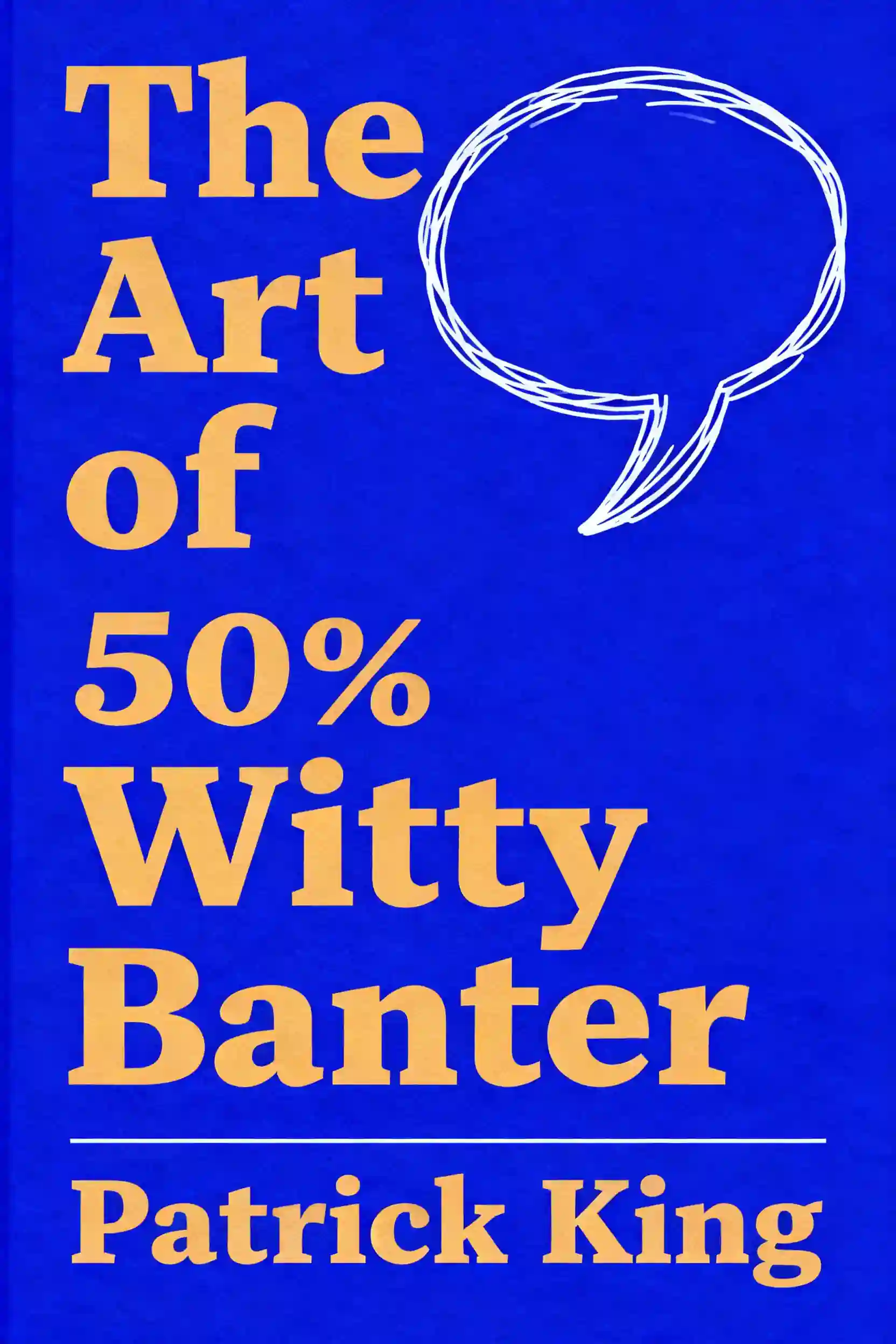
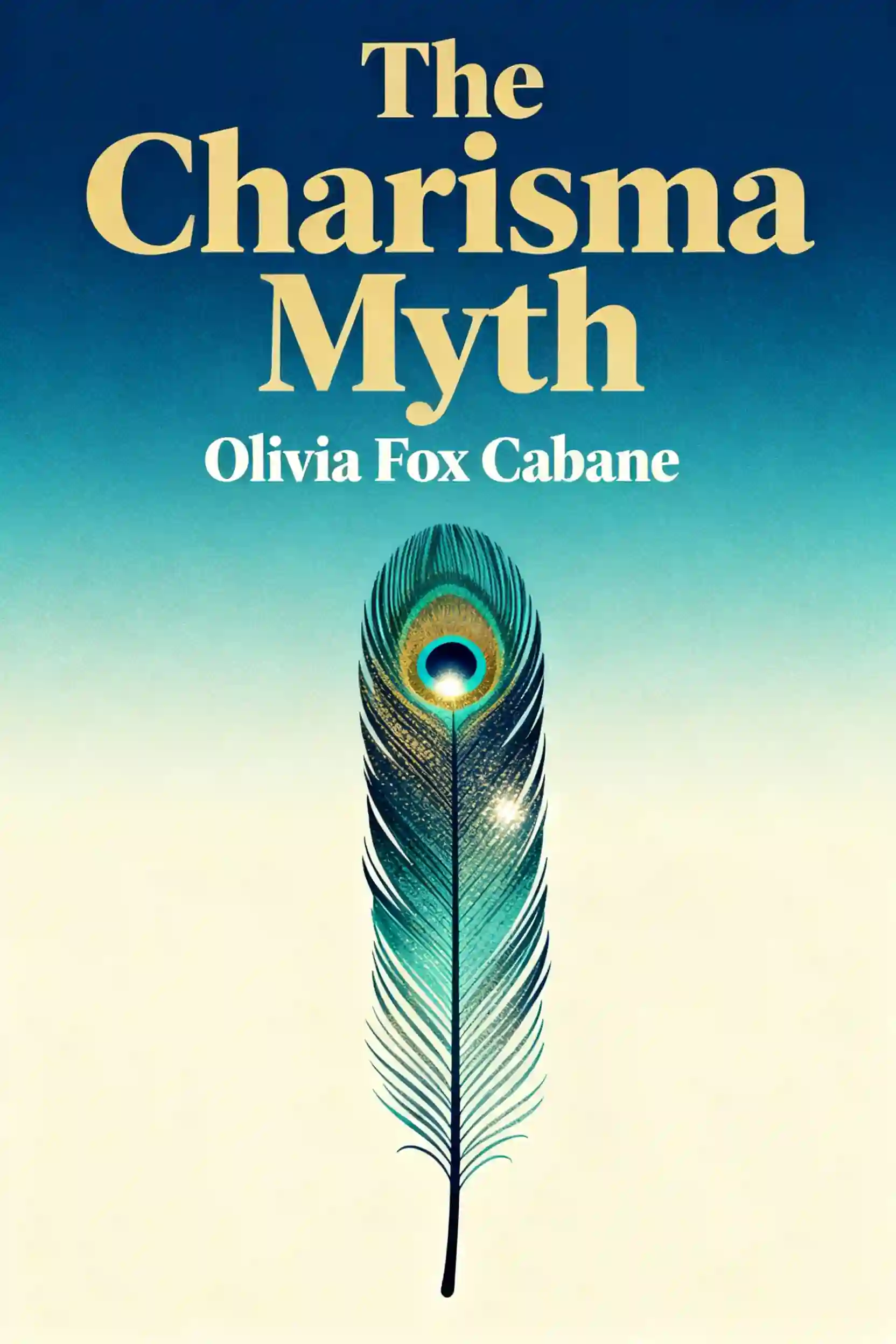
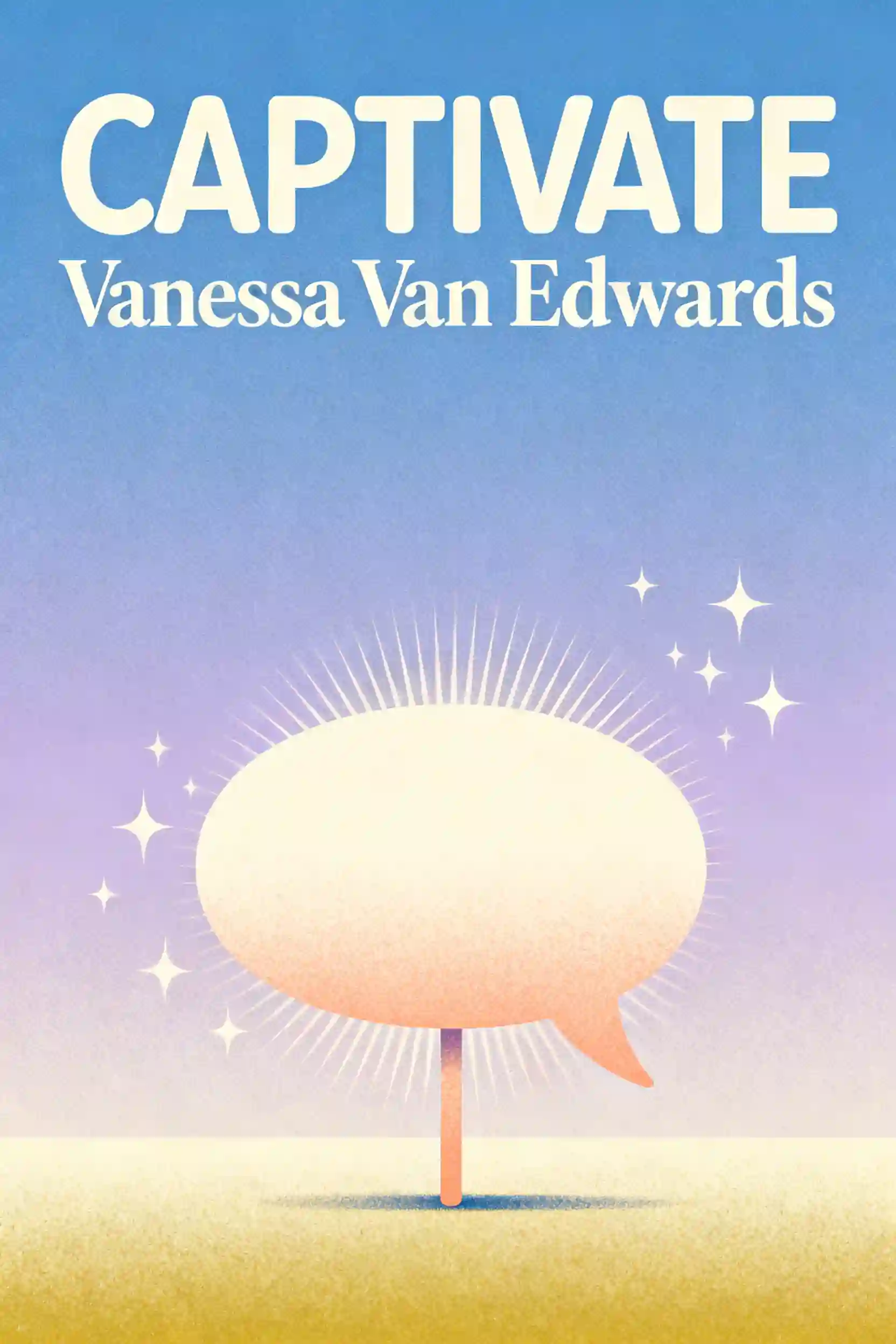
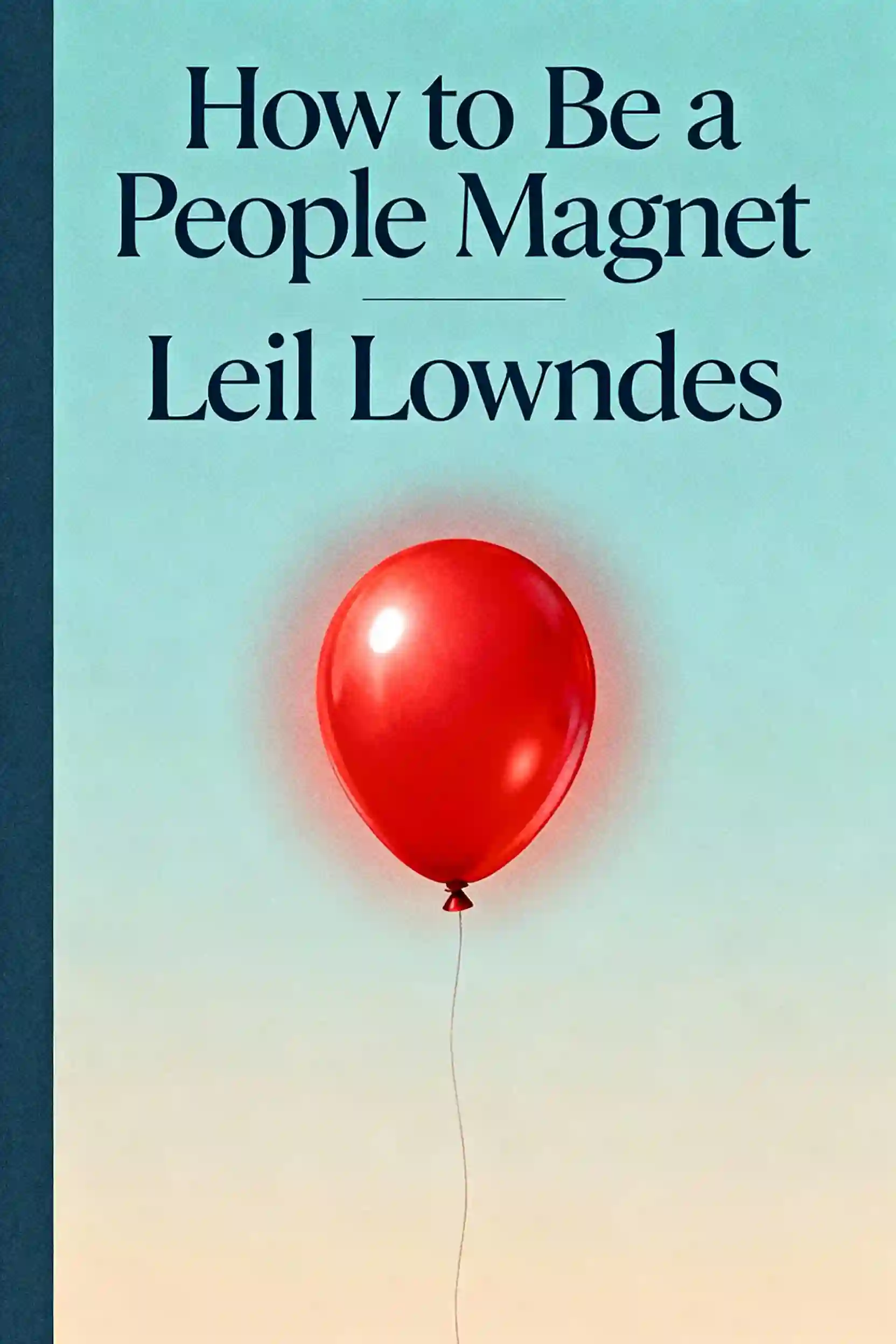
Discover more

Psychology to be Likable Without Looks
Psychology to be Likable Without Looks
This learning plan is essential for anyone looking to enhance their social influence and personal charisma through science-backed psychological principles. It is ideal for professionals, introverts, or anyone seeking to build genuine connections and a magnetic presence regardless of their physical appearance.

Become a People Magnet
Become a People Magnet
Social magnetism is a learnable skill that transforms how you connect with others in both personal and professional settings. This plan benefits anyone looking to enhance their social influence, overcome awkwardness, and build meaningful relationships that open doors.

Charisma, and be more likeable
Charisma, and be more likeable
In today's professional and social landscapes, the ability to connect with others is a critical competitive advantage. This plan is designed for professionals, leaders, and anyone looking to enhance their social influence and authentic presence through science-based techniques.
Be Magnetic & Build Genuine Connections
Be Magnetic & Build Genuine Connections
In an increasingly digital world, the ability to forge genuine human connections is a critical competitive advantage. This plan is ideal for professionals, leaders, and individuals looking to enhance their social capital through the science of charisma and emotional intelligence.
How to become more attractive in the crowd
How to become more attractive in the crowd
In an increasingly competitive world, personal magnetism is a vital skill for leadership and networking. This plan is designed for professionals and individuals looking to enhance their social authority, master non-verbal communication, and become the most compelling person in any room.

Master the Science of Instant Charisma
Master the Science of Instant Charisma
In an era where first impressions are digital and fleeting, mastering the mechanics of presence is a critical competitive advantage. This plan is designed for aspiring leaders and professionals who want to back their technical skills with the scientific power of magnetic influence.

Master Instant Likability and Attraction
Master Instant Likability and Attraction
In today’s social and professional landscapes, the ability to connect instantly is a superpower. This plan is designed for anyone looking to boost their social intelligence, from professionals wanting to influence stakeholders to individuals seeking deeper personal connections.
Become universally desired
Become universally desired
Personal magnetism isn't just for celebrities or influencers—it's a learnable skill set that transforms how others perceive and respond to you. This plan teaches the psychological foundations and practical techniques of authentic appeal, benefiting anyone seeking deeper connections, greater influence, or enhanced professional and personal relationships.
From Columbia University alumni built in San Francisco
"Instead of endless scrolling, I just hit play on BeFreed. It saves me so much time."


"I never knew where to start with nonfiction—BeFreed’s book lists turned into podcasts gave me a clear path."


"Perfect balance between learning and entertainment. Finished ‘Thinking, Fast and Slow’ on my commute this week."
"Crazy how much I learned while walking the dog. BeFreed = small habits → big gains."
"Reading used to feel like a chore. Now it’s just part of my lifestyle."

"Feels effortless compared to reading. I’ve finished 6 books this month already."
"BeFreed turned my guilty doomscrolling into something that feels productive and inspiring."

"BeFreed turned my commute into learning time. 20-min podcasts are perfect for finishing books I never had time for."
"BeFreed replaced my podcast queue. Imagine Spotify for books — that’s it. 🙌"

"It is great for me to learn something from the book without reading it."
"The themed book list podcasts help me connect ideas across authors—like a guided audio journey."
"Makes me feel smarter every time before going to work"
From Columbia University alumni built in San Francisco
"Instead of endless scrolling, I just hit play on BeFreed. It saves me so much time."
"I never knew where to start with nonfiction—BeFreed’s book lists turned into podcasts gave me a clear path."
"Perfect balance between learning and entertainment. Finished ‘Thinking, Fast and Slow’ on my commute this week."
"Crazy how much I learned while walking the dog. BeFreed = small habits → big gains."
"Reading used to feel like a chore. Now it’s just part of my lifestyle."
"Feels effortless compared to reading. I’ve finished 6 books this month already."
"BeFreed turned my guilty doomscrolling into something that feels productive and inspiring."
"BeFreed turned my commute into learning time. 20-min podcasts are perfect for finishing books I never had time for."
"BeFreed replaced my podcast queue. Imagine Spotify for books — that’s it. 🙌"
"It is great for me to learn something from the book without reading it."
"The themed book list podcasts help me connect ideas across authors—like a guided audio journey."
"Makes me feel smarter every time before going to work"
"Instead of endless scrolling, I just hit play on BeFreed. It saves me so much time."
"I never knew where to start with nonfiction—BeFreed’s book lists turned into podcasts gave me a clear path."
"Perfect balance between learning and entertainment. Finished ‘Thinking, Fast and Slow’ on my commute this week."
"Crazy how much I learned while walking the dog. BeFreed = small habits → big gains."
"Reading used to feel like a chore. Now it’s just part of my lifestyle."
"Feels effortless compared to reading. I’ve finished 6 books this month already."
"BeFreed turned my guilty doomscrolling into something that feels productive and inspiring."
"BeFreed turned my commute into learning time. 20-min podcasts are perfect for finishing books I never had time for."
"BeFreed replaced my podcast queue. Imagine Spotify for books — that’s it. 🙌"
"It is great for me to learn something from the book without reading it."
"The themed book list podcasts help me connect ideas across authors—like a guided audio journey."
"Makes me feel smarter every time before going to work"
"Instead of endless scrolling, I just hit play on BeFreed. It saves me so much time."
"I never knew where to start with nonfiction—BeFreed’s book lists turned into podcasts gave me a clear path."
"Perfect balance between learning and entertainment. Finished ‘Thinking, Fast and Slow’ on my commute this week."
"Crazy how much I learned while walking the dog. BeFreed = small habits → big gains."
"Reading used to feel like a chore. Now it’s just part of my lifestyle."
"Feels effortless compared to reading. I’ve finished 6 books this month already."
"BeFreed turned my guilty doomscrolling into something that feels productive and inspiring."
"BeFreed turned my commute into learning time. 20-min podcasts are perfect for finishing books I never had time for."
"BeFreed replaced my podcast queue. Imagine Spotify for books — that’s it. 🙌"
"It is great for me to learn something from the book without reading it."
"The themed book list podcasts help me connect ideas across authors—like a guided audio journey."
"Makes me feel smarter every time before going to work"


