
The Science Behind Human Attractiveness
Exploring the fascinating tension between hardwired beauty preferences and cultural influences, from evolutionary psychology to the neuroscience of first impressions.

Best quote from The Science Behind Human Attractiveness
Physical beauty might be the initial hook, but it's rarely what keeps people connected long-term; the most sustainable path to attractiveness is becoming someone others genuinely enjoy being around through warmth, competence, and authenticity.

This audio lesson was created by a BeFreed community member
Attractiveness

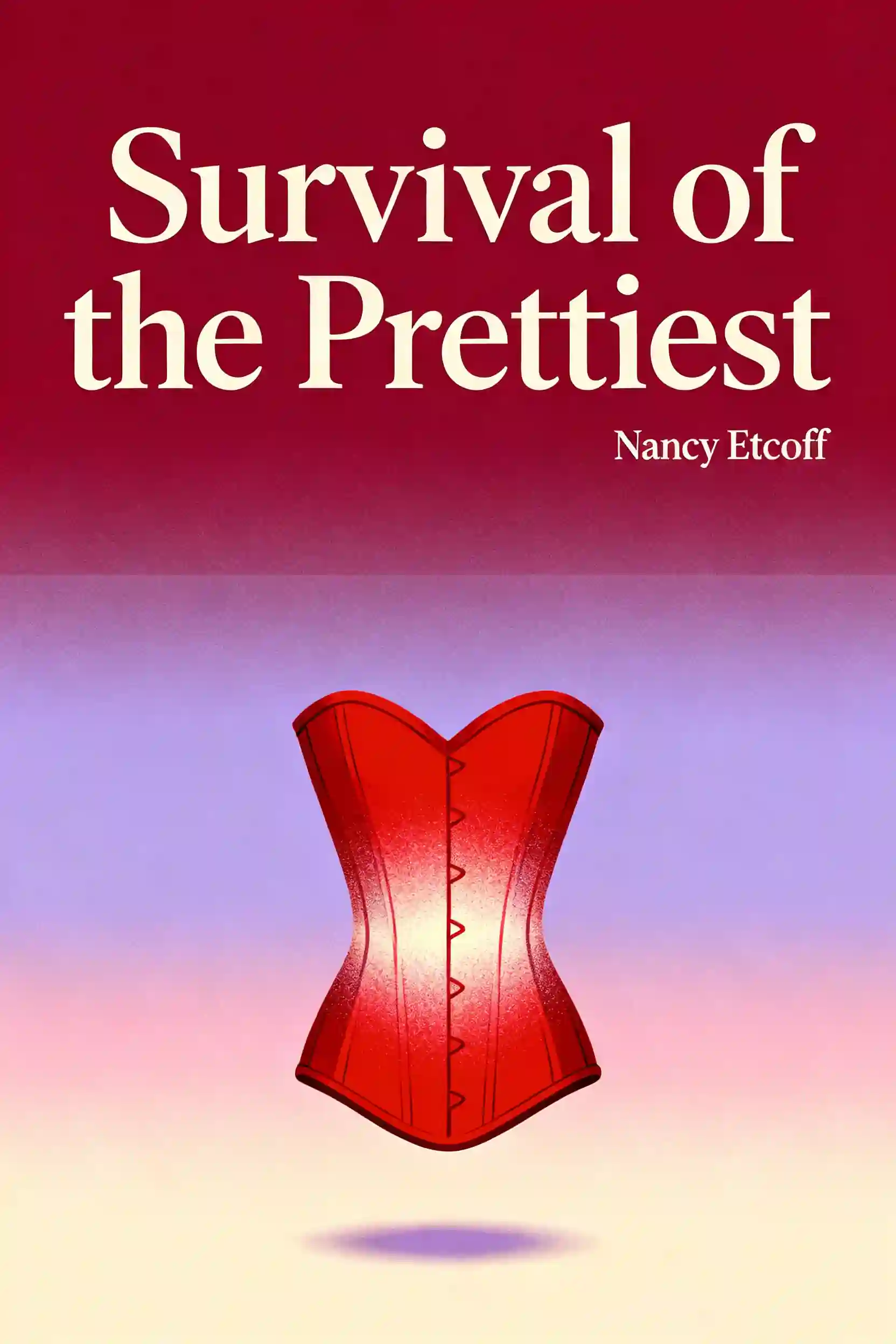
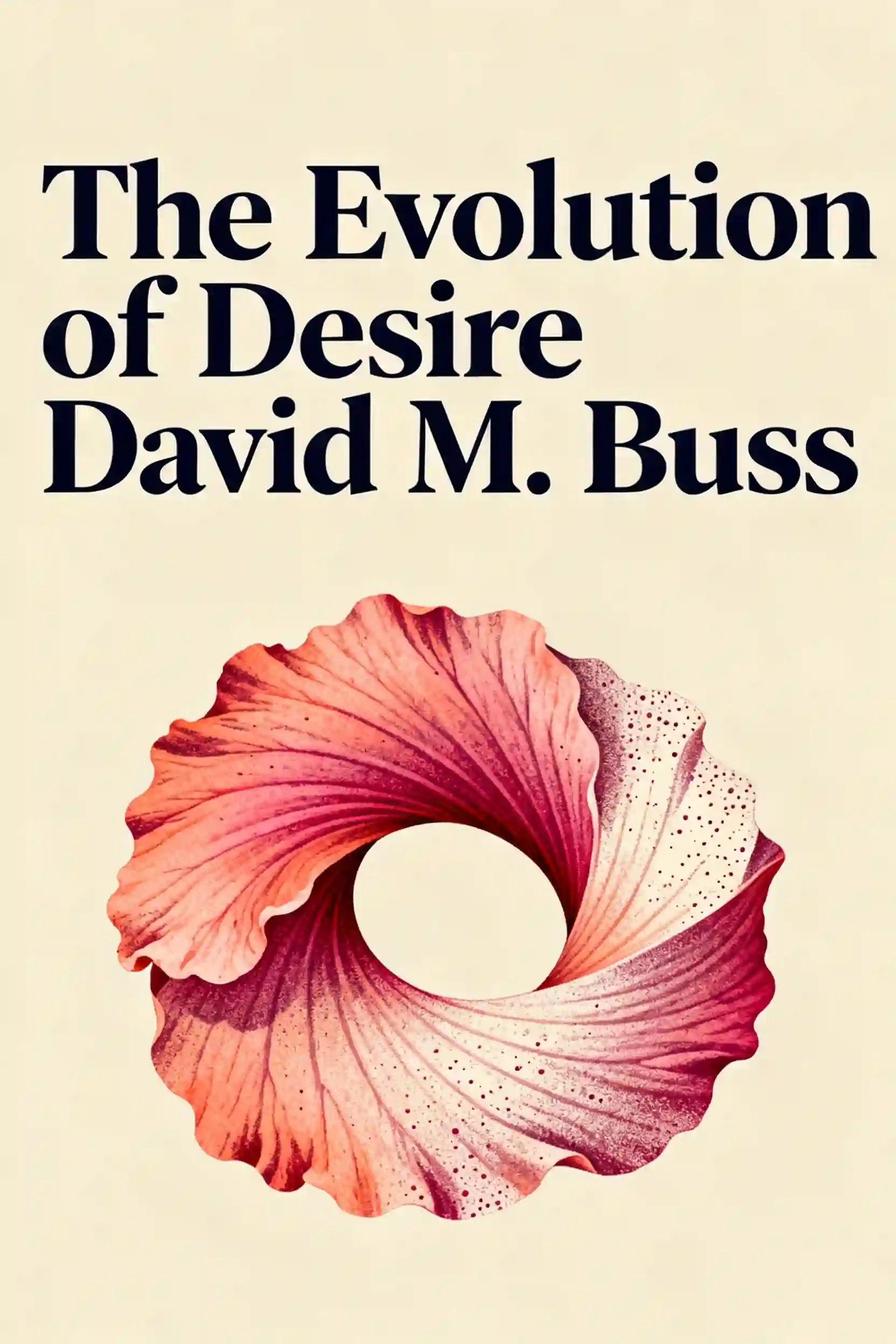
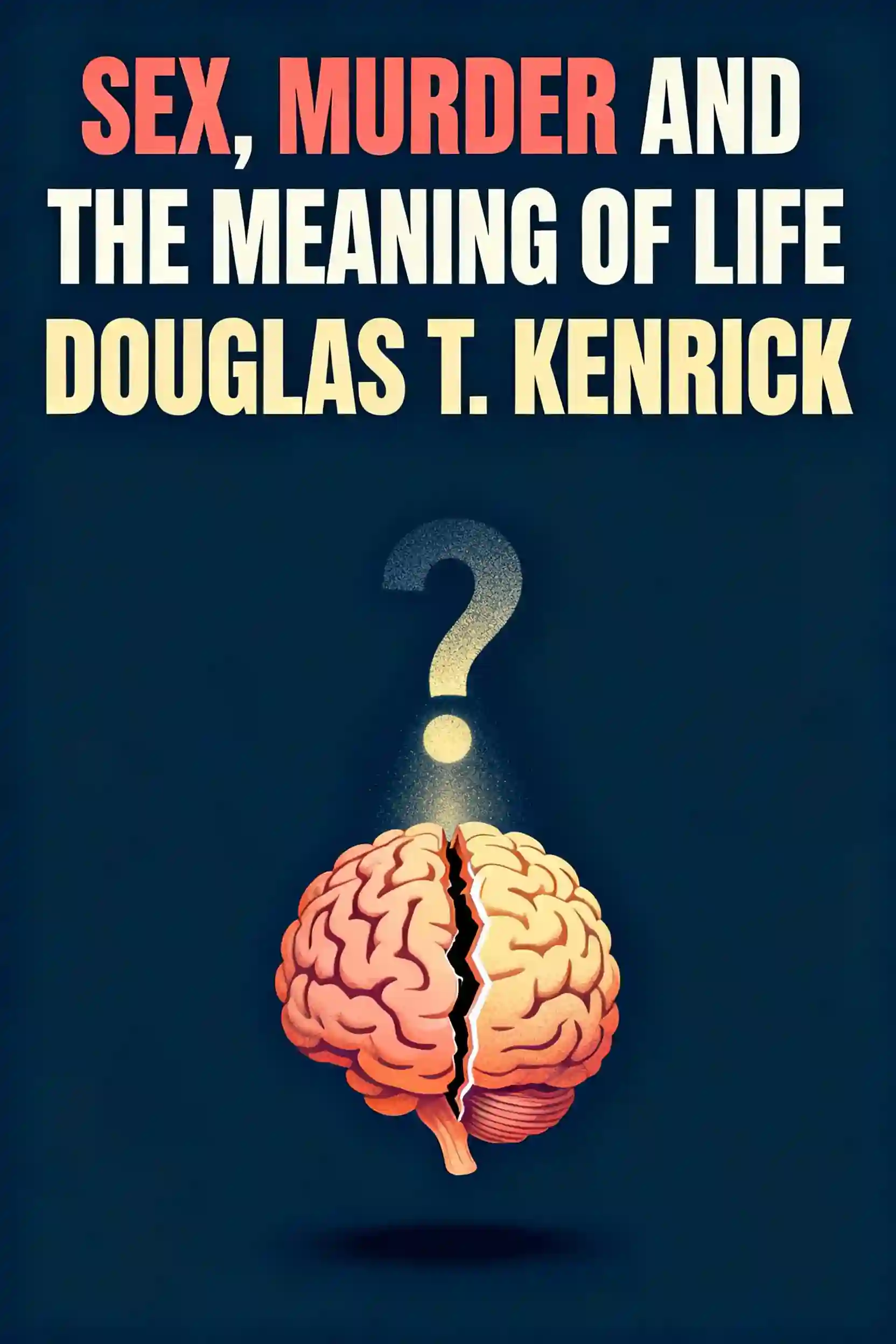
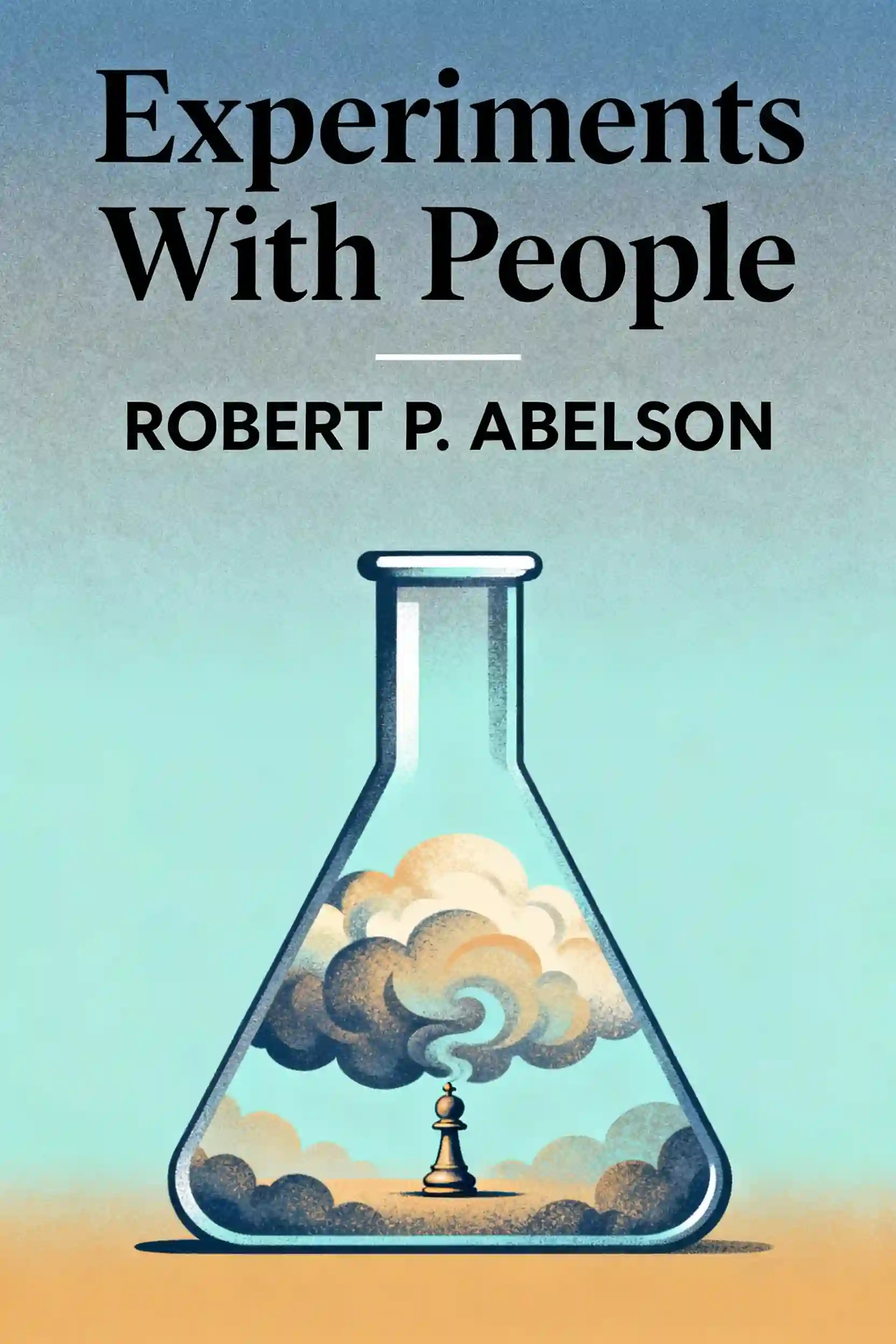
Discover more

Understand the Science of Attraction
Understand the Science of Attraction
This plan bridges the gap between biological research and social intelligence, offering a roadmap to understanding human desire. It is ideal for individuals looking to improve their dating lives, strengthen existing bonds, or master the psychological nuances of interpersonal communication.

Intro Attraction Psychology
Intro Attraction Psychology
This learning plan combines evolutionary psychology, neuroscience, and behavioral research to demystify human attraction and social dynamics. It's ideal for anyone seeking to improve their dating life, build stronger relationships, or understand the science behind human connection, whether you're re-entering the dating world, struggling with social confidence, or simply curious about the psychological mechanisms that drive romantic attraction.

What attracts men to women
What attracts men to women
This course is designed for individuals seeking to understand the underlying science of human connection and romantic interest. It bridges the gap between biological instincts and modern social dynamics, making it ideal for anyone looking to build genuine, lasting attraction.

Science of dating
Science of dating
Whether you're navigating modern dating apps, struggling to find meaningful connections, or wanting to deepen existing relationships, understanding the science behind attraction and bonding is transformative. This learning plan combines evolutionary biology, psychology, and practical social skills to help anyone—from dating newcomers to experienced romantics—make more intentional choices and build more fulfilling relationships.
Study Human Behavior, Culture & Relationships
Study Human Behavior, Culture & Relationships
Understanding the intersection of biology, culture, and psychology is essential for navigating modern social structures. This plan is ideal for leaders, educators, and curious minds seeking to master the science of why we act, relate, and belong.
Psychology, Desire & Neuroscience Study
Psychology, Desire & Neuroscience Study
This plan bridges the gap between biological brain function and observable human behavior. It is ideal for professionals, educators, or curious minds seeking to master the mechanics of motivation and the hidden biases that drive our daily choices.
Explore Human Behavior, Mind & Identity
Explore Human Behavior, Mind & Identity
Understanding the intersection of psychology and neuroscience is essential for anyone looking to master self-awareness and improve social intelligence. This plan is ideal for professionals, leaders, and curious minds who want to decode the hidden drivers of human behavior.
Synthesize top research on why humans love
Synthesize top research on why humans love
This learning plan bridges biology and psychology to provide a comprehensive view of human intimacy. It is ideal for anyone curious about the science of attraction, from students of psychology to individuals seeking to understand their own relationship patterns.
From Columbia University alumni built in San Francisco
"Instead of endless scrolling, I just hit play on BeFreed. It saves me so much time."


"I never knew where to start with nonfiction—BeFreed’s book lists turned into podcasts gave me a clear path."


"Perfect balance between learning and entertainment. Finished ‘Thinking, Fast and Slow’ on my commute this week."
"Crazy how much I learned while walking the dog. BeFreed = small habits → big gains."
"Reading used to feel like a chore. Now it’s just part of my lifestyle."

"Feels effortless compared to reading. I’ve finished 6 books this month already."
"BeFreed turned my guilty doomscrolling into something that feels productive and inspiring."

"BeFreed turned my commute into learning time. 20-min podcasts are perfect for finishing books I never had time for."
"BeFreed replaced my podcast queue. Imagine Spotify for books — that’s it. 🙌"

"It is great for me to learn something from the book without reading it."
"The themed book list podcasts help me connect ideas across authors—like a guided audio journey."
"Makes me feel smarter every time before going to work"
From Columbia University alumni built in San Francisco
"Instead of endless scrolling, I just hit play on BeFreed. It saves me so much time."
"I never knew where to start with nonfiction—BeFreed’s book lists turned into podcasts gave me a clear path."
"Perfect balance between learning and entertainment. Finished ‘Thinking, Fast and Slow’ on my commute this week."
"Crazy how much I learned while walking the dog. BeFreed = small habits → big gains."
"Reading used to feel like a chore. Now it’s just part of my lifestyle."
"Feels effortless compared to reading. I’ve finished 6 books this month already."
"BeFreed turned my guilty doomscrolling into something that feels productive and inspiring."
"BeFreed turned my commute into learning time. 20-min podcasts are perfect for finishing books I never had time for."
"BeFreed replaced my podcast queue. Imagine Spotify for books — that’s it. 🙌"
"It is great for me to learn something from the book without reading it."
"The themed book list podcasts help me connect ideas across authors—like a guided audio journey."
"Makes me feel smarter every time before going to work"
"Instead of endless scrolling, I just hit play on BeFreed. It saves me so much time."
"I never knew where to start with nonfiction—BeFreed’s book lists turned into podcasts gave me a clear path."
"Perfect balance between learning and entertainment. Finished ‘Thinking, Fast and Slow’ on my commute this week."
"Crazy how much I learned while walking the dog. BeFreed = small habits → big gains."
"Reading used to feel like a chore. Now it’s just part of my lifestyle."
"Feels effortless compared to reading. I’ve finished 6 books this month already."
"BeFreed turned my guilty doomscrolling into something that feels productive and inspiring."
"BeFreed turned my commute into learning time. 20-min podcasts are perfect for finishing books I never had time for."
"BeFreed replaced my podcast queue. Imagine Spotify for books — that’s it. 🙌"
"It is great for me to learn something from the book without reading it."
"The themed book list podcasts help me connect ideas across authors—like a guided audio journey."
"Makes me feel smarter every time before going to work"
"Instead of endless scrolling, I just hit play on BeFreed. It saves me so much time."
"I never knew where to start with nonfiction—BeFreed’s book lists turned into podcasts gave me a clear path."
"Perfect balance between learning and entertainment. Finished ‘Thinking, Fast and Slow’ on my commute this week."
"Crazy how much I learned while walking the dog. BeFreed = small habits → big gains."
"Reading used to feel like a chore. Now it’s just part of my lifestyle."
"Feels effortless compared to reading. I’ve finished 6 books this month already."
"BeFreed turned my guilty doomscrolling into something that feels productive and inspiring."
"BeFreed turned my commute into learning time. 20-min podcasts are perfect for finishing books I never had time for."
"BeFreed replaced my podcast queue. Imagine Spotify for books — that’s it. 🙌"
"It is great for me to learn something from the book without reading it."
"The themed book list podcasts help me connect ideas across authors—like a guided audio journey."
"Makes me feel smarter every time before going to work"


