
The Science Behind Going Viral
Discover the data-driven frameworks and psychological triggers that turn ordinary content into viral sensations, debunking the myth that virality is just luck.

Best quote from The Science Behind Going Viral
People don't just share content because it makes them feel something—they share it because of how it makes them look to others. This concept is called 'social currency,' and it's absolutely crucial for understanding virality.

This audio lesson was created by a BeFreed community member
How to go viral

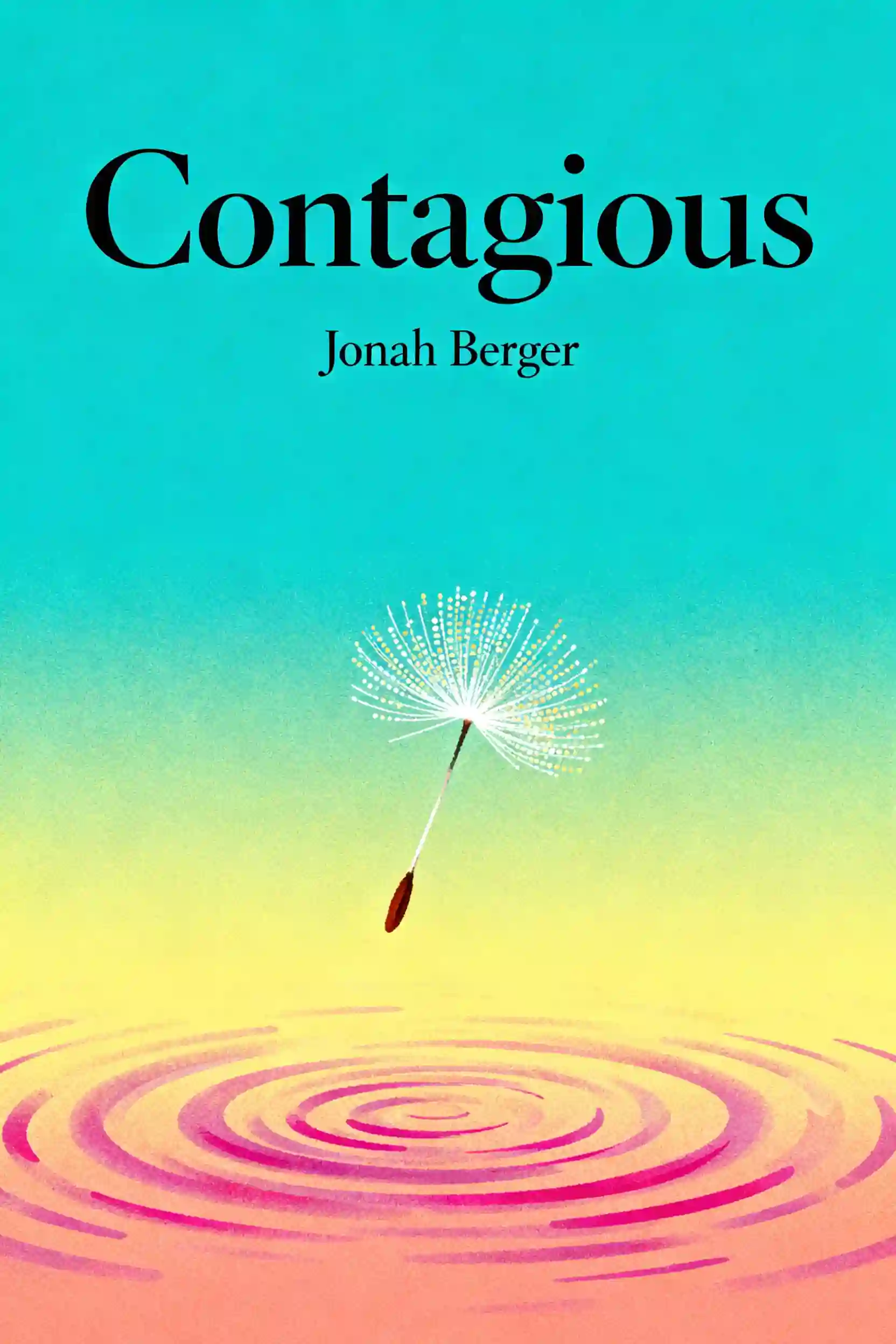
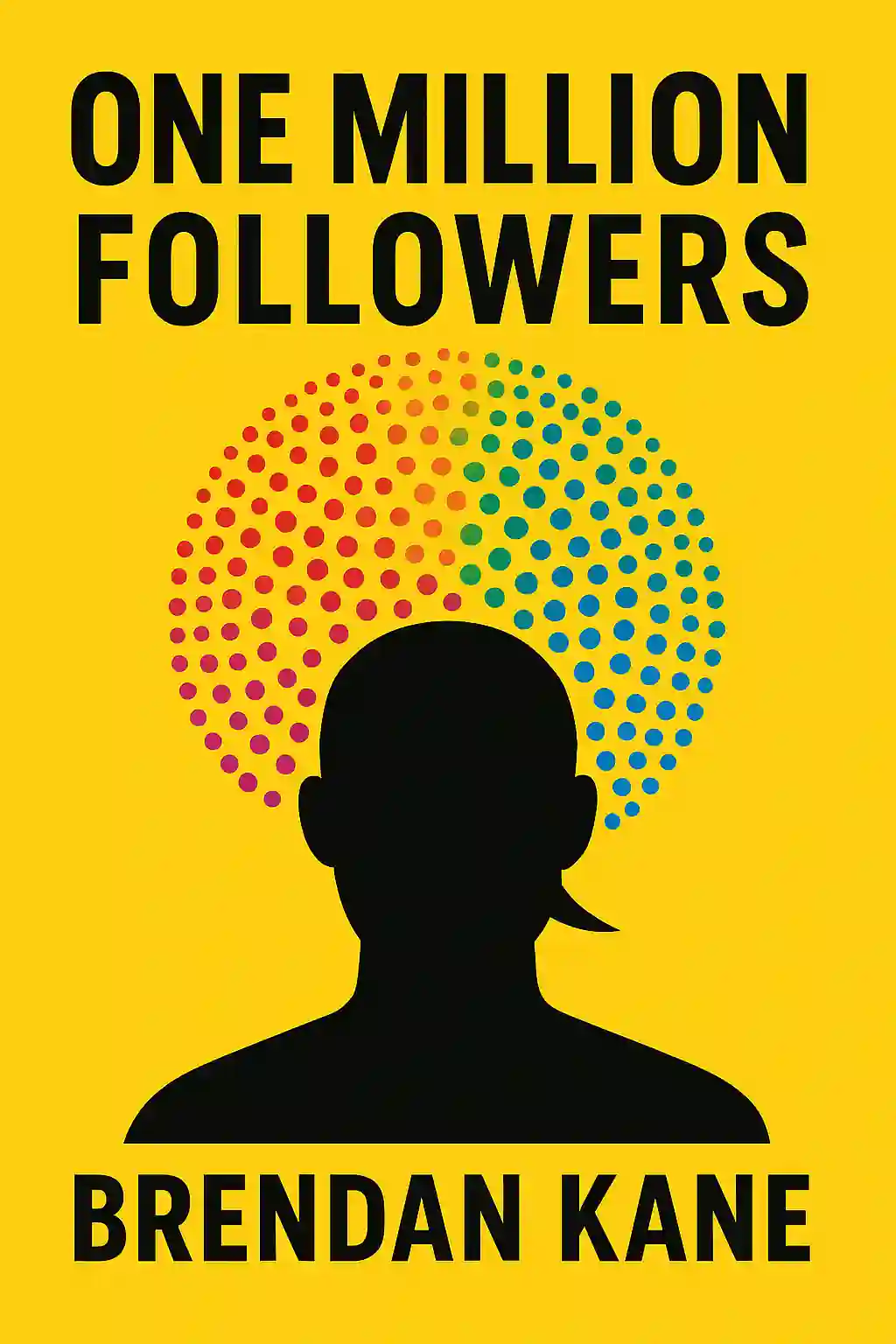
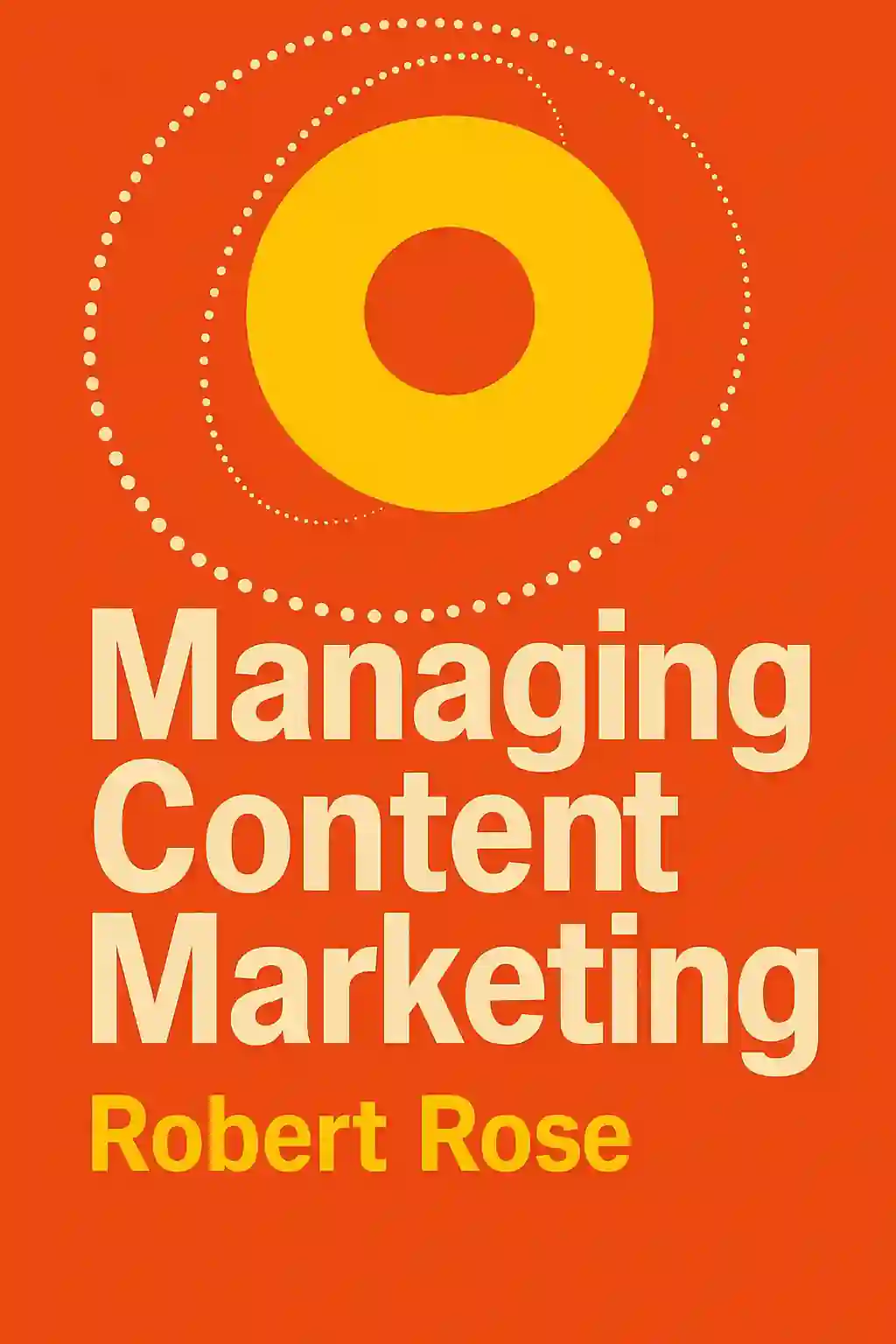

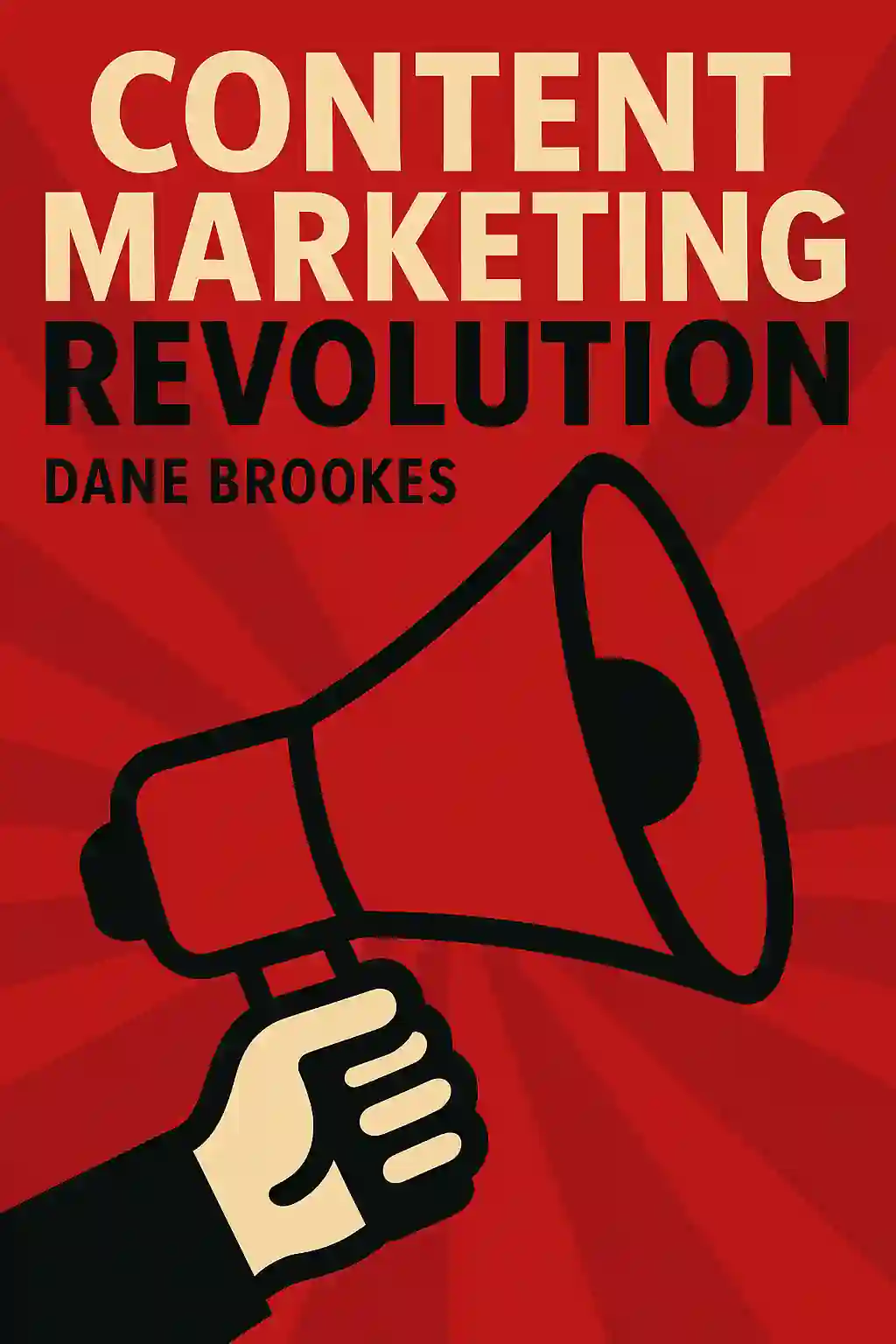
Discover more

Viral psych for founders
Viral psych for founders
This learning plan is essential for startup founders and product leaders who want to move beyond traditional marketing and build products with viral growth baked into their DNA. It combines cutting-edge behavioral psychology, proven persuasion science, and systematic growth engineering to help you create products that naturally spread, retain users, and scale exponentially. Perfect for early-stage founders seeking product-market fit and growth-stage leaders optimizing for viral expansion.

I want to learn how to build a viral product
I want to learn how to build a viral product
This learning plan is essential for entrepreneurs and product managers who want to move beyond luck and use engineering principles to drive growth. It bridges the gap between psychological science and practical product development to help builders create self-sustaining viral engines.
Create & sell viral US consumer products
Create & sell viral US consumer products
This learning plan is essential for entrepreneurs and product managers looking to break through the noise of the competitive U.S. consumer market. It combines behavioral psychology, growth strategy, and revenue science to help you build products that don't just sell, but spread organically and create lasting market impact.

User Acquisition and Growth via social media
User Acquisition and Growth via social media
In an increasingly crowded digital landscape, organic growth requires a blend of creative psychology and rigorous data analysis. This plan is designed for marketers, founders, and creators who need to scale their user base efficiently by mastering viral mechanics and conversion optimization.
Use psychology to boost social attraction
Use psychology to boost social attraction
In an era of digital disconnection, understanding the science of human bonding is a vital competitive advantage. This plan is designed for anyone looking to enhance their professional networking, dating life, or social confidence by mastering the psychological mechanics of likability.

Be instantly popular and attractive to others
Be instantly popular and attractive to others
Social success is a skill that can be mastered through the science of charisma and behavioral psychology. This plan is ideal for professionals, leaders, or anyone looking to enhance their magnetic presence and build deeper connections in any environment.

Master the Science of Instant Charisma
Master the Science of Instant Charisma
In an era where first impressions are digital and fleeting, mastering the mechanics of presence is a critical competitive advantage. This plan is designed for aspiring leaders and professionals who want to back their technical skills with the scientific power of magnetic influence.
Rank newsjack content for SEO & social shares
Rank newsjack content for SEO & social shares
In an era of rapid information cycles, the ability to capitalize on real-time trends is a critical competitive advantage. This plan is designed for marketers, journalists, and creators who want to blend technical SEO with the viral science of newsjacking to dominate search rankings and social feeds.
From Columbia University alumni built in San Francisco
"Instead of endless scrolling, I just hit play on BeFreed. It saves me so much time."


"I never knew where to start with nonfiction—BeFreed’s book lists turned into podcasts gave me a clear path."


"Perfect balance between learning and entertainment. Finished ‘Thinking, Fast and Slow’ on my commute this week."
"Crazy how much I learned while walking the dog. BeFreed = small habits → big gains."
"Reading used to feel like a chore. Now it’s just part of my lifestyle."

"Feels effortless compared to reading. I’ve finished 6 books this month already."
"BeFreed turned my guilty doomscrolling into something that feels productive and inspiring."

"BeFreed turned my commute into learning time. 20-min podcasts are perfect for finishing books I never had time for."
"BeFreed replaced my podcast queue. Imagine Spotify for books — that’s it. 🙌"

"It is great for me to learn something from the book without reading it."
"The themed book list podcasts help me connect ideas across authors—like a guided audio journey."
"Makes me feel smarter every time before going to work"
From Columbia University alumni built in San Francisco
"Instead of endless scrolling, I just hit play on BeFreed. It saves me so much time."
"I never knew where to start with nonfiction—BeFreed’s book lists turned into podcasts gave me a clear path."
"Perfect balance between learning and entertainment. Finished ‘Thinking, Fast and Slow’ on my commute this week."
"Crazy how much I learned while walking the dog. BeFreed = small habits → big gains."
"Reading used to feel like a chore. Now it’s just part of my lifestyle."
"Feels effortless compared to reading. I’ve finished 6 books this month already."
"BeFreed turned my guilty doomscrolling into something that feels productive and inspiring."
"BeFreed turned my commute into learning time. 20-min podcasts are perfect for finishing books I never had time for."
"BeFreed replaced my podcast queue. Imagine Spotify for books — that’s it. 🙌"
"It is great for me to learn something from the book without reading it."
"The themed book list podcasts help me connect ideas across authors—like a guided audio journey."
"Makes me feel smarter every time before going to work"
"Instead of endless scrolling, I just hit play on BeFreed. It saves me so much time."
"I never knew where to start with nonfiction—BeFreed’s book lists turned into podcasts gave me a clear path."
"Perfect balance between learning and entertainment. Finished ‘Thinking, Fast and Slow’ on my commute this week."
"Crazy how much I learned while walking the dog. BeFreed = small habits → big gains."
"Reading used to feel like a chore. Now it’s just part of my lifestyle."
"Feels effortless compared to reading. I’ve finished 6 books this month already."
"BeFreed turned my guilty doomscrolling into something that feels productive and inspiring."
"BeFreed turned my commute into learning time. 20-min podcasts are perfect for finishing books I never had time for."
"BeFreed replaced my podcast queue. Imagine Spotify for books — that’s it. 🙌"
"It is great for me to learn something from the book without reading it."
"The themed book list podcasts help me connect ideas across authors—like a guided audio journey."
"Makes me feel smarter every time before going to work"
"Instead of endless scrolling, I just hit play on BeFreed. It saves me so much time."
"I never knew where to start with nonfiction—BeFreed’s book lists turned into podcasts gave me a clear path."
"Perfect balance between learning and entertainment. Finished ‘Thinking, Fast and Slow’ on my commute this week."
"Crazy how much I learned while walking the dog. BeFreed = small habits → big gains."
"Reading used to feel like a chore. Now it’s just part of my lifestyle."
"Feels effortless compared to reading. I’ve finished 6 books this month already."
"BeFreed turned my guilty doomscrolling into something that feels productive and inspiring."
"BeFreed turned my commute into learning time. 20-min podcasts are perfect for finishing books I never had time for."
"BeFreed replaced my podcast queue. Imagine Spotify for books — that’s it. 🙌"
"It is great for me to learn something from the book without reading it."
"The themed book list podcasts help me connect ideas across authors—like a guided audio journey."
"Makes me feel smarter every time before going to work"


![Angela Duckworth: Grit and Human Behavior [The Knowledge Project Ep. #109]](/_next/image?url=https%3A%2F%2Fd1y2du6z1jfm9e.cloudfront.net%2Fassets%2Fpodcast%2Fgreen.png&w=1024&q=50)


