
The Psychology of Scratches and Stings
Explore how a choice between feline scratches and ant swarms reveals your deepest subconscious fears regarding intimacy, boundaries, and chronic stress.

Best quote from The Psychology of Scratches and Stings
Is the 'scratch' an intrusion from your shadow self, or is the 'bite' a sign that your boundaries are collapsing under the weight of everyday life?

This audio lesson was created by a BeFreed community member
Always be scratched by cats or always be attacked by ants psychological meaning

Frequently Asked Questions
The script distinguishes these two experiences as the difference between fear and anxiety. A cat scratch represents "phasic fear," which is a short-duration, predictable, and intimate threat from a single entity. In contrast, being attacked by a swarm of ants represents "sustained anxiety." This is a long-duration state of apprehension caused by anonymous, relentless, and unpredictable pressures that feel like they are coming from all sides.
Choosing the cat—even if the wound is deeper—often indicates a desire for "behavioral control" and clarity. A cat scratch is a discrete event that leaves a literal trace, allowing the individual to identify exactly where it hurts and address the conflict directly. This is often seen as a healthier alternative to being "hollowed out" by the "anxious misery" of a thousand tiny, invisible stressors that offer no clear point of resolution or communication.
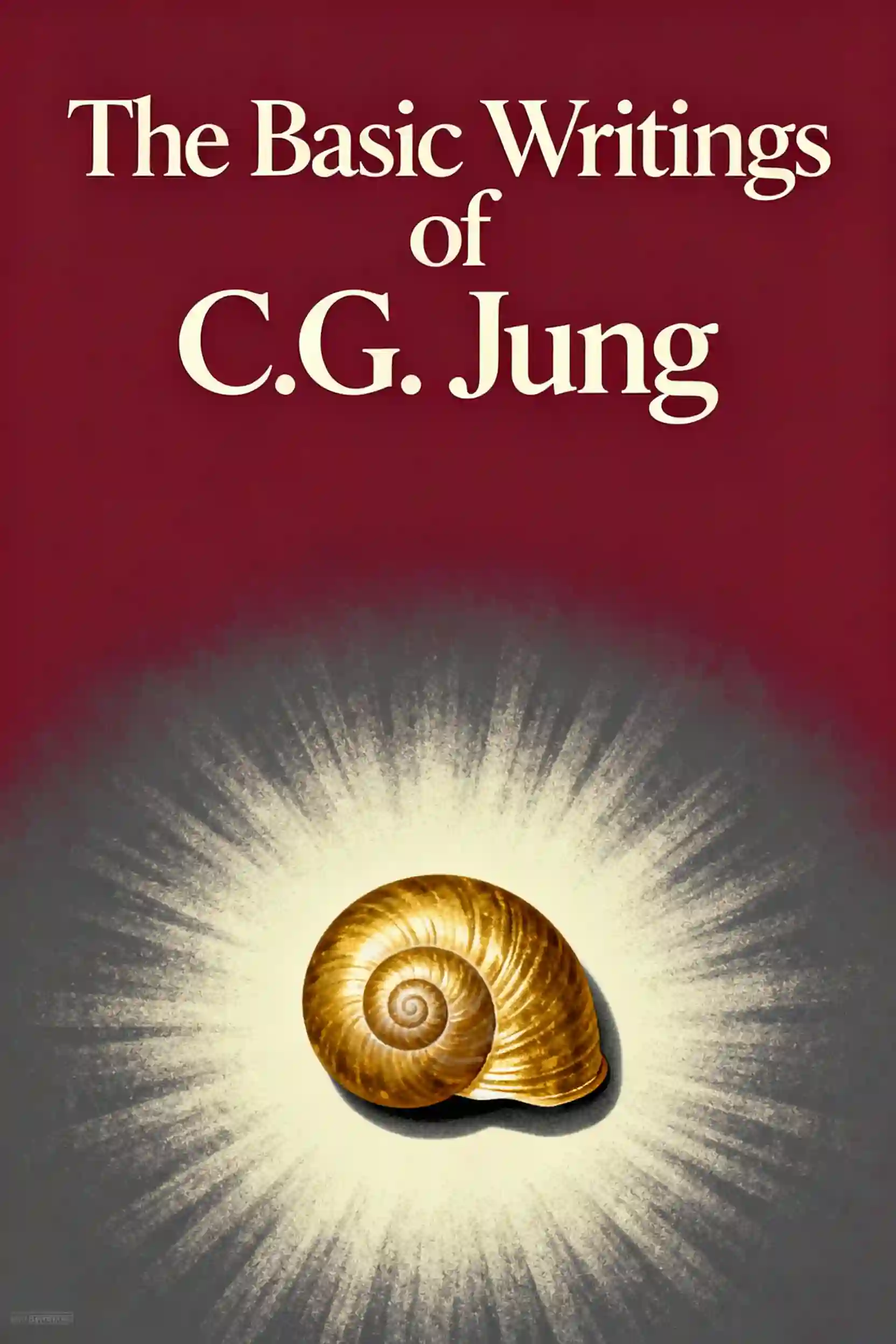
In Jungian thought, the cat is often linked to the "Anima," the independent and self-assured feminine side of the psyche. It acts as a "subconscious self-portrait" or a mirror to the "Shadow Self." If a cat attacks in a dream, it is frequently interpreted as an "intrusion from the unconscious," signaling that the individual has ignored their own instincts, boundaries, or inner warrior for too long.
According to the script, the brain's resilience mechanisms, specifically the ventromedial Prefrontal Cortex and the Hippocampus, are activated when a threat is perceived as controllable. When you face a "cat" (a direct conflict), these regions work to regulate and damp down the emotional response. However, with "ants" (unpredictable and uncontrollable stressors), these regulation centers cannot inhibit the fear, leading to a "sustained state of apprehension" and higher biological wear and tear.
The first step is identification: determine if the stress is a "Cat" (personal and identifiable) or "Ants" (multiple and anonymous). For "Cat" stressors, one should set firm boundaries and address the betrayal directly. For "Ant" stressors, the focus should be on strengthening spiritual or psychological defenses and "managing the environment" to reduce exposure to triggers. In both cases, the script suggests listening to internal "warning signs" and practicing self-compassion rather than self-sabotage.
Discover more

Psychology of Desire & Relationships
Psychology of Desire & Relationships
Understanding the intersection of biology and behavior is essential for navigating modern intimacy. This plan is designed for individuals seeking to break repetitive relationship cycles and professionals interested in the practical application of neuroscience to human connection.

Psychology of Attraction & Deep Intimacy
Psychology of Attraction & Deep Intimacy
Modern dating and long-term partnerships often fail due to a lack of understanding of biological drivers and emotional blueprints. This plan is essential for individuals seeking to move beyond superficial connections by applying psychological research and proven relationship science to their personal lives.

Explore Body, Desire, Mind & Psychology
Explore Body, Desire, Mind & Psychology
This plan bridges the gap between physical sensation and psychological depth, offering a holistic approach to self-mastery. It is ideal for individuals seeking to resolve internal conflicts, improve intimacy, and understand the unconscious forces that shape their behavior.

Heal anxiety, build bonds & live mindfully
Heal anxiety, build bonds & live mindfully
This comprehensive learning plan addresses the interconnected nature of mental health and relationship wellbeing, recognizing that anxiety, OCD, and attachment issues profoundly impact both personal peace and connection with others. It's ideal for anyone struggling with intrusive thoughts, relationship patterns, or feeling disconnected from themselves and others, offering a holistic path from mental turbulence to emotional security and meaningful relationships.
Heal attachment & OCD for better bonds
Heal attachment & OCD for better bonds
This learning plan is designed for individuals who struggle with anxiety, OCD, or insecure attachment patterns that interfere with romantic relationships and personal happiness. It combines clinical psychology, attachment theory, and mindfulness practices to address both individual mental health and relationship dynamics. Whether you're experiencing relationship difficulties, managing intrusive thoughts, or seeking to break cycles from past relationships, this integrated approach provides tools for both personal healing and building secure, fulfilling partnerships.
What is the ultimate fear?
What is the ultimate fear?
This learning plan is essential for anyone seeking to move beyond surface-level anxiety to address the root causes of human dread. It is ideal for students of psychology, philosophy, or anyone undergoing a personal transformation who wants to turn fear into a catalyst for growth.
Study love, attachment, and power dynamics
Study love, attachment, and power dynamics
This learning plan bridges the gap between biological instincts and psychological patterns to help individuals navigate complex modern relationships. It is ideal for anyone seeking to break toxic cycles, understand their emotional blueprints, and build more secure, authentic connections.
From Columbia University alumni built in San Francisco
"Instead of endless scrolling, I just hit play on BeFreed. It saves me so much time."


"I never knew where to start with nonfiction—BeFreed’s book lists turned into podcasts gave me a clear path."


"Perfect balance between learning and entertainment. Finished ‘Thinking, Fast and Slow’ on my commute this week."
"Crazy how much I learned while walking the dog. BeFreed = small habits → big gains."
"Reading used to feel like a chore. Now it’s just part of my lifestyle."

"Feels effortless compared to reading. I’ve finished 6 books this month already."
"BeFreed turned my guilty doomscrolling into something that feels productive and inspiring."

"BeFreed turned my commute into learning time. 20-min podcasts are perfect for finishing books I never had time for."
"BeFreed replaced my podcast queue. Imagine Spotify for books — that’s it. 🙌"

"It is great for me to learn something from the book without reading it."
"The themed book list podcasts help me connect ideas across authors—like a guided audio journey."
"Makes me feel smarter every time before going to work"
From Columbia University alumni built in San Francisco
"Instead of endless scrolling, I just hit play on BeFreed. It saves me so much time."
"I never knew where to start with nonfiction—BeFreed’s book lists turned into podcasts gave me a clear path."
"Perfect balance between learning and entertainment. Finished ‘Thinking, Fast and Slow’ on my commute this week."
"Crazy how much I learned while walking the dog. BeFreed = small habits → big gains."
"Reading used to feel like a chore. Now it’s just part of my lifestyle."
"Feels effortless compared to reading. I’ve finished 6 books this month already."
"BeFreed turned my guilty doomscrolling into something that feels productive and inspiring."
"BeFreed turned my commute into learning time. 20-min podcasts are perfect for finishing books I never had time for."
"BeFreed replaced my podcast queue. Imagine Spotify for books — that’s it. 🙌"
"It is great for me to learn something from the book without reading it."
"The themed book list podcasts help me connect ideas across authors—like a guided audio journey."
"Makes me feel smarter every time before going to work"
"Instead of endless scrolling, I just hit play on BeFreed. It saves me so much time."
"I never knew where to start with nonfiction—BeFreed’s book lists turned into podcasts gave me a clear path."
"Perfect balance between learning and entertainment. Finished ‘Thinking, Fast and Slow’ on my commute this week."
"Crazy how much I learned while walking the dog. BeFreed = small habits → big gains."
"Reading used to feel like a chore. Now it’s just part of my lifestyle."
"Feels effortless compared to reading. I’ve finished 6 books this month already."
"BeFreed turned my guilty doomscrolling into something that feels productive and inspiring."
"BeFreed turned my commute into learning time. 20-min podcasts are perfect for finishing books I never had time for."
"BeFreed replaced my podcast queue. Imagine Spotify for books — that’s it. 🙌"
"It is great for me to learn something from the book without reading it."
"The themed book list podcasts help me connect ideas across authors—like a guided audio journey."
"Makes me feel smarter every time before going to work"
"Instead of endless scrolling, I just hit play on BeFreed. It saves me so much time."
"I never knew where to start with nonfiction—BeFreed’s book lists turned into podcasts gave me a clear path."
"Perfect balance between learning and entertainment. Finished ‘Thinking, Fast and Slow’ on my commute this week."
"Crazy how much I learned while walking the dog. BeFreed = small habits → big gains."
"Reading used to feel like a chore. Now it’s just part of my lifestyle."
"Feels effortless compared to reading. I’ve finished 6 books this month already."
"BeFreed turned my guilty doomscrolling into something that feels productive and inspiring."
"BeFreed turned my commute into learning time. 20-min podcasts are perfect for finishing books I never had time for."
"BeFreed replaced my podcast queue. Imagine Spotify for books — that’s it. 🙌"
"It is great for me to learn something from the book without reading it."
"The themed book list podcasts help me connect ideas across authors—like a guided audio journey."
"Makes me feel smarter every time before going to work"


