
The Psychology of Getting People to Say Yes
Discover why trying harder to persuade often backfires and learn science-backed techniques that actually work to influence decisions ethically.

Best quote from The Psychology of Getting People to Say Yes
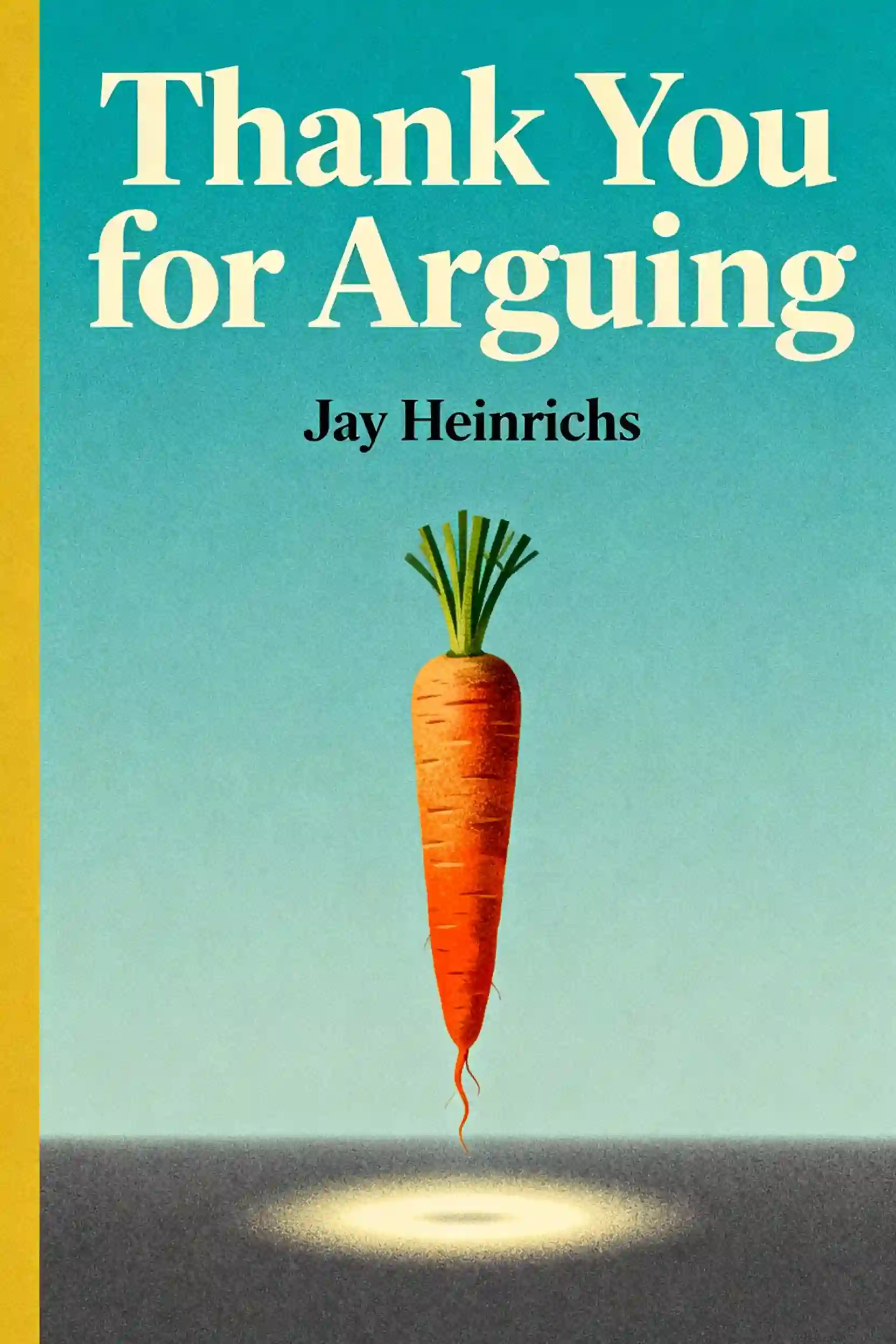
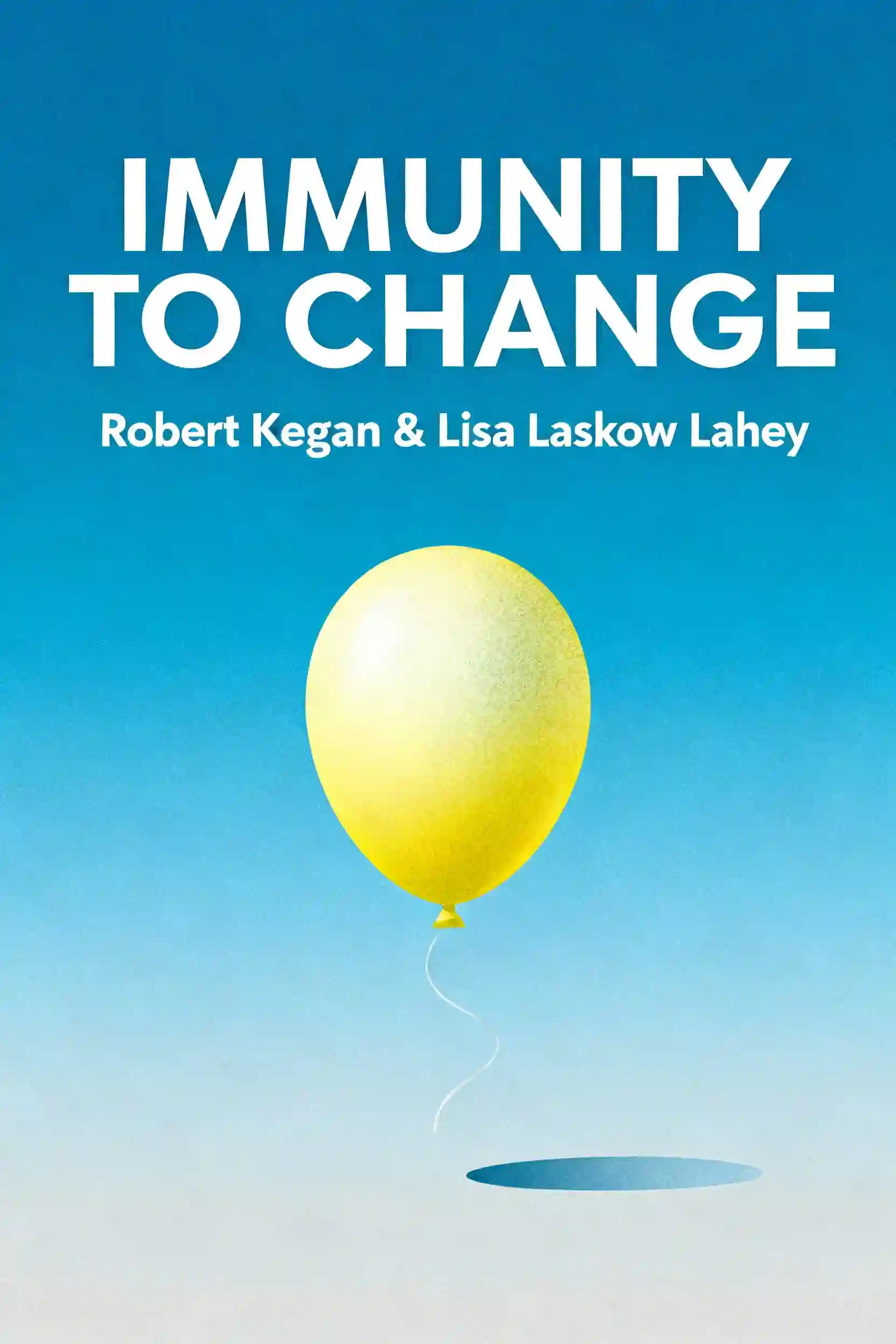
The most effective approach is the complete opposite of arguing. Instead of telling someone why they're wrong, you ask open-ended questions to help them find their own motivation to change, rather than imposing your reasons on them.

This audio lesson was created by a BeFreed community member
Use psychology to explain how to get someone to do something they don’t want to do

Discover more

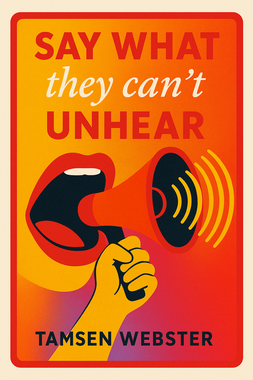
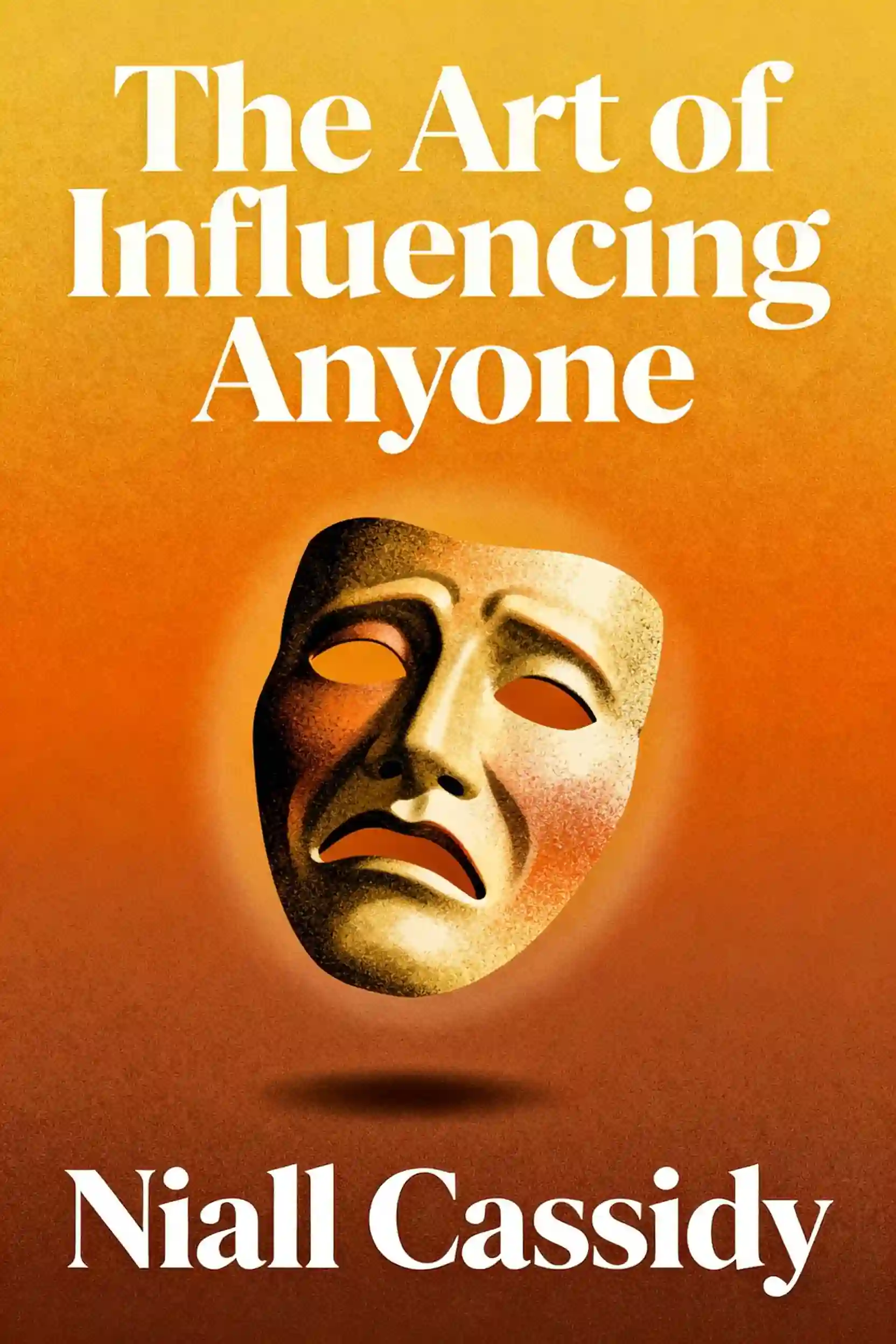
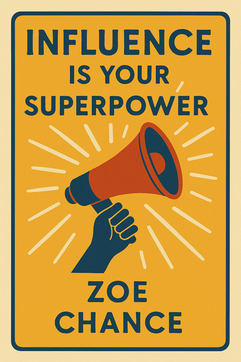
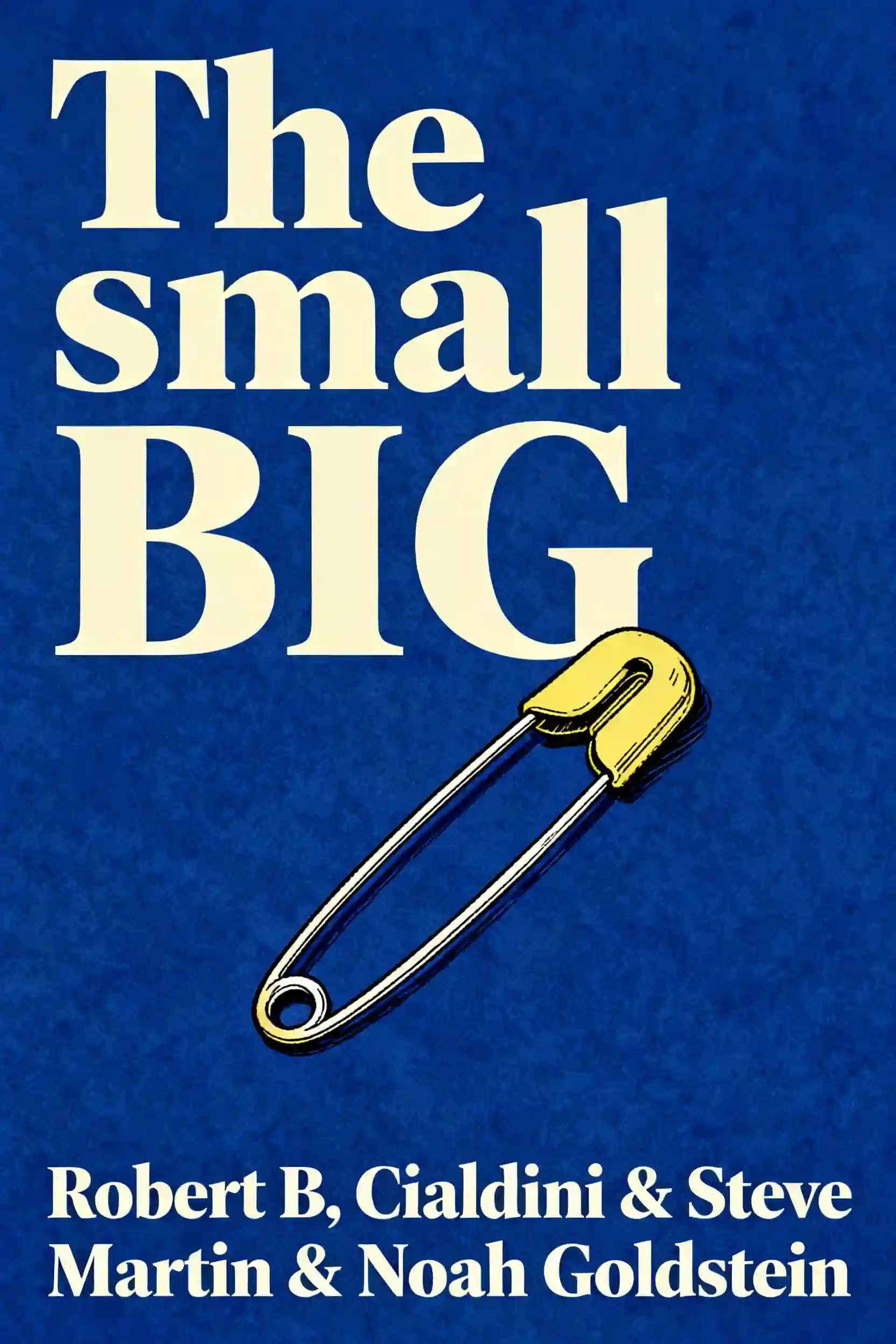
The Best Persuasion Books
Learn the psychology of influence with books on persuasion—master conversation, negotiation, and getting buy-in without manipulation.
BeFreed team

Win People Over to Your Thinking
Win People Over to Your Thinking
The ability to persuade others is perhaps the most crucial skill for professional and personal success in today's collaborative world. This learning plan provides practical techniques for ethically influencing others, ideal for leaders, salespeople, or anyone who needs to gain buy-in for their ideas.

Master social influence & persuasion
Master social influence & persuasion
Understanding human psychology and mastering persuasion are essential skills for anyone who works with people—whether you're leading teams, negotiating deals, or simply trying to communicate more effectively. This learning plan systematically builds your ability to read people, influence outcomes ethically, and handle difficult conversations, making it invaluable for professionals, leaders, entrepreneurs, and anyone seeking to improve their interpersonal effectiveness.

Influence people effectively
Influence people effectively
The ability to influence others effectively is essential for leaders, managers, sales professionals, and anyone who needs to drive change or gain buy-in. This learning plan combines timeless psychological principles with cutting-edge neuroscience to provide a comprehensive toolkit for ethical persuasion. Whether you're negotiating deals, leading teams, or building relationships, these skills will help you achieve your goals while maintaining authenticity and trust.

Psychological manipulation
Psychological manipulation
In an era of constant information flow, understanding the mechanics of influence is essential for personal and professional safety. This plan is ideal for leaders, negotiators, and individuals seeking to safeguard their mental boundaries while mastering the art of ethical persuasion.

Manipulation psychology
Manipulation psychology
In an era of constant information flow, understanding the mechanisms of influence is essential for personal autonomy and professional success. This plan is ideal for leaders, negotiators, and anyone looking to safeguard themselves against psychological exploitation while mastering ethical persuasion.
Learn dark physcology tricks
Learn dark physcology tricks
This plan is essential for professionals and individuals seeking to safeguard themselves against predatory behavior while mastering advanced persuasion. It benefits anyone looking to improve their social intelligence and recognize manipulation in high-stakes environments.
Learn behavior psych & control conversations
Learn behavior psych & control conversations
Understanding the mechanics of human behavior is essential for anyone looking to navigate complex social dynamics or professional negotiations. This plan is ideal for leaders, sales professionals, and communicators who want to master the art of ethical influence and conversational control.
From Columbia University alumni built in San Francisco
"Instead of endless scrolling, I just hit play on BeFreed. It saves me so much time."


"I never knew where to start with nonfiction—BeFreed’s book lists turned into podcasts gave me a clear path."


"Perfect balance between learning and entertainment. Finished ‘Thinking, Fast and Slow’ on my commute this week."
"Crazy how much I learned while walking the dog. BeFreed = small habits → big gains."
"Reading used to feel like a chore. Now it’s just part of my lifestyle."

"Feels effortless compared to reading. I’ve finished 6 books this month already."
"BeFreed turned my guilty doomscrolling into something that feels productive and inspiring."

"BeFreed turned my commute into learning time. 20-min podcasts are perfect for finishing books I never had time for."
"BeFreed replaced my podcast queue. Imagine Spotify for books — that’s it. 🙌"

"It is great for me to learn something from the book without reading it."
"The themed book list podcasts help me connect ideas across authors—like a guided audio journey."
"Makes me feel smarter every time before going to work"
From Columbia University alumni built in San Francisco
"Instead of endless scrolling, I just hit play on BeFreed. It saves me so much time."
"I never knew where to start with nonfiction—BeFreed’s book lists turned into podcasts gave me a clear path."
"Perfect balance between learning and entertainment. Finished ‘Thinking, Fast and Slow’ on my commute this week."
"Crazy how much I learned while walking the dog. BeFreed = small habits → big gains."
"Reading used to feel like a chore. Now it’s just part of my lifestyle."
"Feels effortless compared to reading. I’ve finished 6 books this month already."
"BeFreed turned my guilty doomscrolling into something that feels productive and inspiring."
"BeFreed turned my commute into learning time. 20-min podcasts are perfect for finishing books I never had time for."
"BeFreed replaced my podcast queue. Imagine Spotify for books — that’s it. 🙌"
"It is great for me to learn something from the book without reading it."
"The themed book list podcasts help me connect ideas across authors—like a guided audio journey."
"Makes me feel smarter every time before going to work"
"Instead of endless scrolling, I just hit play on BeFreed. It saves me so much time."
"I never knew where to start with nonfiction—BeFreed’s book lists turned into podcasts gave me a clear path."
"Perfect balance between learning and entertainment. Finished ‘Thinking, Fast and Slow’ on my commute this week."
"Crazy how much I learned while walking the dog. BeFreed = small habits → big gains."
"Reading used to feel like a chore. Now it’s just part of my lifestyle."
"Feels effortless compared to reading. I’ve finished 6 books this month already."
"BeFreed turned my guilty doomscrolling into something that feels productive and inspiring."
"BeFreed turned my commute into learning time. 20-min podcasts are perfect for finishing books I never had time for."
"BeFreed replaced my podcast queue. Imagine Spotify for books — that’s it. 🙌"
"It is great for me to learn something from the book without reading it."
"The themed book list podcasts help me connect ideas across authors—like a guided audio journey."
"Makes me feel smarter every time before going to work"
"Instead of endless scrolling, I just hit play on BeFreed. It saves me so much time."
"I never knew where to start with nonfiction—BeFreed’s book lists turned into podcasts gave me a clear path."
"Perfect balance between learning and entertainment. Finished ‘Thinking, Fast and Slow’ on my commute this week."
"Crazy how much I learned while walking the dog. BeFreed = small habits → big gains."
"Reading used to feel like a chore. Now it’s just part of my lifestyle."
"Feels effortless compared to reading. I’ve finished 6 books this month already."
"BeFreed turned my guilty doomscrolling into something that feels productive and inspiring."
"BeFreed turned my commute into learning time. 20-min podcasts are perfect for finishing books I never had time for."
"BeFreed replaced my podcast queue. Imagine Spotify for books — that’s it. 🙌"
"It is great for me to learn something from the book without reading it."
"The themed book list podcasts help me connect ideas across authors—like a guided audio journey."
"Makes me feel smarter every time before going to work"


