
The Outsider’s Edge: Mastering Exceptional CEO Performance
Explore the specific disciplines that propel the top 5% of CEOs to 500% returns. Learn how elite leaders overcome organizational inertia through radical resource reallocation and a bold long-term vision.

Best quote from The Outsider’s Edge: Mastering Exceptional CEO Performance
Strategy is as much about what you don’t do as what you do. The best CEOs choose the right growth path, not just the fastest one, by acting as a filter for saying no to opportunities that compromise their core vision.

This audio lesson was created by a BeFreed community member
Exceptional CEO performance

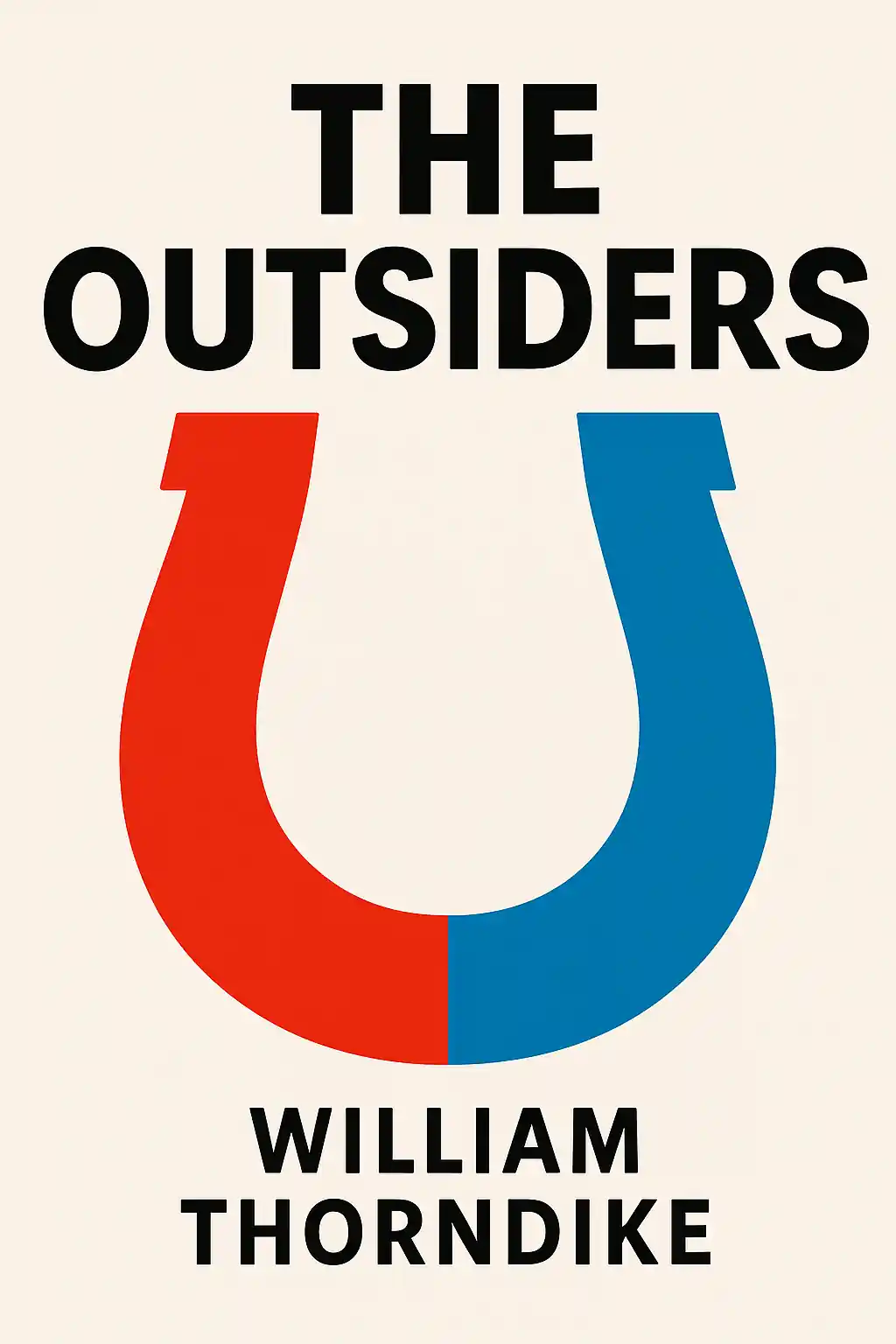
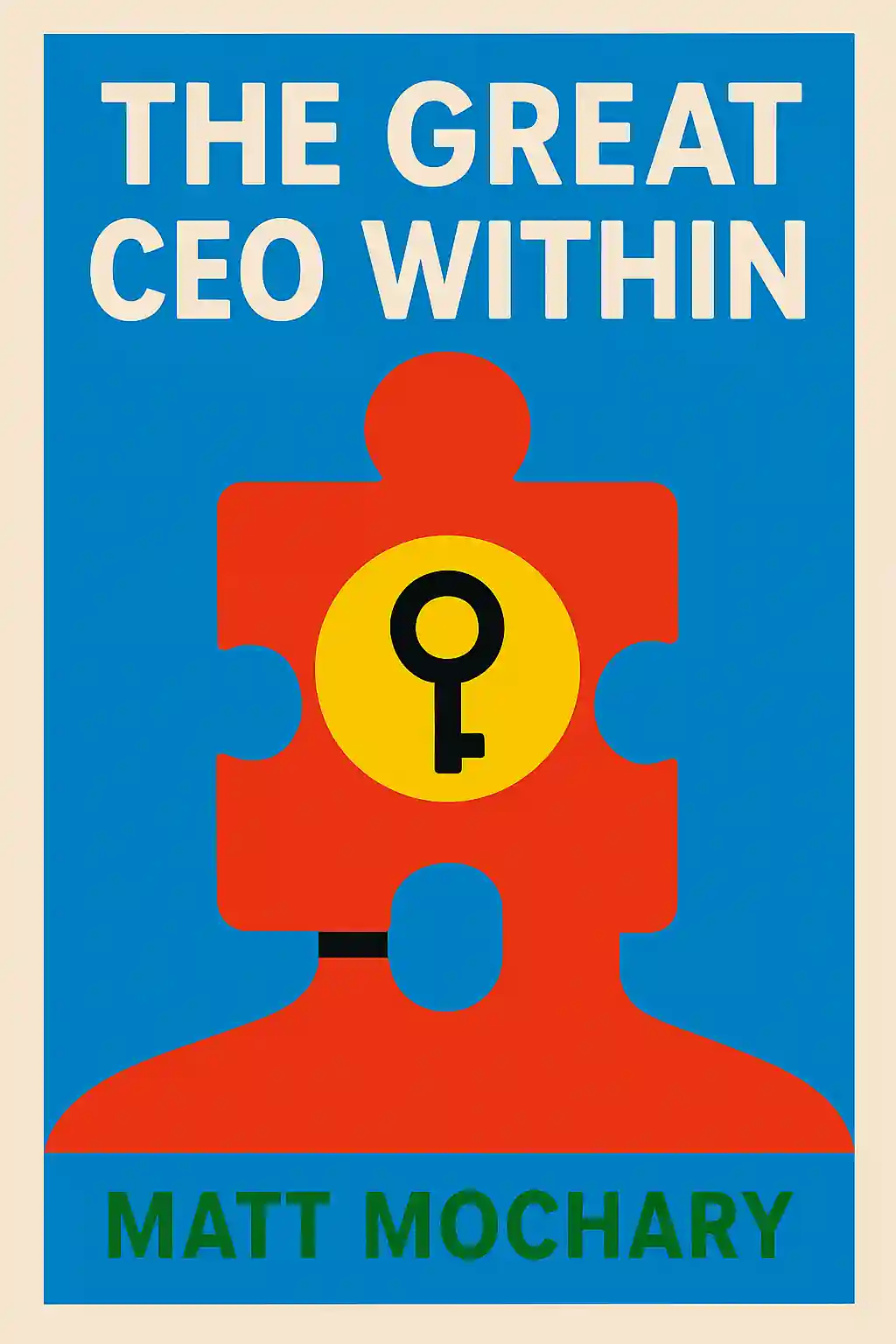
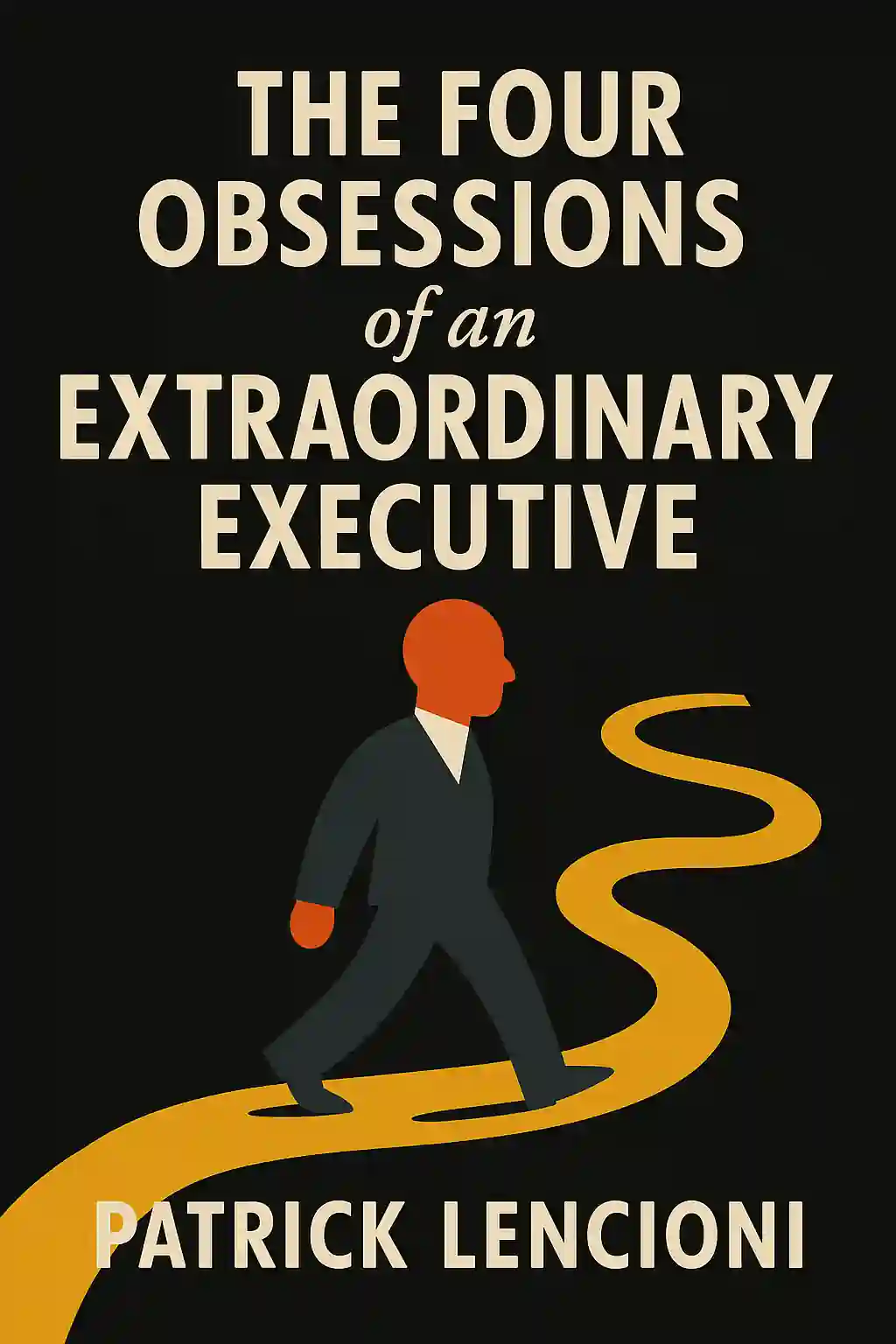
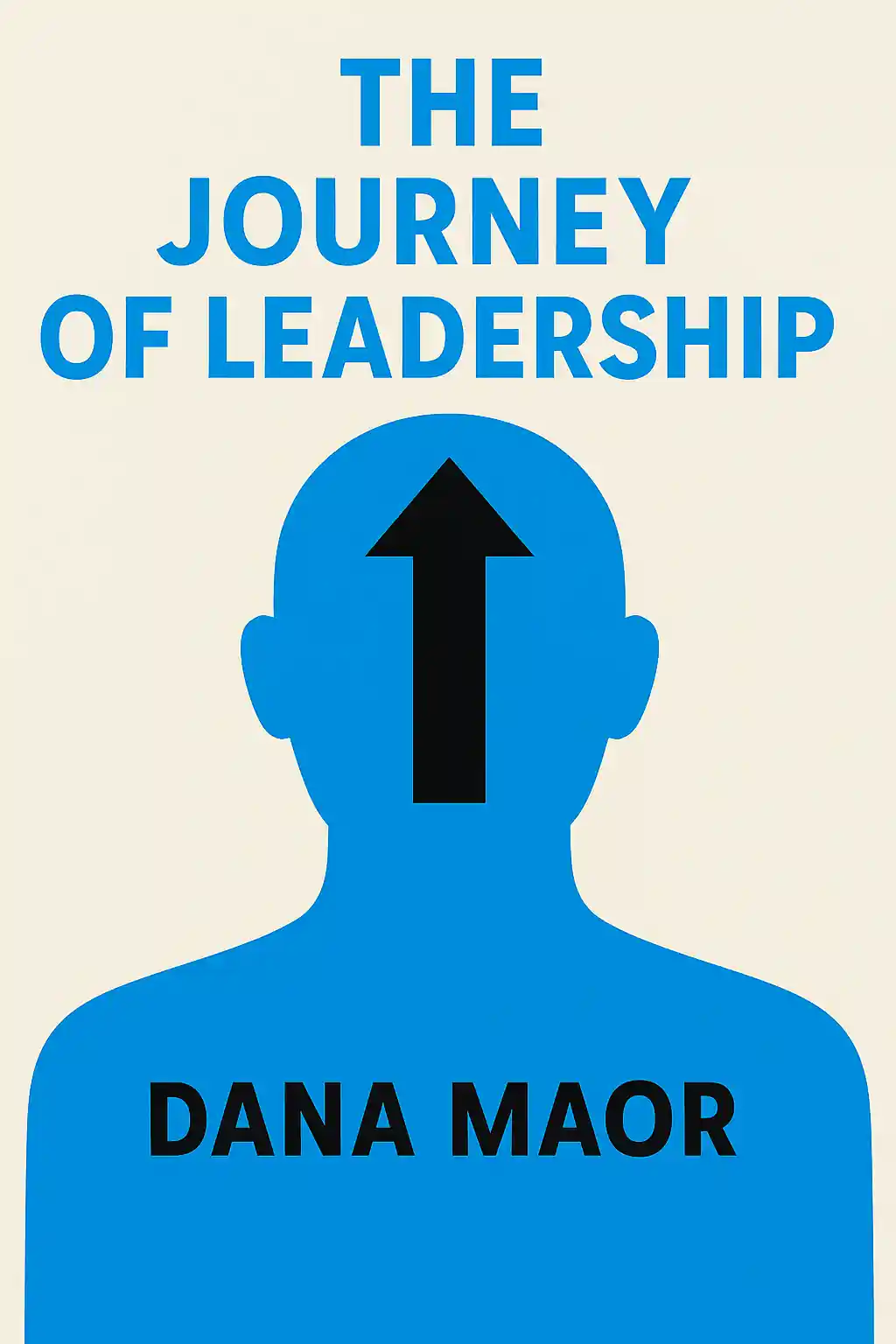
Frequently Asked Questions
Research into S&P 500 leaders shows that the top 5 percent of CEOs, who saw shareholder returns jump by over 500 percent, were not tied to any specific sector or industry. Their success is attributed to internal discipline and specific strategic behaviors rather than being in the "right place at the right time." These elite performers often utilize an "outsider’s edge" to challenge organizational inertia and implement repeatable, articulated processes rather than simply reacting to market trends.
The CEO Paradox refers to the need for a leader to be both decisive and inclusive, or strategic yet tactical. Exceptional CEOs use data-driven rigor—leveraging AI and trend analysis to predict future customer needs—without falling into "analysis paralysis" by focusing only on three to five core metrics. Simultaneously, they treat empathy as a performance driver rather than a soft skill. By being emotionally present and transparent, they build "mental availability" which fosters employee resilience, innovation, and higher productivity.
According to the script, a CEO is responsible for deploying over sixty percent of a company's capital over a ten-year period. While average CEOs fall into the "egalitarian trap" of giving every division a "fair share" based on historical budgets, elite CEOs practice "contrarian courage." They dynamically move capital and top talent away from low-growth "zombies" and toward high-potential "stars." This disciplined approach to value creation, rather than just increasing company size, is shown to earn significantly higher shareholder returns.
Elite CEOs maintain a long-term mindset by focusing on fundamental value drivers like growth and returns on capital rather than issuing quarterly guidance, which research suggests provides no long-term valuation benefit. They protect "strategic initiatives" even during market dips, choosing to invest in the future rather than "eating their seed corn" by cutting R&D or marketing to hit immediate targets. They build credibility with investors through transparency, explaining how short-term costs will lead to long-term sustainability and value for all stakeholders.
Based on research from Harvard, "Managers" tend to focus on operational, one-on-one tasks and direct check-ins, while "Leaders" spend more time in high-level, multi-functional meetings involving both internal and external stakeholders. While some firms may require a Manager's focus during a turnaround, firms led by "Leader" types generally show significantly higher labor productivity and profits. Exceptional CEOs practice self-awareness to ensure their leadership style matches the current needs of the firm, avoiding "matching friction" that can stifle company growth.
Discover more

Be a best Ceo, executioner,
Be a best Ceo, executioner,
In today’s competitive landscape, the gap between a vision and its realization is often defined by the CEO's ability to execute. This learning plan is designed for aspiring executives and founders who need to master the balance of strategic foresight and operational rigor to scale their organizations effectively.

Surpass All: Peak Power & Influence Master
Surpass All: Peak Power & Influence Master
In a competitive landscape, technical skills are secondary to the ability to influence and lead with authority. This plan is designed for ambitious professionals and aspiring leaders who want to master the psychological and strategic frameworks of power to achieve extraordinary results.
Be a more effective CEO
Be a more effective CEO
Being an effective CEO requires mastering a unique combination of strategic vision, operational discipline, and people leadership that most executives never formally learn. This learning plan is designed for current CEOs seeking to elevate their performance, founders transitioning into the CEO role, and senior executives preparing for chief executive responsibilities. It provides the frameworks and practices used by the world's most successful CEOs to lead organizations through growth, change, and sustained excellence.
Become the top business leader
Become the top business leader
This learning plan is essential for aspiring executives and managers who want to bridge the gap between basic management and elite leadership. It provides the holistic toolkit necessary to drive both strategic vision and operational excellence in today's volatile market.
CEO mindset
CEO mindset
This learning plan is essential for senior executives, emerging leaders, and entrepreneurs who aspire to think and operate at the CEO level. It bridges the gap between functional expertise and enterprise-wide leadership by developing the strategic thinking, execution capabilities, and leadership presence that define world-class chief executives.

Leadership, Strategy & Productivity Mastery
Leadership, Strategy & Productivity Mastery
This plan is designed for aspiring and current executives who need to balance high-level strategy with peak personal efficiency. It provides a comprehensive roadmap for those looking to scale their influence and lead organizational transformation through emotional intelligence and disciplined systems.
Elite 1% Sales Leader: Close High-Value Deals
Elite 1% Sales Leader: Close High-Value Deals
This curriculum is essential for high-potential sales professionals aiming to dominate the B2B landscape and lead multi-million dollar revenue engines. It bridges the gap between individual sales excellence and organizational leadership, making it ideal for aspiring sales directors and revenue leaders.

Master Growth, Strategy & Human Performance
Master Growth, Strategy & Human Performance
This learning plan is designed for ambitious leaders and entrepreneurs who need to synchronize high-level strategy with peak human output. It bridges the gap between organizational systems and individual psychology, making it essential for anyone looking to scale a business while maintaining elite performance standards.
From Columbia University alumni built in San Francisco
"Instead of endless scrolling, I just hit play on BeFreed. It saves me so much time."


"I never knew where to start with nonfiction—BeFreed’s book lists turned into podcasts gave me a clear path."


"Perfect balance between learning and entertainment. Finished ‘Thinking, Fast and Slow’ on my commute this week."
"Crazy how much I learned while walking the dog. BeFreed = small habits → big gains."
"Reading used to feel like a chore. Now it’s just part of my lifestyle."

"Feels effortless compared to reading. I’ve finished 6 books this month already."
"BeFreed turned my guilty doomscrolling into something that feels productive and inspiring."

"BeFreed turned my commute into learning time. 20-min podcasts are perfect for finishing books I never had time for."
"BeFreed replaced my podcast queue. Imagine Spotify for books — that’s it. 🙌"

"It is great for me to learn something from the book without reading it."
"The themed book list podcasts help me connect ideas across authors—like a guided audio journey."
"Makes me feel smarter every time before going to work"
From Columbia University alumni built in San Francisco
"Instead of endless scrolling, I just hit play on BeFreed. It saves me so much time."
"I never knew where to start with nonfiction—BeFreed’s book lists turned into podcasts gave me a clear path."
"Perfect balance between learning and entertainment. Finished ‘Thinking, Fast and Slow’ on my commute this week."
"Crazy how much I learned while walking the dog. BeFreed = small habits → big gains."
"Reading used to feel like a chore. Now it’s just part of my lifestyle."
"Feels effortless compared to reading. I’ve finished 6 books this month already."
"BeFreed turned my guilty doomscrolling into something that feels productive and inspiring."
"BeFreed turned my commute into learning time. 20-min podcasts are perfect for finishing books I never had time for."
"BeFreed replaced my podcast queue. Imagine Spotify for books — that’s it. 🙌"
"It is great for me to learn something from the book without reading it."
"The themed book list podcasts help me connect ideas across authors—like a guided audio journey."
"Makes me feel smarter every time before going to work"
"Instead of endless scrolling, I just hit play on BeFreed. It saves me so much time."
"I never knew where to start with nonfiction—BeFreed’s book lists turned into podcasts gave me a clear path."
"Perfect balance between learning and entertainment. Finished ‘Thinking, Fast and Slow’ on my commute this week."
"Crazy how much I learned while walking the dog. BeFreed = small habits → big gains."
"Reading used to feel like a chore. Now it’s just part of my lifestyle."
"Feels effortless compared to reading. I’ve finished 6 books this month already."
"BeFreed turned my guilty doomscrolling into something that feels productive and inspiring."
"BeFreed turned my commute into learning time. 20-min podcasts are perfect for finishing books I never had time for."
"BeFreed replaced my podcast queue. Imagine Spotify for books — that’s it. 🙌"
"It is great for me to learn something from the book without reading it."
"The themed book list podcasts help me connect ideas across authors—like a guided audio journey."
"Makes me feel smarter every time before going to work"
"Instead of endless scrolling, I just hit play on BeFreed. It saves me so much time."
"I never knew where to start with nonfiction—BeFreed’s book lists turned into podcasts gave me a clear path."
"Perfect balance between learning and entertainment. Finished ‘Thinking, Fast and Slow’ on my commute this week."
"Crazy how much I learned while walking the dog. BeFreed = small habits → big gains."
"Reading used to feel like a chore. Now it’s just part of my lifestyle."
"Feels effortless compared to reading. I’ve finished 6 books this month already."
"BeFreed turned my guilty doomscrolling into something that feels productive and inspiring."
"BeFreed turned my commute into learning time. 20-min podcasts are perfect for finishing books I never had time for."
"BeFreed replaced my podcast queue. Imagine Spotify for books — that’s it. 🙌"
"It is great for me to learn something from the book without reading it."
"The themed book list podcasts help me connect ideas across authors—like a guided audio journey."
"Makes me feel smarter every time before going to work"


