
The Neuroscience of Pedophilic Preference
Explore the biological markers and neurodevelopmental theories reshaping forensic psychiatry. This episode decodes the science behind sexual preference versus behavioral offenses.

Best quote from The Neuroscience of Pedophilic Preference
This binary framework—developmental versus acquired—forces us to move away from treating child sexual offending as a monolithic moral failing and toward a more nuanced clinical assessment.

This audio lesson was created by a BeFreed community member
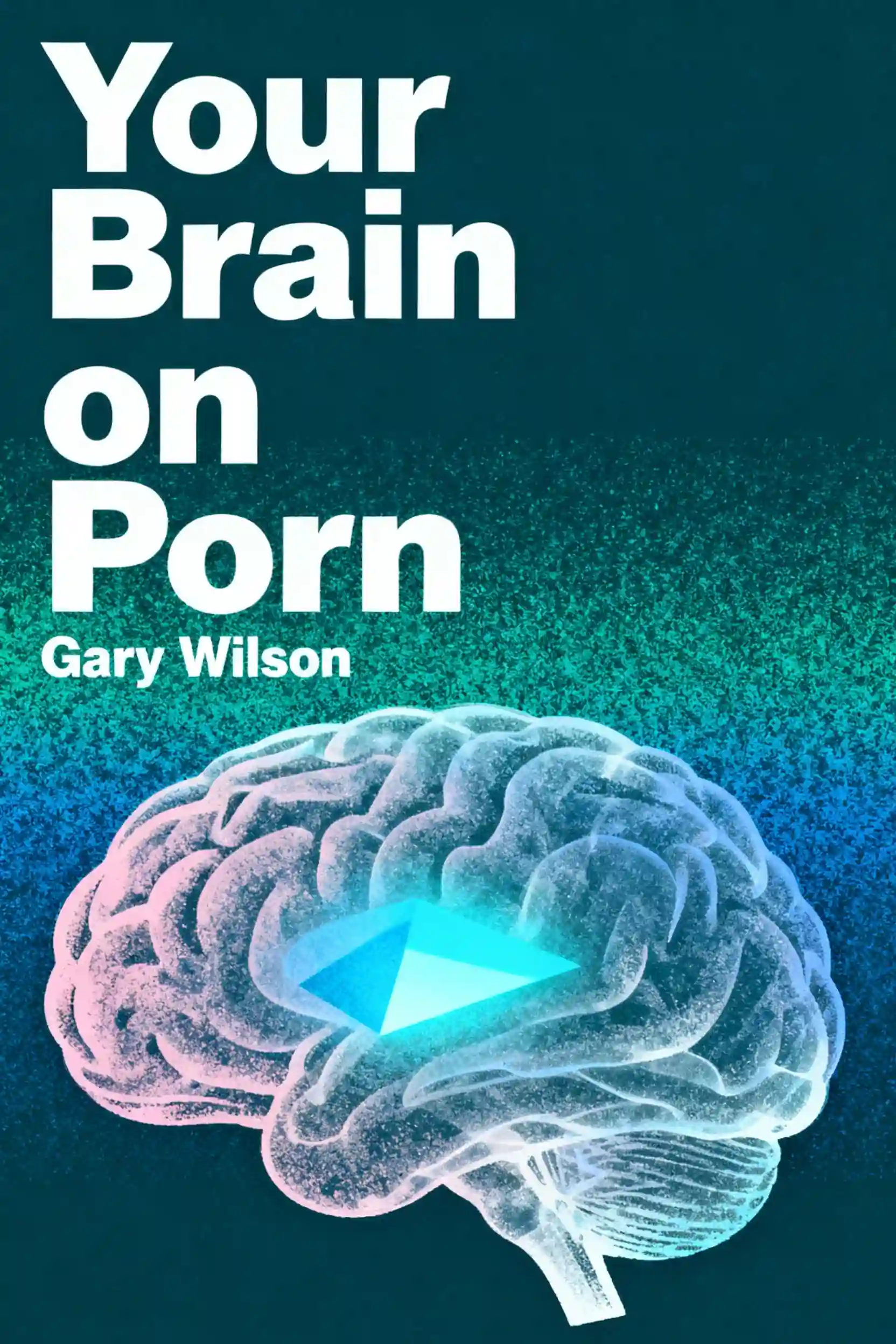
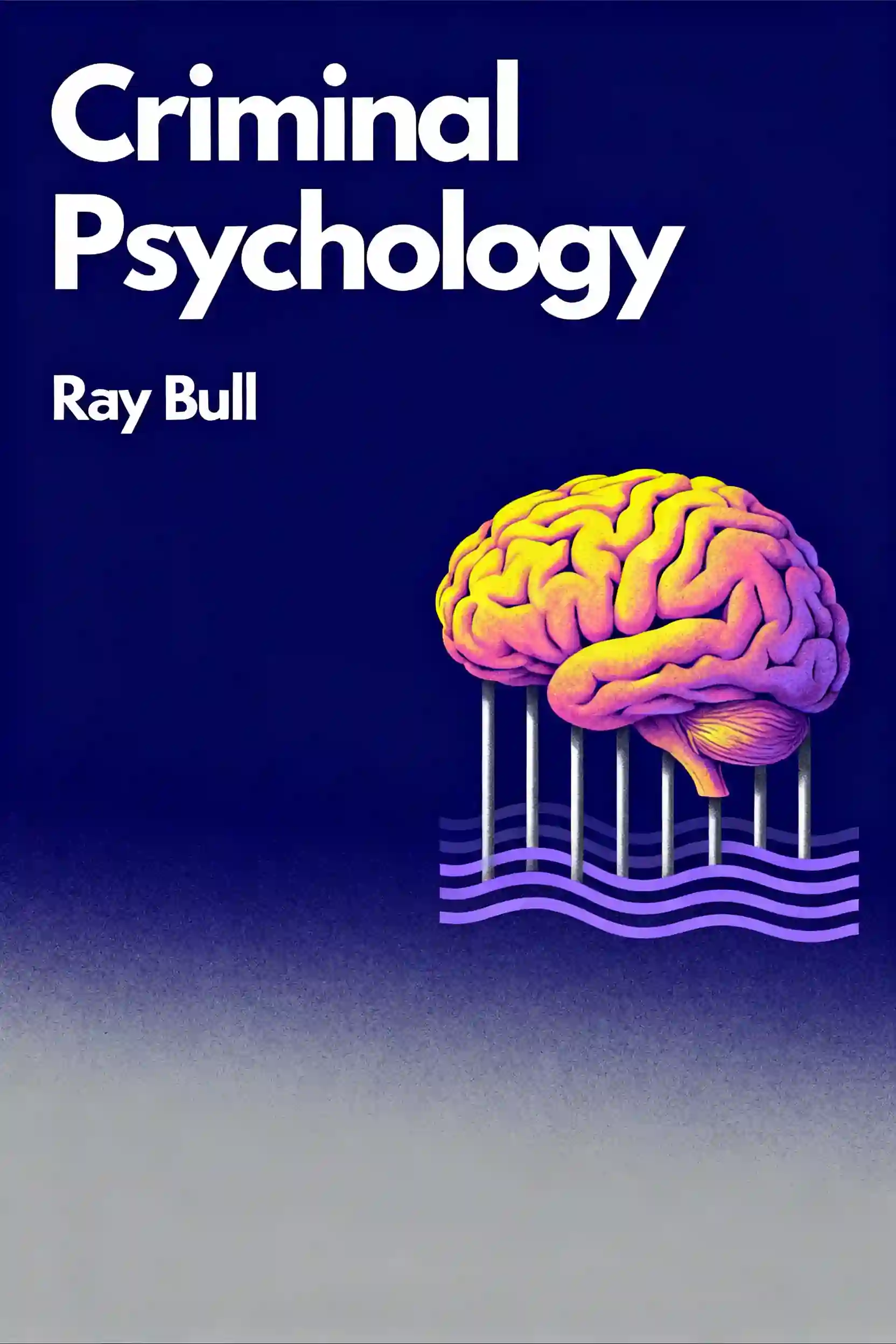
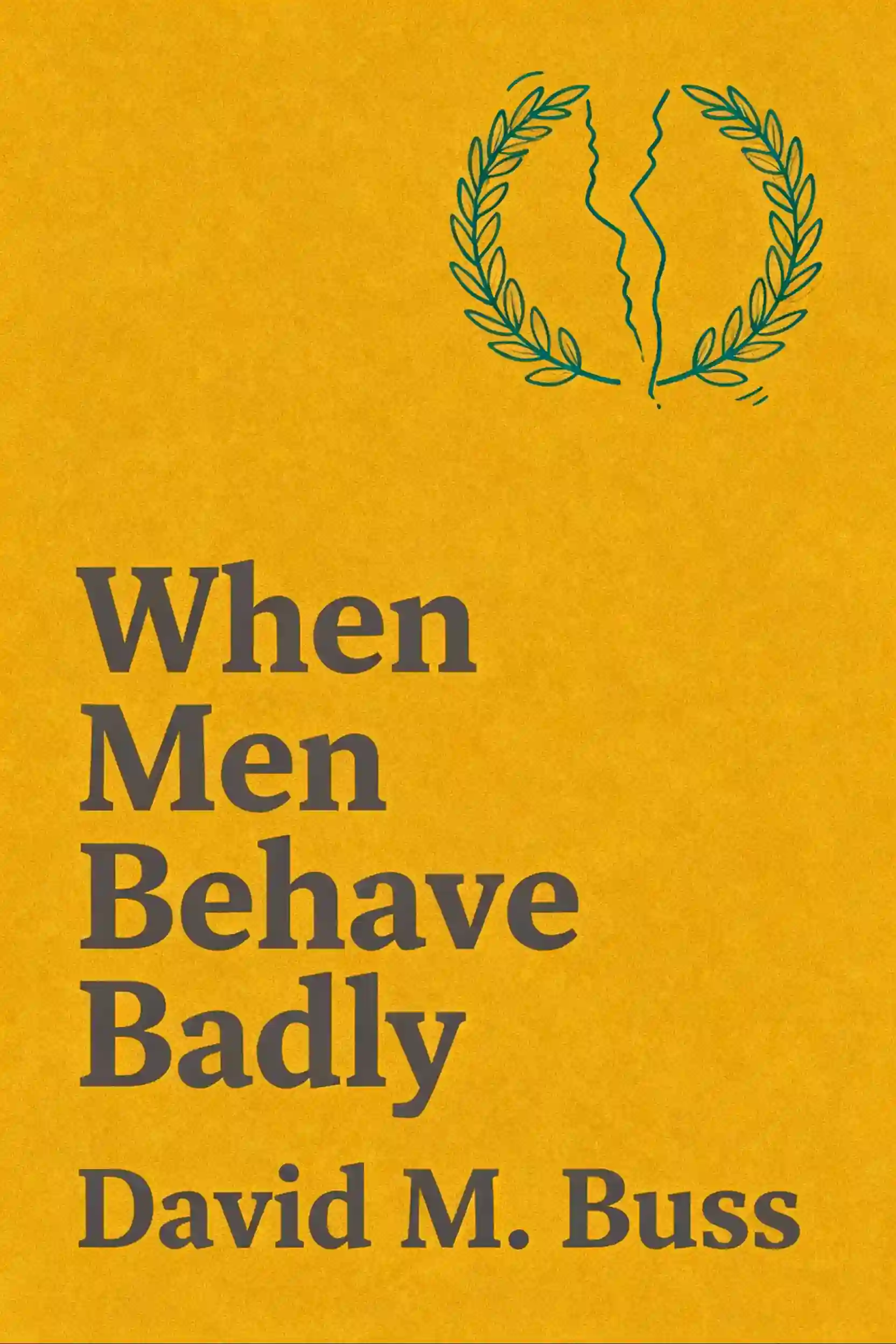
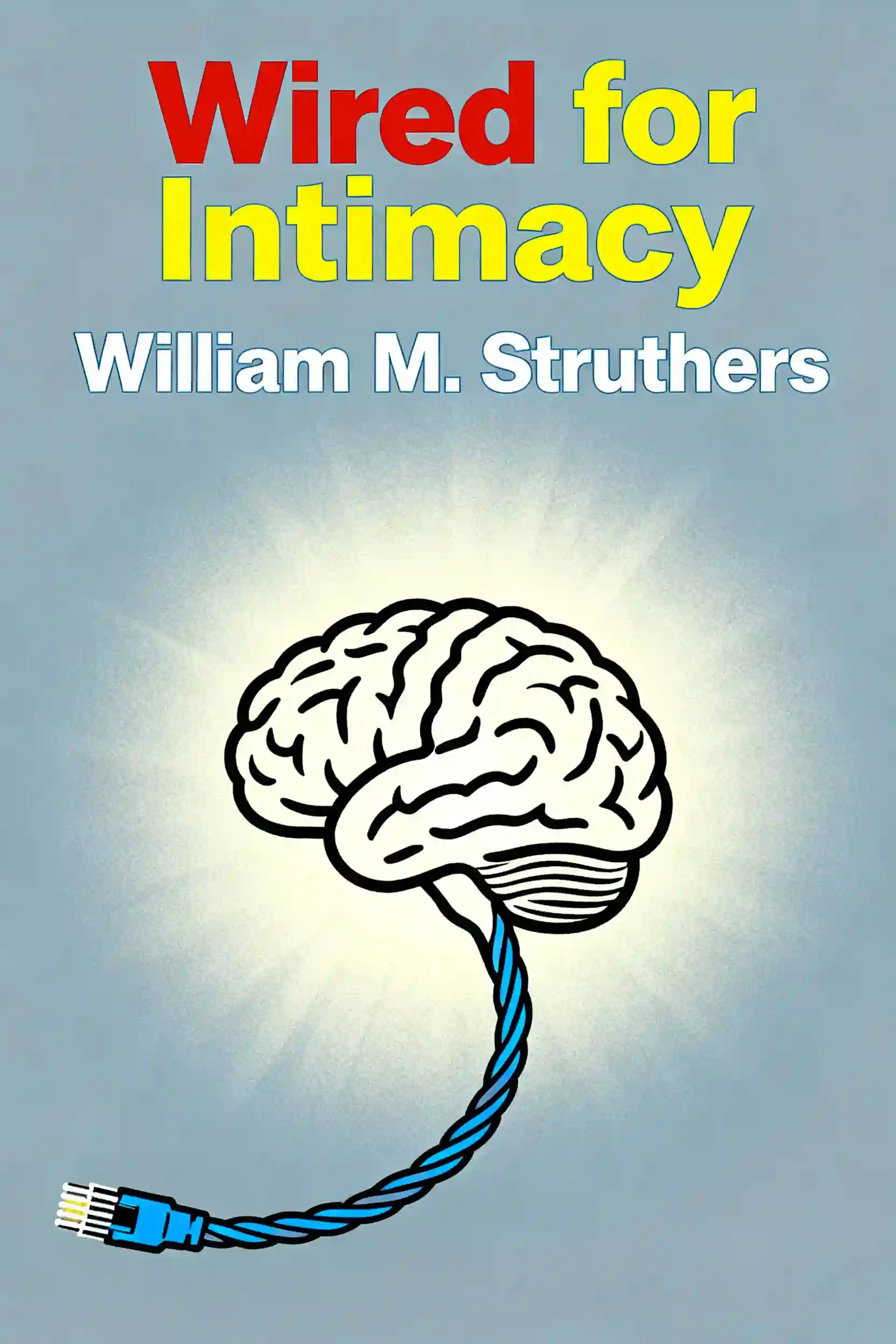
Research papers about paedophilia


Frequently Asked Questions
The developmental form typically begins in adolescence and represents a stable, lifelong sexual attraction. It is linked to subtle neurodevelopmental markers such as a higher prevalence of left-handedness, minor physical anomalies, or slight reductions in brain volume that suggest disruptions during prenatal brain formation. In contrast, the acquired form involves the sudden emergence of pedophilic urges in an adult with a previously normative sexual history. This is almost always caused by a specific neurological insult, such as an orbitofrontal tumor, traumatic brain injury, or neurodegenerative disease.
The specific way a crime is committed serves as a window into the perpetrator's brain function. Acquired cases often involve "impulsive" and disorganized offenses, such as approaching children in public without attempts to hide, which signals a catastrophic failure of the brain's executive suite. Developmental offenders, however, typically exhibit "compulsive" organization, utilizing secrecy, premeditation, and social "grooming" techniques. This suggests their inhibitory systems are functional enough to navigate social risks but are being intentionally bypassed or are insufficient to stop the behavior entirely.
Research indicates that offending is often a result of a failure in inhibitory control—the executive function that allows a person to stop an impulsive response. Many individuals with a pedophilic preference who never offend actually possess high-functioning inhibitory systems or compensatory neural mechanisms. The risk of offending skyrockets when a sexual preference meets a biological inability to regulate impulses, often described as having a powerful engine with worn-out brake pads. This deficit is frequently measured through neuropsychological tasks like the Go/No-Go test.
Yes, several biological markers suggest a neurodevelopmental origin for pedophilic preference, likely occurring during the second trimester of pregnancy. These include a significantly higher rate of non-right-handedness, slightly shorter average physical stature, and a higher number of older brothers (the fraternal birth order effect). These markers do not cause the preference but serve as a "geological record" of a brain that developed under unique biological conditions, shifting the understanding of the condition from a moral failing to a stable neurodevelopmental reality.
Treatment approaches vary based on the underlying cause. In acquired cases, addressing the medical trigger—such as surgically removing a brain tumor—can cause the urges to vanish entirely. For developmental cases, where the preference is a stable trait, the focus is on management rather than a "cure." This includes pharmacological interventions to strengthen the brain's inhibitory systems (targeting serotonin or GABA receptors) and behavioral therapy to address cognitive distortions. Emerging technologies like neurofeedback are also being explored to help individuals learn to consciously regulate activity in their brain's arousal centers.
Discover more

Sex, Identity, Neuroscience & Desire
Sex, Identity, Neuroscience & Desire
This learning plan bridges the gap between biological science and human experience, offering a deep dive into how our brains shape our most intimate selves. It is essential for healthcare professionals, educators, or individuals seeking to understand the intersection of neurobiology, gender diversity, and the psychology of attraction.

Love, Pleasure & Behavioral Neuroscience
Love, Pleasure & Behavioral Neuroscience
This plan bridges the gap between complex neurobiology and everyday human experiences like love and desire. It is ideal for individuals seeking to improve their relationships and mental health by understanding the biological drivers of pleasure and attachment.

Psychology, Desire & Neuroscience Study
Psychology, Desire & Neuroscience Study
This plan bridges the gap between biological brain function and observable human behavior. It is ideal for professionals, educators, or curious minds seeking to master the mechanics of motivation and the hidden biases that drive our daily choices.

Study children and criminal psychology
Study children and criminal psychology
This plan offers a unique intersection between developmental science and forensic analysis, essential for understanding the roots of human behavior. It is ideal for aspiring psychologists, criminologists, or educators seeking to understand how early life experiences shape criminal trajectories.

Study Neuro, Behavior, History, Pol & Phil
Study Neuro, Behavior, History, Pol & Phil
This interdisciplinary plan connects the biological roots of behavior with the grand sweep of human history and ethics. It is ideal for curious minds seeking to understand the 'why' behind human actions and societal structures.
Neuro, Behavior, Bio & Creative Interests
Neuro, Behavior, Bio & Creative Interests
This learning plan bridges the gap between biological hardwiring and creative output, offering a holistic view of the human experience. It is ideal for curious minds, educators, and professionals seeking to leverage behavioral science and neurobiology to enhance their personal and professional innovation.
Neurological
Neurological
This learning plan provides essential knowledge for anyone seeking to understand the biological basis of human behavior, cognition, and consciousness. It's particularly valuable for healthcare professionals, educators, psychology enthusiasts, and individuals interested in optimizing their own cognitive performance and mental health. Whether you're pursuing a career in neuroscience-related fields or simply want to better understand how your brain shapes your experiences and capabilities, this foundation in neurological science offers practical applications for personal development and professional growth.
From Columbia University alumni built in San Francisco
"Instead of endless scrolling, I just hit play on BeFreed. It saves me so much time."


"I never knew where to start with nonfiction—BeFreed’s book lists turned into podcasts gave me a clear path."


"Perfect balance between learning and entertainment. Finished ‘Thinking, Fast and Slow’ on my commute this week."
"Crazy how much I learned while walking the dog. BeFreed = small habits → big gains."
"Reading used to feel like a chore. Now it’s just part of my lifestyle."

"Feels effortless compared to reading. I’ve finished 6 books this month already."
"BeFreed turned my guilty doomscrolling into something that feels productive and inspiring."

"BeFreed turned my commute into learning time. 20-min podcasts are perfect for finishing books I never had time for."
"BeFreed replaced my podcast queue. Imagine Spotify for books — that’s it. 🙌"

"It is great for me to learn something from the book without reading it."
"The themed book list podcasts help me connect ideas across authors—like a guided audio journey."
"Makes me feel smarter every time before going to work"
From Columbia University alumni built in San Francisco
"Instead of endless scrolling, I just hit play on BeFreed. It saves me so much time."
"I never knew where to start with nonfiction—BeFreed’s book lists turned into podcasts gave me a clear path."
"Perfect balance between learning and entertainment. Finished ‘Thinking, Fast and Slow’ on my commute this week."
"Crazy how much I learned while walking the dog. BeFreed = small habits → big gains."
"Reading used to feel like a chore. Now it’s just part of my lifestyle."
"Feels effortless compared to reading. I’ve finished 6 books this month already."
"BeFreed turned my guilty doomscrolling into something that feels productive and inspiring."
"BeFreed turned my commute into learning time. 20-min podcasts are perfect for finishing books I never had time for."
"BeFreed replaced my podcast queue. Imagine Spotify for books — that’s it. 🙌"
"It is great for me to learn something from the book without reading it."
"The themed book list podcasts help me connect ideas across authors—like a guided audio journey."
"Makes me feel smarter every time before going to work"
"Instead of endless scrolling, I just hit play on BeFreed. It saves me so much time."
"I never knew where to start with nonfiction—BeFreed’s book lists turned into podcasts gave me a clear path."
"Perfect balance between learning and entertainment. Finished ‘Thinking, Fast and Slow’ on my commute this week."
"Crazy how much I learned while walking the dog. BeFreed = small habits → big gains."
"Reading used to feel like a chore. Now it’s just part of my lifestyle."
"Feels effortless compared to reading. I’ve finished 6 books this month already."
"BeFreed turned my guilty doomscrolling into something that feels productive and inspiring."
"BeFreed turned my commute into learning time. 20-min podcasts are perfect for finishing books I never had time for."
"BeFreed replaced my podcast queue. Imagine Spotify for books — that’s it. 🙌"
"It is great for me to learn something from the book without reading it."
"The themed book list podcasts help me connect ideas across authors—like a guided audio journey."
"Makes me feel smarter every time before going to work"
"Instead of endless scrolling, I just hit play on BeFreed. It saves me so much time."
"I never knew where to start with nonfiction—BeFreed’s book lists turned into podcasts gave me a clear path."
"Perfect balance between learning and entertainment. Finished ‘Thinking, Fast and Slow’ on my commute this week."
"Crazy how much I learned while walking the dog. BeFreed = small habits → big gains."
"Reading used to feel like a chore. Now it’s just part of my lifestyle."
"Feels effortless compared to reading. I’ve finished 6 books this month already."
"BeFreed turned my guilty doomscrolling into something that feels productive and inspiring."
"BeFreed turned my commute into learning time. 20-min podcasts are perfect for finishing books I never had time for."
"BeFreed replaced my podcast queue. Imagine Spotify for books — that’s it. 🙌"
"It is great for me to learn something from the book without reading it."
"The themed book list podcasts help me connect ideas across authors—like a guided audio journey."
"Makes me feel smarter every time before going to work"


