
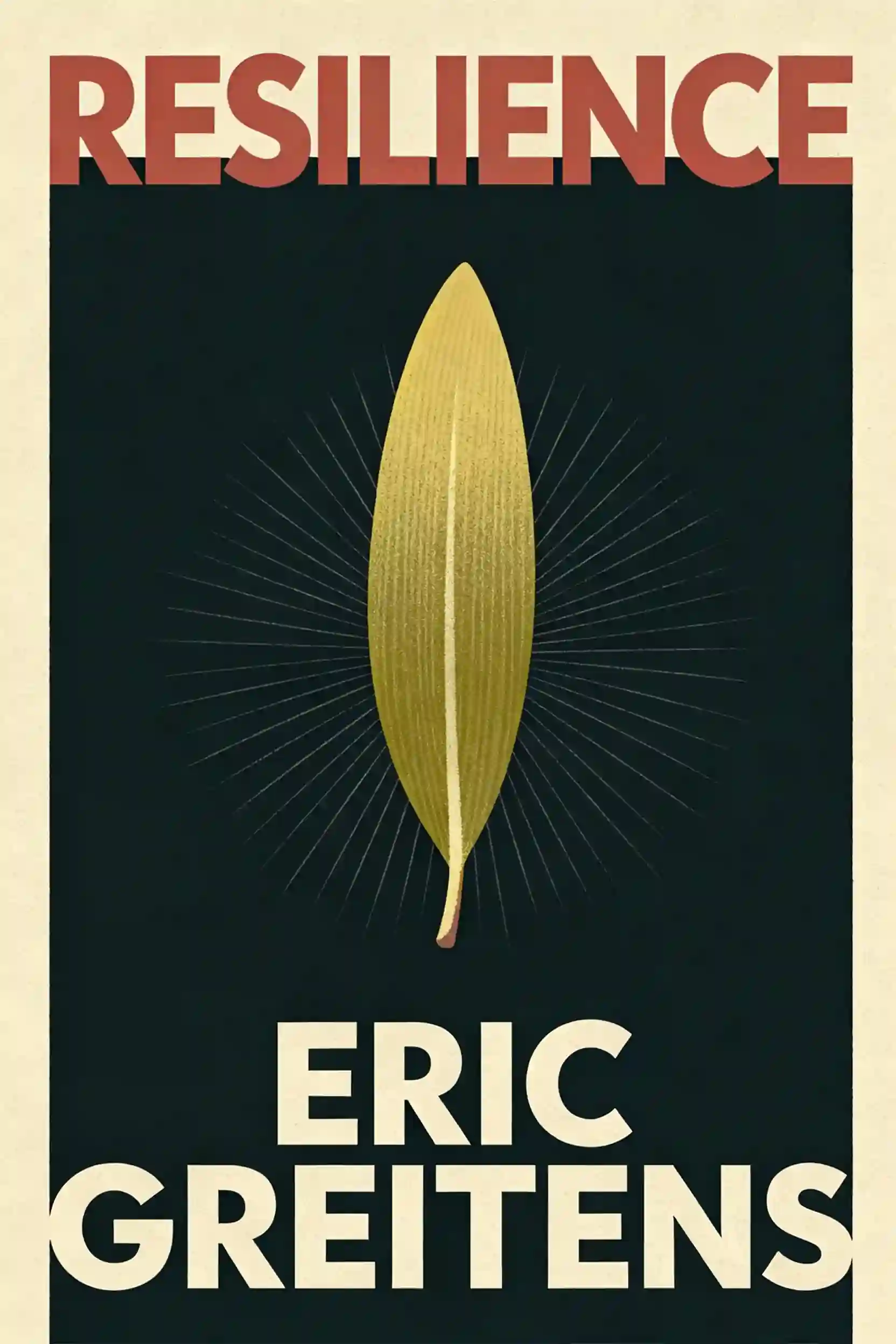
The Mental Strength Muscle: Building Unstoppable Resilience
Stop ruminating and start auditing your energy. Discover the 'four C’s' framework and tactical tools to transform your internal operating system for peak mental stamina.

Best quote from The Mental Strength Muscle: Building Unstoppable Resilience
Mental strength isn't something you're born with; it's a muscle you build. It’s not about being fearless or unbending, but about being adaptable and knowing exactly where to put your energy.

This audio lesson was created by a BeFreed community member
Mentally strong


Frequently Asked Questions
BLUE thoughts are a specific category of automatic negative thoughts that drain cognitive bandwidth and increase anxiety. The acronym stands for Blaming yourself, Looking for bad news, Unhappy guessing (catastrophizing), and using Exaggeratedly negative language. Mentally strong people build the habit of catching these thoughts and "arguing" against them with evidence-based beliefs rather than accepting them as universal truths.
According to the Epstein Resilience Inventory (ERI) study, the competency "Manages Thoughts Constructively" is the number one predictor of positive life outcomes, including happiness, personal success, and mental health. While people generally score higher in social skills like maintaining relationships, mastering the internal monologue and reframing negative events provides the most significant "upgrade" to a person's psychological operating system.
Behavioral Activation is a tool from Cognitive Behavioral Therapy (CBT) based on the principle that movement precedes motivation. Instead of waiting to "feel better" before taking action, a person schedules a small, positive task—such as a ten-minute walk or washing dishes. This physical action triggers a shift in the emotional state, using momentum to break the cycle of a negative "funk."
Data showed a jump in resilience scores after mid-2020 because the global crisis acted as a "forced training montage." The pandemic represented the "Challenge" piece of the four C’s framework, requiring people to adapt, find new ways to solve problems, and connect with others. This suggests that resilience is not a fixed trait but a skill that can be strengthened through the necessity of navigating difficult experiences.
Research into character strengths found that while humility is a moral virtue, it has a low correlation with self-reported happiness. Experts suggest an "optimal margin of illusion" is beneficial, meaning that a small amount of healthy self-enhancement or thinking you are slightly better than average acts as a resilience tool. Being too humble can lead to a lack of self-credit, which may dampen overall mood and life satisfaction.
Discover more

Mental strength and resilience
Mental strength and resilience
In today's high-pressure world, mental resilience is the difference between thriving and merely surviving. This learning plan equips you with practical techniques used by elite performers to build unshakeable mental strength, benefiting anyone facing personal challenges, professional pressure, or seeking to optimize their psychological wellbeing.

Strengthen My Mindset
Strengthen My Mindset
In an era of constant change, mental resilience is the ultimate competitive advantage for personal and professional success. This plan is designed for individuals seeking to overcome self-doubt and master their emotional responses to achieve peak performance.
From Columbia University alumni built in San Francisco
"Instead of endless scrolling, I just hit play on BeFreed. It saves me so much time."


"I never knew where to start with nonfiction—BeFreed’s book lists turned into podcasts gave me a clear path."


"Perfect balance between learning and entertainment. Finished ‘Thinking, Fast and Slow’ on my commute this week."
"Crazy how much I learned while walking the dog. BeFreed = small habits → big gains."
"Reading used to feel like a chore. Now it’s just part of my lifestyle."

"Feels effortless compared to reading. I’ve finished 6 books this month already."
"BeFreed turned my guilty doomscrolling into something that feels productive and inspiring."

"BeFreed turned my commute into learning time. 20-min podcasts are perfect for finishing books I never had time for."
"BeFreed replaced my podcast queue. Imagine Spotify for books — that’s it. 🙌"

"It is great for me to learn something from the book without reading it."
"The themed book list podcasts help me connect ideas across authors—like a guided audio journey."
"Makes me feel smarter every time before going to work"
From Columbia University alumni built in San Francisco
"Instead of endless scrolling, I just hit play on BeFreed. It saves me so much time."
"I never knew where to start with nonfiction—BeFreed’s book lists turned into podcasts gave me a clear path."
"Perfect balance between learning and entertainment. Finished ‘Thinking, Fast and Slow’ on my commute this week."
"Crazy how much I learned while walking the dog. BeFreed = small habits → big gains."
"Reading used to feel like a chore. Now it’s just part of my lifestyle."
"Feels effortless compared to reading. I’ve finished 6 books this month already."
"BeFreed turned my guilty doomscrolling into something that feels productive and inspiring."
"BeFreed turned my commute into learning time. 20-min podcasts are perfect for finishing books I never had time for."
"BeFreed replaced my podcast queue. Imagine Spotify for books — that’s it. 🙌"
"It is great for me to learn something from the book without reading it."
"The themed book list podcasts help me connect ideas across authors—like a guided audio journey."
"Makes me feel smarter every time before going to work"
"Instead of endless scrolling, I just hit play on BeFreed. It saves me so much time."
"I never knew where to start with nonfiction—BeFreed’s book lists turned into podcasts gave me a clear path."
"Perfect balance between learning and entertainment. Finished ‘Thinking, Fast and Slow’ on my commute this week."
"Crazy how much I learned while walking the dog. BeFreed = small habits → big gains."
"Reading used to feel like a chore. Now it’s just part of my lifestyle."
"Feels effortless compared to reading. I’ve finished 6 books this month already."
"BeFreed turned my guilty doomscrolling into something that feels productive and inspiring."
"BeFreed turned my commute into learning time. 20-min podcasts are perfect for finishing books I never had time for."
"BeFreed replaced my podcast queue. Imagine Spotify for books — that’s it. 🙌"
"It is great for me to learn something from the book without reading it."
"The themed book list podcasts help me connect ideas across authors—like a guided audio journey."
"Makes me feel smarter every time before going to work"
"Instead of endless scrolling, I just hit play on BeFreed. It saves me so much time."
"I never knew where to start with nonfiction—BeFreed’s book lists turned into podcasts gave me a clear path."
"Perfect balance between learning and entertainment. Finished ‘Thinking, Fast and Slow’ on my commute this week."
"Crazy how much I learned while walking the dog. BeFreed = small habits → big gains."
"Reading used to feel like a chore. Now it’s just part of my lifestyle."
"Feels effortless compared to reading. I’ve finished 6 books this month already."
"BeFreed turned my guilty doomscrolling into something that feels productive and inspiring."
"BeFreed turned my commute into learning time. 20-min podcasts are perfect for finishing books I never had time for."
"BeFreed replaced my podcast queue. Imagine Spotify for books — that’s it. 🙌"
"It is great for me to learn something from the book without reading it."
"The themed book list podcasts help me connect ideas across authors—like a guided audio journey."
"Makes me feel smarter every time before going to work"


