
The Loneliness We Built By Design
Explore how we've systematically dismantled the spaces where community happens, turning chronic loneliness into a public health crisis equivalent to smoking 15 cigarettes daily.

Best quote from The Loneliness We Built By Design
We've gained privacy but lost resilience, gained independence but lost belonging. We've created a society that makes loneliness almost inevitable, but that also means we have the power to create something different.

This audio lesson was created by a BeFreed community member
What kind of society is this that we don't even know our neighbors and don't want to talk to anyone

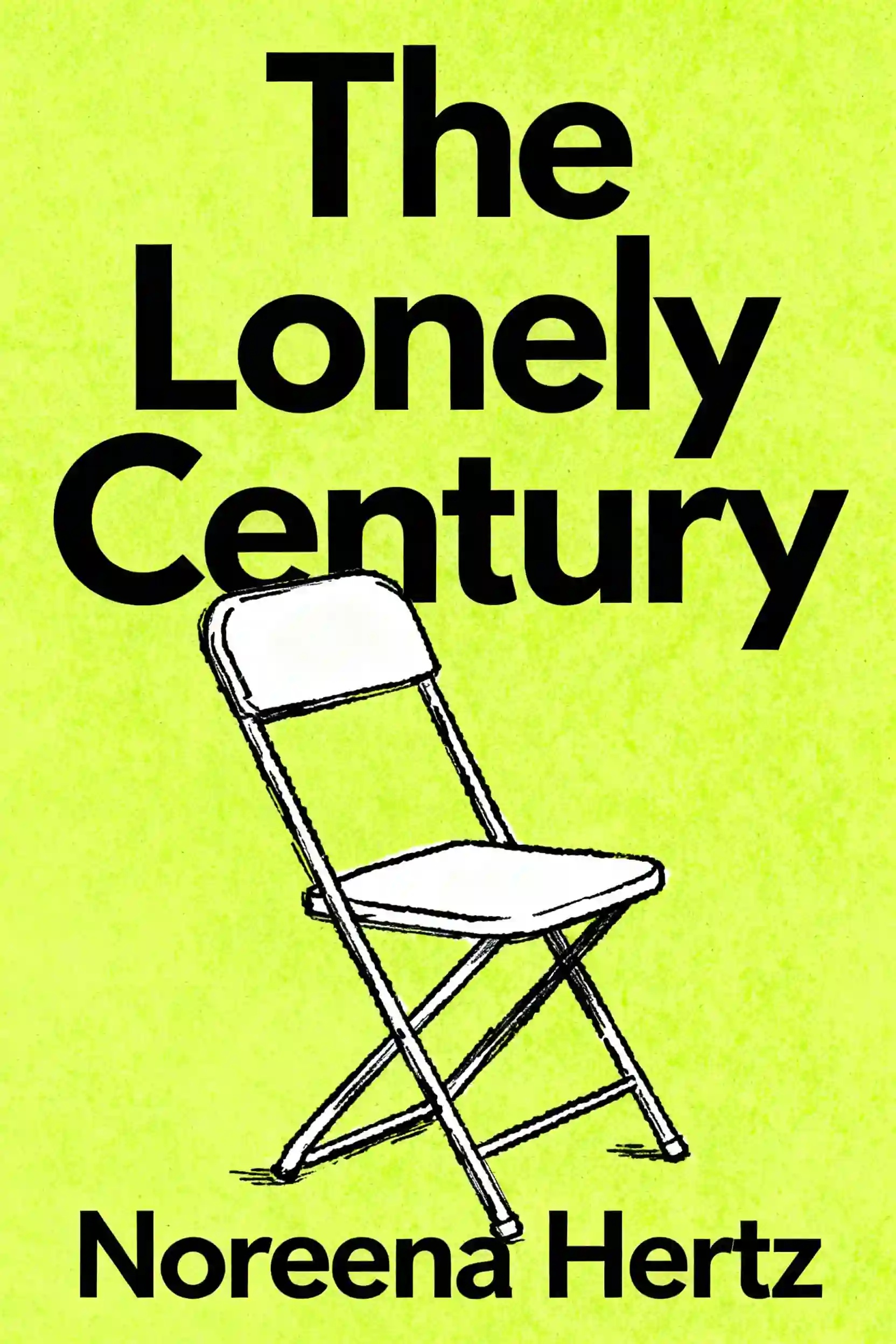
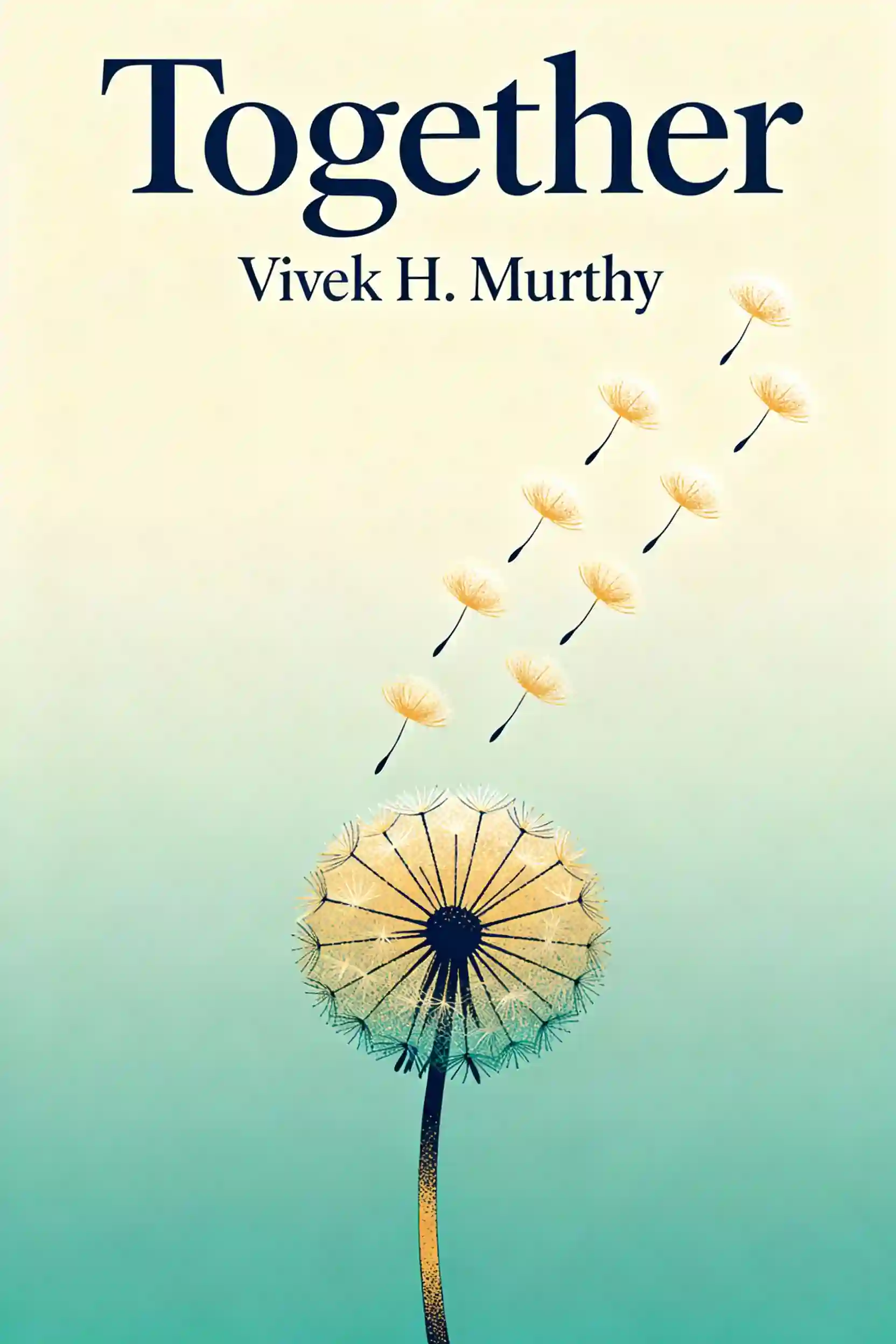
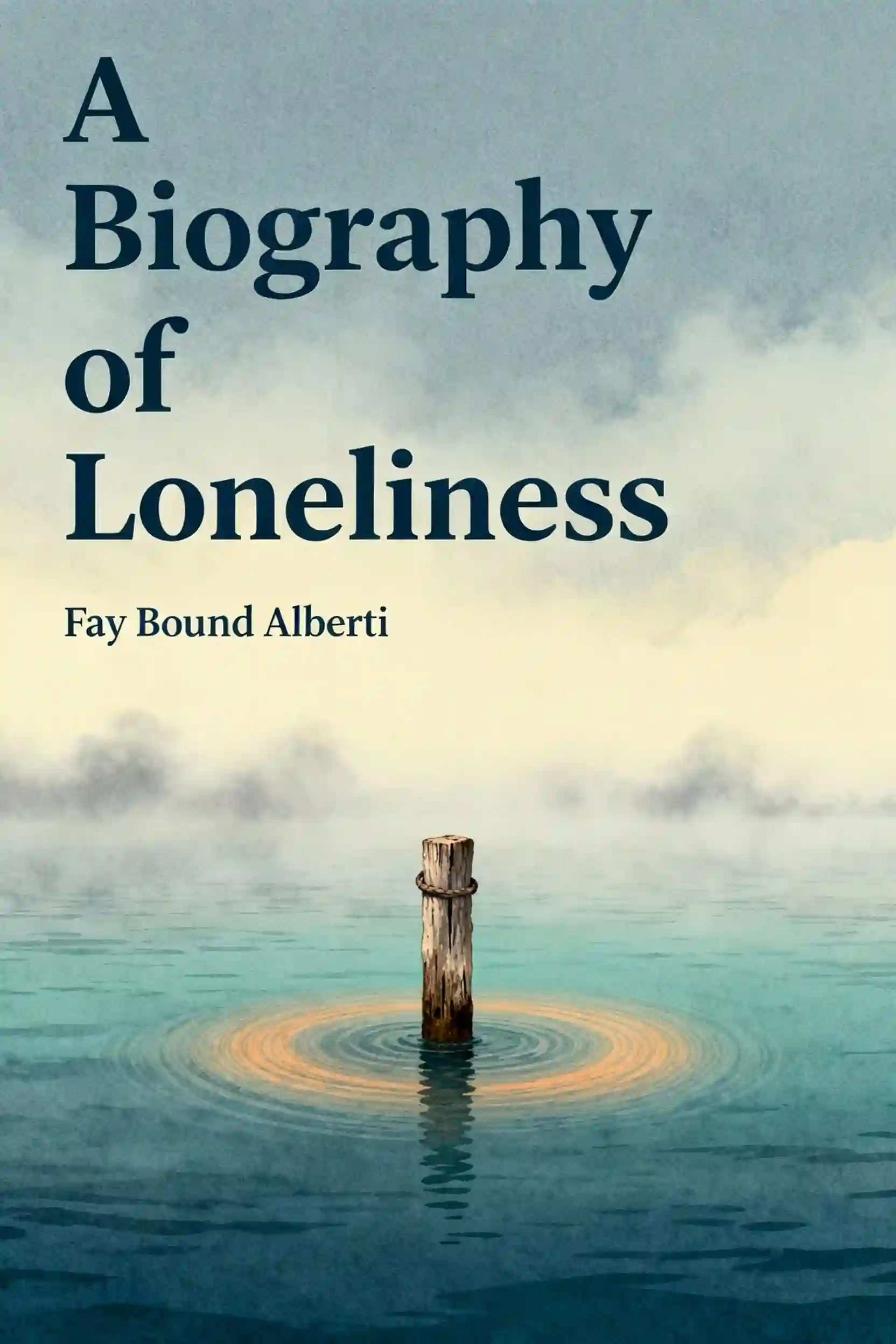
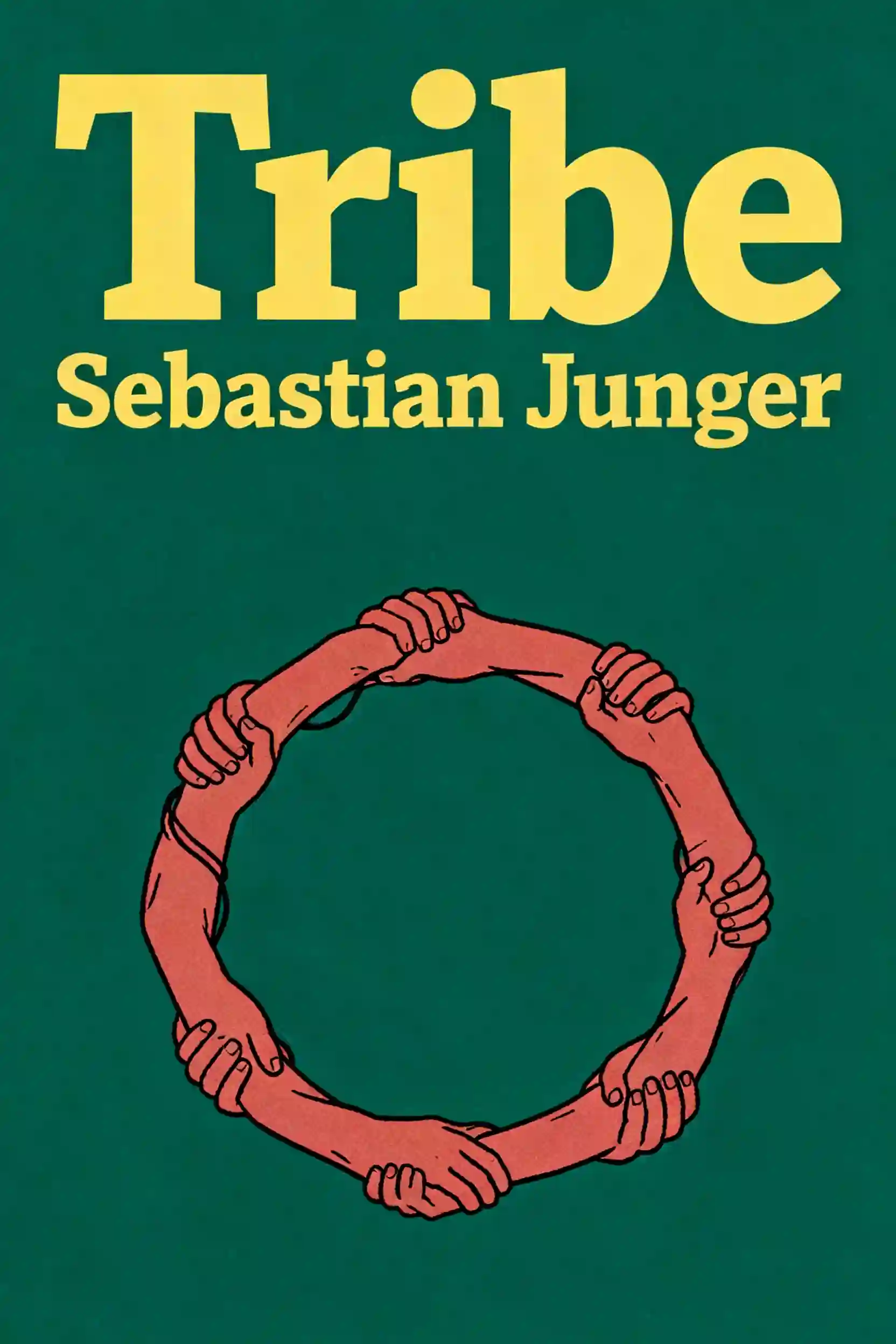
Discover more

Learning to be alone
Learning to be alone
In our hyper-connected world, many people struggle with spending time alone, often confusing solitude with loneliness. This learning plan helps individuals develop the mindset and skills to embrace solitude as a path to self-discovery, independence, and personal fulfillment.

Overcome isolation and build self-confidence
Overcome isolation and build self-confidence
This learning plan addresses the painful cycle of self-isolation and low self-worth that prevents meaningful human connection. It's designed for anyone who sabotages relationships, struggles with vulnerability, or feels trapped in loneliness despite wanting closeness. Through evidence-based psychological insights and practical skills, you'll break free from isolation patterns and build the confidence to create genuine belonging.

Content with being alone
Content with being alone
In today's hyperconnected world, many people struggle with being alone, often confusing solitude with loneliness. This learning plan helps those seeking to develop a healthy relationship with solitude, transforming alone time from something feared into a powerful tool for self-discovery, independence, and authentic contentment.
get Friends
get Friends
In an increasingly isolated world, building meaningful connections is a vital skill for personal happiness and professional success. This plan is designed for anyone looking to bridge the gap between loneliness and a vibrant social life by mastering the art of human connection.

Burnout
Burnout
In an era of constant connectivity, understanding the biological roots of exhaustion is vital for long-term health. This plan is essential for professionals feeling depleted who want to transition from survival mode to sustainable high performance.
Build communities and real connections
Build communities and real connections
This plan is designed for aspiring leaders and community builders who want to move beyond superficial networking. It provides the psychological tools and leadership strategies needed to foster genuine belonging in professional and social environments.
Build Stronger Relationships
Build Stronger Relationships
In an increasingly isolated world, the ability to forge deep connections is a vital life skill. This plan is designed for anyone looking to improve their social confidence, resolve recurring conflicts, and build more authentic personal or professional partnerships.
Rebuild creative energy after isolation
Rebuild creative energy after isolation
This plan is designed for artists and professionals who feel stagnant or disconnected after periods of social withdrawal. It provides a structured path to transition from isolation fatigue back into a sustainable, community-supported creative practice.
From Columbia University alumni built in San Francisco
"Instead of endless scrolling, I just hit play on BeFreed. It saves me so much time."


"I never knew where to start with nonfiction—BeFreed’s book lists turned into podcasts gave me a clear path."


"Perfect balance between learning and entertainment. Finished ‘Thinking, Fast and Slow’ on my commute this week."
"Crazy how much I learned while walking the dog. BeFreed = small habits → big gains."
"Reading used to feel like a chore. Now it’s just part of my lifestyle."

"Feels effortless compared to reading. I’ve finished 6 books this month already."
"BeFreed turned my guilty doomscrolling into something that feels productive and inspiring."

"BeFreed turned my commute into learning time. 20-min podcasts are perfect for finishing books I never had time for."
"BeFreed replaced my podcast queue. Imagine Spotify for books — that’s it. 🙌"

"It is great for me to learn something from the book without reading it."
"The themed book list podcasts help me connect ideas across authors—like a guided audio journey."
"Makes me feel smarter every time before going to work"
From Columbia University alumni built in San Francisco
"Instead of endless scrolling, I just hit play on BeFreed. It saves me so much time."
"I never knew where to start with nonfiction—BeFreed’s book lists turned into podcasts gave me a clear path."
"Perfect balance between learning and entertainment. Finished ‘Thinking, Fast and Slow’ on my commute this week."
"Crazy how much I learned while walking the dog. BeFreed = small habits → big gains."
"Reading used to feel like a chore. Now it’s just part of my lifestyle."
"Feels effortless compared to reading. I’ve finished 6 books this month already."
"BeFreed turned my guilty doomscrolling into something that feels productive and inspiring."
"BeFreed turned my commute into learning time. 20-min podcasts are perfect for finishing books I never had time for."
"BeFreed replaced my podcast queue. Imagine Spotify for books — that’s it. 🙌"
"It is great for me to learn something from the book without reading it."
"The themed book list podcasts help me connect ideas across authors—like a guided audio journey."
"Makes me feel smarter every time before going to work"
"Instead of endless scrolling, I just hit play on BeFreed. It saves me so much time."
"I never knew where to start with nonfiction—BeFreed’s book lists turned into podcasts gave me a clear path."
"Perfect balance between learning and entertainment. Finished ‘Thinking, Fast and Slow’ on my commute this week."
"Crazy how much I learned while walking the dog. BeFreed = small habits → big gains."
"Reading used to feel like a chore. Now it’s just part of my lifestyle."
"Feels effortless compared to reading. I’ve finished 6 books this month already."
"BeFreed turned my guilty doomscrolling into something that feels productive and inspiring."
"BeFreed turned my commute into learning time. 20-min podcasts are perfect for finishing books I never had time for."
"BeFreed replaced my podcast queue. Imagine Spotify for books — that’s it. 🙌"
"It is great for me to learn something from the book without reading it."
"The themed book list podcasts help me connect ideas across authors—like a guided audio journey."
"Makes me feel smarter every time before going to work"
"Instead of endless scrolling, I just hit play on BeFreed. It saves me so much time."
"I never knew where to start with nonfiction—BeFreed’s book lists turned into podcasts gave me a clear path."
"Perfect balance between learning and entertainment. Finished ‘Thinking, Fast and Slow’ on my commute this week."
"Crazy how much I learned while walking the dog. BeFreed = small habits → big gains."
"Reading used to feel like a chore. Now it’s just part of my lifestyle."
"Feels effortless compared to reading. I’ve finished 6 books this month already."
"BeFreed turned my guilty doomscrolling into something that feels productive and inspiring."
"BeFreed turned my commute into learning time. 20-min podcasts are perfect for finishing books I never had time for."
"BeFreed replaced my podcast queue. Imagine Spotify for books — that’s it. 🙌"
"It is great for me to learn something from the book without reading it."
"The themed book list podcasts help me connect ideas across authors—like a guided audio journey."
"Makes me feel smarter every time before going to work"


