
The Art of Doing Science: How to Think Better
Stuck doing mediocre work? Learn Richard Hamming’s systematic approach to learning and problem solving so you can turn failures into breakthrough ideas.

Best quote from The Art of Doing Science: How to Think Better
Great ideas are not a stroke of luck, but the result of a specific, trainable style of thinking where you treat your own brain as a prototype, constantly iterating and testing hypotheses about how you learn best.

This audio lesson was created by a BeFreed community member
The art of doing science and engineering learning to learn book breakdown.

Frequently Asked Questions
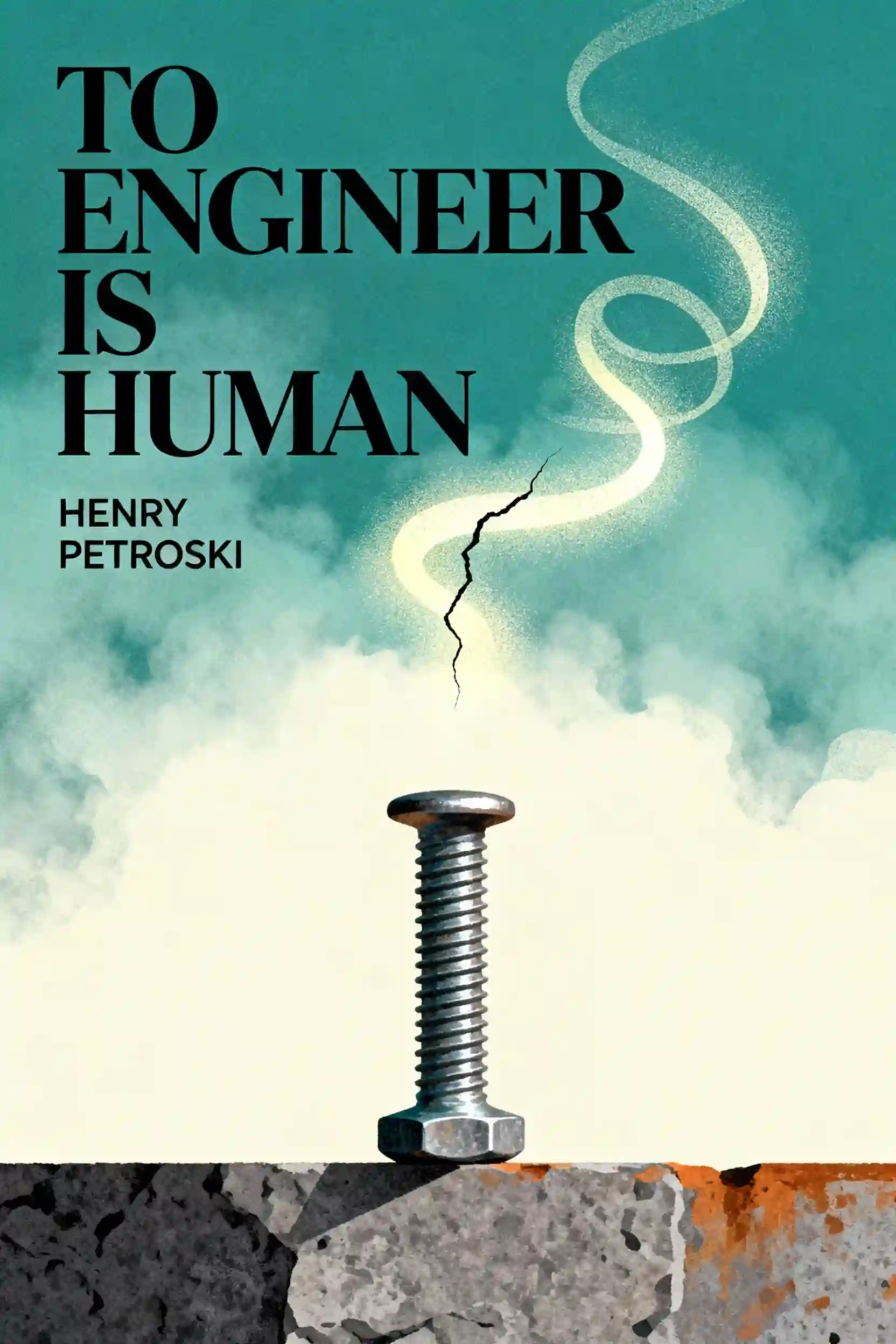
In engineering and science, a success only confirms that the specific parameters chosen were sufficient, but it fails to reveal how close the system was to the edge of disaster. In contrast, a failure provides a specific, non-negotiable piece of feedback about the laws of physics or the logic of a system. These moments are described as "information-dense data points" because they force a forensic analysis of underlying assumptions, allowing a professional to expand the boundaries of their competence and uncover the "unwritten laws" of how systems truly interact.
Street-fighting mathematics is a toolkit of "super-thinking" models used to navigate uncertainty without getting bogged down in complex calculations. It involves using approximations, dimensional analysis, and "sanity checks" to see if a result makes sense before diving into granular details. For example, a practitioner might test extreme cases—such as checking if a result goes to zero when an input goes to infinity—to identify errors in intuition or logic. This approach treats math as a language for describing reality rather than a series of rote hurdles.
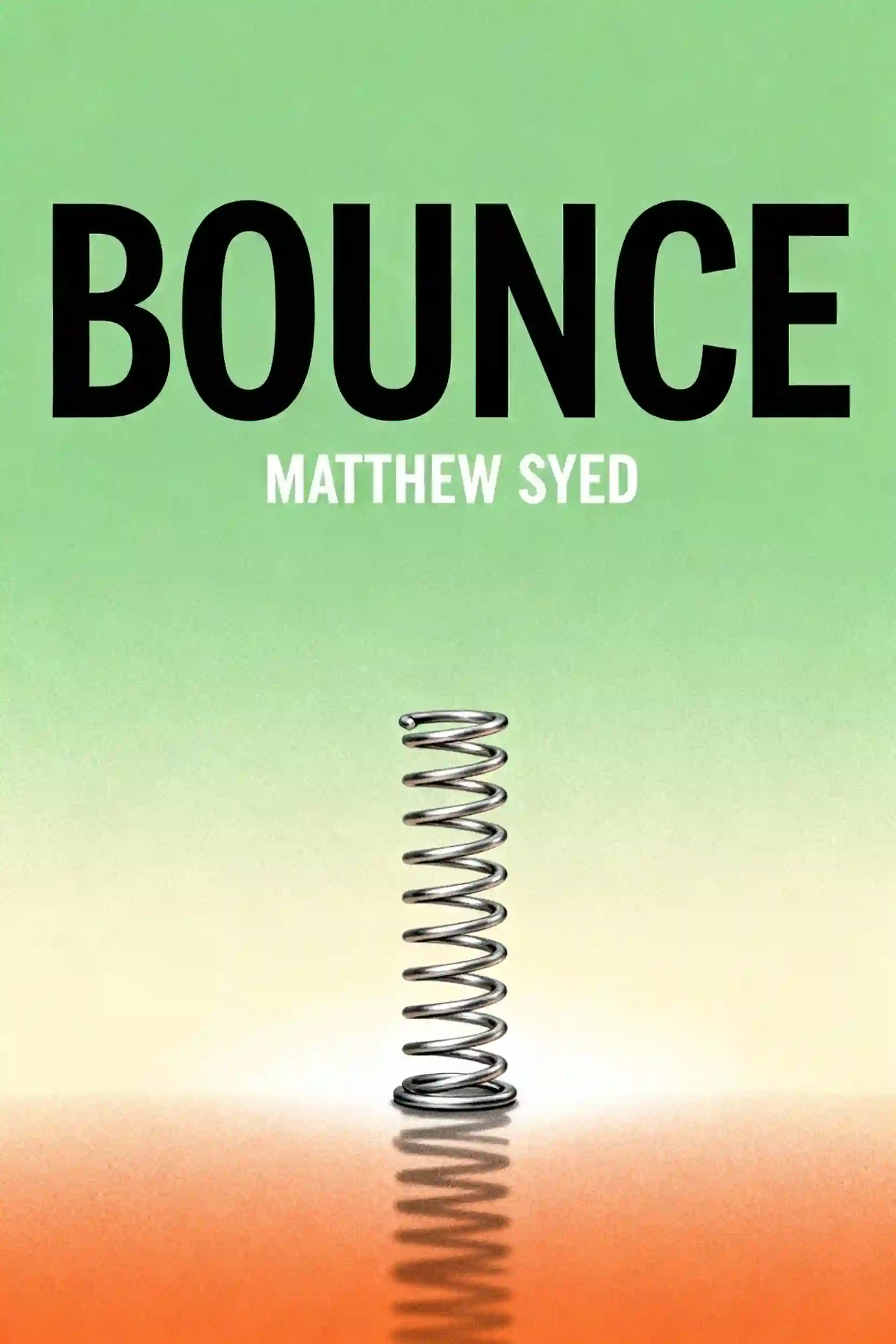
While "eureka" moments feel accidental, they are actually the result of a specific process involving "relaxed alertness." This occurs when a person has done the intense "street-fighting" work of wrestling with data but then steps back to allow the subconscious mind to take over during periods of incubation, such as walking or resting. To maximize these insights, one must feed the brain a diverse diet of "source materials" and mental models from various fields, which provides the raw material necessary for the brain to make unexpected connections and recognize patterns across disciplines.
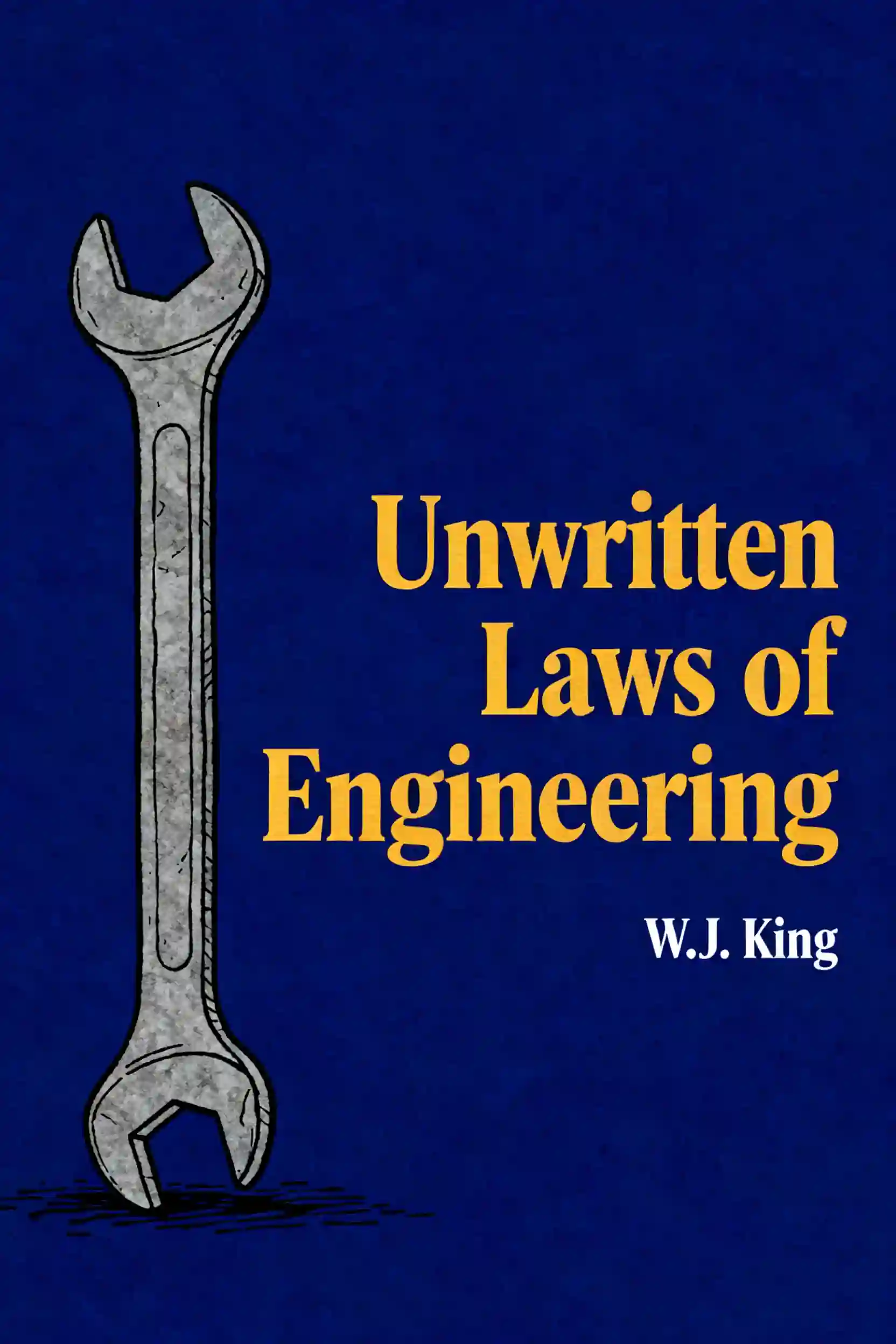
The unwritten laws refer to the human and social elements of technical work that are often overlooked but critical for impact. This includes "engineering the self" by optimizing career interactions, managing managers, and leading without formal authority. It also involves maintaining a specific "etiquette" of engineering where communication is clear and accurate to prevent errors. Ultimately, these laws suggest that technical brilliance must be paired with an understanding of human behavior and organizational politics to ensure that innovative ideas are actually implemented and valued.
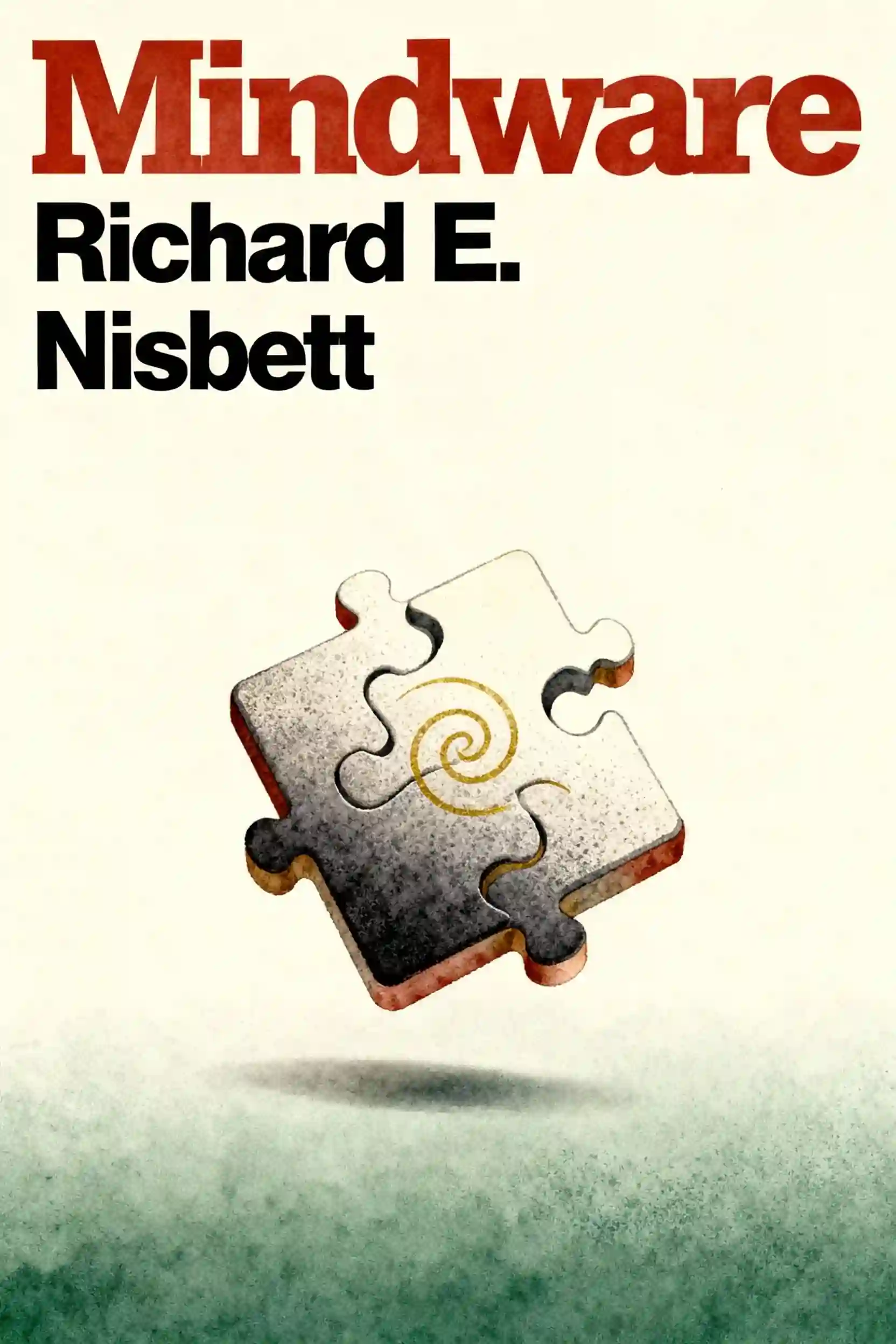
Deliberate practice is an active reconstruction of ideas rather than the passive consumption of information. It requires a "growth mindset" where a person purposefully engages in tasks that are difficult and push them just beyond their current capabilities. Instead of assuming a plateau is a natural limit, someone practicing deliberately analyzes their methods to find "friction" and seeks out disconfirming evidence to challenge their own biases. This rigorous psychological approach is what allows knowledge to pay "compounding interest" over a long career.
Discover more

How to study and learn
How to study and learn
This plan bridges the gap between cognitive science and practical application for anyone looking to optimize their brain's potential. It is ideal for students, professionals, and lifelong learners who want to stop wasting time on ineffective habits and start mastering complex subjects faster.

Study Mind, Science, History & Innovation
Study Mind, Science, History & Innovation
This plan bridges the gap between cognitive science, history, and modern problem-solving. It is ideal for thinkers and leaders who want to leverage the mechanics of the mind and scientific rigor to fuel creative innovation.
Master STEM through revision and practice
Master STEM through revision and practice
This learning plan is essential for students and professionals looking to move beyond rote memorization into deep conceptual mastery of technical subjects. It is ideal for anyone seeking to strengthen their mathematical logic and scientific problem-solving abilities through proven cognitive strategies.
Learn science and productivity basics
Learn science and productivity basics
In an era of information overload, mastering evidence-based thinking and cognitive optimization is essential for high performance. This plan is ideal for professionals and students looking to combine scientific rigor with practical productivity systems.

Be a good scientist
Be a good scientist
This plan provides a comprehensive roadmap for mastering the ethical, analytical, and practical skills required for professional research. It is ideal for aspiring researchers, students, and professionals looking to sharpen their experimental rigor and innovation capabilities.

Self-Improvement, Habits & Psychology Study
Self-Improvement, Habits & Psychology Study
In an era of constant distraction, mastering the mechanics of your own mind is the ultimate competitive advantage. This plan is designed for high-performers and lifelong learners who want to bridge the gap between knowing what to do and actually doing it through behavioral science.
Do better mathematics
Do better mathematics
This plan is essential for anyone looking to bridge the gap between basic arithmetic and high-level analytical thinking. It is ideal for students or professionals who want to build confidence and see the logical beauty in mathematical structures.

Behavior, Creativity, Inspiration & Habits
Behavior, Creativity, Inspiration & Habits
This learning plan bridges the gap between neurological science and practical creative output. It is designed for professionals and creators looking to automate success through better habits while mastering the psychological states required for high-level innovation.
From Columbia University alumni built in San Francisco
"Instead of endless scrolling, I just hit play on BeFreed. It saves me so much time."


"I never knew where to start with nonfiction—BeFreed’s book lists turned into podcasts gave me a clear path."


"Perfect balance between learning and entertainment. Finished ‘Thinking, Fast and Slow’ on my commute this week."
"Crazy how much I learned while walking the dog. BeFreed = small habits → big gains."
"Reading used to feel like a chore. Now it’s just part of my lifestyle."

"Feels effortless compared to reading. I’ve finished 6 books this month already."
"BeFreed turned my guilty doomscrolling into something that feels productive and inspiring."

"BeFreed turned my commute into learning time. 20-min podcasts are perfect for finishing books I never had time for."
"BeFreed replaced my podcast queue. Imagine Spotify for books — that’s it. 🙌"

"It is great for me to learn something from the book without reading it."
"The themed book list podcasts help me connect ideas across authors—like a guided audio journey."
"Makes me feel smarter every time before going to work"
From Columbia University alumni built in San Francisco
"Instead of endless scrolling, I just hit play on BeFreed. It saves me so much time."
"I never knew where to start with nonfiction—BeFreed’s book lists turned into podcasts gave me a clear path."
"Perfect balance between learning and entertainment. Finished ‘Thinking, Fast and Slow’ on my commute this week."
"Crazy how much I learned while walking the dog. BeFreed = small habits → big gains."
"Reading used to feel like a chore. Now it’s just part of my lifestyle."
"Feels effortless compared to reading. I’ve finished 6 books this month already."
"BeFreed turned my guilty doomscrolling into something that feels productive and inspiring."
"BeFreed turned my commute into learning time. 20-min podcasts are perfect for finishing books I never had time for."
"BeFreed replaced my podcast queue. Imagine Spotify for books — that’s it. 🙌"
"It is great for me to learn something from the book without reading it."
"The themed book list podcasts help me connect ideas across authors—like a guided audio journey."
"Makes me feel smarter every time before going to work"
"Instead of endless scrolling, I just hit play on BeFreed. It saves me so much time."
"I never knew where to start with nonfiction—BeFreed’s book lists turned into podcasts gave me a clear path."
"Perfect balance between learning and entertainment. Finished ‘Thinking, Fast and Slow’ on my commute this week."
"Crazy how much I learned while walking the dog. BeFreed = small habits → big gains."
"Reading used to feel like a chore. Now it’s just part of my lifestyle."
"Feels effortless compared to reading. I’ve finished 6 books this month already."
"BeFreed turned my guilty doomscrolling into something that feels productive and inspiring."
"BeFreed turned my commute into learning time. 20-min podcasts are perfect for finishing books I never had time for."
"BeFreed replaced my podcast queue. Imagine Spotify for books — that’s it. 🙌"
"It is great for me to learn something from the book without reading it."
"The themed book list podcasts help me connect ideas across authors—like a guided audio journey."
"Makes me feel smarter every time before going to work"
"Instead of endless scrolling, I just hit play on BeFreed. It saves me so much time."
"I never knew where to start with nonfiction—BeFreed’s book lists turned into podcasts gave me a clear path."
"Perfect balance between learning and entertainment. Finished ‘Thinking, Fast and Slow’ on my commute this week."
"Crazy how much I learned while walking the dog. BeFreed = small habits → big gains."
"Reading used to feel like a chore. Now it’s just part of my lifestyle."
"Feels effortless compared to reading. I’ve finished 6 books this month already."
"BeFreed turned my guilty doomscrolling into something that feels productive and inspiring."
"BeFreed turned my commute into learning time. 20-min podcasts are perfect for finishing books I never had time for."
"BeFreed replaced my podcast queue. Imagine Spotify for books — that’s it. 🙌"
"It is great for me to learn something from the book without reading it."
"The themed book list podcasts help me connect ideas across authors—like a guided audio journey."
"Makes me feel smarter every time before going to work"


