
The Architecture of a Life Well Read
Discover how to curate a personal library that serves as a sanctuary for the soul, from haunting dystopian classics to the secret insights of modern masterpieces.

Best quote from The Architecture of a Life Well Read
A truly great library is a reflection of the person who built it—a collection of foundation stones that provide the intellectual scaffolding for our understanding of history, psychology, and the natural world.

This audio lesson was created by a BeFreed community member
Books

Frequently Asked Questions
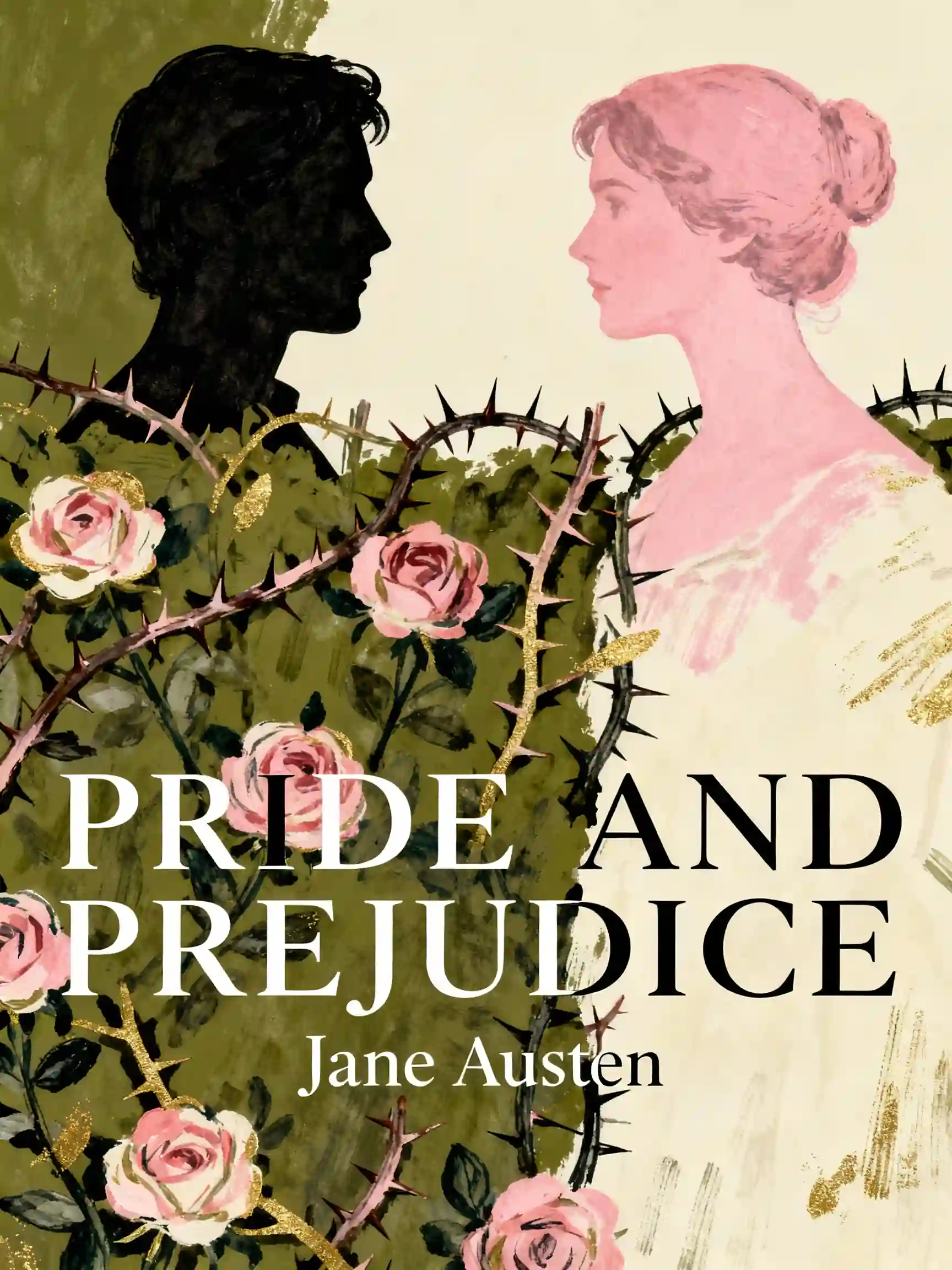
A foundation stone refers to a literary work that provides a center of gravity for a person's intellectual life. These are books that do more than tell a story; they provide the very language and frameworks we use to discuss ethics, identity, and society. For example, the script describes Jane Austen’s Pride and Prejudice as a stone of moral integrity and Mary Shelley’s Frankenstein as a stone of scientific ethics. These works act as silent observers of a reader's growth and help support the weight of modern understanding.
Dystopian literature acts as "reinforced steel" for the mind by fostering vigilance and social responsibility. These works, such as George Orwell’s 1984, explore the erosion of personal autonomy and the manipulation of truth, providing a framework to understand surveillance and power in the digital age. Similarly, Margaret Atwood’s The Handmaid’s Tale serves as a warning system for society, offering the intellectual tools necessary to recognize and resist the dismantling of human rights.
A complete library requires scientific stones to provide structural integrity to our more abstract or philosophical explorations. Works by Charles Darwin or modern thinkers like Siddhartha Mukherjee help readers see the world through a lens of evidence, logic, and continuous pursuit of truth. These texts fundamentally alter our understanding of our place in the natural world, connecting the reader to the microscopic building blocks of life and the broader "tree of life."
Balancing different eras of writing ensures a well-rounded understanding of the human experience. While classics like Jane Eyre offer deep insights into universal themes and historical periods, contemporary works like The Underground Railroad reflect modern realities and diverse perspectives. This dual approach, combined with exposure to various writing styles—from poetic prose to gritty sci-fi—enhances cultural enrichment and language proficiency.
Building a sanctuary is an active process that involves applying critical thinking skills such as analyzing, evaluating, and synthesizing information. The script suggests taking notes, joining book clubs, or participating in online discussions to internalize themes. Rather than just collecting books, the goal is to find "windows" to look out of, using reading as a tool for professional development, academic excellence, and the cultivation of empathy.
Discover more

Architecture history
Architecture history
This plan offers a comprehensive overview of how human structures have evolved from sacred monuments to functional modern spaces. It is ideal for aspiring designers, history buffs, or anyone curious about how the built environment shapes our daily lives.

Read more books
Read more books
This plan is designed for lifelong learners and professionals who want to transform reading from a passive hobby into a powerful intellectual tool. It provides the structural systems and analytical skills necessary to tackle complex texts and build a meaningful personal library.

I love to read
I love to read
This plan is designed for individuals who want to move beyond passive reading and become active, scholarly thinkers. It is ideal for anyone looking to build a sustainable intellectual habit, improve their retention of complex ideas, and curate a more meaningful personal library.
Read books while I still can
Read books while I still can
In an age of endless distractions and digital fragmentation, the ability to read deeply and consistently is becoming increasingly rare yet more valuable than ever. This learning plan is perfect for anyone who feels their reading life slipping away—whether you're overwhelmed by a growing to-read list, struggling to find time, or wanting to move beyond superficial engagement with books. It's designed for those who recognize that reading is not just a hobby but a crucial skill for lifelong learning, creativity, and personal growth.

Just give me good readings
Just give me good readings
In an era of information overload, focusing on foundational texts and philosophical wisdom provides a necessary compass for personal evolution. This plan is designed for curious minds seeking to transition from passive reading to active, life-changing intellectual growth.
Find and read all my books on this site
Find and read all my books on this site
This plan is designed for readers who want to move beyond passive consumption and build a structured, meaningful relationship with books. It is ideal for lifelong learners looking to optimize their discovery, organization, and retention skills.
Learn from books I’ve already read
Learn from books I’ve already read
Many readers accumulate books without truly internalizing their lessons. This plan is designed for lifelong learners and professionals who want to stop forgetting what they read and start building a functional mental operating system from their existing library.
one book a month
one book a month
In an age of digital distraction, reclaiming the ability to focus on long-form literature is a superpower for personal and professional growth. This plan is ideal for busy professionals and lifelong learners who want to move beyond passive skimming to master the art of deep, consistent reading.
From Columbia University alumni built in San Francisco
"Instead of endless scrolling, I just hit play on BeFreed. It saves me so much time."


"I never knew where to start with nonfiction—BeFreed’s book lists turned into podcasts gave me a clear path."


"Perfect balance between learning and entertainment. Finished ‘Thinking, Fast and Slow’ on my commute this week."
"Crazy how much I learned while walking the dog. BeFreed = small habits → big gains."
"Reading used to feel like a chore. Now it’s just part of my lifestyle."

"Feels effortless compared to reading. I’ve finished 6 books this month already."
"BeFreed turned my guilty doomscrolling into something that feels productive and inspiring."

"BeFreed turned my commute into learning time. 20-min podcasts are perfect for finishing books I never had time for."
"BeFreed replaced my podcast queue. Imagine Spotify for books — that’s it. 🙌"

"It is great for me to learn something from the book without reading it."
"The themed book list podcasts help me connect ideas across authors—like a guided audio journey."
"Makes me feel smarter every time before going to work"
From Columbia University alumni built in San Francisco
"Instead of endless scrolling, I just hit play on BeFreed. It saves me so much time."
"I never knew where to start with nonfiction—BeFreed’s book lists turned into podcasts gave me a clear path."
"Perfect balance between learning and entertainment. Finished ‘Thinking, Fast and Slow’ on my commute this week."
"Crazy how much I learned while walking the dog. BeFreed = small habits → big gains."
"Reading used to feel like a chore. Now it’s just part of my lifestyle."
"Feels effortless compared to reading. I’ve finished 6 books this month already."
"BeFreed turned my guilty doomscrolling into something that feels productive and inspiring."
"BeFreed turned my commute into learning time. 20-min podcasts are perfect for finishing books I never had time for."
"BeFreed replaced my podcast queue. Imagine Spotify for books — that’s it. 🙌"
"It is great for me to learn something from the book without reading it."
"The themed book list podcasts help me connect ideas across authors—like a guided audio journey."
"Makes me feel smarter every time before going to work"
"Instead of endless scrolling, I just hit play on BeFreed. It saves me so much time."
"I never knew where to start with nonfiction—BeFreed’s book lists turned into podcasts gave me a clear path."
"Perfect balance between learning and entertainment. Finished ‘Thinking, Fast and Slow’ on my commute this week."
"Crazy how much I learned while walking the dog. BeFreed = small habits → big gains."
"Reading used to feel like a chore. Now it’s just part of my lifestyle."
"Feels effortless compared to reading. I’ve finished 6 books this month already."
"BeFreed turned my guilty doomscrolling into something that feels productive and inspiring."
"BeFreed turned my commute into learning time. 20-min podcasts are perfect for finishing books I never had time for."
"BeFreed replaced my podcast queue. Imagine Spotify for books — that’s it. 🙌"
"It is great for me to learn something from the book without reading it."
"The themed book list podcasts help me connect ideas across authors—like a guided audio journey."
"Makes me feel smarter every time before going to work"
"Instead of endless scrolling, I just hit play on BeFreed. It saves me so much time."
"I never knew where to start with nonfiction—BeFreed’s book lists turned into podcasts gave me a clear path."
"Perfect balance between learning and entertainment. Finished ‘Thinking, Fast and Slow’ on my commute this week."
"Crazy how much I learned while walking the dog. BeFreed = small habits → big gains."
"Reading used to feel like a chore. Now it’s just part of my lifestyle."
"Feels effortless compared to reading. I’ve finished 6 books this month already."
"BeFreed turned my guilty doomscrolling into something that feels productive and inspiring."
"BeFreed turned my commute into learning time. 20-min podcasts are perfect for finishing books I never had time for."
"BeFreed replaced my podcast queue. Imagine Spotify for books — that’s it. 🙌"
"It is great for me to learn something from the book without reading it."
"The themed book list podcasts help me connect ideas across authors—like a guided audio journey."
"Makes me feel smarter every time before going to work"


