
The 30s Awakening: Realigning Your Life and Purpose
Break free from autopilot and the pressure of 'shoulds' to rediscover your true self. This episode explores psychological shifts and practical tools for meaningful career reinvention in your thirties.

Best quote from The 30s Awakening: Realigning Your Life and Purpose
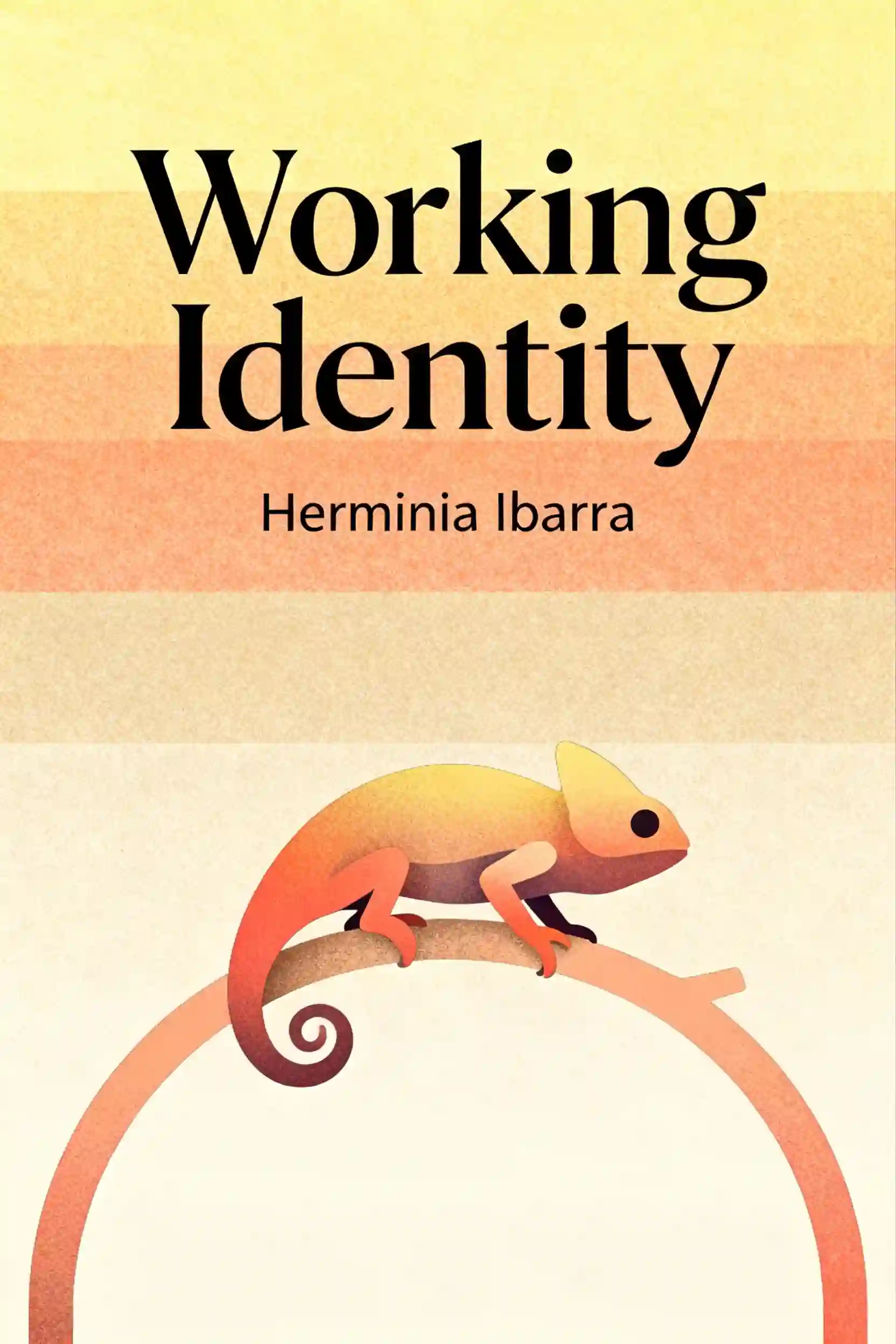
You’re not behind; you’re just realigning. If you are thirty-five and you feel like a beginner again, that is just you 'recycling' to find a better fit.

This audio lesson was created by a BeFreed community member
Finding your purpose in your thirties


Frequently Asked Questions
Established adulthood is a developmental phase occurring between the ages of 30 and 45. It is often characterized by the "Career and Care Crunch," a period where individuals face the "rush hour of life" by simultaneously navigating peak career expectations and demanding family responsibilities, such as raising children or caring for aging parents. This feeling of being overwhelmed is typically a byproduct of this intense structural intersection rather than a personal failure in "adulting."
It is not too late; in fact, research suggests that individuals in their thirties are often better equipped for career pivots. During this time, people hit their peak for inductive reasoning and verbal ability, providing more "cognitive fuel" to solve complex life puzzles. Experts like Donald Super suggest that adults can "recycle" back to an exploration stage at any age, using their accumulated experience and "crystallized intelligence" to reapply their skills to new fields.
According to psychiatrist Viktor Frankl, humans possess a "will to meaning" and may experience an "existential vacuum" once basic adult milestones are achieved. To find fulfillment, the script suggests shifting from asking "What do I want?" to "What does the world need that I am uniquely good at?" Tools like the Holland Code (RIASEC model) can help identify mismatches between your personality type and your work environment, while "job crafting" allows you to renovate your current role to better align with your core values and strengths.
A practical approach involves treating your career like a science experiment. You can start by creating a career template that defines your values and identifies "key uncertainties." From there, conduct informational interviews to learn the reality of new roles and perform "ABZ Planning"—where A is your new goal, B is your backup, and Z is your safety net. Small, intentional shifts, such as spending two hours a week on research, can create significant momentum without the need to quit your job immediately.
Discover more

Find purpose at 20 amid life's confusion
Find purpose at 20 amid life's confusion
This learning plan is designed for young adults in their twenties who feel stuck, directionless, and struggling with self-control issues that prevent them from building the life they want. It addresses the common quarter-life crisis where identity confusion, impulse control challenges, and lack of purpose create a perfect storm of anxiety and stagnation. Perfect for anyone ready to break destructive cycles, discover who they truly are, and build a meaningful path forward with practical tools and timeless wisdom.

Build life foundation in early 30s
Build life foundation in early 30s
This plan is designed for professionals in their early 30s looking to transition from reactive living to intentional growth. It provides a holistic blueprint for stabilizing finances, scaling career impact, and optimizing daily habits for long-term success.

Find clarity, balance & purpose in midlife
Find clarity, balance & purpose in midlife
This learning plan is designed for individuals experiencing a transitional life stage who seek greater fulfillment and self-understanding. It's particularly valuable for those feeling overwhelmed, disconnected, or uncertain about their direction, offering a structured path from foundational self-awareness through practical emotional tools to meaningful purpose and connection.

Restart career at 28 with financial plan
Restart career at 28 with financial plan
This plan is designed for professionals nearing 30 who feel stuck and want to pivot careers without compromising their financial security. It bridges the gap between strategic career growth and sophisticated wealth management for a holistic life reset.
Self, Relationships & Personal Growth
Self, Relationships & Personal Growth
In an era of constant distraction, true fulfillment requires a deep alignment between your internal world and your external actions. This plan is designed for individuals seeking to break stagnant patterns, improve their relationships, and build a life rooted in authentic purpose.
Discover inner self
Discover inner self
This plan is essential for individuals feeling disconnected from their purpose or overwhelmed by external expectations. It provides a structured journey for anyone seeking to align their daily actions with their deepest psychological strengths and authentic values.
Rediscover myself and find my joy again
Rediscover myself and find my joy again
This plan is designed for individuals feeling disconnected from their passions or burdened by external expectations. It offers a structured path to emotional healing and self-discovery, making it ideal for anyone seeking to reclaim their happiness and live more intentionally.
Stop seeking validation from others at 22
Stop seeking validation from others at 22
In your early twenties, the pressure to conform and please others can stifle personal growth and mental well-being. This plan is designed for young adults ready to break free from people-pleasing and build a foundation of self-reliance and authentic confidence.
From Columbia University alumni built in San Francisco
"Instead of endless scrolling, I just hit play on BeFreed. It saves me so much time."


"I never knew where to start with nonfiction—BeFreed’s book lists turned into podcasts gave me a clear path."


"Perfect balance between learning and entertainment. Finished ‘Thinking, Fast and Slow’ on my commute this week."
"Crazy how much I learned while walking the dog. BeFreed = small habits → big gains."
"Reading used to feel like a chore. Now it’s just part of my lifestyle."

"Feels effortless compared to reading. I’ve finished 6 books this month already."
"BeFreed turned my guilty doomscrolling into something that feels productive and inspiring."

"BeFreed turned my commute into learning time. 20-min podcasts are perfect for finishing books I never had time for."
"BeFreed replaced my podcast queue. Imagine Spotify for books — that’s it. 🙌"

"It is great for me to learn something from the book without reading it."
"The themed book list podcasts help me connect ideas across authors—like a guided audio journey."
"Makes me feel smarter every time before going to work"
From Columbia University alumni built in San Francisco
"Instead of endless scrolling, I just hit play on BeFreed. It saves me so much time."
"I never knew where to start with nonfiction—BeFreed’s book lists turned into podcasts gave me a clear path."
"Perfect balance between learning and entertainment. Finished ‘Thinking, Fast and Slow’ on my commute this week."
"Crazy how much I learned while walking the dog. BeFreed = small habits → big gains."
"Reading used to feel like a chore. Now it’s just part of my lifestyle."
"Feels effortless compared to reading. I’ve finished 6 books this month already."
"BeFreed turned my guilty doomscrolling into something that feels productive and inspiring."
"BeFreed turned my commute into learning time. 20-min podcasts are perfect for finishing books I never had time for."
"BeFreed replaced my podcast queue. Imagine Spotify for books — that’s it. 🙌"
"It is great for me to learn something from the book without reading it."
"The themed book list podcasts help me connect ideas across authors—like a guided audio journey."
"Makes me feel smarter every time before going to work"
"Instead of endless scrolling, I just hit play on BeFreed. It saves me so much time."
"I never knew where to start with nonfiction—BeFreed’s book lists turned into podcasts gave me a clear path."
"Perfect balance between learning and entertainment. Finished ‘Thinking, Fast and Slow’ on my commute this week."
"Crazy how much I learned while walking the dog. BeFreed = small habits → big gains."
"Reading used to feel like a chore. Now it’s just part of my lifestyle."
"Feels effortless compared to reading. I’ve finished 6 books this month already."
"BeFreed turned my guilty doomscrolling into something that feels productive and inspiring."
"BeFreed turned my commute into learning time. 20-min podcasts are perfect for finishing books I never had time for."
"BeFreed replaced my podcast queue. Imagine Spotify for books — that’s it. 🙌"
"It is great for me to learn something from the book without reading it."
"The themed book list podcasts help me connect ideas across authors—like a guided audio journey."
"Makes me feel smarter every time before going to work"
"Instead of endless scrolling, I just hit play on BeFreed. It saves me so much time."
"I never knew where to start with nonfiction—BeFreed’s book lists turned into podcasts gave me a clear path."
"Perfect balance between learning and entertainment. Finished ‘Thinking, Fast and Slow’ on my commute this week."
"Crazy how much I learned while walking the dog. BeFreed = small habits → big gains."
"Reading used to feel like a chore. Now it’s just part of my lifestyle."
"Feels effortless compared to reading. I’ve finished 6 books this month already."
"BeFreed turned my guilty doomscrolling into something that feels productive and inspiring."
"BeFreed turned my commute into learning time. 20-min podcasts are perfect for finishing books I never had time for."
"BeFreed replaced my podcast queue. Imagine Spotify for books — that’s it. 🙌"
"It is great for me to learn something from the book without reading it."
"The themed book list podcasts help me connect ideas across authors—like a guided audio journey."
"Makes me feel smarter every time before going to work"


