
Tai Chi Is More Than Just a Slow Dance
Struggling with balance or stress? Discover how Tai Chi uses moving meditation to improve brain health and reduce fall risk without medication.

Best quote from Tai Chi Is More Than Just a Slow Dance
Tai Chi is basically a brain workout disguised as a physical one; by focusing on precise movement while maintaining a specific mental state, you are literally shrinking the part of your brain that overreacts to stress and growing the part that helps you stay calm and focused.

This audio lesson was created by a BeFreed community member
Tai chi

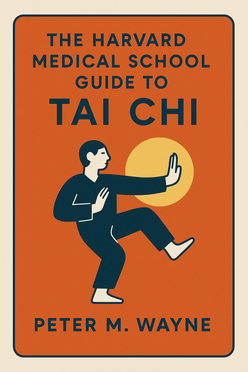
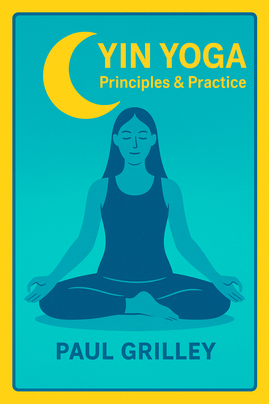
Frequently Asked Questions
Moving slowly in Tai Chi creates intensity through extreme neuromuscular control rather than speed or heavy weights. By eliminating momentum, every millimeter of a movement must be powered by deliberate muscle activation, forcing the practitioner to constantly resist their own body weight. This process builds functional strength and "silk reeling" energy, which involves spiraling movements that engage the connective tissue or fascial chains throughout the entire body.
Yes, neuroimaging data from 2026 indicates that consistent Tai Chi practice can increase brain volume, particularly in the hippocampus, an area vital for memory and emotional regulation. Because Tai Chi is a "dual-task" activity—requiring spatial awareness, memorization of sequences, and motor coordination simultaneously—it stimulates neuroplasticity. This cognitive-motor integration helps the brain build new neural pathways, which is why it is being used as an intervention for mild cognitive impairment.
Tai Chi helps break the cycle of "kinesiophobia," or the fear of movement, by allowing the body to explore its range of motion in a gentle, controlled way that doesn't trigger "red alert" pain responses. Biologically, the rhythmic diaphragmatic breathing used in Tai Chi down-regulates the sympathetic nervous system (fight or flight) and boosts the parasympathetic nervous system (rest and digest). This shift effectively turns down the volume on pain signals, making it a highly effective non-drug treatment for conditions like osteoarthritis and chronic low back pain.
Research suggests that the "sweet spot" for significant results is practicing 30 to 45 minutes, three times a week. While some mental health benefits like improved sleep or reduced stress may be felt within a few weeks, structural and cognitive changes—such as improved balance or brain growth—typically require a consistent commitment over a 10 to 26-week window. Consistency is considered more important than the duration of individual sessions.
The Simplified 24-form, derived from the Yang style, is the most researched and is considered the gold standard for general health and balance. For seniors or those with significant joint issues like arthritis, the Sun style is often recommended because it features higher stances and agile stepping patterns that are easier on the knees. Conversely, the Chen style is more dynamic and athletic, involving explosive power and deeper lunges, making it better suited for those seeking a physical challenge once they have a solid foundation.
Discover more

Taoism and Trauma Healing Exploration
Taoism and Trauma Healing Exploration
This exploration bridges ancient Eastern wisdom with modern trauma science to offer a holistic path toward recovery. It is ideal for individuals seeking alternative somatic healing methods and practitioners looking to integrate Taoist energy principles into their therapeutic toolkit.

我想学习养生
我想学习养生
In an era of high stress and sedentary lifestyles, returning to foundational health wisdom is essential for long-term vitality. This plan is ideal for individuals seeking a holistic approach to wellness that combines traditional Chinese medicine with practical movement and nutrition.

Meditation
Meditation
In our fast-paced, distraction-filled world, meditation offers a scientifically-proven path to reduced stress, improved focus, and enhanced wellbeing. This learning plan guides both beginners and experienced practitioners through progressive techniques, traditional wisdom, and advanced practices to develop a transformative meditation practice.
如何更好的跳舞
如何更好的跳舞
无论你是舞蹈初学者还是希望提升表现力的爱好者,扎实的基础和音乐理解力都是进阶的关键。本计划旨在帮助学习者从身体素质、节奏感及舞台自信三大核心维度进行系统突破。
Live Mindfully & Happily
Live Mindfully & Happily
In an increasingly fast-paced world, finding internal balance is essential for long-term health and success. This plan is designed for anyone seeking to reduce stress and find deeper meaning through the intersection of ancient wisdom and modern psychology.

Study the Tao Te Ching
Study the Tao Te Ching
This plan is designed for individuals seeking mental clarity and a more harmonious way of living in a fast-paced world. It provides a structured path from historical context to practical application, making it ideal for anyone interested in Eastern philosophy and personal growth.
Be calmer
Be calmer
This plan is designed for high-stress individuals seeking a science-backed approach to emotional stability. It bridges the gap between biological understanding and practical mindfulness to help anyone overwhelmed by modern life regain their center.
Body awareness
Body awareness
This learning plan is essential for individuals seeking to bridge the gap between mind and body to improve emotional regulation and resilience. It is particularly beneficial for those recovering from stress or trauma who want to master somatic techniques and nervous system health.
From Columbia University alumni built in San Francisco
"Instead of endless scrolling, I just hit play on BeFreed. It saves me so much time."


"I never knew where to start with nonfiction—BeFreed’s book lists turned into podcasts gave me a clear path."


"Perfect balance between learning and entertainment. Finished ‘Thinking, Fast and Slow’ on my commute this week."
"Crazy how much I learned while walking the dog. BeFreed = small habits → big gains."
"Reading used to feel like a chore. Now it’s just part of my lifestyle."

"Feels effortless compared to reading. I’ve finished 6 books this month already."
"BeFreed turned my guilty doomscrolling into something that feels productive and inspiring."

"BeFreed turned my commute into learning time. 20-min podcasts are perfect for finishing books I never had time for."
"BeFreed replaced my podcast queue. Imagine Spotify for books — that’s it. 🙌"

"It is great for me to learn something from the book without reading it."
"The themed book list podcasts help me connect ideas across authors—like a guided audio journey."
"Makes me feel smarter every time before going to work"
From Columbia University alumni built in San Francisco
"Instead of endless scrolling, I just hit play on BeFreed. It saves me so much time."
"I never knew where to start with nonfiction—BeFreed’s book lists turned into podcasts gave me a clear path."
"Perfect balance between learning and entertainment. Finished ‘Thinking, Fast and Slow’ on my commute this week."
"Crazy how much I learned while walking the dog. BeFreed = small habits → big gains."
"Reading used to feel like a chore. Now it’s just part of my lifestyle."
"Feels effortless compared to reading. I’ve finished 6 books this month already."
"BeFreed turned my guilty doomscrolling into something that feels productive and inspiring."
"BeFreed turned my commute into learning time. 20-min podcasts are perfect for finishing books I never had time for."
"BeFreed replaced my podcast queue. Imagine Spotify for books — that’s it. 🙌"
"It is great for me to learn something from the book without reading it."
"The themed book list podcasts help me connect ideas across authors—like a guided audio journey."
"Makes me feel smarter every time before going to work"
"Instead of endless scrolling, I just hit play on BeFreed. It saves me so much time."
"I never knew where to start with nonfiction—BeFreed’s book lists turned into podcasts gave me a clear path."
"Perfect balance between learning and entertainment. Finished ‘Thinking, Fast and Slow’ on my commute this week."
"Crazy how much I learned while walking the dog. BeFreed = small habits → big gains."
"Reading used to feel like a chore. Now it’s just part of my lifestyle."
"Feels effortless compared to reading. I’ve finished 6 books this month already."
"BeFreed turned my guilty doomscrolling into something that feels productive and inspiring."
"BeFreed turned my commute into learning time. 20-min podcasts are perfect for finishing books I never had time for."
"BeFreed replaced my podcast queue. Imagine Spotify for books — that’s it. 🙌"
"It is great for me to learn something from the book without reading it."
"The themed book list podcasts help me connect ideas across authors—like a guided audio journey."
"Makes me feel smarter every time before going to work"
"Instead of endless scrolling, I just hit play on BeFreed. It saves me so much time."
"I never knew where to start with nonfiction—BeFreed’s book lists turned into podcasts gave me a clear path."
"Perfect balance between learning and entertainment. Finished ‘Thinking, Fast and Slow’ on my commute this week."
"Crazy how much I learned while walking the dog. BeFreed = small habits → big gains."
"Reading used to feel like a chore. Now it’s just part of my lifestyle."
"Feels effortless compared to reading. I’ve finished 6 books this month already."
"BeFreed turned my guilty doomscrolling into something that feels productive and inspiring."
"BeFreed turned my commute into learning time. 20-min podcasts are perfect for finishing books I never had time for."
"BeFreed replaced my podcast queue. Imagine Spotify for books — that’s it. 🙌"
"It is great for me to learn something from the book without reading it."
"The themed book list podcasts help me connect ideas across authors—like a guided audio journey."
"Makes me feel smarter every time before going to work"


