
Stop work email from ruling your day
Spending 30% of your week on email kills focus. Learn a three-layer defense to stop reacting to pings and reclaim your time for high-value work.

Best quote from Stop work email from ruling your day
Sustainable email habits aren’t about discipline; they’re about architecting boundaries that honor our biological limits. It is the difference between being perpetually reactive to other people's priorities and being in the driver’s seat of your own attention.

This audio lesson was created by a BeFreed community member
How to stop work email dictating how you spend your work day? How not to react immediately to work email? How not to let it rule your life?

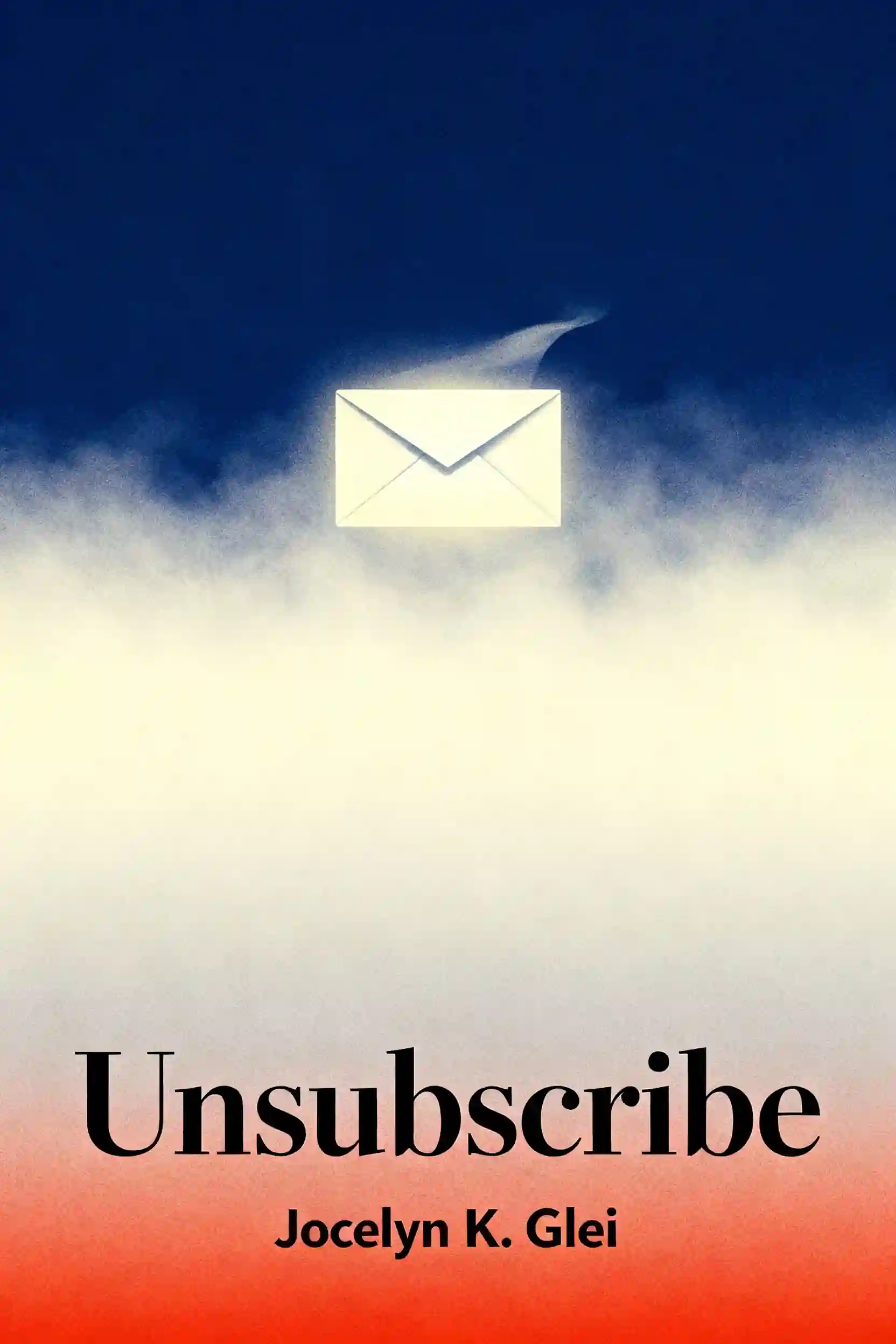
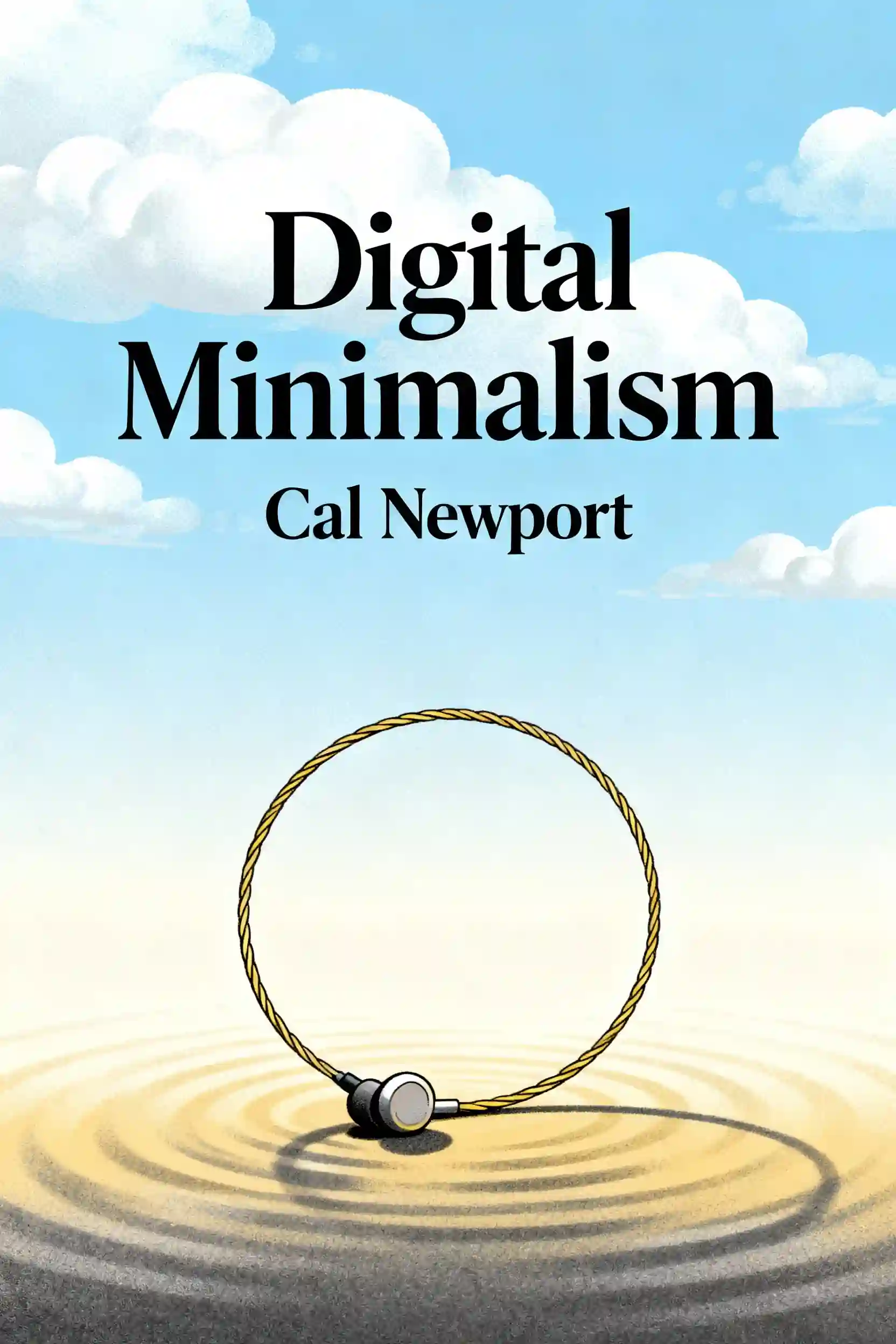
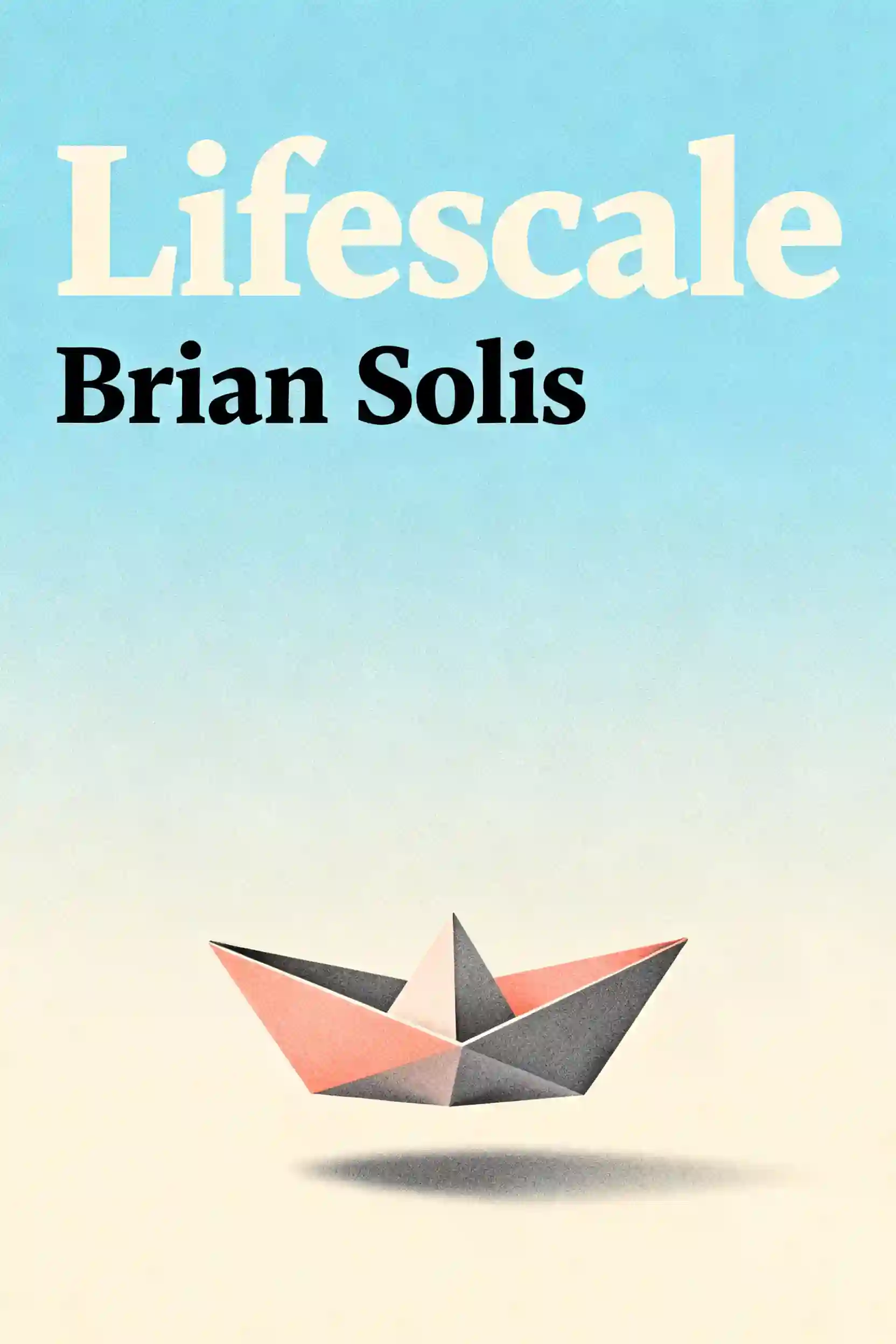
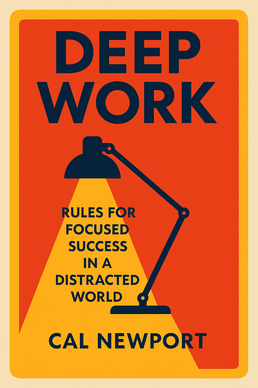

Frequently Asked Questions
The "28% problem" refers to research showing that the average professional spends about 28% of their workweek—roughly 11 hours—managing their inbox. This constant checking creates "attention residue," where the brain remains partially stuck on the last email read even after switching back to a primary task. Because it can take up to 23 minutes to fully refocus after a single interruption, frequent "quick checks" keep the brain in a state of perpetual recovery, potentially dropping analytical accuracy by up to 39%.
The system moves from prevention to processing to extraction. Layer One focuses on "stopping the bleeding" by reducing incoming noise through ruthless unsubscribing, using separate emails for non-work signups, and filtering CC’d messages out of the primary inbox. Layer Two involves "triaging faster" using the 4D method (Do, Delegate, Defer, Delete) to make decisions in under sixty seconds. Layer Three uses AI tools to extract actual tasks from messages, moving them into a dedicated workspace so the inbox functions as a delivery system rather than a to-do list.
Temporal predictability is the practice of setting specific "office hours" for email—such as 11:00 AM and 4:00 PM—rather than being "on call" all day. This approach closes the "open loops" in the brain that cause mental nagging and anxiety. By establishing clear team norms, such as a 24-hour expected response time for email, professionals can protect their "cognitive recovery" time. Research suggests that genuinely urgent emails make up less than 1.3% of total volume, meaning most constant checking is driven by "telepressure" rather than actual necessity.
Batching involves processing emails in dedicated 20-minute blocks rather than handling them one by one throughout the day. To make this efficient, the script recommends separating "processing" from "responding"—triaging the entire inbox first before typing any replies. Sender-based filtering complements this by grouping emails by person (e.g., "Internal Team" or "Client A") rather than keyword. This allows the brain to stay in the same context for multiple messages, which significantly reduces decision fatigue and speeds up the workflow.
AI acts as a "force multiplier" for an established system by moving from simple filtering to active agency. It can provide "Automatic Task Extraction" to identify hidden to-dos, offer "AI Summarization" to condense long threads into digestible paragraphs, and use "Voice Matching" to draft initial replies that mimic a user's specific professional tone. These tools reduce the "activation energy" required to handle heavy "Email Debt" and help maintain "Inbox Confidence," ensuring that nothing important is missed while minimizing the cognitive load on the user.
Discover more

Spot hidden habits killing productivity
Spot hidden habits killing productivity
In an era of constant digital noise, traditional time management is no longer enough to stay effective. This plan is designed for professionals and students who feel busy but unproductive, offering the tools to reclaim focus and master cognitive energy.

Stay focused through 8-hour workdays
Stay focused through 8-hour workdays
In an era of constant digital distractions, the ability to maintain cognitive endurance is a competitive advantage. This plan is designed for professionals and remote workers who struggle with afternoon fatigue and want to transition from busywork to high-impact output.

Boost productivity and avoid distractions
Boost productivity and avoid distractions
In today's hyper-connected world, the ability to protect your attention is a competitive advantage. This plan is designed for professionals and leaders who want to move beyond busywork to achieve high-impact results through systematic focus.

Stop Distractions & Stay on Track Daily
Stop Distractions & Stay on Track Daily
In an era of constant digital noise, the ability to maintain focus is a competitive advantage. This plan is designed for professionals and students who need to reclaim their attention and build sustainable systems for high-impact productivity.
Focus, learn more, and stop doomscrolling.
Focus, learn more, and stop doomscrolling.
In an era of constant digital noise, the ability to protect your attention is a competitive advantage. This plan is designed for professionals and students struggling with information overload who want to transition from passive scrolling to active, high-impact learning.

Master Focus, Energy & Stop Procrastinating
Master Focus, Energy & Stop Procrastinating
In an era of constant digital distraction, the ability to protect your attention is a competitive advantage. This plan is designed for professionals and students who need to overcome procrastination and manage their energy to achieve high-impact results.
Focus more on what matters
Focus more on what matters
In an era of constant digital noise, the ability to protect your attention is a competitive advantage. This plan is designed for professionals and individuals feeling overwhelmed by busyness who want to transition from reactive living to intentional, high-impact work.
Better focus and efficiency
Better focus and efficiency
In an age of constant notifications and digital distractions, the ability to focus deeply has become both increasingly rare and valuable. This learning plan is essential for knowledge workers, students, entrepreneurs, and professionals who struggle with scattered attention, procrastination, or feeling perpetually busy yet unproductive. By combining neuroscience insights with practical systems, you'll transform how you work and reclaim control over your time and mental energy.
From Columbia University alumni built in San Francisco
"Instead of endless scrolling, I just hit play on BeFreed. It saves me so much time."


"I never knew where to start with nonfiction—BeFreed’s book lists turned into podcasts gave me a clear path."


"Perfect balance between learning and entertainment. Finished ‘Thinking, Fast and Slow’ on my commute this week."
"Crazy how much I learned while walking the dog. BeFreed = small habits → big gains."
"Reading used to feel like a chore. Now it’s just part of my lifestyle."

"Feels effortless compared to reading. I’ve finished 6 books this month already."
"BeFreed turned my guilty doomscrolling into something that feels productive and inspiring."

"BeFreed turned my commute into learning time. 20-min podcasts are perfect for finishing books I never had time for."
"BeFreed replaced my podcast queue. Imagine Spotify for books — that’s it. 🙌"

"It is great for me to learn something from the book without reading it."
"The themed book list podcasts help me connect ideas across authors—like a guided audio journey."
"Makes me feel smarter every time before going to work"
From Columbia University alumni built in San Francisco
"Instead of endless scrolling, I just hit play on BeFreed. It saves me so much time."
"I never knew where to start with nonfiction—BeFreed’s book lists turned into podcasts gave me a clear path."
"Perfect balance between learning and entertainment. Finished ‘Thinking, Fast and Slow’ on my commute this week."
"Crazy how much I learned while walking the dog. BeFreed = small habits → big gains."
"Reading used to feel like a chore. Now it’s just part of my lifestyle."
"Feels effortless compared to reading. I’ve finished 6 books this month already."
"BeFreed turned my guilty doomscrolling into something that feels productive and inspiring."
"BeFreed turned my commute into learning time. 20-min podcasts are perfect for finishing books I never had time for."
"BeFreed replaced my podcast queue. Imagine Spotify for books — that’s it. 🙌"
"It is great for me to learn something from the book without reading it."
"The themed book list podcasts help me connect ideas across authors—like a guided audio journey."
"Makes me feel smarter every time before going to work"
"Instead of endless scrolling, I just hit play on BeFreed. It saves me so much time."
"I never knew where to start with nonfiction—BeFreed’s book lists turned into podcasts gave me a clear path."
"Perfect balance between learning and entertainment. Finished ‘Thinking, Fast and Slow’ on my commute this week."
"Crazy how much I learned while walking the dog. BeFreed = small habits → big gains."
"Reading used to feel like a chore. Now it’s just part of my lifestyle."
"Feels effortless compared to reading. I’ve finished 6 books this month already."
"BeFreed turned my guilty doomscrolling into something that feels productive and inspiring."
"BeFreed turned my commute into learning time. 20-min podcasts are perfect for finishing books I never had time for."
"BeFreed replaced my podcast queue. Imagine Spotify for books — that’s it. 🙌"
"It is great for me to learn something from the book without reading it."
"The themed book list podcasts help me connect ideas across authors—like a guided audio journey."
"Makes me feel smarter every time before going to work"
"Instead of endless scrolling, I just hit play on BeFreed. It saves me so much time."
"I never knew where to start with nonfiction—BeFreed’s book lists turned into podcasts gave me a clear path."
"Perfect balance between learning and entertainment. Finished ‘Thinking, Fast and Slow’ on my commute this week."
"Crazy how much I learned while walking the dog. BeFreed = small habits → big gains."
"Reading used to feel like a chore. Now it’s just part of my lifestyle."
"Feels effortless compared to reading. I’ve finished 6 books this month already."
"BeFreed turned my guilty doomscrolling into something that feels productive and inspiring."
"BeFreed turned my commute into learning time. 20-min podcasts are perfect for finishing books I never had time for."
"BeFreed replaced my podcast queue. Imagine Spotify for books — that’s it. 🙌"
"It is great for me to learn something from the book without reading it."
"The themed book list podcasts help me connect ideas across authors—like a guided audio journey."
"Makes me feel smarter every time before going to work"


