
Stop feeling behind on your life timeline
Feeling rushed to have it all figured out? Learn why timeline pressure is a trap and how to reclaim your autonomy from social expectations.

Best quote from Stop feeling behind on your life timeline
You have to let go of who you thought you’d be to make space for who you’re actually becoming. Uncertainty isn't a problem to be solved; it’s a condition to be met with curiosity.

This audio lesson was created by a BeFreed community member
Radically change or upgrade my mindset about setting timelines for myself, panicking about getting older in my 20s, feeling stuck like I haven’t lived enough and fearing abandonment and cheating in relationships.

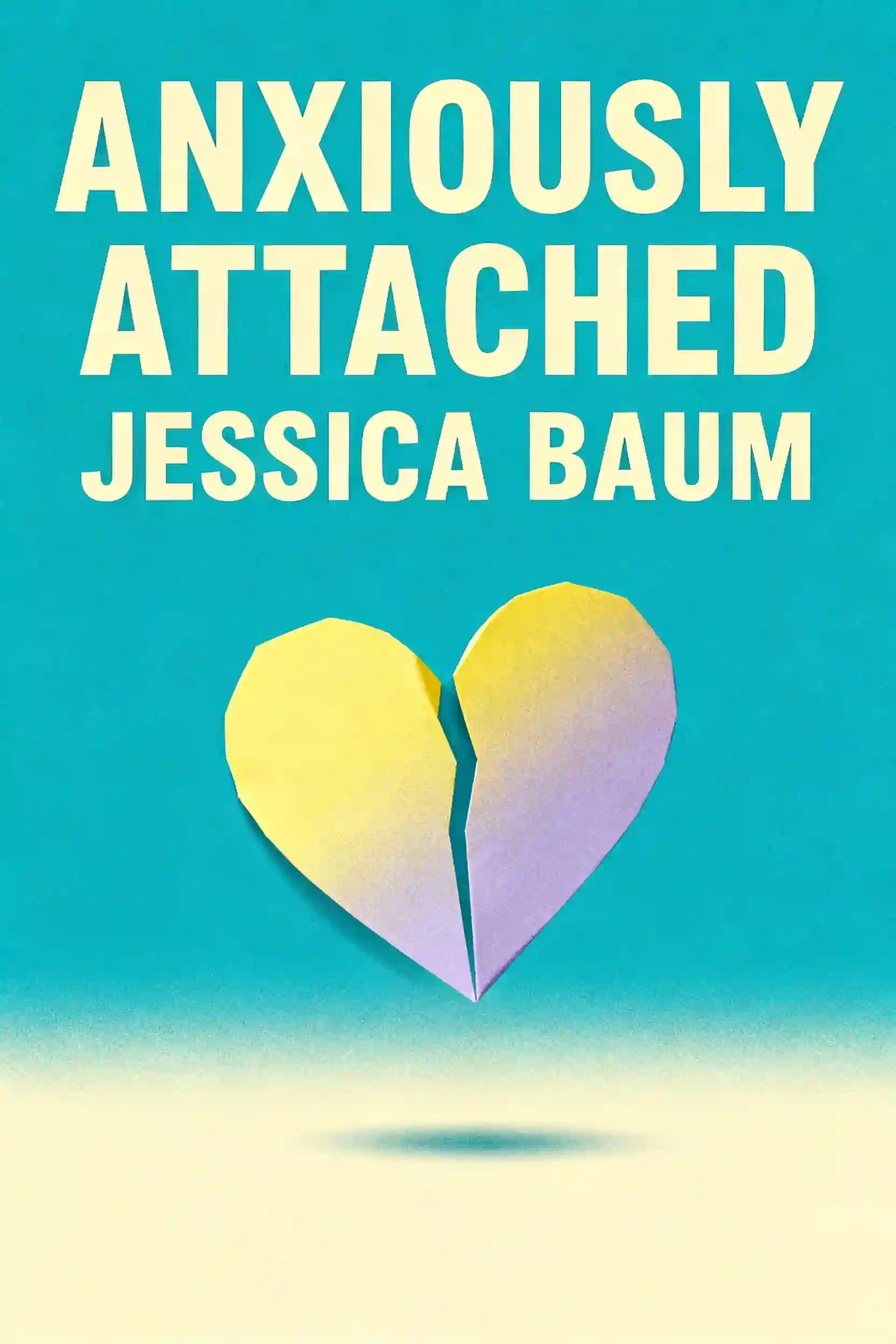
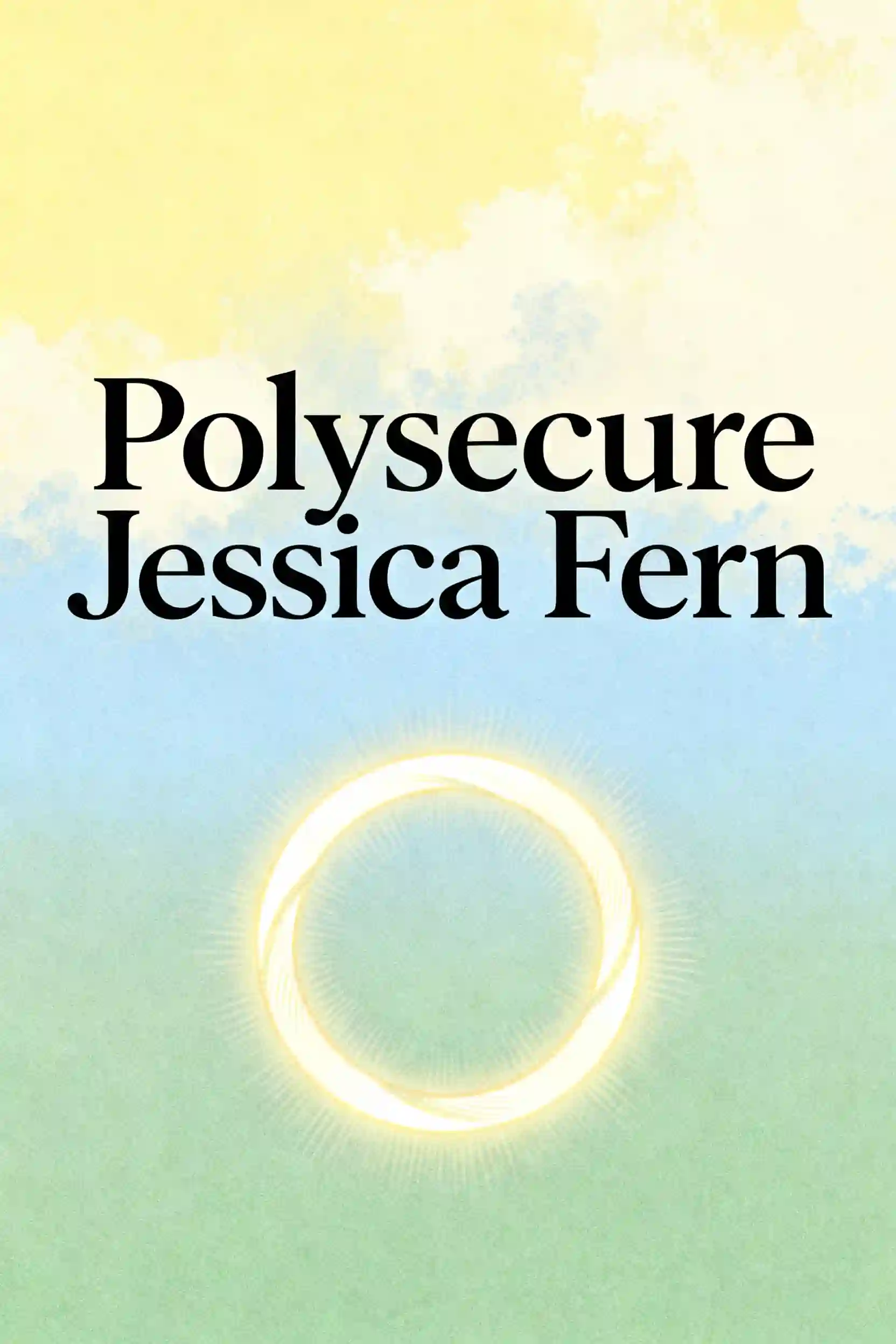
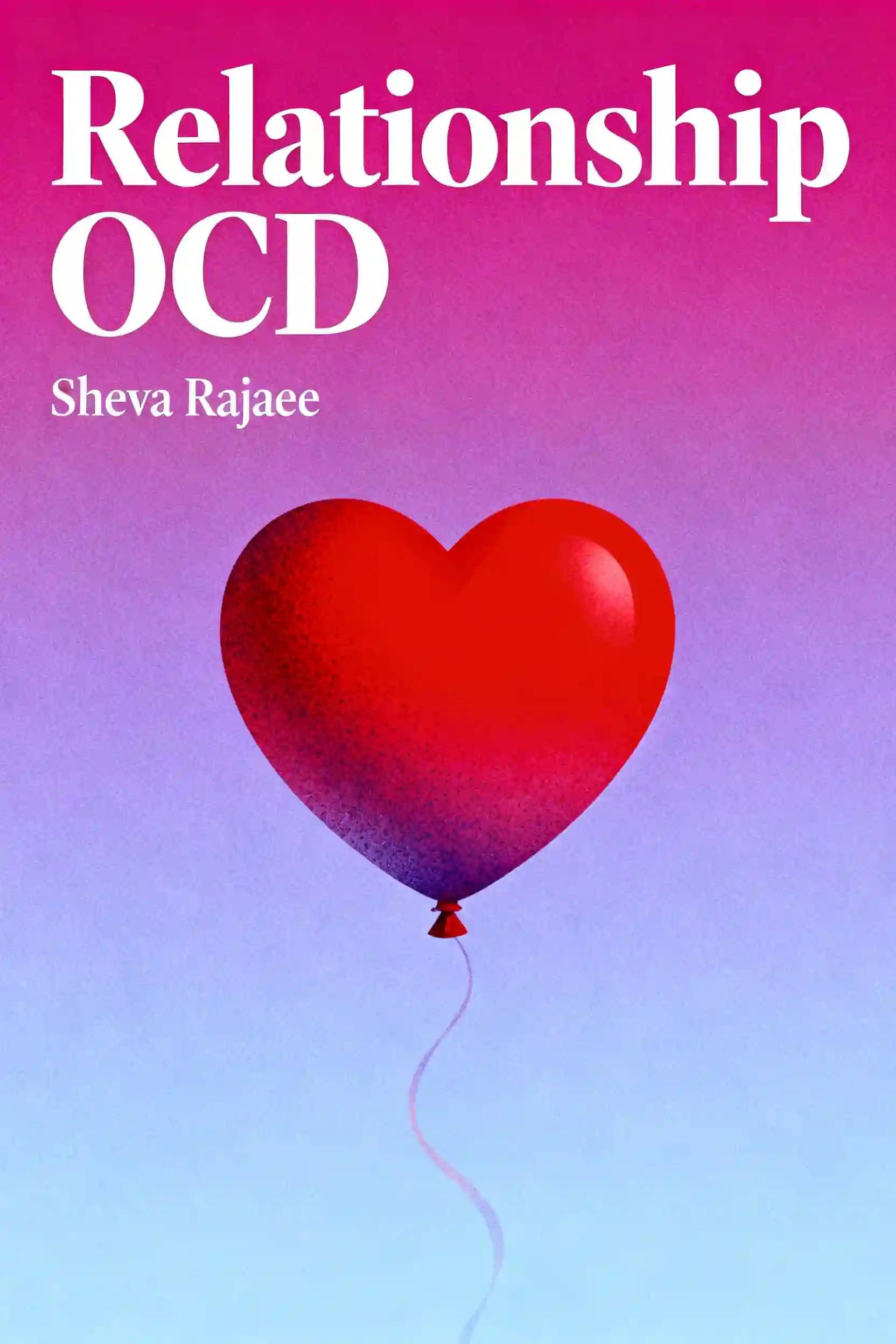
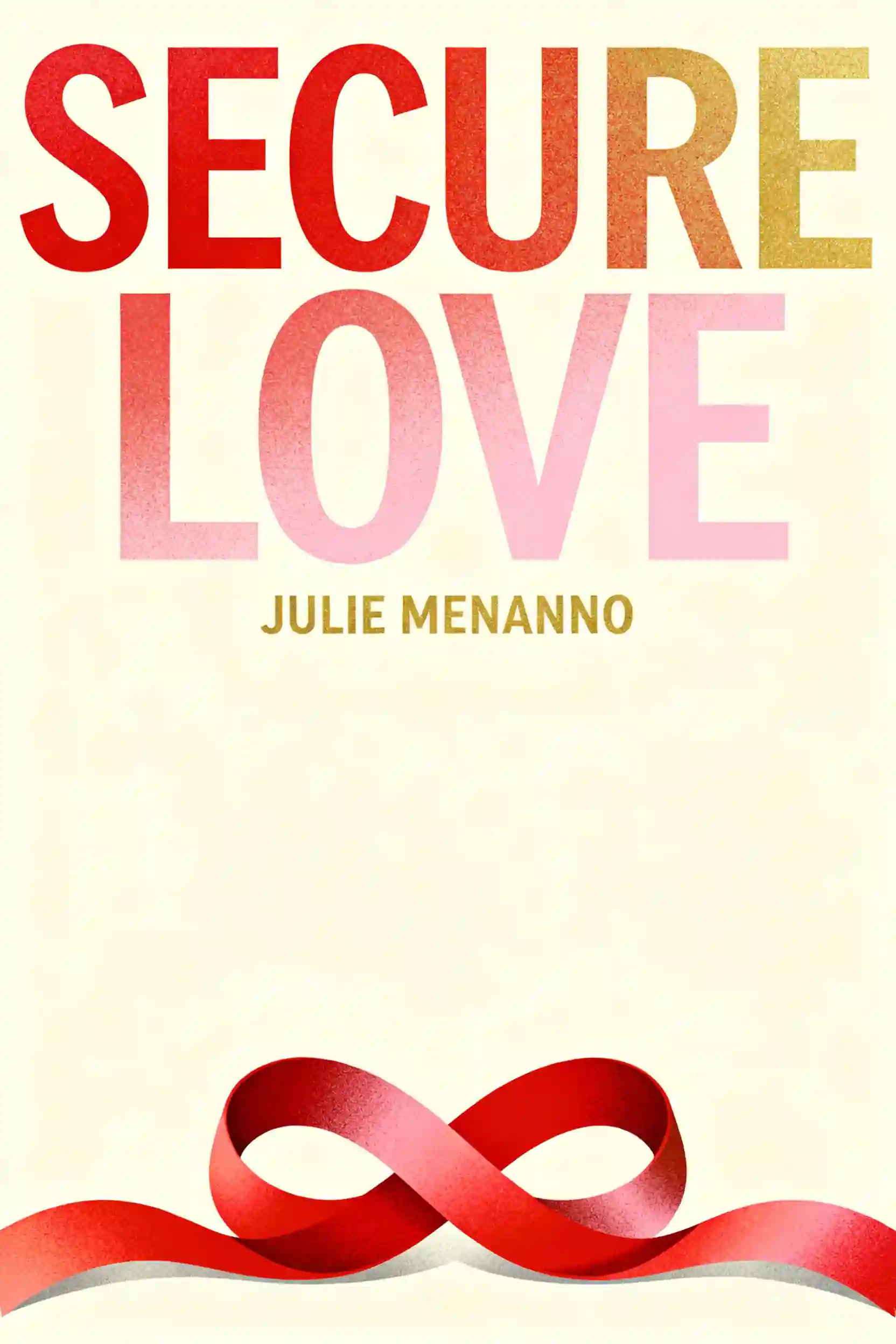
Frequently Asked Questions
Timeline pressure is the internal belief that life must follow a rigid, culturally inherited schedule, such as graduating, starting a career, and reaching stability by specific ages. Research discussed in the script suggests that this feeling of being "behind" does not actually disappear with age; people in their 40s and 60s often feel it because the social goalposts constantly move. This pressure is frequently fueled by "the invisible script"—old cultural expectations that no longer align with modern economic realities like the current housing market or shifting educational paths.
Social media acts as a "comparison trap" that triggers the brain’s threat system by comparing an individual's messy "behind the scenes" life to the curated "highlight reels" of thousands of others. This creates a distorted measuring stick where listeners see the "after" photo of success without the context of the struggle or the years of work that preceded it. The script notes that even high achievers often struggle with imposter syndrome, proving that external milestones do not actually cure the internal feeling of being behind.
Protest behaviors are actions driven by a fear of abandonment or a desire for certainty in a relationship. These can manifest as "pursuing" (clinging and seeking constant reassurance) or "distancing" (shutting down to avoid being hurt first). To manage these impulses, the script suggests using "self-soothing" techniques like slow breathing or walking to lower the body's alarm response. Additionally, practicing a "pause plan"—waiting ten minutes before reacting to a triggering event—helps move the experience from the emotional part of the brain to the structural part, allowing for more intentional communication.
The shift involves moving from a fear of running out of time to a state of "awareness" and "coherence," where your outer life aligns with your internal values. Practical steps include "digital hygiene" (muting accounts that trigger inadequacy), seeking out "expanders" (people who achieved success later in life), and setting "milestone-free goals" that focus on values rather than deadlines. The script also emphasizes the importance of "resting without earning it" to decouple personal worth from productivity, allowing individuals to inhabit their lives with curiosity rather than panic.
Discover more

Overcome codependency & FOMO
Overcome codependency & FOMO
This learning plan is essential for anyone who feels constantly driven by what others think, struggles to say no, or experiences anxiety about missing opportunities or losing relationships. It's particularly valuable for people who find themselves overcommitting, seeking validation through social activities, or making decisions based on fear rather than authentic desires. By addressing these patterns, you'll reclaim your independence and build genuine confidence.

Live life without excuses
Live life without excuses
This plan is essential for high-performers and individuals feeling stuck in cycles of procrastination or external blame. It provides a structured path to reclaim agency and build the internal systems necessary for long-term resilience and leadership.

Achieve Life Balance
Achieve Life Balance
In an era of constant connectivity, mastering the transition from busy to balanced is essential for long-term success. This plan is designed for professionals and individuals feeling overwhelmed who want to reclaim their time and align their daily routines with their deeper purpose.
Stop Overthinking and Take Action
Stop Overthinking and Take Action
Overthinking traps millions in endless loops of analysis that prevent meaningful progress and cause unnecessary stress. This learning plan equips anyone struggling with decision paralysis or procrastination with practical tools to break free from mental gridlock and take consistent, purposeful action.
Live Mindfully & Happily
Live Mindfully & Happily
This plan is essential for anyone feeling overwhelmed by modern stress or living on autopilot. It provides a science-backed framework for professionals and individuals seeking to bridge the gap between daily routines and genuine emotional fulfillment.
Focus on self, ignore others' opinions.
Focus on self, ignore others' opinions.
In a world driven by social media and constant comparison, many struggle with the paralyzing need for approval. This plan is designed for individuals feeling drained by people-pleasing who want to reclaim their autonomy and build a life rooted in their own values.
Find purpose at 20 amid life's confusion
Find purpose at 20 amid life's confusion
This learning plan is designed for young adults in their twenties who feel stuck, directionless, and struggling with self-control issues that prevent them from building the life they want. It addresses the common quarter-life crisis where identity confusion, impulse control challenges, and lack of purpose create a perfect storm of anxiety and stagnation. Perfect for anyone ready to break destructive cycles, discover who they truly are, and build a meaningful path forward with practical tools and timeless wisdom.

Win back more free time
Win back more free time
Modern life bombards us with endless demands, leaving many feeling perpetually busy yet unfulfilled. This learning plan is essential for professionals, parents, and anyone who feels controlled by their calendar rather than in control of it. You'll gain practical frameworks to reclaim your time, eliminate what doesn't matter, and intentionally design a life with space for what truly matters to you.
From Columbia University alumni built in San Francisco
"Instead of endless scrolling, I just hit play on BeFreed. It saves me so much time."


"I never knew where to start with nonfiction—BeFreed’s book lists turned into podcasts gave me a clear path."


"Perfect balance between learning and entertainment. Finished ‘Thinking, Fast and Slow’ on my commute this week."
"Crazy how much I learned while walking the dog. BeFreed = small habits → big gains."
"Reading used to feel like a chore. Now it’s just part of my lifestyle."

"Feels effortless compared to reading. I’ve finished 6 books this month already."
"BeFreed turned my guilty doomscrolling into something that feels productive and inspiring."

"BeFreed turned my commute into learning time. 20-min podcasts are perfect for finishing books I never had time for."
"BeFreed replaced my podcast queue. Imagine Spotify for books — that’s it. 🙌"

"It is great for me to learn something from the book without reading it."
"The themed book list podcasts help me connect ideas across authors—like a guided audio journey."
"Makes me feel smarter every time before going to work"
From Columbia University alumni built in San Francisco
"Instead of endless scrolling, I just hit play on BeFreed. It saves me so much time."
"I never knew where to start with nonfiction—BeFreed’s book lists turned into podcasts gave me a clear path."
"Perfect balance between learning and entertainment. Finished ‘Thinking, Fast and Slow’ on my commute this week."
"Crazy how much I learned while walking the dog. BeFreed = small habits → big gains."
"Reading used to feel like a chore. Now it’s just part of my lifestyle."
"Feels effortless compared to reading. I’ve finished 6 books this month already."
"BeFreed turned my guilty doomscrolling into something that feels productive and inspiring."
"BeFreed turned my commute into learning time. 20-min podcasts are perfect for finishing books I never had time for."
"BeFreed replaced my podcast queue. Imagine Spotify for books — that’s it. 🙌"
"It is great for me to learn something from the book without reading it."
"The themed book list podcasts help me connect ideas across authors—like a guided audio journey."
"Makes me feel smarter every time before going to work"
"Instead of endless scrolling, I just hit play on BeFreed. It saves me so much time."
"I never knew where to start with nonfiction—BeFreed’s book lists turned into podcasts gave me a clear path."
"Perfect balance between learning and entertainment. Finished ‘Thinking, Fast and Slow’ on my commute this week."
"Crazy how much I learned while walking the dog. BeFreed = small habits → big gains."
"Reading used to feel like a chore. Now it’s just part of my lifestyle."
"Feels effortless compared to reading. I’ve finished 6 books this month already."
"BeFreed turned my guilty doomscrolling into something that feels productive and inspiring."
"BeFreed turned my commute into learning time. 20-min podcasts are perfect for finishing books I never had time for."
"BeFreed replaced my podcast queue. Imagine Spotify for books — that’s it. 🙌"
"It is great for me to learn something from the book without reading it."
"The themed book list podcasts help me connect ideas across authors—like a guided audio journey."
"Makes me feel smarter every time before going to work"
"Instead of endless scrolling, I just hit play on BeFreed. It saves me so much time."
"I never knew where to start with nonfiction—BeFreed’s book lists turned into podcasts gave me a clear path."
"Perfect balance between learning and entertainment. Finished ‘Thinking, Fast and Slow’ on my commute this week."
"Crazy how much I learned while walking the dog. BeFreed = small habits → big gains."
"Reading used to feel like a chore. Now it’s just part of my lifestyle."
"Feels effortless compared to reading. I’ve finished 6 books this month already."
"BeFreed turned my guilty doomscrolling into something that feels productive and inspiring."
"BeFreed turned my commute into learning time. 20-min podcasts are perfect for finishing books I never had time for."
"BeFreed replaced my podcast queue. Imagine Spotify for books — that’s it. 🙌"
"It is great for me to learn something from the book without reading it."
"The themed book list podcasts help me connect ideas across authors—like a guided audio journey."
"Makes me feel smarter every time before going to work"


![[url_d03702a8:c0000] Time management p1-1](/_next/image?url=https%3A%2F%2Fd1y2du6z1jfm9e.cloudfront.net%2Fassets%2Fpodcast%2Fpurple.png&w=1024&q=50)
![[url_d03702a8:c0005] Time management p1-1](/_next/image?url=https%3A%2F%2Fd1y2du6z1jfm9e.cloudfront.net%2Fassets%2Fpodcast%2Fyellow.png&w=1024&q=50)


