
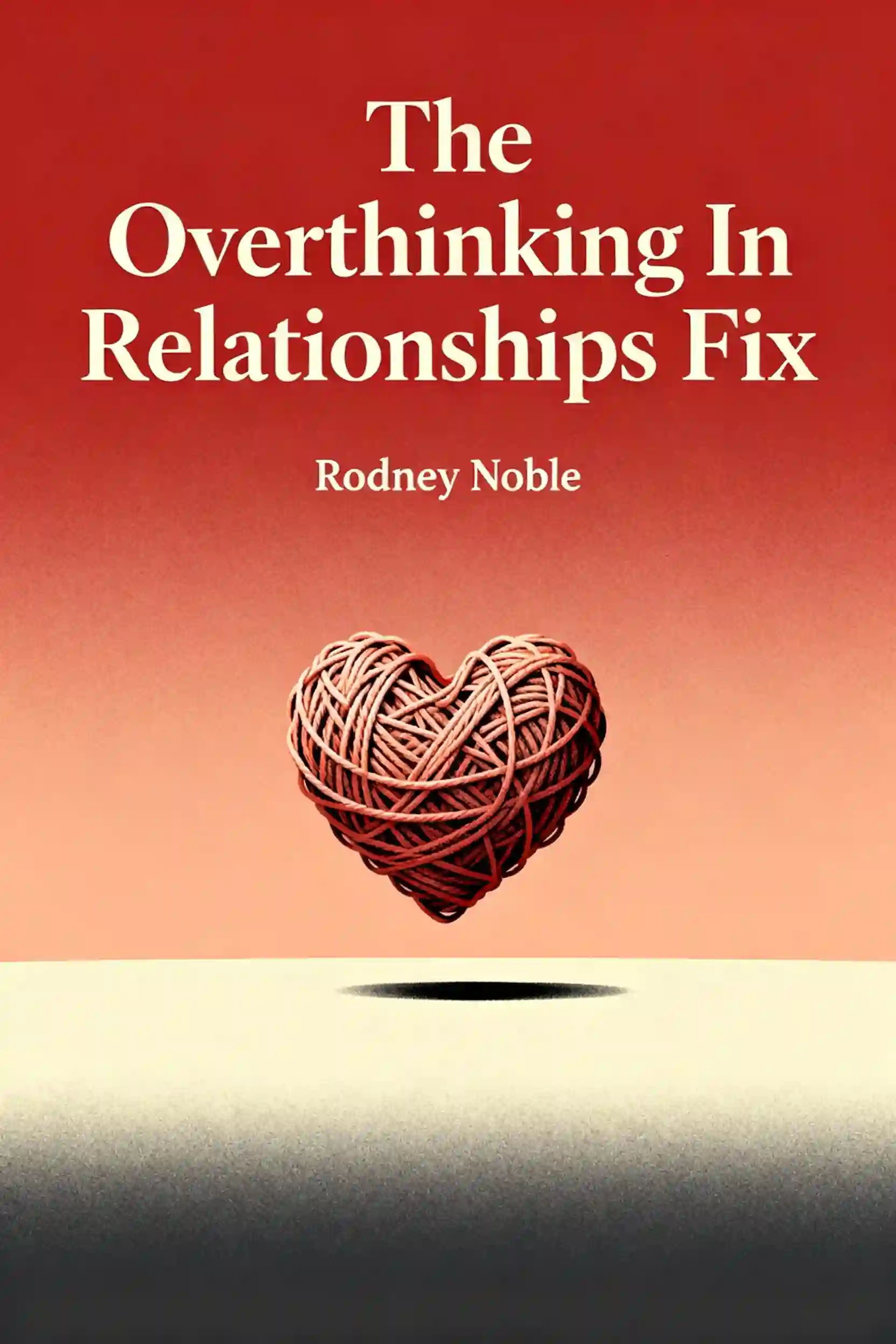
Stop absorbing your partner's mood and stress
Why do we mirror our partner's bad moods? Learn how to stop reacting to every text and build an inner fortress to protect your peace in any relationship.

Best quote from Stop absorbing your partner's mood and stress
Your peace is not a conditional state based on someone else's mood; you can be an anchor of calm rather than an emotional sponge by realizing their stress is their package to hold, and you don't have to sign for the delivery.

This audio lesson was created by a BeFreed community member
How to not be affected by your partners mood in your relationship, as well as being able to control your own emotions and not respond to everything in a negative way. How do you master emotional regulation and not be affected by interpreting a text message a certain way, or how to not take your partners action personally because it may actually not be about you but it feels like it.


Frequently Asked Questions
This happens due to a documented phenomenon called emotional contagion, which is driven by the brain's mirror neuron system. This system causes us to unconsciously mimic the emotions of those around us. When we lack an "inner fortress" or emotional boundaries, we act like an emotional sponge, absorbing others' stress as if it were our own.
The script suggests using the "Buffer of Time" rule, which involves waiting 20 minutes before responding to a text that triggers anxiety. During this time, you should focus on regulating your nervous system through physical movement or breathing. Additionally, you can separate "facts" from "fear stories" by acknowledging the reality (e.g., they haven't replied in two hours) while challenging the narrative your brain created (e.g., they are mad at me).
This is a cognitive tool used to rewire your reaction to perceived slights. First, you "Catch" the feeling by naming that you are taking something personally. Second, you "Challenge" the thought by looking for evidence for and against it. Third, you "Change" the story by creating a more balanced interpretation of the event. Finally, you "Proceed" by responding based on logic rather than defensiveness.
No, the script distinguishes between "empathic distress," where you feel someone's pain so deeply you become overwhelmed, and "empathic concern," where you maintain a boundary that allows you to provide warmth and care. By staying grounded in your own "emotional fortress," you become a stable anchor for your partner rather than a second person caught in the storm, which actually makes you more helpful.
You can influence the emotional tone of an environment through nervous system regulation. By practicing grounding techniques like "4-7-8" breathing before engaging with a stressed person, you maintain a well-regulated state that others can unconsciously sync with. This allows others to "catch" your calm instead of you "catching" their stress.
Discover more

Stop overthinking in dating
Stop overthinking in dating
If you find yourself replaying conversations, obsessing over text message timing, or spiraling into worst-case scenarios while dating, this plan addresses the root causes of your anxiety. It's designed for anyone who wants to break free from exhausting overthinking patterns and develop the secure attachment style that leads to healthier, more fulfilling relationships.

Stop feeling angry so much
Stop feeling angry so much
Frequent anger can damage relationships, harm your health, and leave you feeling out of control. This plan is designed for anyone who finds themselves overreacting to daily frustrations, struggling with a short temper, or wanting to break free from explosive emotional patterns that no longer serve them.
Prevent and diffuse marital conflict
Prevent and diffuse marital conflict
This learning plan is essential for couples seeking to break cycles of reactive arguing and build a more resilient partnership. It is designed for anyone from newlyweds to long-term partners who want to master the science of emotional connection and conflict resolution.

Communication with a defensive partner
Communication with a defensive partner
Defensive communication can create painful cycles that erode trust and intimacy in relationships. This learning plan helps anyone struggling with a defensive partner to understand underlying triggers, develop crucial emotional safety skills, and transform conflict patterns into opportunities for deeper connection.
Mindful Living: Face Emotions Happily
Mindful Living: Face Emotions Happily
In an era of constant stress, mastering emotional intelligence is essential for mental health and resilience. This plan is designed for anyone seeking to break the cycle of emotional reactivity and find peace through mindful acceptance and practical daily habits.

Distance myself from other people’s emotions
Distance myself from other people’s emotions
This plan is essential for empathetic individuals and professionals who often feel drained by the moods of those around them. It provides a practical framework for balancing compassion with self-preservation, ensuring you can support others without losing your own peace of mind.
Heal anxiety, build bonds & live mindfully
Heal anxiety, build bonds & live mindfully
This comprehensive learning plan addresses the interconnected nature of mental health and relationship wellbeing, recognizing that anxiety, OCD, and attachment issues profoundly impact both personal peace and connection with others. It's ideal for anyone struggling with intrusive thoughts, relationship patterns, or feeling disconnected from themselves and others, offering a holistic path from mental turbulence to emotional security and meaningful relationships.
Manage Anxious-Avoidant Relationship Balance
Manage Anxious-Avoidant Relationship Balance
This learning plan is essential for couples or individuals trapped in repetitive cycles of conflict and emotional distance. It provides a science-based roadmap for anyone seeking to transform insecure attachment patterns into a stable, supportive, and secure relationship.
From Columbia University alumni built in San Francisco
"Instead of endless scrolling, I just hit play on BeFreed. It saves me so much time."


"I never knew where to start with nonfiction—BeFreed’s book lists turned into podcasts gave me a clear path."


"Perfect balance between learning and entertainment. Finished ‘Thinking, Fast and Slow’ on my commute this week."
"Crazy how much I learned while walking the dog. BeFreed = small habits → big gains."
"Reading used to feel like a chore. Now it’s just part of my lifestyle."

"Feels effortless compared to reading. I’ve finished 6 books this month already."
"BeFreed turned my guilty doomscrolling into something that feels productive and inspiring."

"BeFreed turned my commute into learning time. 20-min podcasts are perfect for finishing books I never had time for."
"BeFreed replaced my podcast queue. Imagine Spotify for books — that’s it. 🙌"

"It is great for me to learn something from the book without reading it."
"The themed book list podcasts help me connect ideas across authors—like a guided audio journey."
"Makes me feel smarter every time before going to work"
From Columbia University alumni built in San Francisco
"Instead of endless scrolling, I just hit play on BeFreed. It saves me so much time."
"I never knew where to start with nonfiction—BeFreed’s book lists turned into podcasts gave me a clear path."
"Perfect balance between learning and entertainment. Finished ‘Thinking, Fast and Slow’ on my commute this week."
"Crazy how much I learned while walking the dog. BeFreed = small habits → big gains."
"Reading used to feel like a chore. Now it’s just part of my lifestyle."
"Feels effortless compared to reading. I’ve finished 6 books this month already."
"BeFreed turned my guilty doomscrolling into something that feels productive and inspiring."
"BeFreed turned my commute into learning time. 20-min podcasts are perfect for finishing books I never had time for."
"BeFreed replaced my podcast queue. Imagine Spotify for books — that’s it. 🙌"
"It is great for me to learn something from the book without reading it."
"The themed book list podcasts help me connect ideas across authors—like a guided audio journey."
"Makes me feel smarter every time before going to work"
"Instead of endless scrolling, I just hit play on BeFreed. It saves me so much time."
"I never knew where to start with nonfiction—BeFreed’s book lists turned into podcasts gave me a clear path."
"Perfect balance between learning and entertainment. Finished ‘Thinking, Fast and Slow’ on my commute this week."
"Crazy how much I learned while walking the dog. BeFreed = small habits → big gains."
"Reading used to feel like a chore. Now it’s just part of my lifestyle."
"Feels effortless compared to reading. I’ve finished 6 books this month already."
"BeFreed turned my guilty doomscrolling into something that feels productive and inspiring."
"BeFreed turned my commute into learning time. 20-min podcasts are perfect for finishing books I never had time for."
"BeFreed replaced my podcast queue. Imagine Spotify for books — that’s it. 🙌"
"It is great for me to learn something from the book without reading it."
"The themed book list podcasts help me connect ideas across authors—like a guided audio journey."
"Makes me feel smarter every time before going to work"
"Instead of endless scrolling, I just hit play on BeFreed. It saves me so much time."
"I never knew where to start with nonfiction—BeFreed’s book lists turned into podcasts gave me a clear path."
"Perfect balance between learning and entertainment. Finished ‘Thinking, Fast and Slow’ on my commute this week."
"Crazy how much I learned while walking the dog. BeFreed = small habits → big gains."
"Reading used to feel like a chore. Now it’s just part of my lifestyle."
"Feels effortless compared to reading. I’ve finished 6 books this month already."
"BeFreed turned my guilty doomscrolling into something that feels productive and inspiring."
"BeFreed turned my commute into learning time. 20-min podcasts are perfect for finishing books I never had time for."
"BeFreed replaced my podcast queue. Imagine Spotify for books — that’s it. 🙌"
"It is great for me to learn something from the book without reading it."
"The themed book list podcasts help me connect ideas across authors—like a guided audio journey."
"Makes me feel smarter every time before going to work"


![Facing Codependence [ABRIDGED]](/_next/image?url=https%3A%2F%2Fd3lvzgn0lx7rb2.cloudfront.net%2Fcovers%2F1d91cc59-653c-487c-bb06-0a03ac09820d%2Fimage_resized.webp&w=1024&q=50)


