
Stone Age Brain vs Modern Markets
Why our ancient survival instincts sabotage even the smartest traders, turning evolutionary advantages into trading disasters through panic responses and cognitive biases.

Best quote from Stone Age Brain vs Modern Markets
The same traits that make people successful everywhere else—confidence, quick decision-making, and analytical thinking—actually backfire in trading because our stone age brain can't tell the difference between a predator and a losing trade.

This audio lesson was created by a BeFreed community member
Why our stone age brain leads to failure in day trading

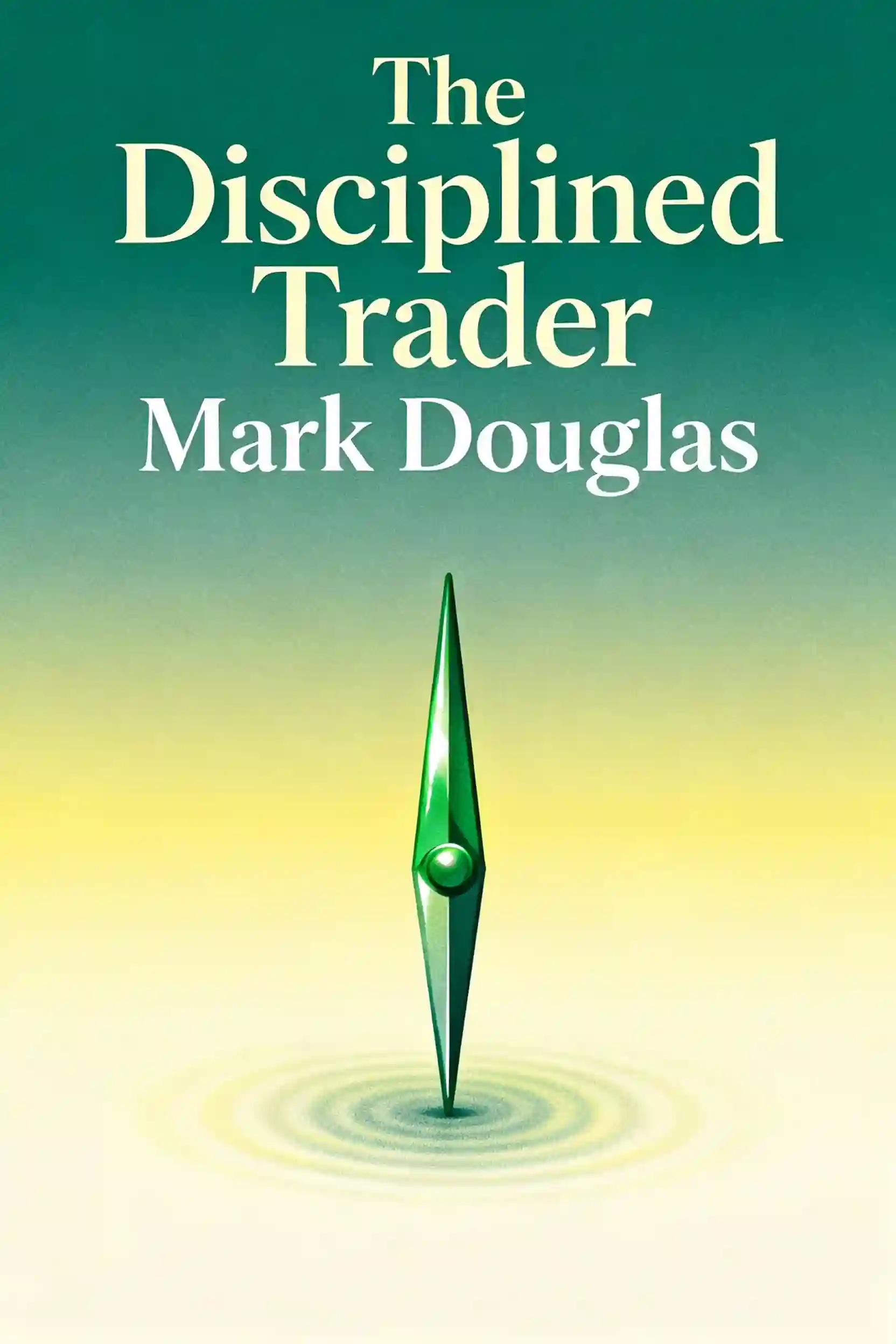
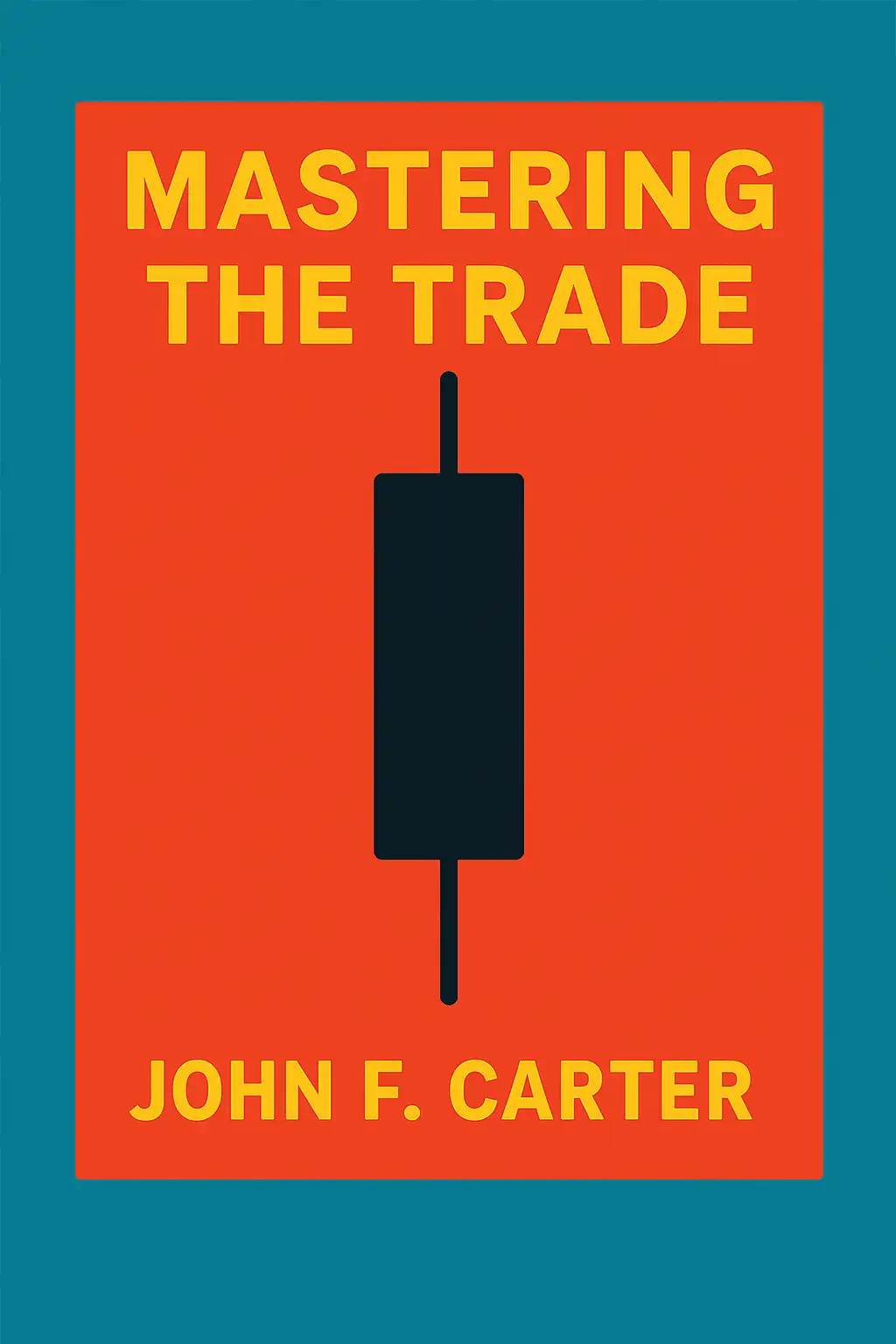
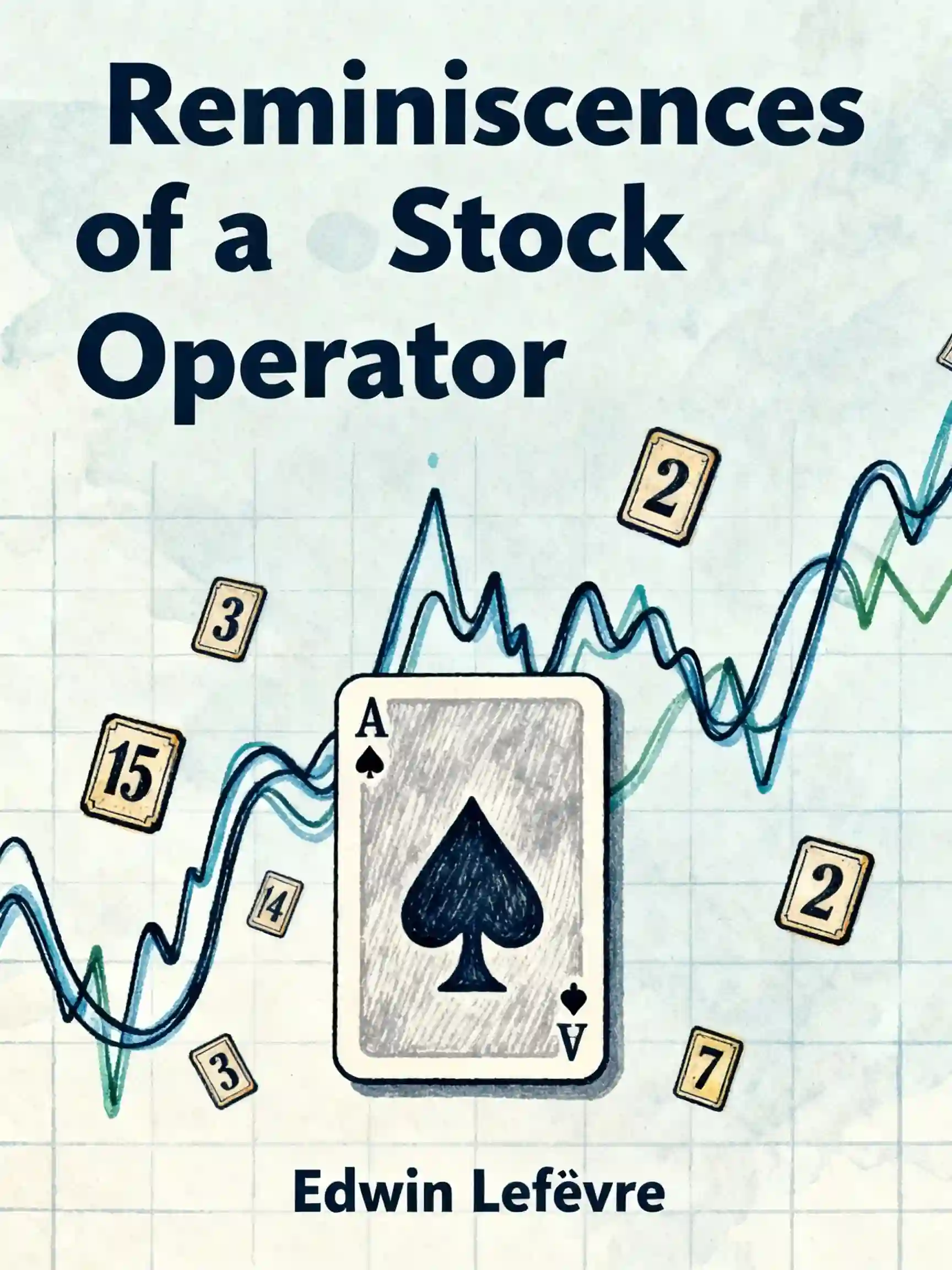
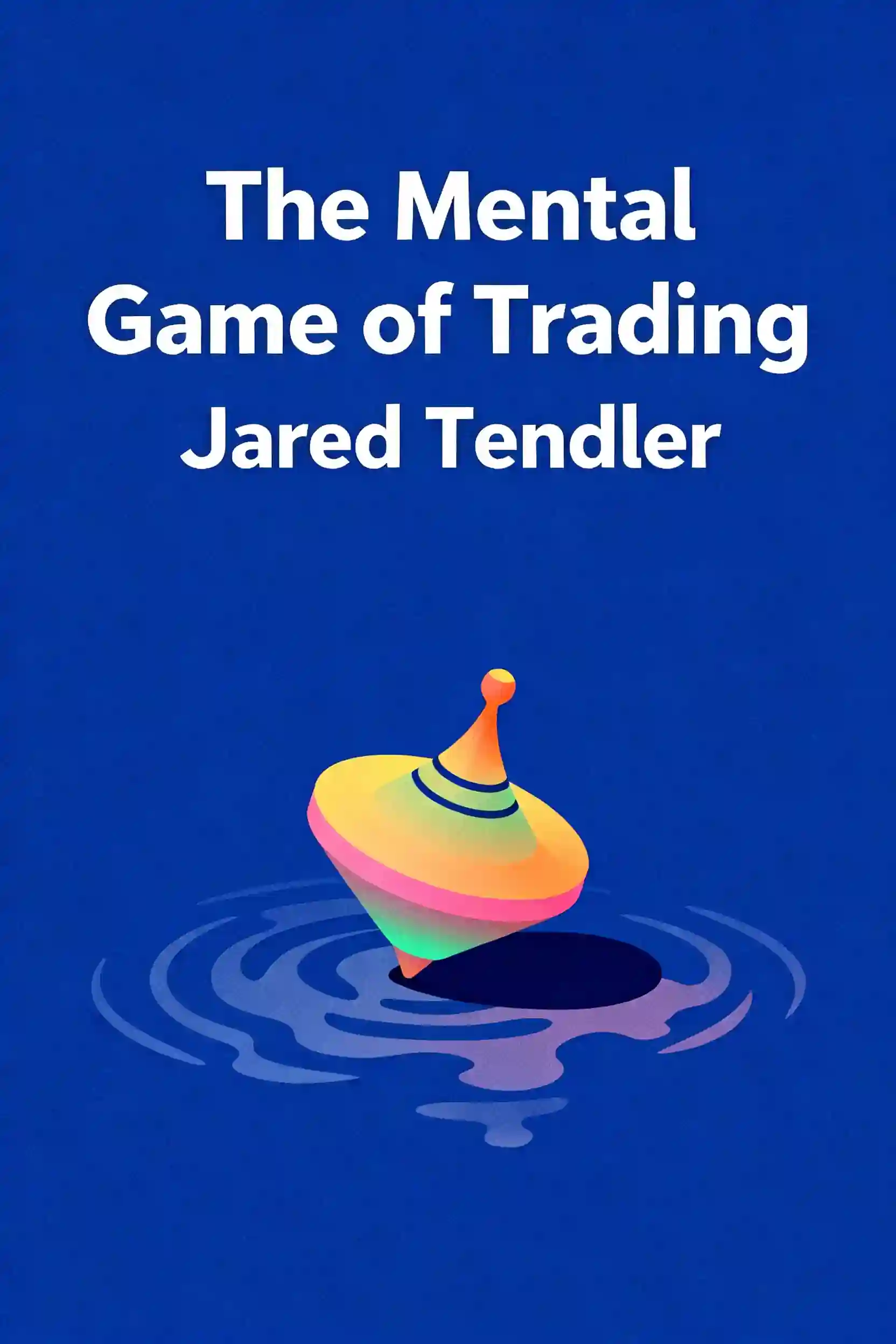
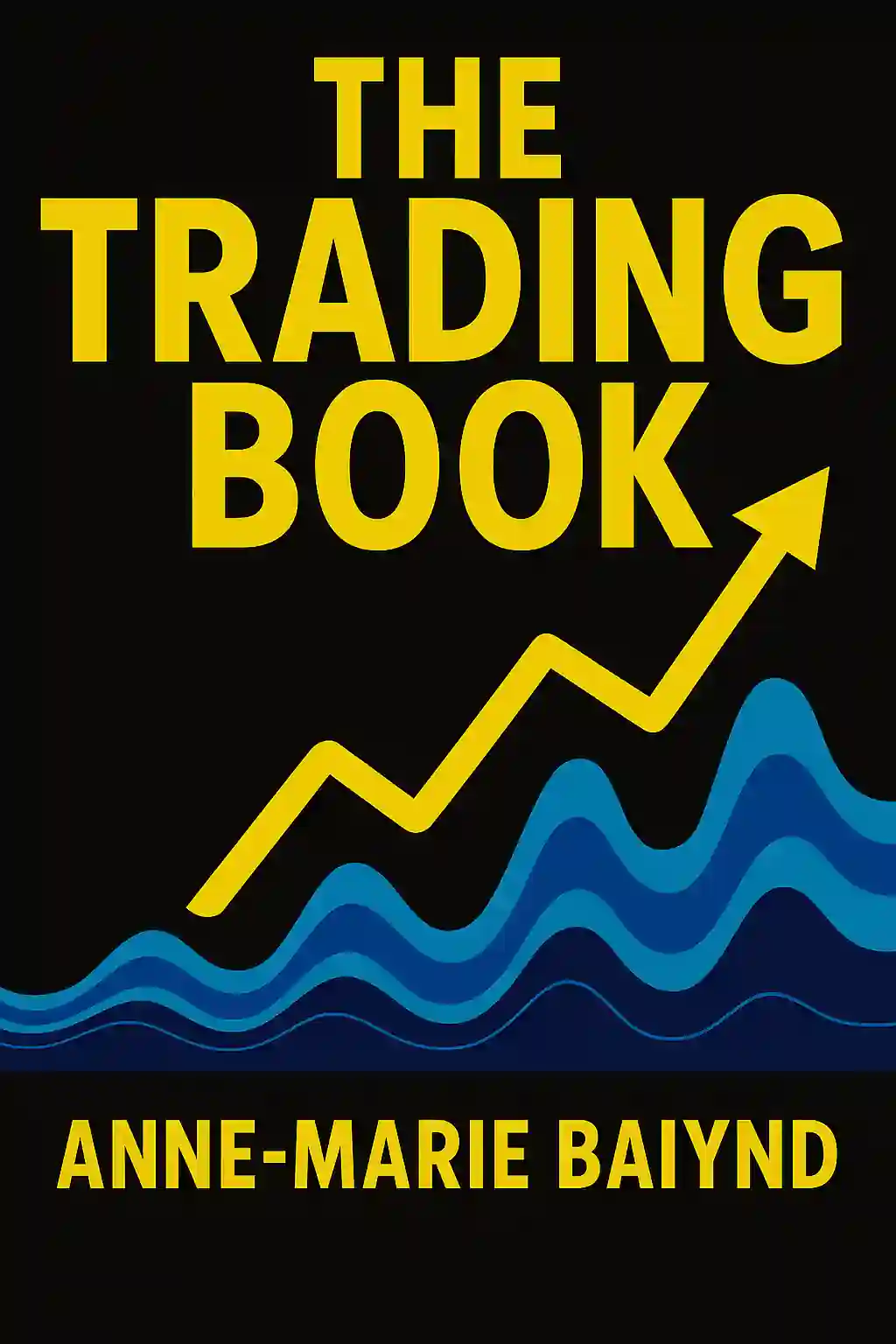
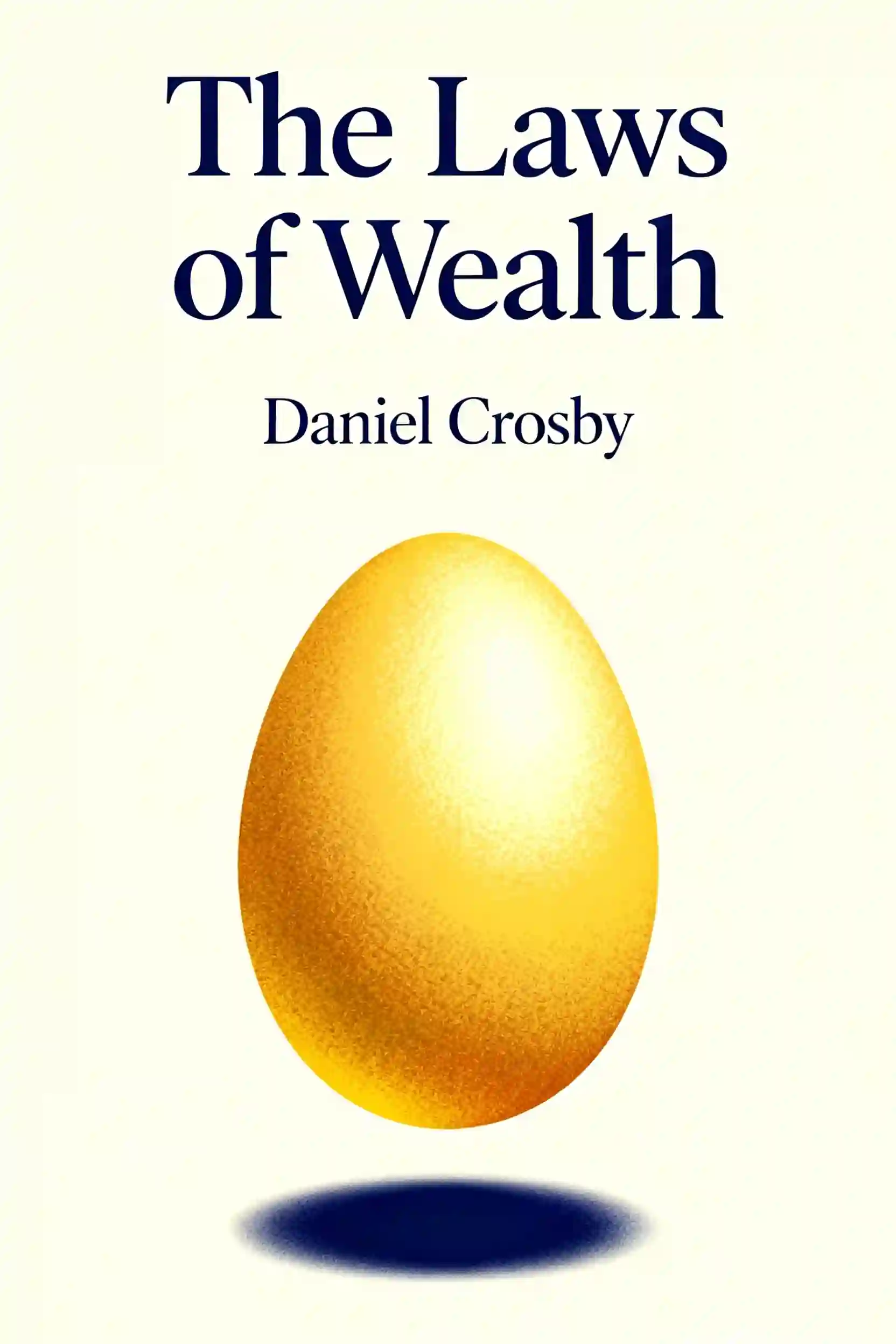
Discover more

Study Investing, Neuro & Behavioral Science
Study Investing, Neuro & Behavioral Science
This plan bridges the gap between traditional finance and the biological drivers of human behavior. It is designed for investors and professionals who want to master market mechanics while optimizing their brain's decision-making architecture.

Psychology of financial investments
Psychology of financial investments
Investors often lose significant returns not due to market fluctuations, but because of hardwired cognitive biases and emotional reactions. This plan is essential for anyone looking to bridge the gap between technical financial knowledge and the psychological discipline required for long-term success.

Study Behavior, Desire & Investing
Study Behavior, Desire & Investing
This learning plan is essential for investors who want to move beyond spreadsheets and understand the psychological drivers of market movement. It is ideal for both beginners and experienced professionals seeking to master their emotions and align their financial strategies with human biology.
Evolutionary Psychology
Evolutionary Psychology
This learning plan is essential for anyone seeking to understand the biological foundations of human behavior and why our ancient brains often clash with modern environments. It is particularly beneficial for students of psychology, marketers, and individuals interested in self-improvement and better decision-making.
Understand & influence human decision-making
Understand & influence human decision-making
In an era of information overload, understanding the hidden mechanics of the mind is a critical competitive advantage. This plan is ideal for leaders, marketers, and designers looking to leverage behavioral science to drive better results and ethical engagement.

Make money be emotionless
Make money be emotionless
Emotional volatility is the primary reason most investors fail to build long-term wealth. This plan is designed for traders and investors who want to master their psychology and adopt a Stoic approach to financial decision-making.

Learn money, trading, and discipline
Learn money, trading, and discipline
This plan bridges the gap between financial theory and the psychological grit required for successful trading. It is ideal for aspiring investors who want to combine technical market skills with the self-discipline necessary to manage risk and build lasting wealth.
Mind, Money, Habits & Human History
Mind, Money, Habits & Human History
This plan bridges the gap between psychological theory and practical life mastery by exploring the forces that shape our choices. It is ideal for individuals seeking to optimize their personal finances, habits, and mental clarity through the lens of human history.
From Columbia University alumni built in San Francisco
"Instead of endless scrolling, I just hit play on BeFreed. It saves me so much time."


"I never knew where to start with nonfiction—BeFreed’s book lists turned into podcasts gave me a clear path."


"Perfect balance between learning and entertainment. Finished ‘Thinking, Fast and Slow’ on my commute this week."
"Crazy how much I learned while walking the dog. BeFreed = small habits → big gains."
"Reading used to feel like a chore. Now it’s just part of my lifestyle."

"Feels effortless compared to reading. I’ve finished 6 books this month already."
"BeFreed turned my guilty doomscrolling into something that feels productive and inspiring."

"BeFreed turned my commute into learning time. 20-min podcasts are perfect for finishing books I never had time for."
"BeFreed replaced my podcast queue. Imagine Spotify for books — that’s it. 🙌"

"It is great for me to learn something from the book without reading it."
"The themed book list podcasts help me connect ideas across authors—like a guided audio journey."
"Makes me feel smarter every time before going to work"
From Columbia University alumni built in San Francisco
"Instead of endless scrolling, I just hit play on BeFreed. It saves me so much time."
"I never knew where to start with nonfiction—BeFreed’s book lists turned into podcasts gave me a clear path."
"Perfect balance between learning and entertainment. Finished ‘Thinking, Fast and Slow’ on my commute this week."
"Crazy how much I learned while walking the dog. BeFreed = small habits → big gains."
"Reading used to feel like a chore. Now it’s just part of my lifestyle."
"Feels effortless compared to reading. I’ve finished 6 books this month already."
"BeFreed turned my guilty doomscrolling into something that feels productive and inspiring."
"BeFreed turned my commute into learning time. 20-min podcasts are perfect for finishing books I never had time for."
"BeFreed replaced my podcast queue. Imagine Spotify for books — that’s it. 🙌"
"It is great for me to learn something from the book without reading it."
"The themed book list podcasts help me connect ideas across authors—like a guided audio journey."
"Makes me feel smarter every time before going to work"
"Instead of endless scrolling, I just hit play on BeFreed. It saves me so much time."
"I never knew where to start with nonfiction—BeFreed’s book lists turned into podcasts gave me a clear path."
"Perfect balance between learning and entertainment. Finished ‘Thinking, Fast and Slow’ on my commute this week."
"Crazy how much I learned while walking the dog. BeFreed = small habits → big gains."
"Reading used to feel like a chore. Now it’s just part of my lifestyle."
"Feels effortless compared to reading. I’ve finished 6 books this month already."
"BeFreed turned my guilty doomscrolling into something that feels productive and inspiring."
"BeFreed turned my commute into learning time. 20-min podcasts are perfect for finishing books I never had time for."
"BeFreed replaced my podcast queue. Imagine Spotify for books — that’s it. 🙌"
"It is great for me to learn something from the book without reading it."
"The themed book list podcasts help me connect ideas across authors—like a guided audio journey."
"Makes me feel smarter every time before going to work"
"Instead of endless scrolling, I just hit play on BeFreed. It saves me so much time."
"I never knew where to start with nonfiction—BeFreed’s book lists turned into podcasts gave me a clear path."
"Perfect balance between learning and entertainment. Finished ‘Thinking, Fast and Slow’ on my commute this week."
"Crazy how much I learned while walking the dog. BeFreed = small habits → big gains."
"Reading used to feel like a chore. Now it’s just part of my lifestyle."
"Feels effortless compared to reading. I’ve finished 6 books this month already."
"BeFreed turned my guilty doomscrolling into something that feels productive and inspiring."
"BeFreed turned my commute into learning time. 20-min podcasts are perfect for finishing books I never had time for."
"BeFreed replaced my podcast queue. Imagine Spotify for books — that’s it. 🙌"
"It is great for me to learn something from the book without reading it."
"The themed book list podcasts help me connect ideas across authors—like a guided audio journey."
"Makes me feel smarter every time before going to work"


