
Stoic practices for daily life and finding stillness
Why does reading philosophy feel different than living it? Learn how to bridge the gap between Stoic theory and real-world resilience when life gets messy.

Best quote from Stoic practices for daily life and finding stillness
You have power over your mind, not outside events. When you stop trying to fix the glitches in the world and start patching the glitches in your own reaction, the relief is almost instant.

This audio lesson was created by a BeFreed community member
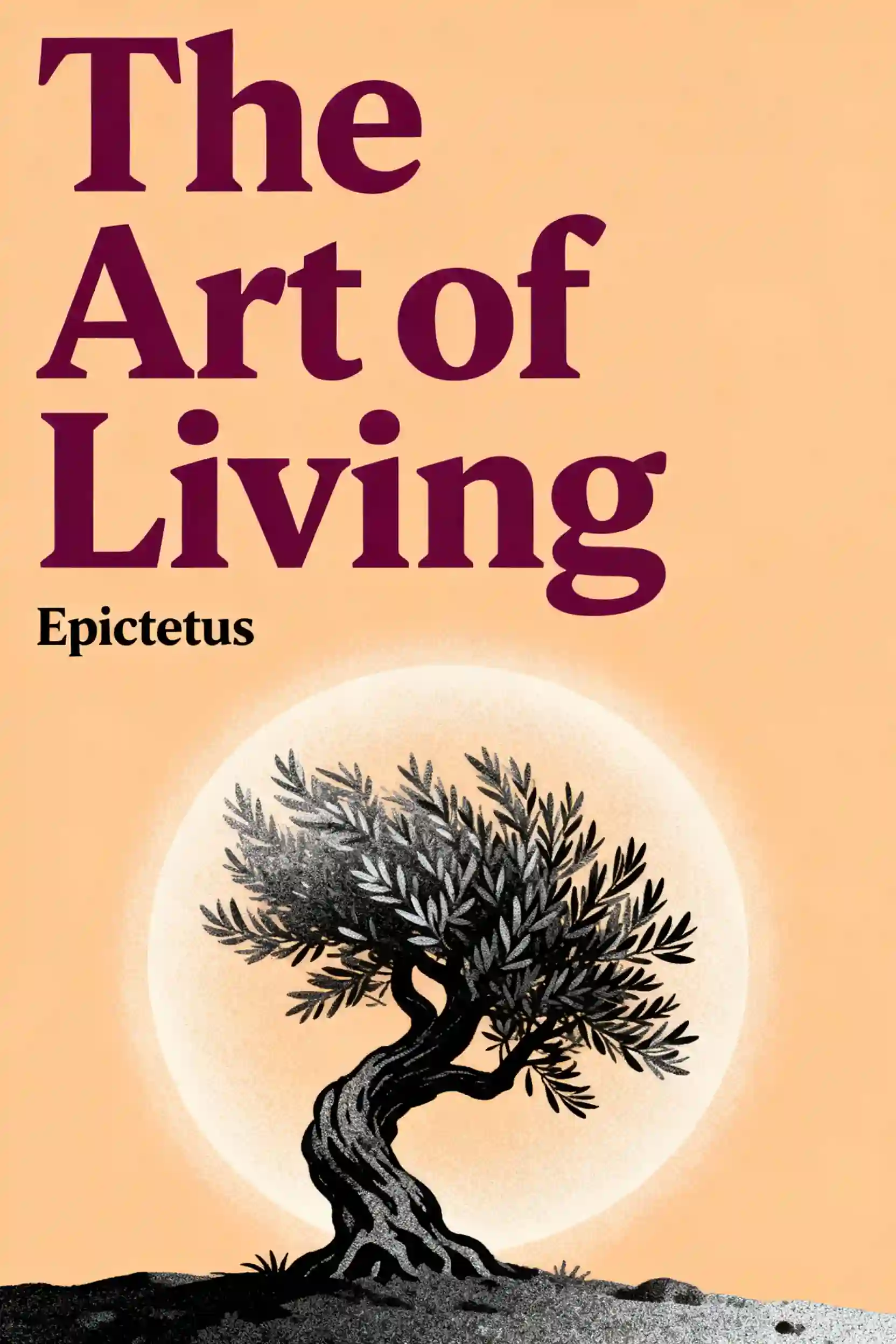
Daily life and stoicism


Frequently Asked Questions
The Dichotomy of Control is a core Stoic concept, famously taught by Epictetus, which suggests that freedom comes from distinguishing between what is within our power and what is not. In the script, this is compared to a video game controller: you control your own "buttons"—your opinions, intentions, and efforts—but you do not control the "game code," such as the actions of others, the economy, or digital misinformation. By focusing only on our internal responses, we can avoid the frustration of trying to "fix" external glitches that are beyond our reach.
Negative Visualization, or premeditatio malorum, is the practice of intentionally imagining potential setbacks or difficulties before they happen. Unlike worrying, which is a passive and looping emotional state, this is a structured mental rehearsal similar to a pilot using a flight simulator. By pre-paying the emotional cost of a "bad" event and forming a plan for it, you remove the element of surprise and reduce the "sting" of the event if it actually occurs.
No, Stoicism does not ask for the suppression of all feelings. The script clarifies that famous Stoics like Seneca and Marcus Aurelius felt deep affection for their families and friends; they simply practiced not being enslaved by their emotions. The goal is to find "the pause"—a brief moment of space to examine a feeling before letting it dictate your actions. It is described as having a "soft heart but a very strong spine," allowing you to feel the world without being broken by it.
Role Ethics acts as a practical "GPS" for behavior by shifting the focus from "What do I want?" to "What does this role require of me right now?" Whether you are acting as a parent, a colleague, or a friend, identifying your specific responsibility in a given moment helps remove the ego from conflicts. By focusing on fulfilling your role with virtue—such as being a supportive teammate rather than winning an argument—you maintain inner tranquility regardless of how the other person chooses to behave.
The script outlines a three-part daily routine: Morning Prep, Midday Reset, and Evening Review. The Morning Prep involves a few minutes of negative visualization to prepare for the day's challenges. The Midday Reset is a "check-in" to ask if a current stressor is within your control, marking it as "spam" if it is an external factor. Finally, the Evening Review is a non-judgmental "post-game analysis" of the day’s events to identify patterns, learn from mistakes, and recognize where you acted with wisdom.
Discover more

Apply Stoicism in Modern Life
Apply Stoicism in Modern Life
In our chaotic modern world, Stoicism offers time-tested strategies for maintaining inner peace and making wise decisions regardless of external circumstances. This learning plan helps anyone feeling overwhelmed by life's challenges to develop mental resilience and practical wisdom through ancient philosophical techniques that remain remarkably relevant today.

Be more stoic
Be more stoic
Stoicism offers timeless tools for navigating life's challenges with composure and purpose, making it increasingly relevant in our anxiety-prone, fast-paced world. This learning plan is ideal for anyone seeking greater emotional resilience, mental clarity, and a practical philosophy for living well regardless of external circumstances.
Stoicism
Stoicism
Stoicism offers a time-tested framework for navigating life's challenges with clarity, resilience, and purpose—skills that are increasingly vital in our fast-paced, unpredictable world. This learning path is ideal for anyone seeking practical wisdom to manage stress, make better decisions, and cultivate unshakeable inner strength, from professionals facing high-pressure environments to individuals pursuing personal growth and emotional mastery.
Develop mental resilience and stoic mentality
Develop mental resilience and stoic mentality
In our increasingly chaotic world, developing mental resilience is essential for maintaining well-being and achieving personal goals. This learning plan introduces Stoic philosophy as a practical framework for anyone seeking to strengthen their mind against life's inevitable challenges and develop greater emotional stability.
Find life goals via Stoicism & new philosophy
Find life goals via Stoicism & new philosophy
In an era of constant distraction, finding a clear sense of direction is essential for mental well-being. This plan is designed for individuals seeking to bridge the gap between ancient wisdom and modern psychology to build a life rooted in character and purpose.
Study Mind, Behavior, Habits & Philosophy
Study Mind, Behavior, Habits & Philosophy
This learning plan bridges the gap between modern cognitive science and ancient Stoic philosophy to provide a holistic toolkit for self-mastery. It is ideal for individuals seeking to align their daily habits with their deeper values while gaining emotional resilience and mental clarity.

Self-Improvement, Philosophy & Mindfulness
Self-Improvement, Philosophy & Mindfulness
In an era of constant distraction, this plan provides a vital bridge between ancient Stoic wisdom and modern behavioral science. It is designed for individuals seeking to replace reactive habits with conscious awareness and a grounded, philosophical approach to personal growth.
Overcome Self Doubt. Apply Stoicism in Modern Life. Understand the Stock Market Basics. Build a Strong, Lasting Marriage Master Focus, Energy, and Productivity. Handle Rejection With Calm.
Overcome Self Doubt. Apply Stoicism in Modern Life. Understand the Stock Market Basics. Build a Strong, Lasting Marriage Master Focus, Energy, and Productivity. Handle Rejection With Calm.
This learning plan combines ancient wisdom with modern science to help you build resilience, confidence, and effectiveness in both personal and professional domains. Ideal for anyone feeling overwhelmed by life's challenges, seeking to strengthen relationships, or wanting to improve their financial knowledge and productivity.
From Columbia University alumni built in San Francisco
"Instead of endless scrolling, I just hit play on BeFreed. It saves me so much time."


"I never knew where to start with nonfiction—BeFreed’s book lists turned into podcasts gave me a clear path."


"Perfect balance between learning and entertainment. Finished ‘Thinking, Fast and Slow’ on my commute this week."
"Crazy how much I learned while walking the dog. BeFreed = small habits → big gains."
"Reading used to feel like a chore. Now it’s just part of my lifestyle."

"Feels effortless compared to reading. I’ve finished 6 books this month already."
"BeFreed turned my guilty doomscrolling into something that feels productive and inspiring."

"BeFreed turned my commute into learning time. 20-min podcasts are perfect for finishing books I never had time for."
"BeFreed replaced my podcast queue. Imagine Spotify for books — that’s it. 🙌"

"It is great for me to learn something from the book without reading it."
"The themed book list podcasts help me connect ideas across authors—like a guided audio journey."
"Makes me feel smarter every time before going to work"
From Columbia University alumni built in San Francisco
"Instead of endless scrolling, I just hit play on BeFreed. It saves me so much time."
"I never knew where to start with nonfiction—BeFreed’s book lists turned into podcasts gave me a clear path."
"Perfect balance between learning and entertainment. Finished ‘Thinking, Fast and Slow’ on my commute this week."
"Crazy how much I learned while walking the dog. BeFreed = small habits → big gains."
"Reading used to feel like a chore. Now it’s just part of my lifestyle."
"Feels effortless compared to reading. I’ve finished 6 books this month already."
"BeFreed turned my guilty doomscrolling into something that feels productive and inspiring."
"BeFreed turned my commute into learning time. 20-min podcasts are perfect for finishing books I never had time for."
"BeFreed replaced my podcast queue. Imagine Spotify for books — that’s it. 🙌"
"It is great for me to learn something from the book without reading it."
"The themed book list podcasts help me connect ideas across authors—like a guided audio journey."
"Makes me feel smarter every time before going to work"
"Instead of endless scrolling, I just hit play on BeFreed. It saves me so much time."
"I never knew where to start with nonfiction—BeFreed’s book lists turned into podcasts gave me a clear path."
"Perfect balance between learning and entertainment. Finished ‘Thinking, Fast and Slow’ on my commute this week."
"Crazy how much I learned while walking the dog. BeFreed = small habits → big gains."
"Reading used to feel like a chore. Now it’s just part of my lifestyle."
"Feels effortless compared to reading. I’ve finished 6 books this month already."
"BeFreed turned my guilty doomscrolling into something that feels productive and inspiring."
"BeFreed turned my commute into learning time. 20-min podcasts are perfect for finishing books I never had time for."
"BeFreed replaced my podcast queue. Imagine Spotify for books — that’s it. 🙌"
"It is great for me to learn something from the book without reading it."
"The themed book list podcasts help me connect ideas across authors—like a guided audio journey."
"Makes me feel smarter every time before going to work"
"Instead of endless scrolling, I just hit play on BeFreed. It saves me so much time."
"I never knew where to start with nonfiction—BeFreed’s book lists turned into podcasts gave me a clear path."
"Perfect balance between learning and entertainment. Finished ‘Thinking, Fast and Slow’ on my commute this week."
"Crazy how much I learned while walking the dog. BeFreed = small habits → big gains."
"Reading used to feel like a chore. Now it’s just part of my lifestyle."
"Feels effortless compared to reading. I’ve finished 6 books this month already."
"BeFreed turned my guilty doomscrolling into something that feels productive and inspiring."
"BeFreed turned my commute into learning time. 20-min podcasts are perfect for finishing books I never had time for."
"BeFreed replaced my podcast queue. Imagine Spotify for books — that’s it. 🙌"
"It is great for me to learn something from the book without reading it."
"The themed book list podcasts help me connect ideas across authors—like a guided audio journey."
"Makes me feel smarter every time before going to work"


