
Stock Market Mastery: Beginner to Advanced Guide
Miles and Lena break down investing from absolute basics to advanced strategies, covering everything from your first stock purchase to building a million-dollar mindset.

Best quote from Stock Market Mastery: Beginner to Advanced Guide
The best time to start investing was twenty years ago. The second best time is right now.

This audio lesson was created by a BeFreed community member
Want to learn stock markets & investing; from basic to advanced

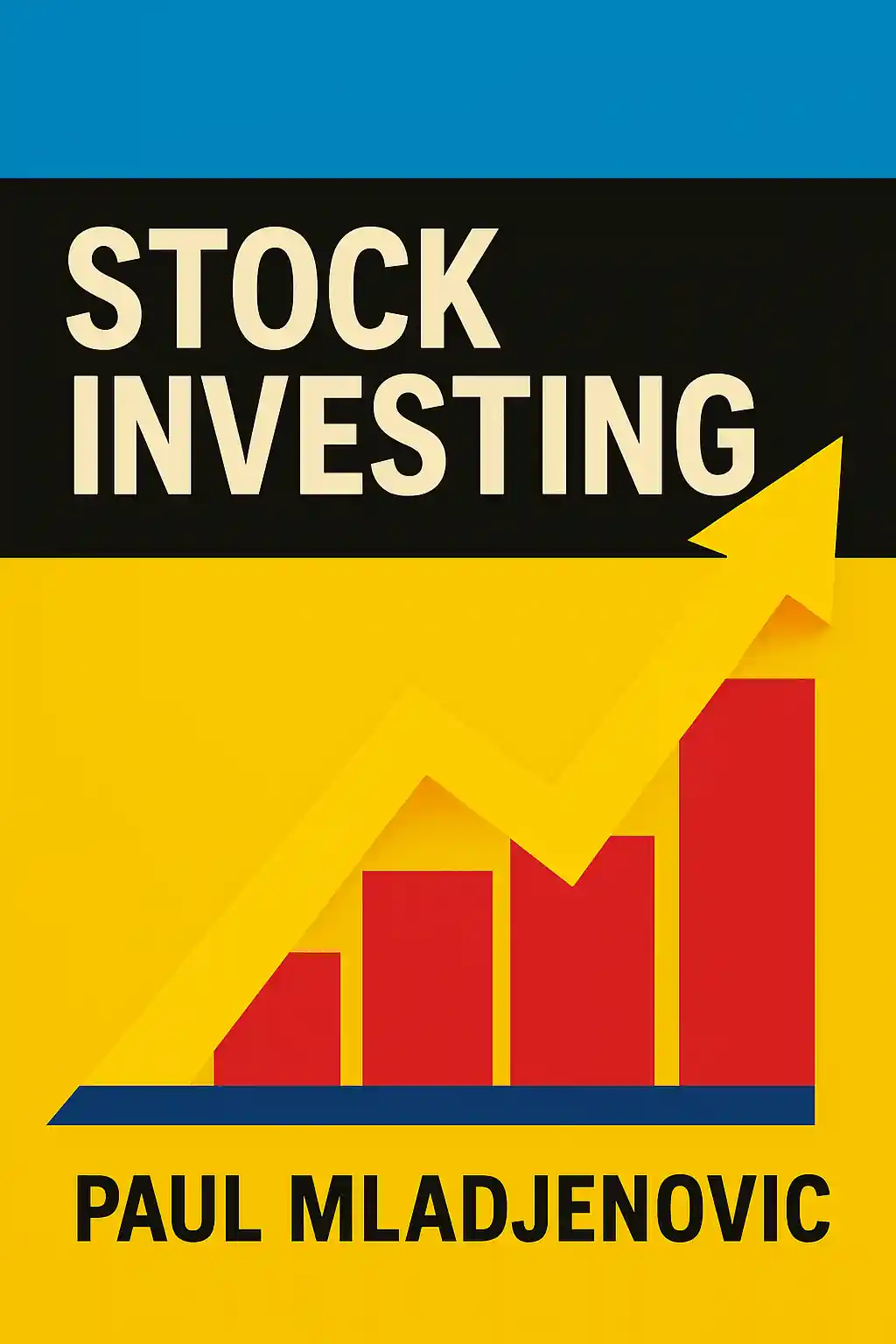
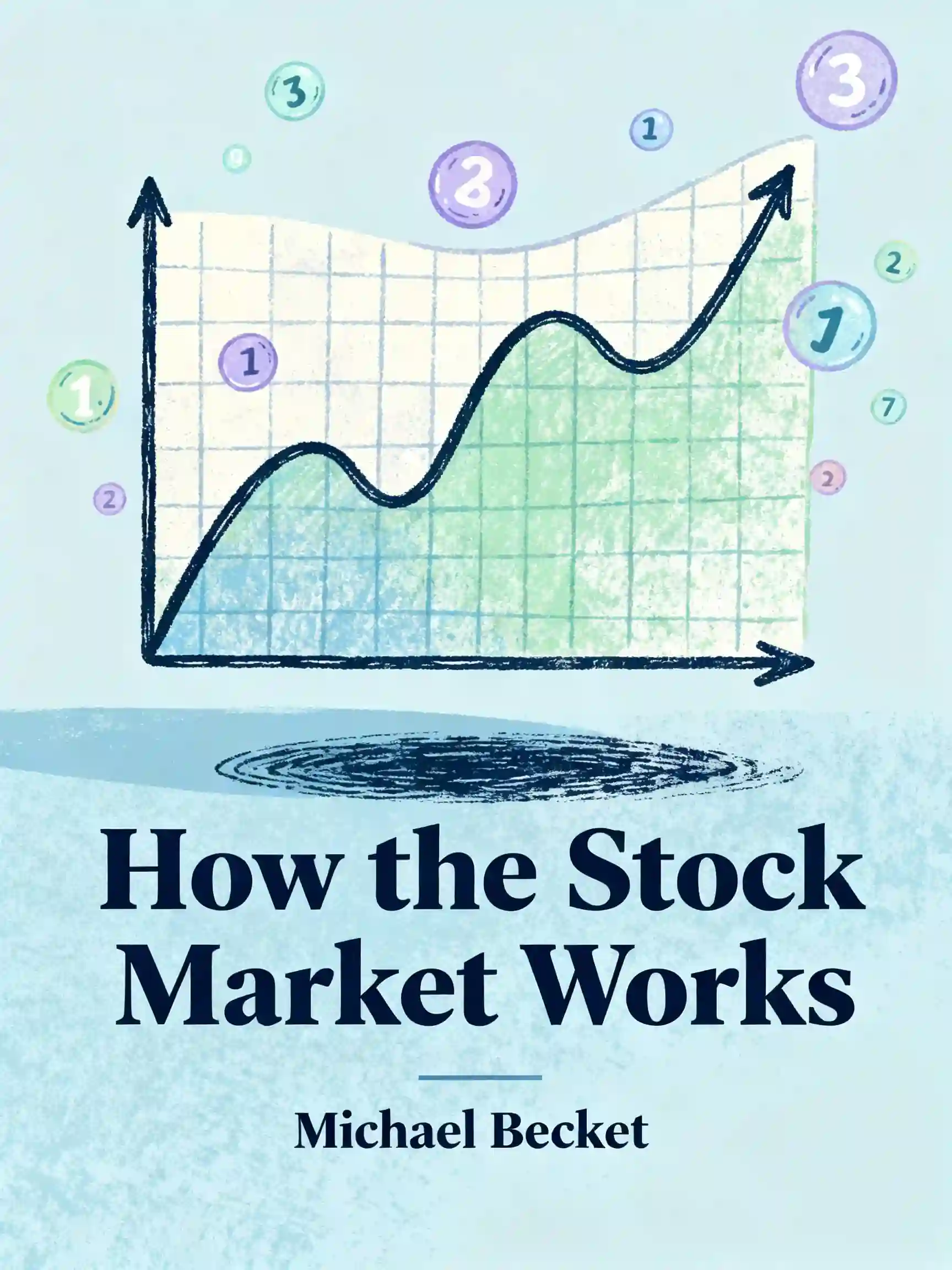
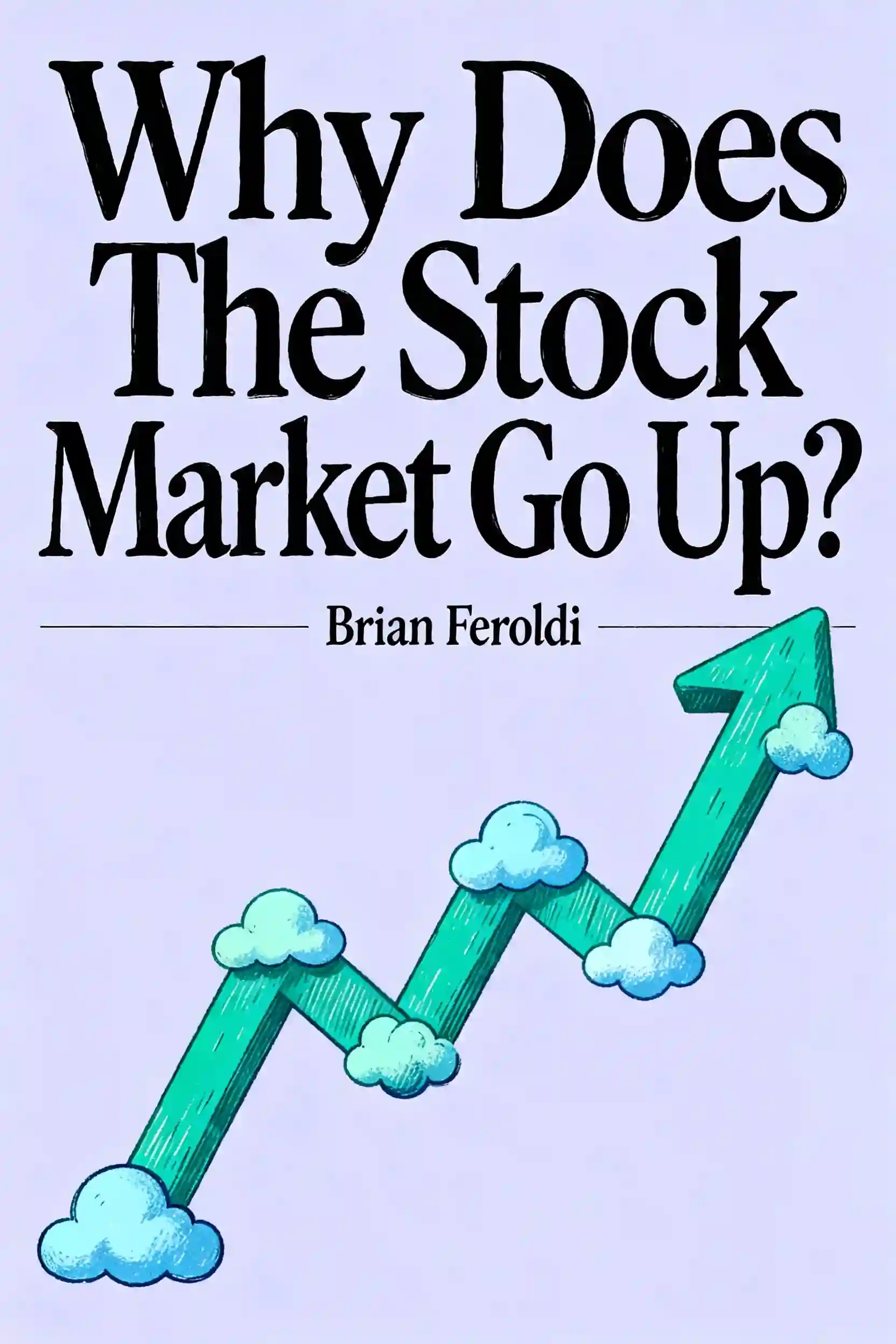
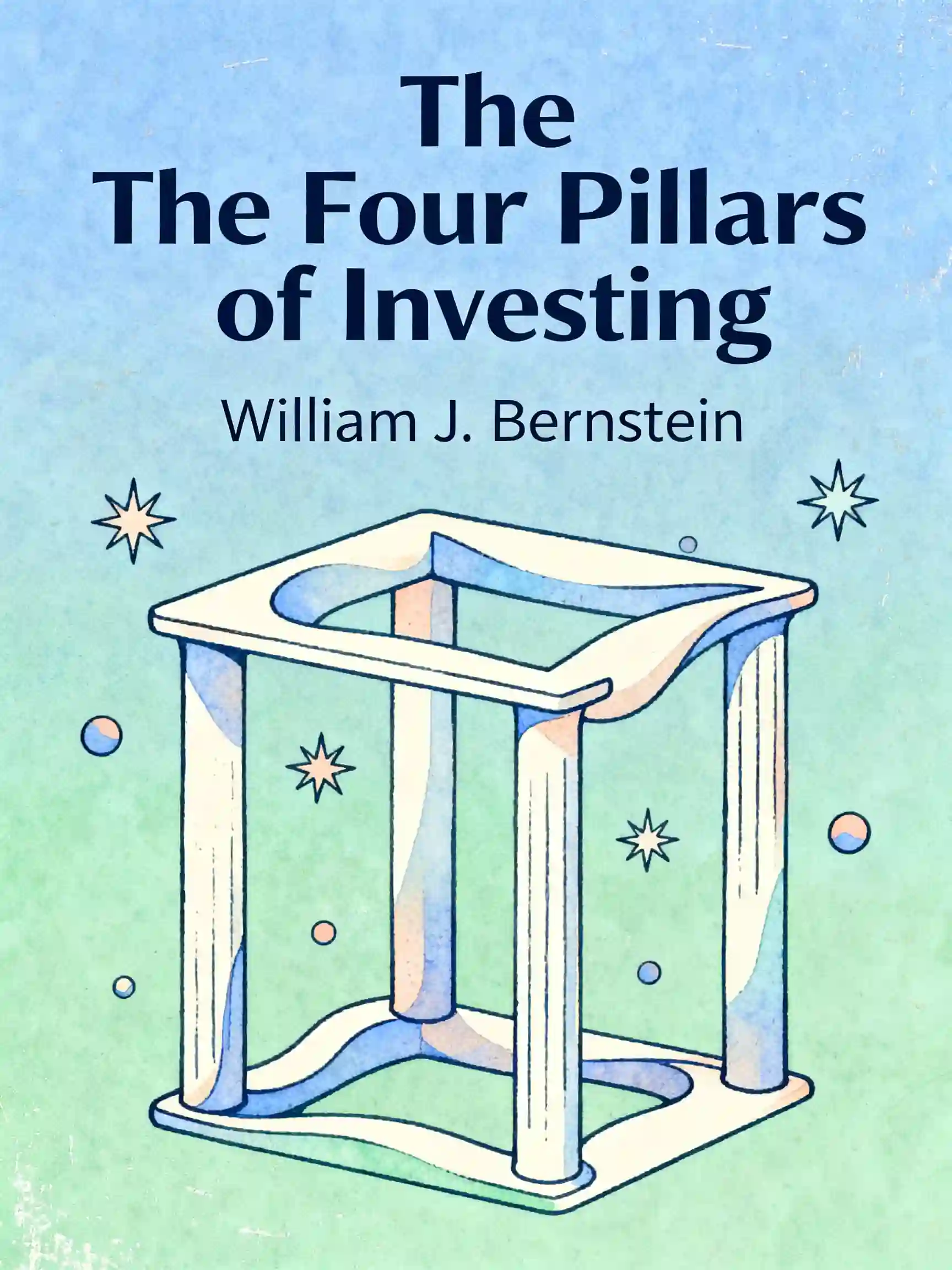
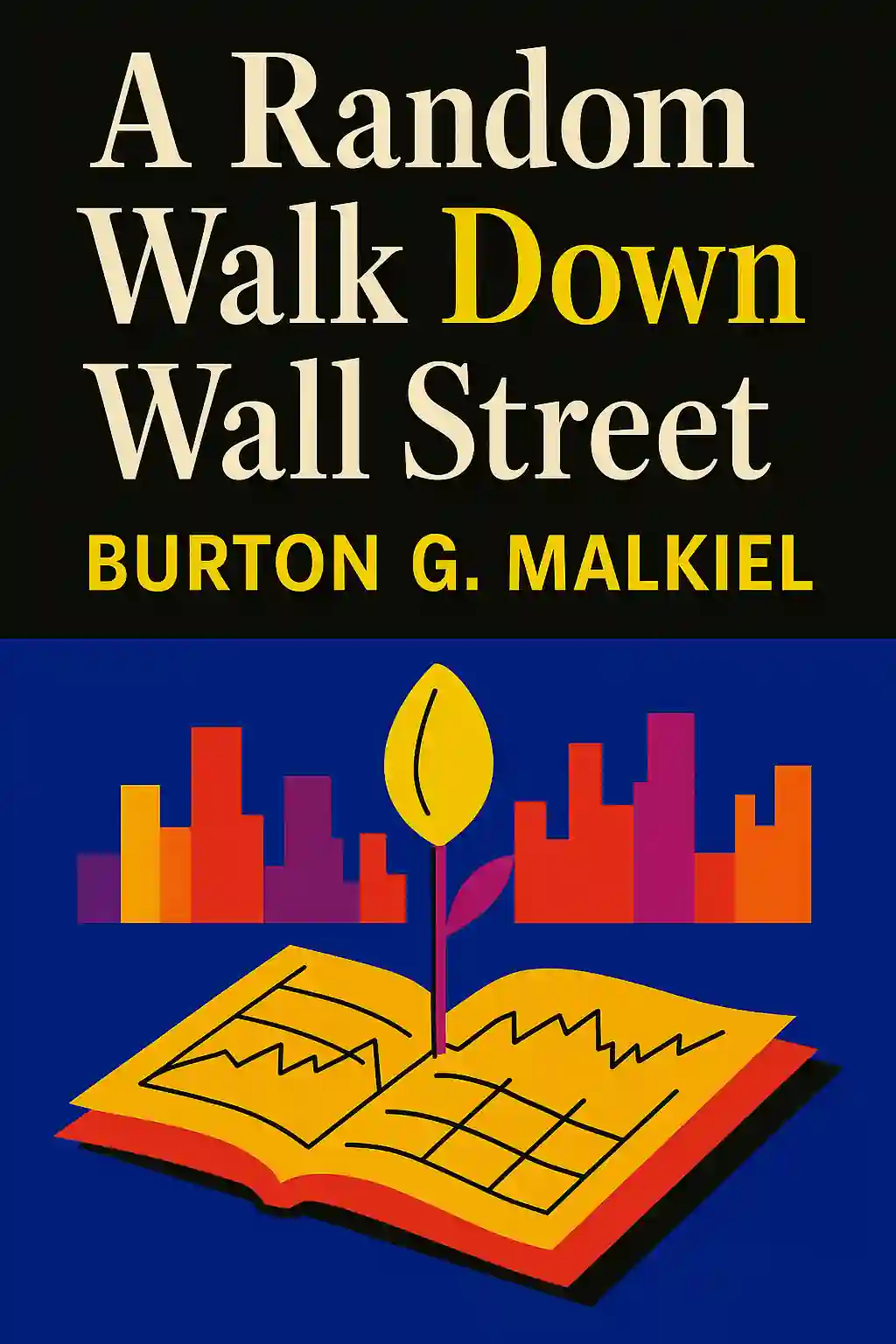
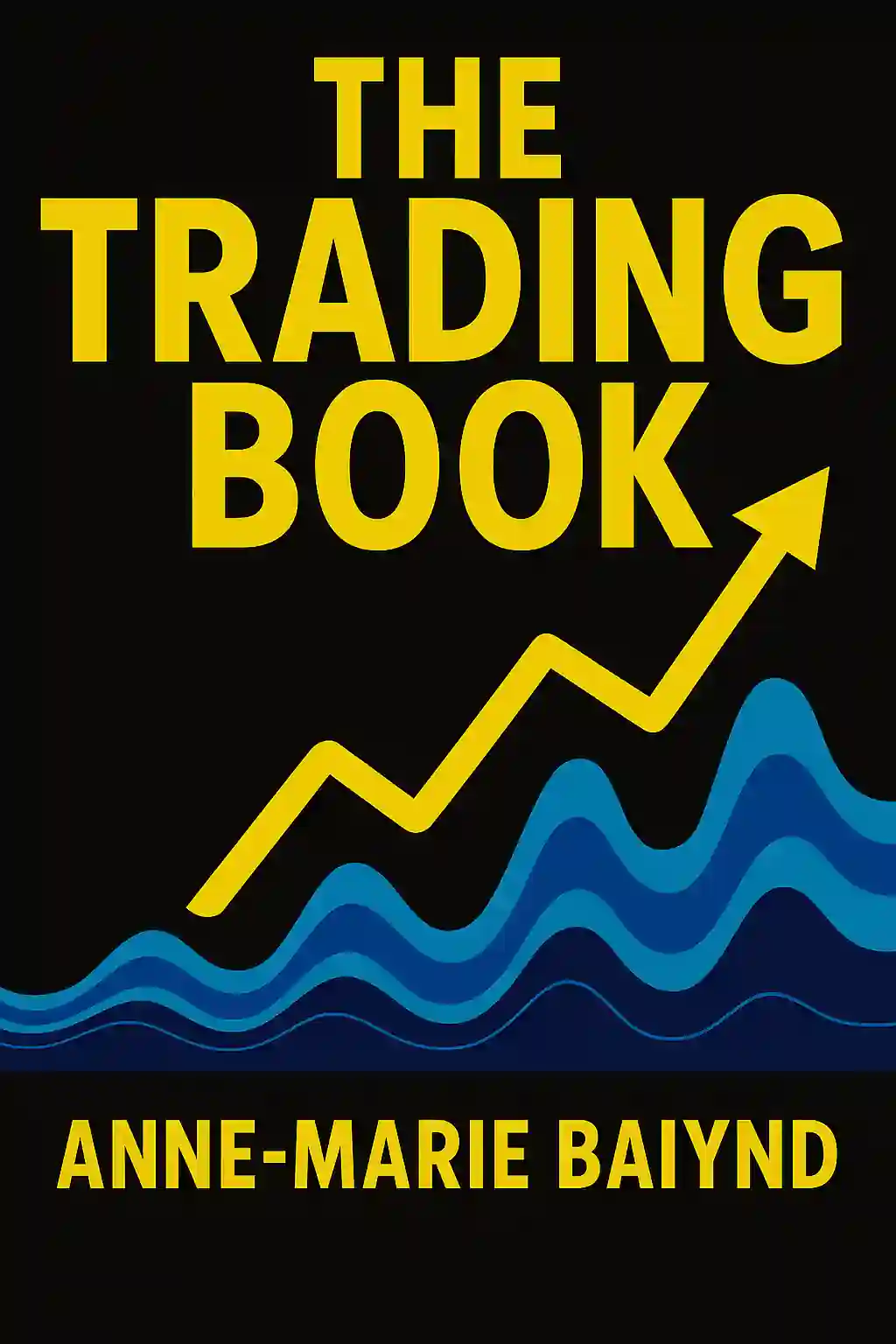
Discover more

Stock and trading
Stock and trading
Whether you're a complete beginner looking to start investing or an active trader seeking to sharpen your edge, this learning path provides essential knowledge for navigating stock markets successfully. By combining foundational market understanding with technical skills, value investing principles, and psychological mastery, you'll develop a well-rounded approach that addresses both the analytical and mental aspects of trading and investing.

Master Stock Market Investment Strategies
Master Stock Market Investment Strategies
This learning plan is essential for individuals seeking to transition from casual saving to professional-grade investing. It bridges the gap between fundamental analysis and technical trading, making it ideal for aspiring investors who want a balanced, risk-aware approach to building wealth.

Profit from stock investments
Profit from stock investments
This learning plan provides a comprehensive path from stock market beginner to sophisticated investor, combining timeless principles from investing legends with modern analytical tools. It's ideal for anyone seeking to build lasting wealth through stock investments—whether you're starting from scratch, looking to formalize your self-taught knowledge, or wanting to upgrade from passive index investing to active stock selection with proven strategies.
Understand the Stock Market Basics
Understand the Stock Market Basics
Understanding the stock market is essential for building wealth and achieving financial independence in today's economy. This learning plan provides beginners with the knowledge and confidence to start investing wisely, while avoiding common pitfalls that often discourage new investors.

Master Investing & Financial Freedom
Master Investing & Financial Freedom
This comprehensive roadmap bridges the gap between basic financial literacy and professional-grade wealth management. It is designed for ambitious individuals seeking to move beyond savings and into strategic wealth creation through disciplined analysis and long-term planning.

Market Basics & Financial Life Skills
Market Basics & Financial Life Skills
This learning plan is essential for anyone looking to transition from basic saving to sophisticated wealth creation. It bridges the gap between personal finance fundamentals and advanced investment strategies, making it ideal for individuals seeking long-term financial independence.
Beginner Finance: Budget, Learn & Invest
Beginner Finance: Budget, Learn & Invest
This learning plan is essential for anyone feeling overwhelmed by their finances or unsure how to enter the stock market. It bridges the gap between basic money management and sophisticated long-term wealth building, making it ideal for beginners seeking a clear path to financial freedom.
Master Trading, Real Estate & Finance
Master Trading, Real Estate & Finance
This comprehensive guide is designed for individuals seeking to transition from basic saving to sophisticated wealth creation. It bridges the gap between theoretical finance and practical application in trading and real estate, making it ideal for aspiring investors and professionals alike.
From Columbia University alumni built in San Francisco
"Instead of endless scrolling, I just hit play on BeFreed. It saves me so much time."


"I never knew where to start with nonfiction—BeFreed’s book lists turned into podcasts gave me a clear path."


"Perfect balance between learning and entertainment. Finished ‘Thinking, Fast and Slow’ on my commute this week."
"Crazy how much I learned while walking the dog. BeFreed = small habits → big gains."
"Reading used to feel like a chore. Now it’s just part of my lifestyle."

"Feels effortless compared to reading. I’ve finished 6 books this month already."
"BeFreed turned my guilty doomscrolling into something that feels productive and inspiring."

"BeFreed turned my commute into learning time. 20-min podcasts are perfect for finishing books I never had time for."
"BeFreed replaced my podcast queue. Imagine Spotify for books — that’s it. 🙌"

"It is great for me to learn something from the book without reading it."
"The themed book list podcasts help me connect ideas across authors—like a guided audio journey."
"Makes me feel smarter every time before going to work"
From Columbia University alumni built in San Francisco
"Instead of endless scrolling, I just hit play on BeFreed. It saves me so much time."
"I never knew where to start with nonfiction—BeFreed’s book lists turned into podcasts gave me a clear path."
"Perfect balance between learning and entertainment. Finished ‘Thinking, Fast and Slow’ on my commute this week."
"Crazy how much I learned while walking the dog. BeFreed = small habits → big gains."
"Reading used to feel like a chore. Now it’s just part of my lifestyle."
"Feels effortless compared to reading. I’ve finished 6 books this month already."
"BeFreed turned my guilty doomscrolling into something that feels productive and inspiring."
"BeFreed turned my commute into learning time. 20-min podcasts are perfect for finishing books I never had time for."
"BeFreed replaced my podcast queue. Imagine Spotify for books — that’s it. 🙌"
"It is great for me to learn something from the book without reading it."
"The themed book list podcasts help me connect ideas across authors—like a guided audio journey."
"Makes me feel smarter every time before going to work"
"Instead of endless scrolling, I just hit play on BeFreed. It saves me so much time."
"I never knew where to start with nonfiction—BeFreed’s book lists turned into podcasts gave me a clear path."
"Perfect balance between learning and entertainment. Finished ‘Thinking, Fast and Slow’ on my commute this week."
"Crazy how much I learned while walking the dog. BeFreed = small habits → big gains."
"Reading used to feel like a chore. Now it’s just part of my lifestyle."
"Feels effortless compared to reading. I’ve finished 6 books this month already."
"BeFreed turned my guilty doomscrolling into something that feels productive and inspiring."
"BeFreed turned my commute into learning time. 20-min podcasts are perfect for finishing books I never had time for."
"BeFreed replaced my podcast queue. Imagine Spotify for books — that’s it. 🙌"
"It is great for me to learn something from the book without reading it."
"The themed book list podcasts help me connect ideas across authors—like a guided audio journey."
"Makes me feel smarter every time before going to work"
"Instead of endless scrolling, I just hit play on BeFreed. It saves me so much time."
"I never knew where to start with nonfiction—BeFreed’s book lists turned into podcasts gave me a clear path."
"Perfect balance between learning and entertainment. Finished ‘Thinking, Fast and Slow’ on my commute this week."
"Crazy how much I learned while walking the dog. BeFreed = small habits → big gains."
"Reading used to feel like a chore. Now it’s just part of my lifestyle."
"Feels effortless compared to reading. I’ve finished 6 books this month already."
"BeFreed turned my guilty doomscrolling into something that feels productive and inspiring."
"BeFreed turned my commute into learning time. 20-min podcasts are perfect for finishing books I never had time for."
"BeFreed replaced my podcast queue. Imagine Spotify for books — that’s it. 🙌"
"It is great for me to learn something from the book without reading it."
"The themed book list podcasts help me connect ideas across authors—like a guided audio journey."
"Makes me feel smarter every time before going to work"


