
St. Augustine's Legacy: Examining Violence and Theological Criticisms
Explore the controversial legacy of St. Augustine. We examine theological critiques regarding Just War Theory, religious violence, and lack of mercy.

Best quote from St. Augustine's Legacy: Examining Violence and Theological Criticisms
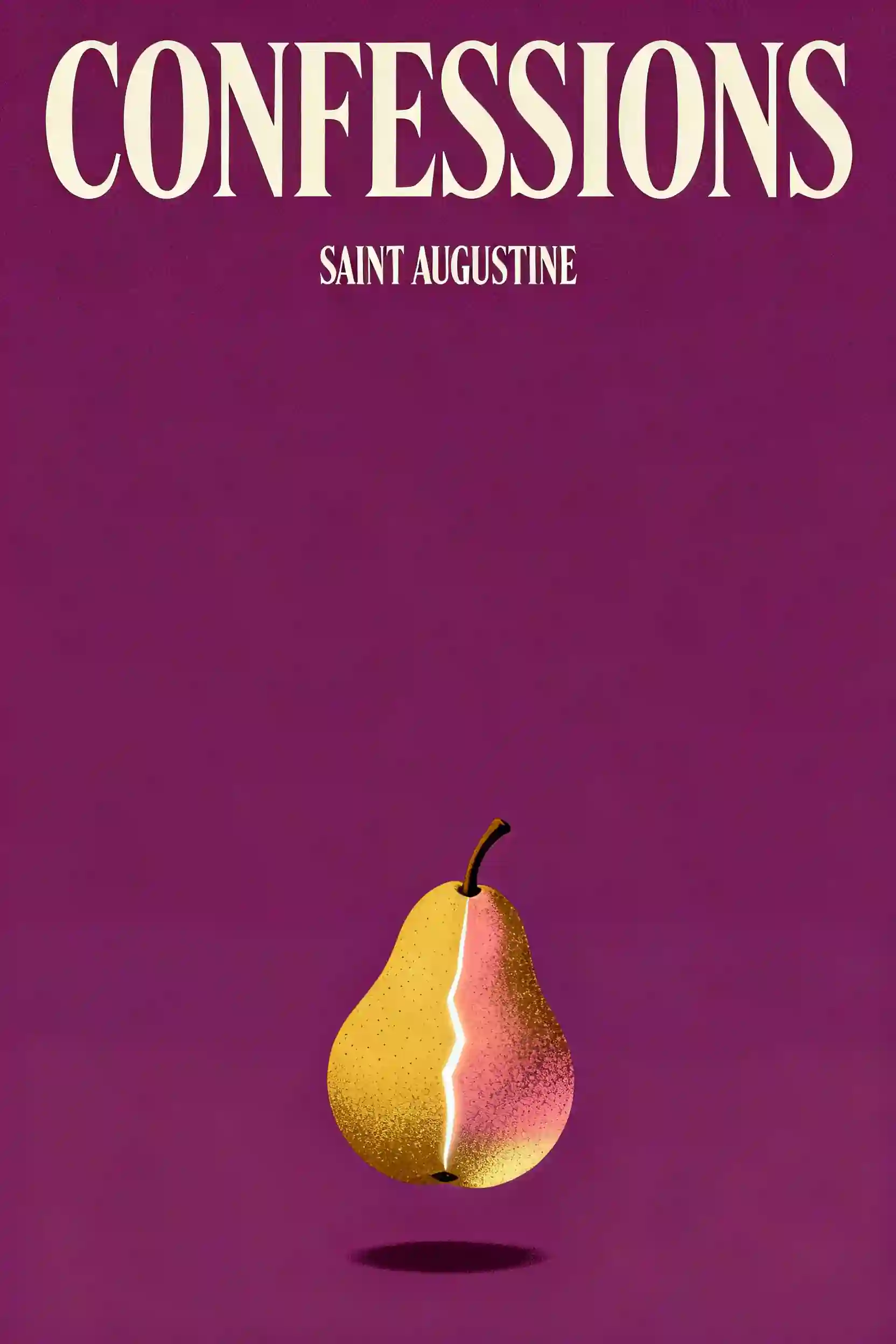
Augustine’s 'parental smacking' logic completely misses the 'long-suffering' and 'mercy' that defines God’s fatherhood in the New Testament. He essentially 'prostituted the Church to the Empire,' trading its prophetic voice for the tools of rulers: force, fear, and 'suitable rigor.'

This audio lesson was created by a BeFreed community member
What are the bad fruits of st. Augustine , I’m sure good came from his work. But what came from it directly that was violence or lack of mercy or try justice. Basically what came from his work that would not line up with the good father of scripture?

Frequently Asked Questions
St. Augustine of Hippo developed the Just War Theory to reconcile Christian faith with the state's use of force. While intended to limit conflict, critics argue this framework provided a theological justification for centuries of religious violence and state-sanctioned warfare. By defining conditions under which killing could be considered a 'just' act, Augustinian theology moved away from the radical pacifism of the early Church, leading many to question if these teachings align with the merciful nature of the Father described in scripture.
Theological critiques of St. Augustine often focus on his views regarding original sin, predestination, and the use of coercion in religious matters. Some scholars argue that his emphasis on human depravity and the necessity of state force to correct heretics lacks the mercy and true justice found in the Gospels. These 'bad fruits' are frequently contrasted with the compassionate teachings of Jesus, suggesting that Augustine’s influence on Church history introduced a more rigid and sometimes violent approach to doctrine and discipline.
Yes, later in his life, St. Augustine advocated for the state to use 'righteous persecution' against the Donatists, a schismatic Christian group. He interpreted the biblical phrase 'compel them to come in' as a mandate for using secular power to enforce religious unity. This shift in Augustinian theology is often cited as a foundational moment for the Inquisition and other forms of religious intolerance, representing a departure from the scriptural ideals of patience, persuasion, and unconditional mercy.
Discover more

DARK SYCHOLOGY AS DOMINEERANCE
DARK SYCHOLOGY AS DOMINEERANCE
In an era where influence is currency, understanding the mechanics of psychological subversion is essential for personal protection and strategic leadership. This plan is designed for professionals and individuals seeking to decode complex power dynamics and build a robust defense against manipulative personalities.

Explore Catholic tradition & medieval history
Explore Catholic tradition & medieval history
This learning plan provides critical insights into how Catholicism fundamentally shaped Western civilization through its religious doctrines, cultural practices, and political influence. Ideal for history enthusiasts, religious studies students, and anyone seeking to understand the medieval foundations of modern Western society.

Make better religious arguments
Make better religious arguments
In an era of increasing polarization, the ability to articulate faith through reason is a vital skill for clergy, students, and curious laypeople. This plan bridges the gap between ancient wisdom and modern skepticism, offering a structured path to mastering the art of theological discourse.
Master dark psych & stoicism (29 characters)
Master dark psych & stoicism (29 characters)
In a world of increasing manipulation and psychological pressure, combining Stoic philosophy with an understanding of dark psychology creates powerful mental protection. This plan equips you with both defensive awareness and offensive capabilities for navigating complex social dynamics with integrity.

Theology: Cognitive Science & Pre-Religion
Theology: Cognitive Science & Pre-Religion
This plan bridges the gap between neuroscience and spirituality, offering a rigorous look at why the human brain is wired for belief. It is ideal for students of theology, psychology, or anthropology seeking a scientific foundation for the origins of religious thought.
Dark manipulation methods
Dark manipulation methods
In an era of complex social dynamics, understanding the mechanics of psychological control is essential for self-protection. This plan is ideal for professionals and individuals seeking to safeguard their mental autonomy against predatory personality types and sophisticated influence tactics.
Study Pagan, Hellenic & Satanic Religions
Study Pagan, Hellenic & Satanic Religions
This learning plan provides a scholarly yet accessible deep dive into marginalized spiritualities that shaped Western history and modern counter-culture. It is ideal for students of theology, history, or practitioners seeking to ground their spiritual path in historical and philosophical context.
Study Christian origins and global parallels
Study Christian origins and global parallels
This learning plan provides a scholarly look at the historical and cultural forces that shaped one of the world's most influential faiths. It is ideal for students of history, theology, or sociology who want to understand the syncretism and global parallels that define early Christianity.
From Columbia University alumni built in San Francisco
"Instead of endless scrolling, I just hit play on BeFreed. It saves me so much time."


"I never knew where to start with nonfiction—BeFreed’s book lists turned into podcasts gave me a clear path."


"Perfect balance between learning and entertainment. Finished ‘Thinking, Fast and Slow’ on my commute this week."
"Crazy how much I learned while walking the dog. BeFreed = small habits → big gains."
"Reading used to feel like a chore. Now it’s just part of my lifestyle."

"Feels effortless compared to reading. I’ve finished 6 books this month already."
"BeFreed turned my guilty doomscrolling into something that feels productive and inspiring."

"BeFreed turned my commute into learning time. 20-min podcasts are perfect for finishing books I never had time for."
"BeFreed replaced my podcast queue. Imagine Spotify for books — that’s it. 🙌"

"It is great for me to learn something from the book without reading it."
"The themed book list podcasts help me connect ideas across authors—like a guided audio journey."
"Makes me feel smarter every time before going to work"
From Columbia University alumni built in San Francisco
"Instead of endless scrolling, I just hit play on BeFreed. It saves me so much time."
"I never knew where to start with nonfiction—BeFreed’s book lists turned into podcasts gave me a clear path."
"Perfect balance between learning and entertainment. Finished ‘Thinking, Fast and Slow’ on my commute this week."
"Crazy how much I learned while walking the dog. BeFreed = small habits → big gains."
"Reading used to feel like a chore. Now it’s just part of my lifestyle."
"Feels effortless compared to reading. I’ve finished 6 books this month already."
"BeFreed turned my guilty doomscrolling into something that feels productive and inspiring."
"BeFreed turned my commute into learning time. 20-min podcasts are perfect for finishing books I never had time for."
"BeFreed replaced my podcast queue. Imagine Spotify for books — that’s it. 🙌"
"It is great for me to learn something from the book without reading it."
"The themed book list podcasts help me connect ideas across authors—like a guided audio journey."
"Makes me feel smarter every time before going to work"
"Instead of endless scrolling, I just hit play on BeFreed. It saves me so much time."
"I never knew where to start with nonfiction—BeFreed’s book lists turned into podcasts gave me a clear path."
"Perfect balance between learning and entertainment. Finished ‘Thinking, Fast and Slow’ on my commute this week."
"Crazy how much I learned while walking the dog. BeFreed = small habits → big gains."
"Reading used to feel like a chore. Now it’s just part of my lifestyle."
"Feels effortless compared to reading. I’ve finished 6 books this month already."
"BeFreed turned my guilty doomscrolling into something that feels productive and inspiring."
"BeFreed turned my commute into learning time. 20-min podcasts are perfect for finishing books I never had time for."
"BeFreed replaced my podcast queue. Imagine Spotify for books — that’s it. 🙌"
"It is great for me to learn something from the book without reading it."
"The themed book list podcasts help me connect ideas across authors—like a guided audio journey."
"Makes me feel smarter every time before going to work"
"Instead of endless scrolling, I just hit play on BeFreed. It saves me so much time."
"I never knew where to start with nonfiction—BeFreed’s book lists turned into podcasts gave me a clear path."
"Perfect balance between learning and entertainment. Finished ‘Thinking, Fast and Slow’ on my commute this week."
"Crazy how much I learned while walking the dog. BeFreed = small habits → big gains."
"Reading used to feel like a chore. Now it’s just part of my lifestyle."
"Feels effortless compared to reading. I’ve finished 6 books this month already."
"BeFreed turned my guilty doomscrolling into something that feels productive and inspiring."
"BeFreed turned my commute into learning time. 20-min podcasts are perfect for finishing books I never had time for."
"BeFreed replaced my podcast queue. Imagine Spotify for books — that’s it. 🙌"
"It is great for me to learn something from the book without reading it."
"The themed book list podcasts help me connect ideas across authors—like a guided audio journey."
"Makes me feel smarter every time before going to work"


