
Spotting Deception and Exposing False Testimony
Most people are no better than a coin flip at detecting lies. Learn how to use micro-expressions and cognitive load to dismantle false narratives.

Best quote from Spotting Deception and Exposing False Testimony
The higher the stakes, the more 'leakage' we see. The truth has a way of trying to make itself known because our brains and bodies have to work against their own nature to sustain a falsehood.

This audio lesson was created by a BeFreed community member
I want to learn all about deception detection and how to uncover lies to expose the false testimony at my retrial.

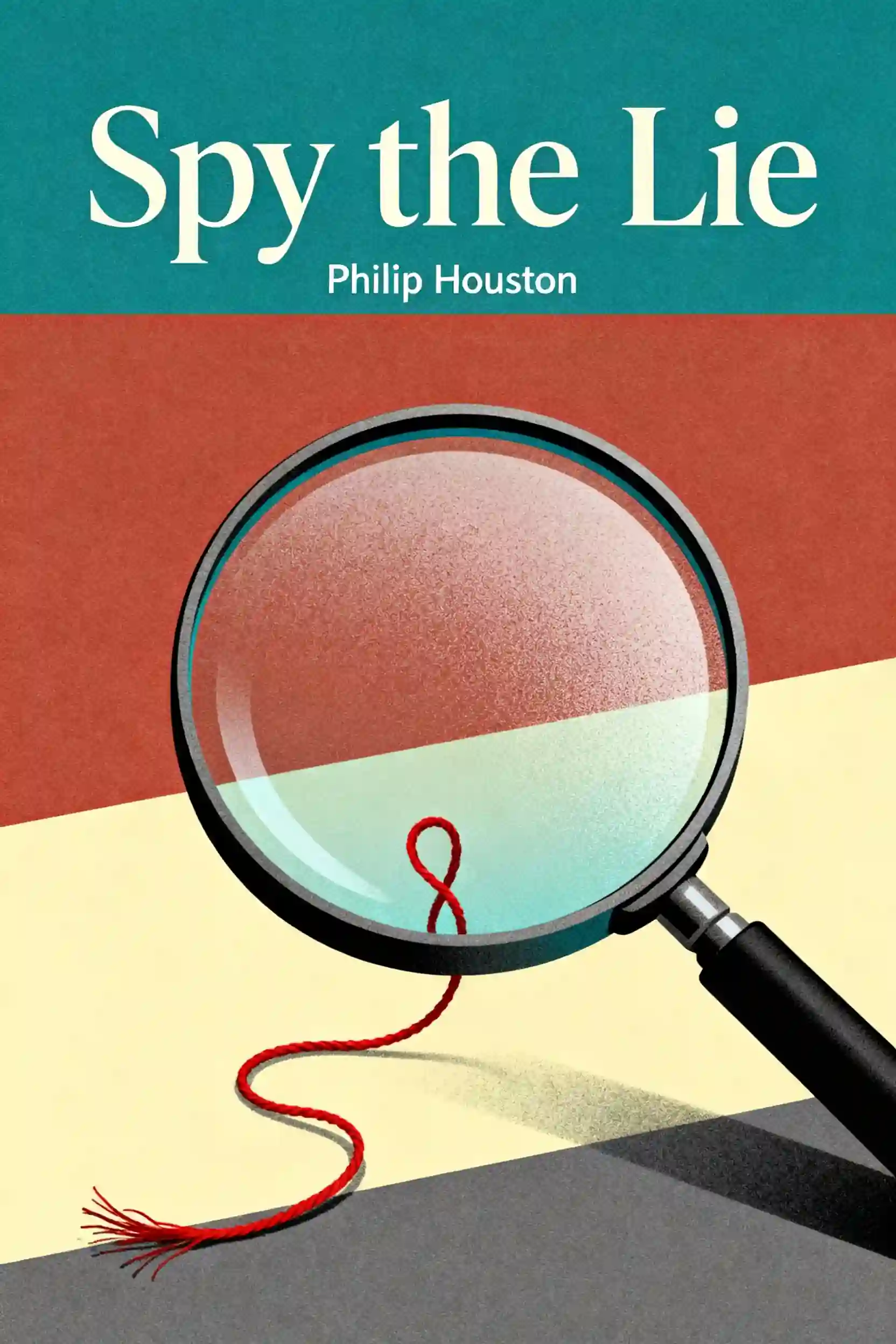
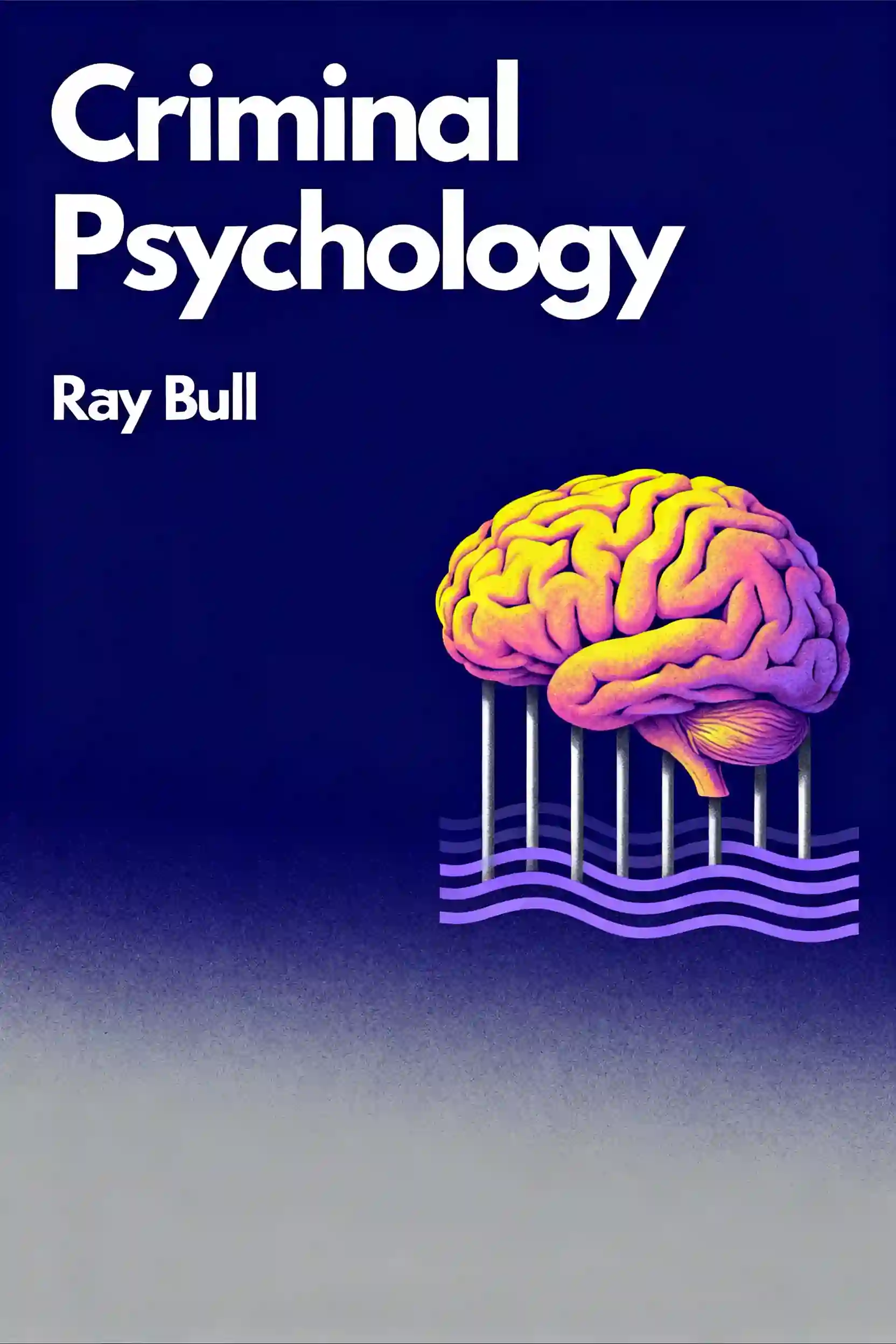
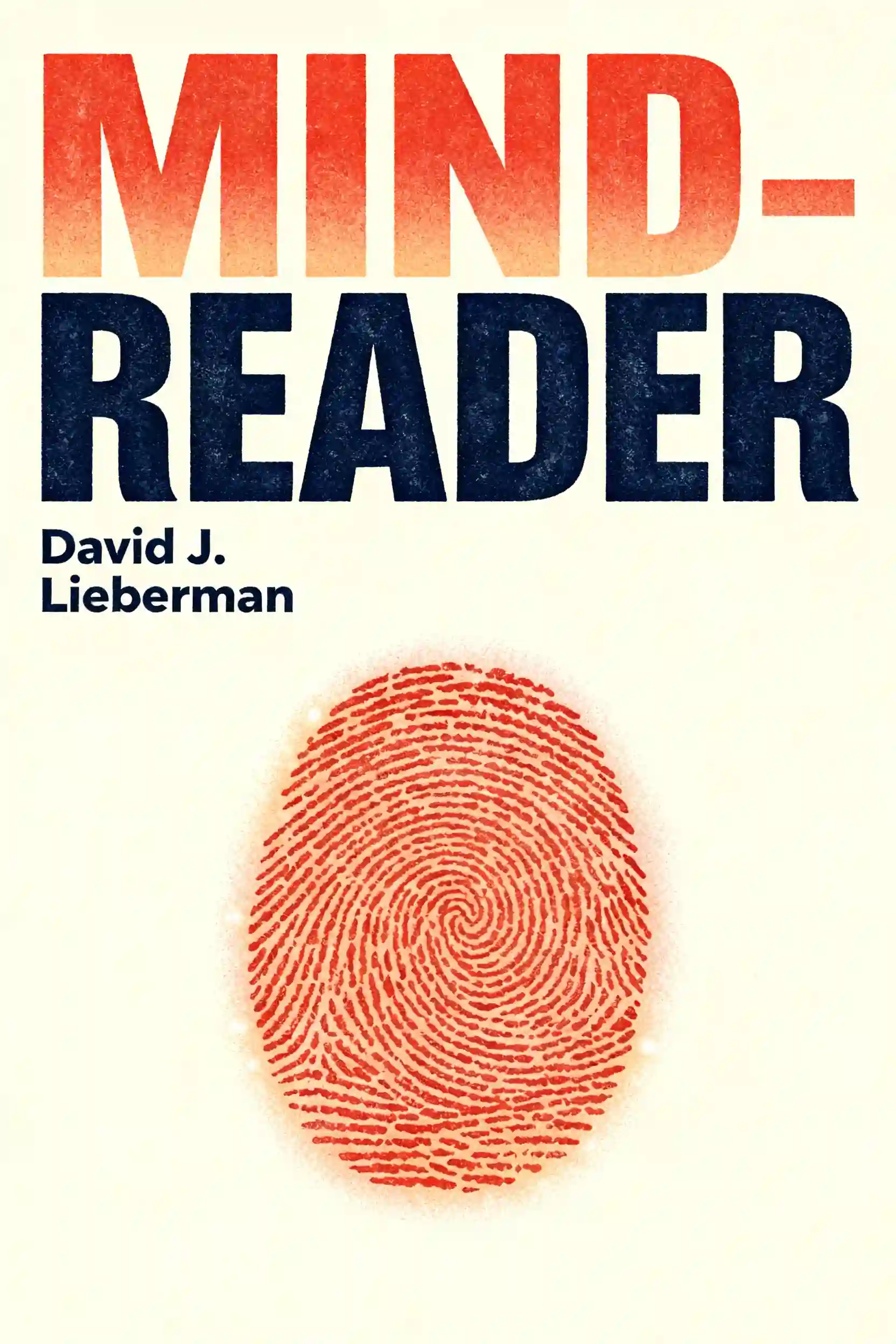
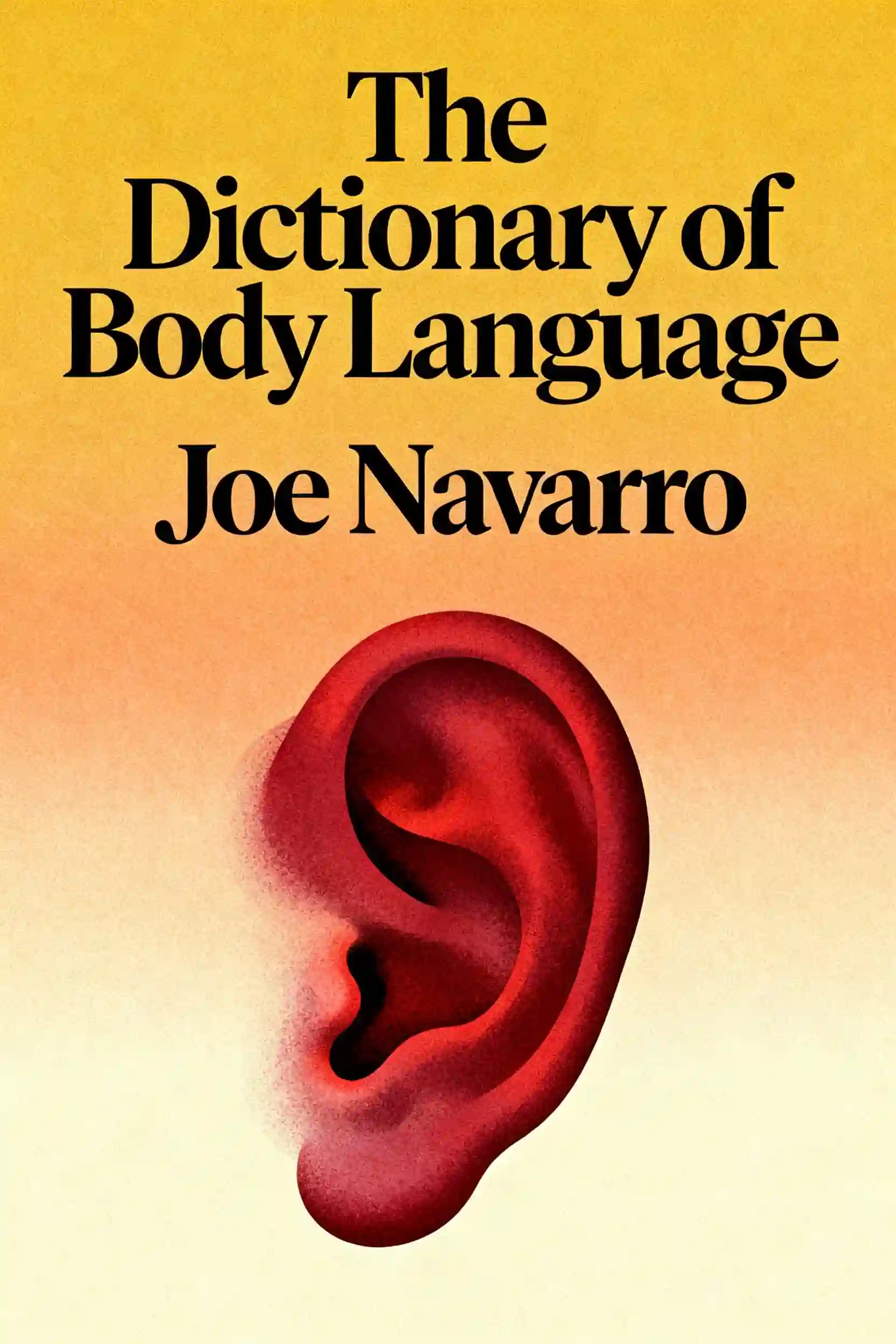
Frequently Asked Questions
Research shows that the average person has only a fifty-four percent success rate at spotting deception, which is essentially the same as flipping a coin. Most people focus on the wrong signals, such as eye contact, which is actually a poor indicator of truthfulness. In high-stakes legal environments like a retrial, relying on intuition rather than research-backed methods like psychophysiological detection can lead to dangerous mistakes.
PDD is the scientific term for polygraphy, and it operates on the principle that the autonomic nervous system produces involuntary physical responses when a person lies. When a witness is deceptive, their brain triggers a "fight-or-flight" response that releases adrenaline and cortisol. A PDD exam measures three specific channels: respiratory patterns, cardiovascular activity (blood pressure and pulse), and electrodermal responses (sweat gland activity in the fingertips).
Cognitive load refers to the mental strain caused by the fact that lying is much harder for the brain than telling the truth. A liar must simultaneously invent a story, suppress the truth, monitor the listener for suspicion, and control their own physical reactions. This mental overload often causes "information frugality," where the witness sticks to a very short, rigid script and avoids "low-salience" peripheral details that they haven't pre-rehearsed.
Micro-expressions are involuntary facial movements that flash for about a twenty-fifth of a second, representing "emotional leakage" from the limbic system. There are seven universal emotions—joy, sadness, fear, anger, surprise, disgust, and contempt—that are almost impossible to suppress. By identifying a "cluster" of these expressions that contradict a witness's spoken words, an attorney can pinpoint "hotspots" for more aggressive cross-examination to dismantle a false narrative.
A qualified expert should be a member of the American Polygraph Association (APA) and have graduated from an APA-accredited school. They must follow validated techniques and technical frameworks, such as ASTM International standards. It is also critical that the examiner remains neutral, provides a report that includes raw data and charts for peer review, and ensures the examinee is "suitable" for testing—meaning they are not in pain, overly fatigued, or under the influence of dampening medications.
Discover more

Spot manipulation in speech and media
Spot manipulation in speech and media
In an era of deepfakes and algorithmic bias, the ability to distinguish truth from influence is a vital survival skill. This plan is designed for anyone seeking to protect their autonomy against sophisticated media tactics and psychological manipulation.

Decode body language to spot lies
Decode body language to spot lies
Reading body language is a critical skill for anyone who wants to understand what people truly mean beyond their words—whether you're negotiating business deals, building relationships, or simply protecting yourself from manipulation. This comprehensive program is ideal for professionals in sales, leadership, law enforcement, HR, or anyone who wants to gain an edge in understanding human behavior and detecting when someone isn't being truthful.

Lying, deception, and compartmentalization
Lying, deception, and compartmentalization
Deception is a fundamental aspect of human psychology that impacts everything from personal relationships to societal structures. This learning plan helps individuals understand the mechanisms behind lying and compartmentalization, providing practical skills for detecting manipulation while exploring the ethical complexities of when deception might be justified or harmful.

Spot subtle signs of dislike
Spot subtle signs of dislike
In professional and personal settings, what people say often masks how they truly feel. This learning plan is essential for leaders, negotiators, and anyone looking to enhance their social intuition by mastering the science of nonverbal cues.

Mind reading
Mind reading
This learning plan bridges the gap between surface-level interaction and deep psychological insight, making it essential for leaders and communicators. It is designed for anyone looking to enhance their social intelligence and master the art of reading human behavior through scientific observation.
Resúmeme el libro mentira
Resúmeme el libro mentira
Este plan es esencial para quienes buscan protegerse de manipulaciones y mejorar su inteligencia emocional. Es ideal para profesionales de ventas, seguridad o cualquier persona interesada en descifrar la psicología del comportamiento humano.

Master doublespeak and veiled speech.
Master doublespeak and veiled speech.
In an era of information warfare, understanding the subtext of communication is a vital survival skill. This curriculum is designed for leaders, analysts, and communicators who need to navigate political discourse and protect themselves against sophisticated psychological manipulation.
Detective
Detective
This learning plan bridges the gap between fictional investigative brilliance and real-world forensic application. It is ideal for aspiring investigators, true crime enthusiasts, or anyone looking to sharpen their analytical and psychological profiling skills.
From Columbia University alumni built in San Francisco
"Instead of endless scrolling, I just hit play on BeFreed. It saves me so much time."


"I never knew where to start with nonfiction—BeFreed’s book lists turned into podcasts gave me a clear path."


"Perfect balance between learning and entertainment. Finished ‘Thinking, Fast and Slow’ on my commute this week."
"Crazy how much I learned while walking the dog. BeFreed = small habits → big gains."
"Reading used to feel like a chore. Now it’s just part of my lifestyle."

"Feels effortless compared to reading. I’ve finished 6 books this month already."
"BeFreed turned my guilty doomscrolling into something that feels productive and inspiring."

"BeFreed turned my commute into learning time. 20-min podcasts are perfect for finishing books I never had time for."
"BeFreed replaced my podcast queue. Imagine Spotify for books — that’s it. 🙌"

"It is great for me to learn something from the book without reading it."
"The themed book list podcasts help me connect ideas across authors—like a guided audio journey."
"Makes me feel smarter every time before going to work"
From Columbia University alumni built in San Francisco
"Instead of endless scrolling, I just hit play on BeFreed. It saves me so much time."
"I never knew where to start with nonfiction—BeFreed’s book lists turned into podcasts gave me a clear path."
"Perfect balance between learning and entertainment. Finished ‘Thinking, Fast and Slow’ on my commute this week."
"Crazy how much I learned while walking the dog. BeFreed = small habits → big gains."
"Reading used to feel like a chore. Now it’s just part of my lifestyle."
"Feels effortless compared to reading. I’ve finished 6 books this month already."
"BeFreed turned my guilty doomscrolling into something that feels productive and inspiring."
"BeFreed turned my commute into learning time. 20-min podcasts are perfect for finishing books I never had time for."
"BeFreed replaced my podcast queue. Imagine Spotify for books — that’s it. 🙌"
"It is great for me to learn something from the book without reading it."
"The themed book list podcasts help me connect ideas across authors—like a guided audio journey."
"Makes me feel smarter every time before going to work"
"Instead of endless scrolling, I just hit play on BeFreed. It saves me so much time."
"I never knew where to start with nonfiction—BeFreed’s book lists turned into podcasts gave me a clear path."
"Perfect balance between learning and entertainment. Finished ‘Thinking, Fast and Slow’ on my commute this week."
"Crazy how much I learned while walking the dog. BeFreed = small habits → big gains."
"Reading used to feel like a chore. Now it’s just part of my lifestyle."
"Feels effortless compared to reading. I’ve finished 6 books this month already."
"BeFreed turned my guilty doomscrolling into something that feels productive and inspiring."
"BeFreed turned my commute into learning time. 20-min podcasts are perfect for finishing books I never had time for."
"BeFreed replaced my podcast queue. Imagine Spotify for books — that’s it. 🙌"
"It is great for me to learn something from the book without reading it."
"The themed book list podcasts help me connect ideas across authors—like a guided audio journey."
"Makes me feel smarter every time before going to work"
"Instead of endless scrolling, I just hit play on BeFreed. It saves me so much time."
"I never knew where to start with nonfiction—BeFreed’s book lists turned into podcasts gave me a clear path."
"Perfect balance between learning and entertainment. Finished ‘Thinking, Fast and Slow’ on my commute this week."
"Crazy how much I learned while walking the dog. BeFreed = small habits → big gains."
"Reading used to feel like a chore. Now it’s just part of my lifestyle."
"Feels effortless compared to reading. I’ve finished 6 books this month already."
"BeFreed turned my guilty doomscrolling into something that feels productive and inspiring."
"BeFreed turned my commute into learning time. 20-min podcasts are perfect for finishing books I never had time for."
"BeFreed replaced my podcast queue. Imagine Spotify for books — that’s it. 🙌"
"It is great for me to learn something from the book without reading it."
"The themed book list podcasts help me connect ideas across authors—like a guided audio journey."
"Makes me feel smarter every time before going to work"


