
Social skills and the truth about the liking gap
We often feel awkward after meeting new people, but you're liked more than you think. Learn how to improve your social intelligence for better rapport.

Best quote from Social skills and the truth about the liking gap
The 'Liking Gap' is a psychological phenomenon where we systematically underestimate how much people actually like us after a conversation. Our inner critics are usually lying to us, and research shows that people are generally much more impressed by our presence than we believe.

This audio lesson was created by a BeFreed community member
Social skills and interactions with other people professionally or as a friend

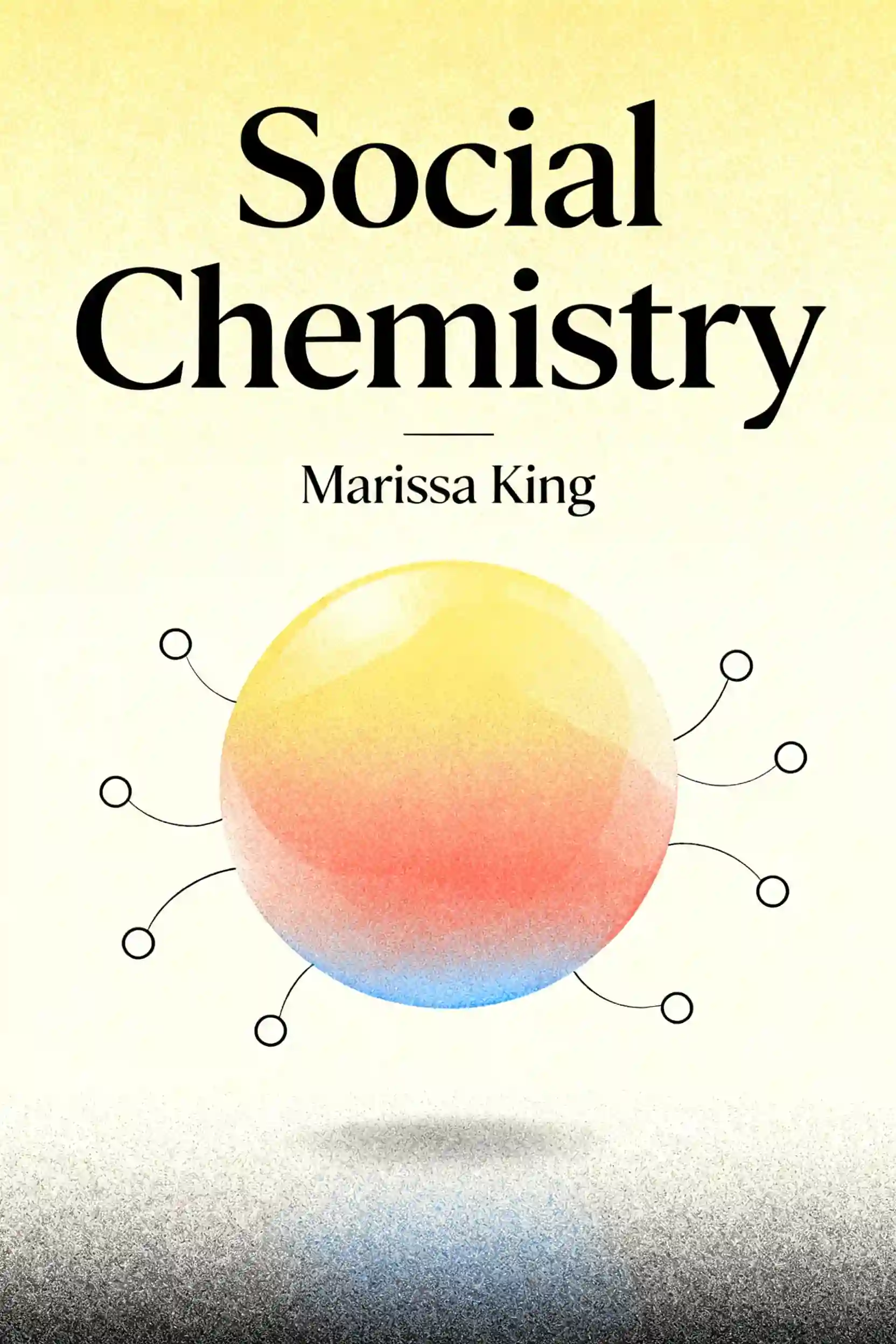
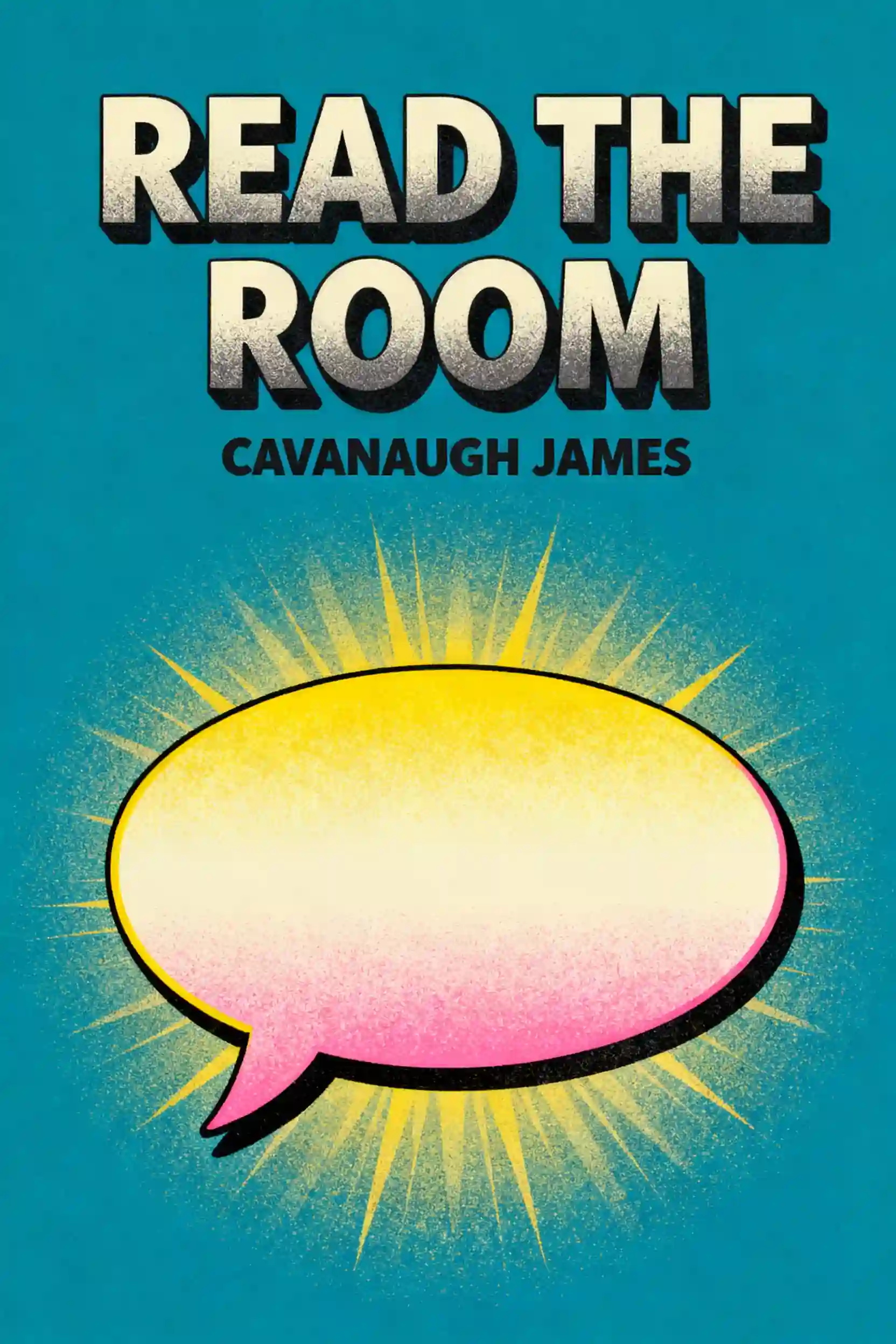
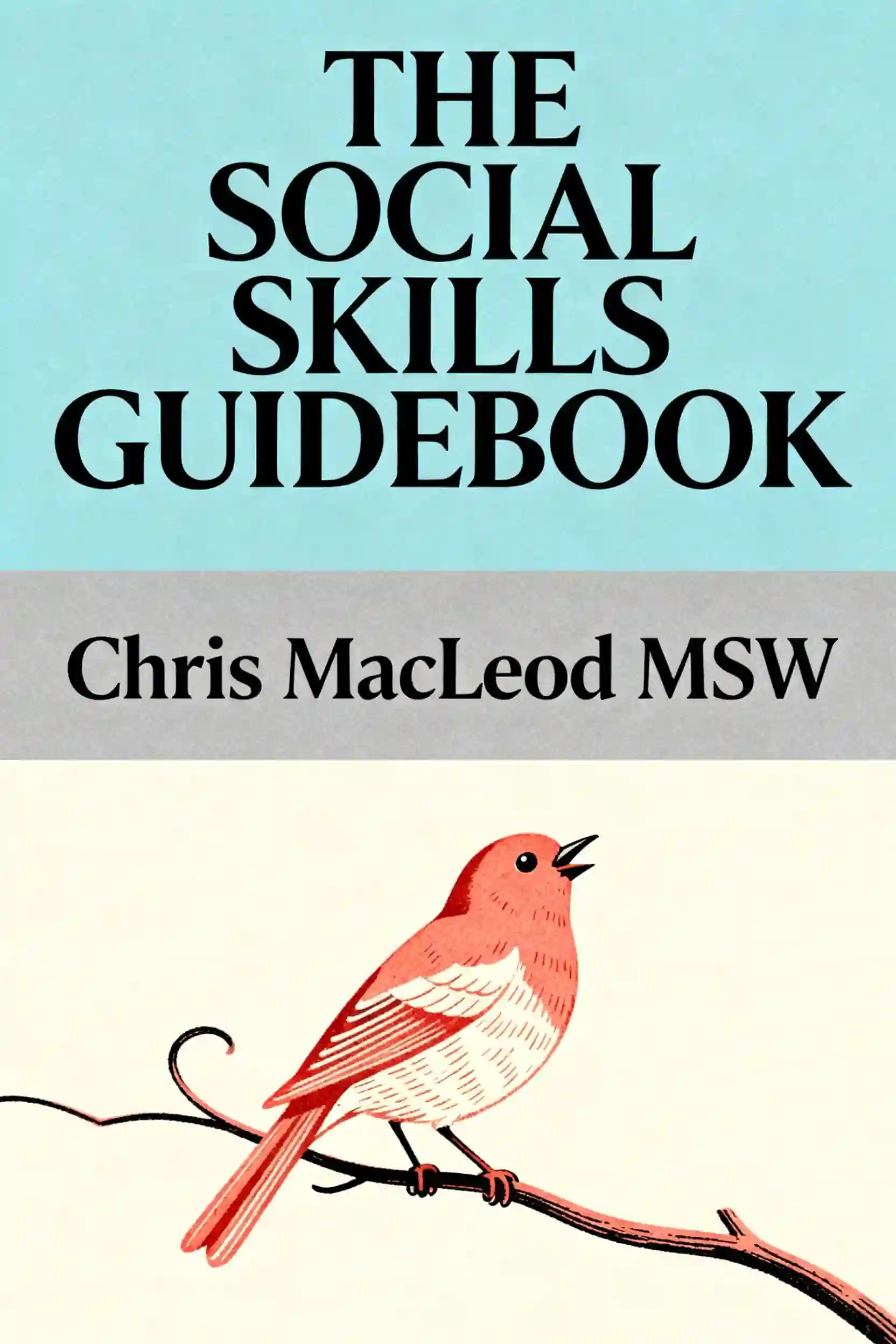
Frequently Asked Questions
The Liking Gap is a psychological phenomenon where people systematically underestimate how much others actually like them after a conversation. Research indicates that even after lengthy interactions, individuals often walk away feeling they were more awkward than they truly were. Understanding this gap helps silence the "inner critic" and provides the social courage needed to initiate and maintain connections, knowing that the other person likely enjoyed the interaction more than we assume.
Neuroscience shows that the brain does not distinguish between social pain and physical injury. When a person is excluded or ignored, the same neural circuits activate as when they suffer a physical wound. Because humans are biologically hardwired for connection as a survival mechanism, isolation can create a physical craving indistinguishable from hunger, and chronic loneliness can be as damaging to health as smoking fifteen cigarettes a day.
To move a relationship beyond a specific setting, you must utilize the "Context Switch." While you may spend forty hours a week with a colleague, those hours count less toward friendship than "hangout" hours spent outside the original environment. Inviting a coworker to a different setting, such as a lunch, a hike, or a coffee date, signals that you value them as an individual. This transition is often easier when using the "Something Borrowed" technique—asking for a small favor or recommendation to build rapport and trust.
The 11-6-3 Rule describes the investment required to form a solid bond: it typically takes eleven separate interactions, each lasting about three hours, over the course of six months. This highlights that adult friendships and professional trust grow slowly through accumulated time rather than instant "clicks." Because spontaneity is harder for adults, becoming a "Relational Ritualist" by scheduling consistent social maintenance is essential to prevent the "culture of busyness" from eroding these connections.
Social mindfulness involves catching yourself when you start creating negative "stories" about a situation, such as assuming a friend is mad because they haven't texted back. Instead of jumping to conclusions, you practice generating multiple neutral explanations. It also involves deep listening and "capitalization"—responding to others' good news with genuine enthusiasm and follow-up questions. This practice creates "psychological safety," allowing others to feel seen and heard without the fear of being judged or immediately "fixed."
Discover more

Social skills
Social skills
Strong social skills are the foundation of personal and professional success, yet many struggle with confidence in social settings. This learning plan helps anyone looking to transform awkward interactions into meaningful connections, enhance their emotional intelligence, and develop the leadership presence that opens doors in all areas of life.

Improve social skills and small talk
Improve social skills and small talk
In an increasingly digital world, the ability to build face-to-face rapport is a vital competitive advantage for personal and professional success. This plan is designed for anyone looking to replace social awkwardness with authentic charisma and a commanding presence.

Master socializing, small talk & confidence
Master socializing, small talk & confidence
Strong communication and social skills are essential for success in both personal relationships and professional environments, yet many people struggle with confidence and knowing how to connect authentically. This comprehensive learning plan is ideal for anyone looking to overcome social awkwardness, build meaningful relationships, advance their career through better networking, or simply feel more comfortable and confident in everyday interactions.

Use psychology to boost social attraction
Use psychology to boost social attraction
In an era of digital disconnection, understanding the science of human bonding is a vital competitive advantage. This plan is designed for anyone looking to enhance their professional networking, dating life, or social confidence by mastering the psychological mechanics of likability.

Read social cues to attract more people
Read social cues to attract more people
Social connection is fundamental to human happiness and success, yet many people struggle to read the unspoken signals that govern relationships. This learning plan is perfect for anyone who feels they miss social cues, wants to build deeper connections, or wishes they were more naturally likable in both personal and professional settings.
better at communication and increase my rizz
better at communication and increase my rizz
In today’s world, social intelligence is a superpower that opens doors to both personal and professional success. This plan is designed for anyone looking to boost their confidence, master the nuances of attraction, and transform their daily interactions into meaningful connections.
Become attractive despite natural awkwardness
Become attractive despite natural awkwardness
Social awkwardness often masks genuine qualities that can become attractive strengths when properly channeled. This learning plan helps naturally awkward individuals transform their social interactions without pretending to be someone else, making authentic connections possible for those who've struggled with social confidence.
From Columbia University alumni built in San Francisco
"Instead of endless scrolling, I just hit play on BeFreed. It saves me so much time."


"I never knew where to start with nonfiction—BeFreed’s book lists turned into podcasts gave me a clear path."


"Perfect balance between learning and entertainment. Finished ‘Thinking, Fast and Slow’ on my commute this week."
"Crazy how much I learned while walking the dog. BeFreed = small habits → big gains."
"Reading used to feel like a chore. Now it’s just part of my lifestyle."

"Feels effortless compared to reading. I’ve finished 6 books this month already."
"BeFreed turned my guilty doomscrolling into something that feels productive and inspiring."

"BeFreed turned my commute into learning time. 20-min podcasts are perfect for finishing books I never had time for."
"BeFreed replaced my podcast queue. Imagine Spotify for books — that’s it. 🙌"

"It is great for me to learn something from the book without reading it."
"The themed book list podcasts help me connect ideas across authors—like a guided audio journey."
"Makes me feel smarter every time before going to work"
From Columbia University alumni built in San Francisco
"Instead of endless scrolling, I just hit play on BeFreed. It saves me so much time."
"I never knew where to start with nonfiction—BeFreed’s book lists turned into podcasts gave me a clear path."
"Perfect balance between learning and entertainment. Finished ‘Thinking, Fast and Slow’ on my commute this week."
"Crazy how much I learned while walking the dog. BeFreed = small habits → big gains."
"Reading used to feel like a chore. Now it’s just part of my lifestyle."
"Feels effortless compared to reading. I’ve finished 6 books this month already."
"BeFreed turned my guilty doomscrolling into something that feels productive and inspiring."
"BeFreed turned my commute into learning time. 20-min podcasts are perfect for finishing books I never had time for."
"BeFreed replaced my podcast queue. Imagine Spotify for books — that’s it. 🙌"
"It is great for me to learn something from the book without reading it."
"The themed book list podcasts help me connect ideas across authors—like a guided audio journey."
"Makes me feel smarter every time before going to work"
"Instead of endless scrolling, I just hit play on BeFreed. It saves me so much time."
"I never knew where to start with nonfiction—BeFreed’s book lists turned into podcasts gave me a clear path."
"Perfect balance between learning and entertainment. Finished ‘Thinking, Fast and Slow’ on my commute this week."
"Crazy how much I learned while walking the dog. BeFreed = small habits → big gains."
"Reading used to feel like a chore. Now it’s just part of my lifestyle."
"Feels effortless compared to reading. I’ve finished 6 books this month already."
"BeFreed turned my guilty doomscrolling into something that feels productive and inspiring."
"BeFreed turned my commute into learning time. 20-min podcasts are perfect for finishing books I never had time for."
"BeFreed replaced my podcast queue. Imagine Spotify for books — that’s it. 🙌"
"It is great for me to learn something from the book without reading it."
"The themed book list podcasts help me connect ideas across authors—like a guided audio journey."
"Makes me feel smarter every time before going to work"
"Instead of endless scrolling, I just hit play on BeFreed. It saves me so much time."
"I never knew where to start with nonfiction—BeFreed’s book lists turned into podcasts gave me a clear path."
"Perfect balance between learning and entertainment. Finished ‘Thinking, Fast and Slow’ on my commute this week."
"Crazy how much I learned while walking the dog. BeFreed = small habits → big gains."
"Reading used to feel like a chore. Now it’s just part of my lifestyle."
"Feels effortless compared to reading. I’ve finished 6 books this month already."
"BeFreed turned my guilty doomscrolling into something that feels productive and inspiring."
"BeFreed turned my commute into learning time. 20-min podcasts are perfect for finishing books I never had time for."
"BeFreed replaced my podcast queue. Imagine Spotify for books — that’s it. 🙌"
"It is great for me to learn something from the book without reading it."
"The themed book list podcasts help me connect ideas across authors—like a guided audio journey."
"Makes me feel smarter every time before going to work"


