
Smart Meters: The Silent Home Invaders
Explore how digital smart meters may be impacting both your wallet and wellbeing, as millions are installed nationwide despite growing resistance. We examine the controversy between utility company claims and health concerns.

Best quote from Smart Meters: The Silent Home Invaders
This technology is being imposed on people without their consent, often without even their knowledge. It’s like being charged for the privilege of being surveilled and potentially harmed.

This audio lesson was created by a BeFreed community member
Write me a story on how government uses electronic digital house meters for the electric companies to destroy not only our finances, but these meters actually interfere with the electrons and protons of our body and destroy our health so write me a story about how these electric companies can get away with raising rates using meters for ripping people off and how we can bypass this with government agencies to have oversight over them

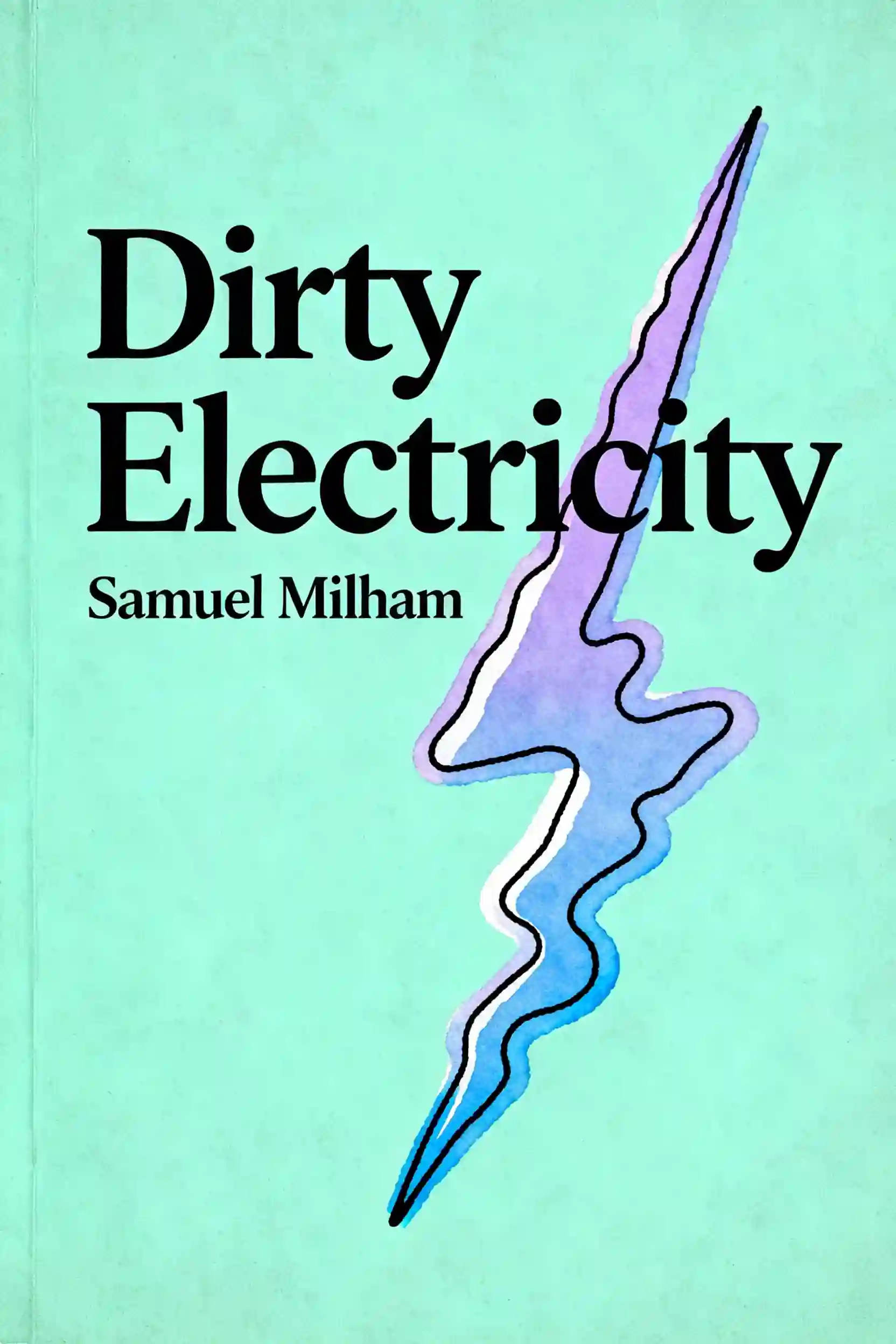
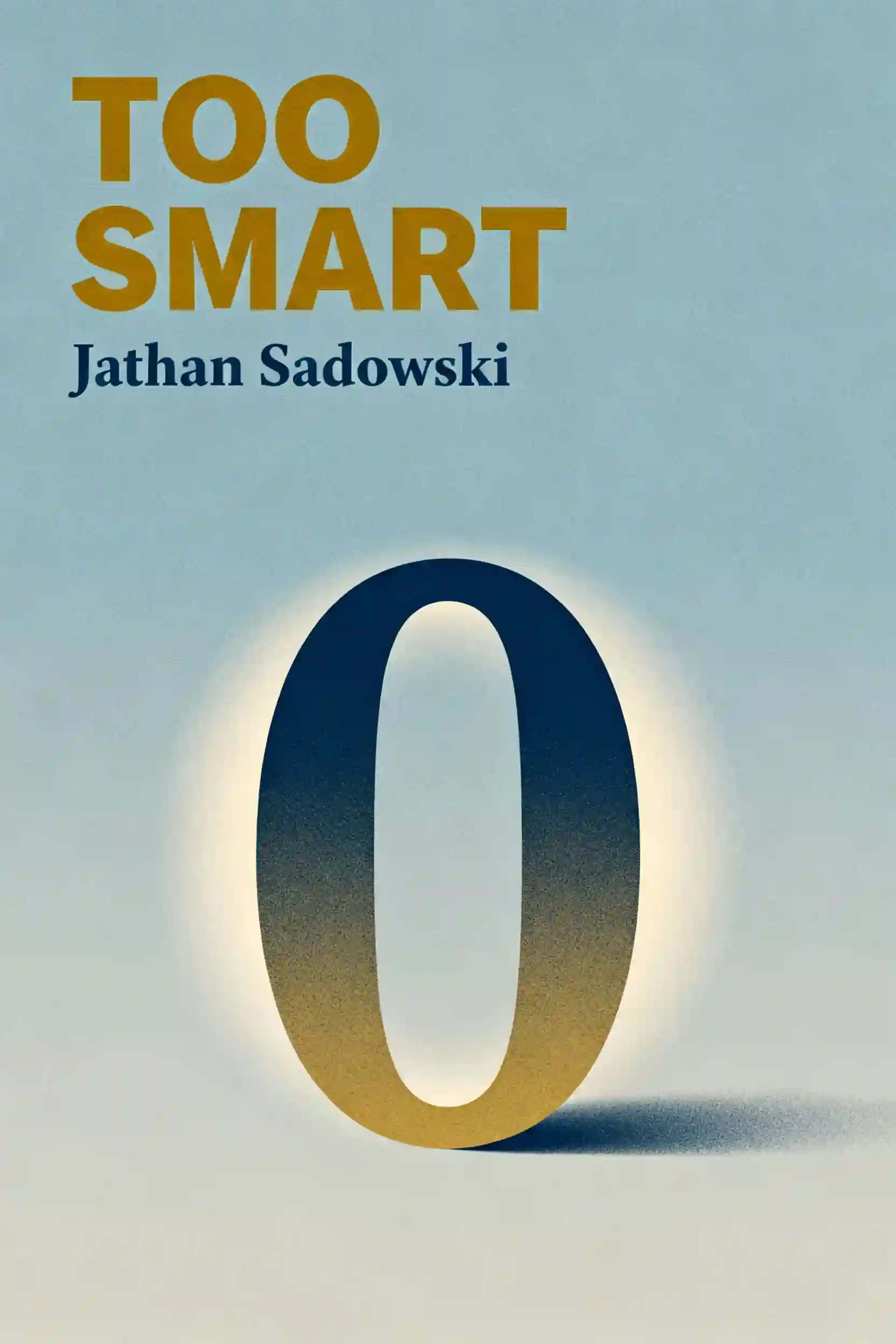
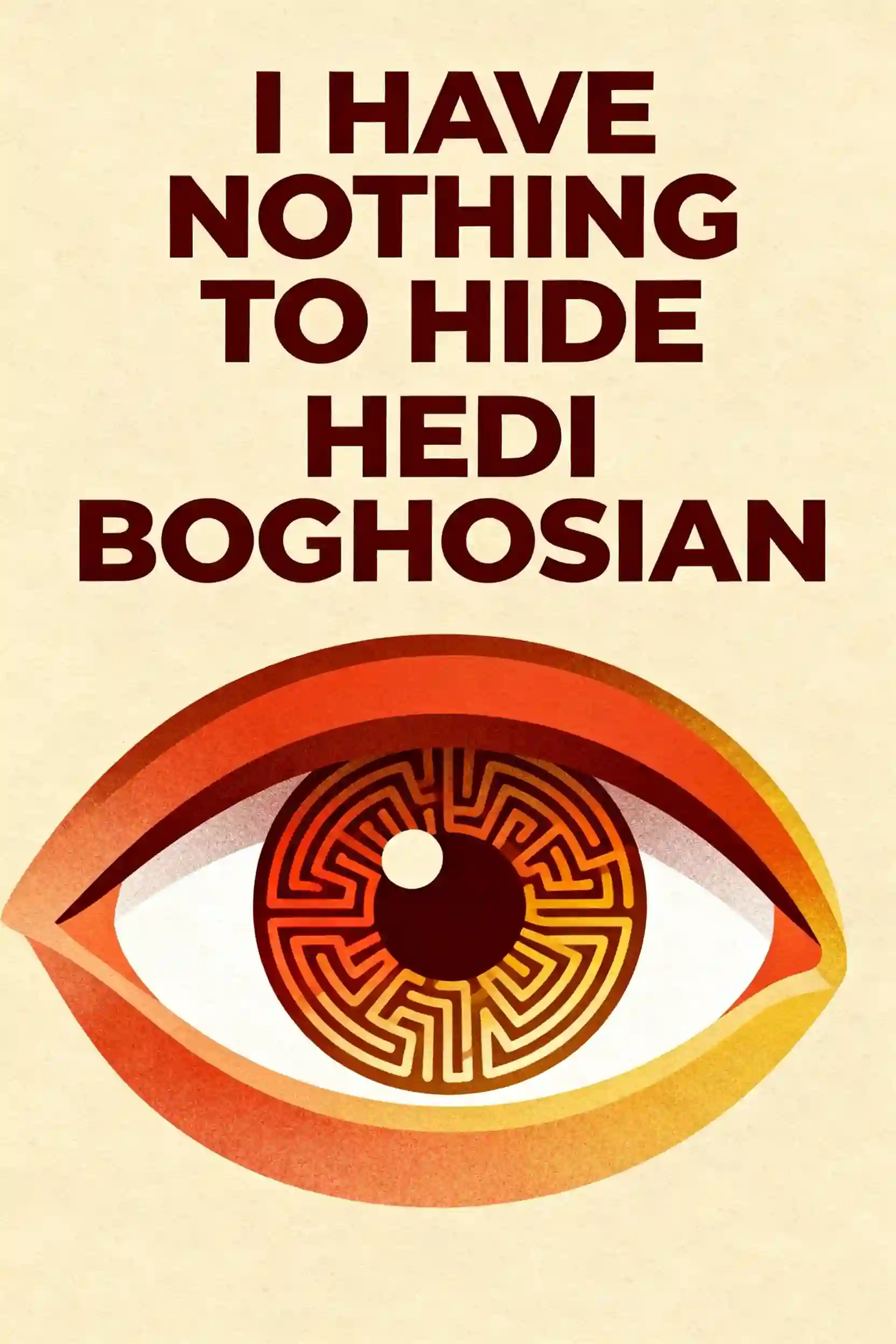
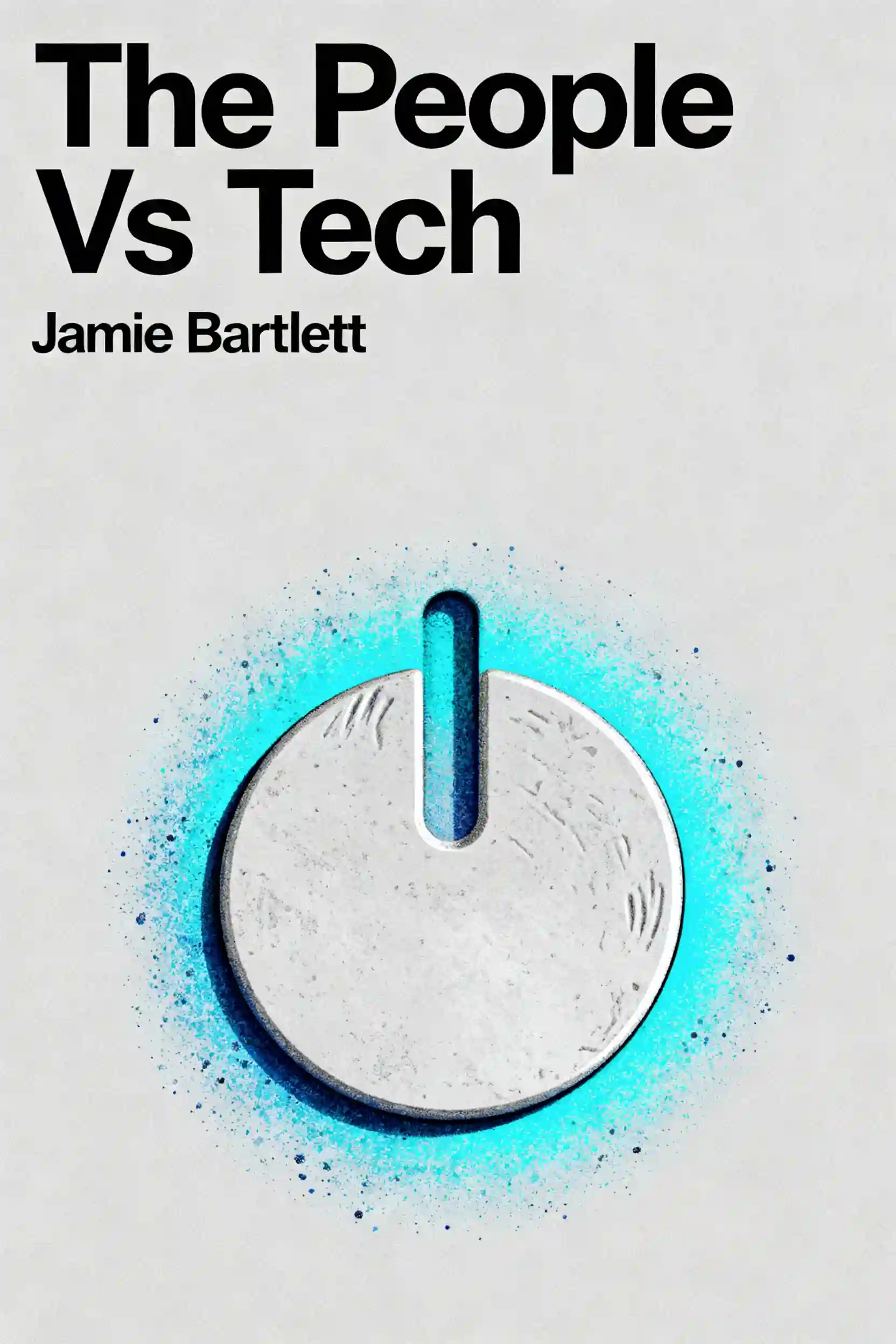
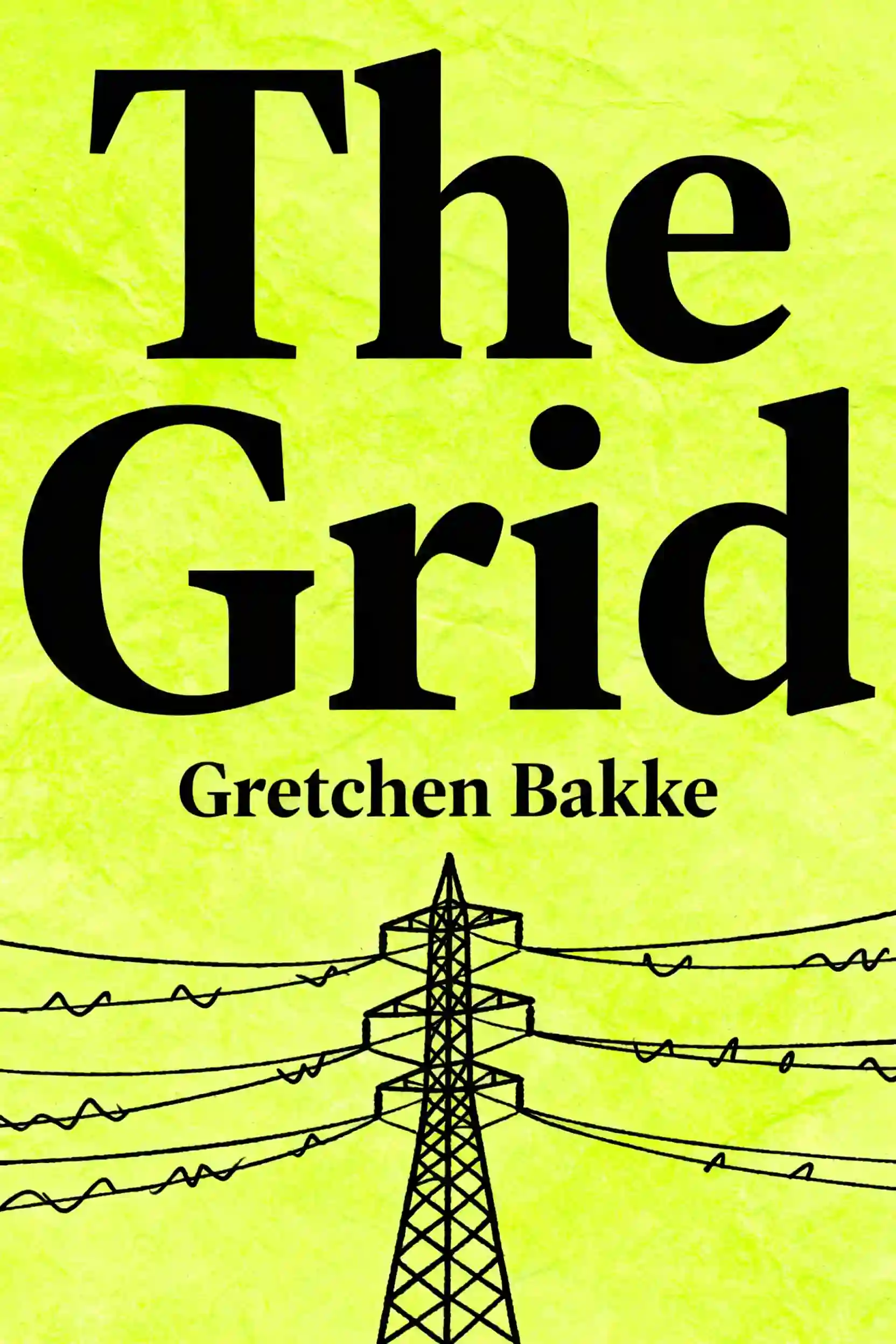
Discover more

Save on my energy bill
Save on my energy bill
Energy costs represent a significant portion of household expenses, yet most people lack the knowledge to effectively reduce their bills. This learning plan is ideal for homeowners, renters, and anyone seeking to gain control over rising utility costs while building skills that deliver both immediate savings and long-term financial benefits through strategic energy management.

Tech, Environment & Mental Health Interests
Tech, Environment & Mental Health Interests
In an era of digital saturation and climate uncertainty, this plan offers a vital intersection of personal wellbeing and global responsibility. It is designed for conscious individuals looking to balance tech usage with mental health while adopting sustainable habits for a greener future.

Learning how to read electric technologies
Learning how to read electric technologies
As our world becomes increasingly electrified, understanding the systems powering our lives is a vital technical literacy. This plan is ideal for curious minds, aspiring engineers, or tech professionals looking to bridge the gap between basic circuitry and advanced energy innovations.
Social media effects review
Social media effects review
Social media has become deeply embedded in daily life, yet most users remain unaware of its engineered design and far-reaching consequences on mental health and society. This learning plan is essential for anyone who uses social media and wants to understand its true impact while developing practical strategies to navigate the digital world more mindfully and intentionally.
Spot hidden habits killing productivity
Spot hidden habits killing productivity
In an era of constant digital noise, traditional time management is no longer enough to stay effective. This plan is designed for professionals and students who feel busy but unproductive, offering the tools to reclaim focus and master cognitive energy.

Plumbing ect
Plumbing ect
This learning plan is essential for homeowners and renters who want to take control of their living spaces and avoid expensive emergency plumber calls. Whether you're buying your first home, want to become more self-reliant, or simply tired of paying hundreds of dollars for simple fixes, these skills provide both immediate cost savings and long-term confidence in managing one of your home's most critical systems.
Dark manipulation methods
Dark manipulation methods
In an era of complex social dynamics, understanding the mechanics of psychological control is essential for self-protection. This plan is ideal for professionals and individuals seeking to safeguard their mental autonomy against predatory personality types and sophisticated influence tactics.
Explore Tech, Eco, Habits & Psychology
Explore Tech, Eco, Habits & Psychology
In an era of rapid digital and environmental change, understanding the intersection of technology, human behavior, and ecology is essential for future-proofing your life. This plan is designed for curious professionals and lifelong learners who want to master their habits while navigating a complex, tech-driven world.
From Columbia University alumni built in San Francisco
"Instead of endless scrolling, I just hit play on BeFreed. It saves me so much time."


"I never knew where to start with nonfiction—BeFreed’s book lists turned into podcasts gave me a clear path."


"Perfect balance between learning and entertainment. Finished ‘Thinking, Fast and Slow’ on my commute this week."
"Crazy how much I learned while walking the dog. BeFreed = small habits → big gains."
"Reading used to feel like a chore. Now it’s just part of my lifestyle."

"Feels effortless compared to reading. I’ve finished 6 books this month already."
"BeFreed turned my guilty doomscrolling into something that feels productive and inspiring."

"BeFreed turned my commute into learning time. 20-min podcasts are perfect for finishing books I never had time for."
"BeFreed replaced my podcast queue. Imagine Spotify for books — that’s it. 🙌"

"It is great for me to learn something from the book without reading it."
"The themed book list podcasts help me connect ideas across authors—like a guided audio journey."
"Makes me feel smarter every time before going to work"
From Columbia University alumni built in San Francisco
"Instead of endless scrolling, I just hit play on BeFreed. It saves me so much time."
"I never knew where to start with nonfiction—BeFreed’s book lists turned into podcasts gave me a clear path."
"Perfect balance between learning and entertainment. Finished ‘Thinking, Fast and Slow’ on my commute this week."
"Crazy how much I learned while walking the dog. BeFreed = small habits → big gains."
"Reading used to feel like a chore. Now it’s just part of my lifestyle."
"Feels effortless compared to reading. I’ve finished 6 books this month already."
"BeFreed turned my guilty doomscrolling into something that feels productive and inspiring."
"BeFreed turned my commute into learning time. 20-min podcasts are perfect for finishing books I never had time for."
"BeFreed replaced my podcast queue. Imagine Spotify for books — that’s it. 🙌"
"It is great for me to learn something from the book without reading it."
"The themed book list podcasts help me connect ideas across authors—like a guided audio journey."
"Makes me feel smarter every time before going to work"
"Instead of endless scrolling, I just hit play on BeFreed. It saves me so much time."
"I never knew where to start with nonfiction—BeFreed’s book lists turned into podcasts gave me a clear path."
"Perfect balance between learning and entertainment. Finished ‘Thinking, Fast and Slow’ on my commute this week."
"Crazy how much I learned while walking the dog. BeFreed = small habits → big gains."
"Reading used to feel like a chore. Now it’s just part of my lifestyle."
"Feels effortless compared to reading. I’ve finished 6 books this month already."
"BeFreed turned my guilty doomscrolling into something that feels productive and inspiring."
"BeFreed turned my commute into learning time. 20-min podcasts are perfect for finishing books I never had time for."
"BeFreed replaced my podcast queue. Imagine Spotify for books — that’s it. 🙌"
"It is great for me to learn something from the book without reading it."
"The themed book list podcasts help me connect ideas across authors—like a guided audio journey."
"Makes me feel smarter every time before going to work"
"Instead of endless scrolling, I just hit play on BeFreed. It saves me so much time."
"I never knew where to start with nonfiction—BeFreed’s book lists turned into podcasts gave me a clear path."
"Perfect balance between learning and entertainment. Finished ‘Thinking, Fast and Slow’ on my commute this week."
"Crazy how much I learned while walking the dog. BeFreed = small habits → big gains."
"Reading used to feel like a chore. Now it’s just part of my lifestyle."
"Feels effortless compared to reading. I’ve finished 6 books this month already."
"BeFreed turned my guilty doomscrolling into something that feels productive and inspiring."
"BeFreed turned my commute into learning time. 20-min podcasts are perfect for finishing books I never had time for."
"BeFreed replaced my podcast queue. Imagine Spotify for books — that’s it. 🙌"
"It is great for me to learn something from the book without reading it."
"The themed book list podcasts help me connect ideas across authors—like a guided audio journey."
"Makes me feel smarter every time before going to work"


![Mold Remediation Safety Protocols: Rules & Standards [Guide]](/_next/image?url=https%3A%2F%2Fd1y2du6z1jfm9e.cloudfront.net%2Fassets%2Fpodcast%2Fgreen.png&w=1024&q=50)


