
Small Retreats, Big Revenue: $300K+ Blueprint
Discover how retreat leaders scale to $300K+ annually using the 'Small Events, Big Back End' model - where intimate transformational experiences become the gateway to high-value recurring revenue programs.

Best quote from Small Retreats, Big Revenue: $300K+ Blueprint
The retreat is actually just the front door. The real goldmine is the 'Big Back End'—those monthly recurring revenue programs that keep people engaged for a year or more after the retreat ends.

This audio lesson was created by a BeFreed community member
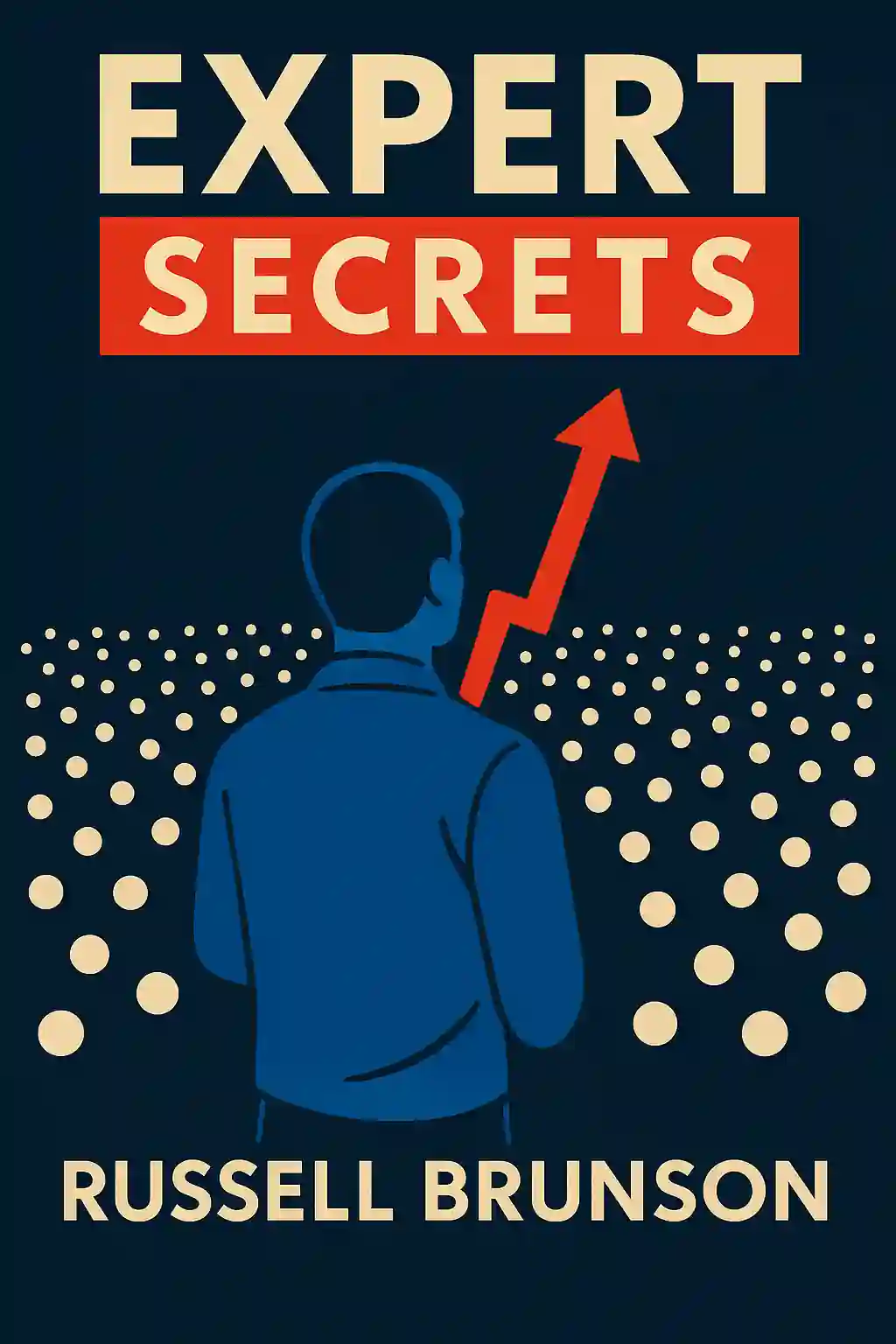
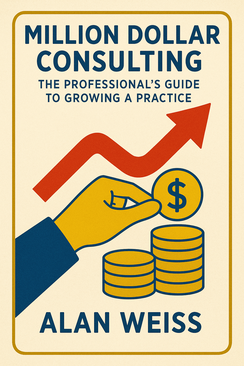
How to ramp and scale personal transformation retreats that make over $300,000 yearly

Discover more

Scale Therapy Biz & Passive Income with AI
Scale Therapy Biz & Passive Income with AI
This plan is essential for therapists feeling burnt out by the billable hour who want to reclaim their time. It provides a strategic roadmap for practitioners to leverage modern technology and diverse revenue models to achieve financial freedom and greater impact.
Increase revenue in my coaching business
Increase revenue in my coaching business
This learning plan is designed for coaches who are stuck in the time-for-money trap and want to transition into a scalable, high-revenue model. It provides the essential roadmap for mastering marketing systems and premium positioning to achieve sustainable business growth.

learn how to facilitate couples retreats
learn how to facilitate couples retreats
This curriculum is essential for therapists and coaches looking to transition from one-on-one sessions to high-impact group facilitation. It bridges the gap between clinical relationship science and the practical business of designing and leading transformative retreats.
Master Sales to Scale Nomad Marketing Income
Master Sales to Scale Nomad Marketing Income
This learning plan is essential for digital nomads and entrepreneurs who want to break the income ceiling of solo freelancing. It bridges the gap between technical marketing skills and high-level sales mastery, making it perfect for anyone seeking financial freedom through a scalable, location-independent business.
Growth, Business, Relationships & Wellness
Growth, Business, Relationships & Wellness
This comprehensive plan bridges the gap between professional success and personal fulfillment for aspiring entrepreneurs and leaders. It provides a roadmap for those seeking to scale their impact without sacrificing mental health or relationship quality.
Grow Business, Health, Mindset & Finances
Grow Business, Health, Mindset & Finances
This plan is essential for entrepreneurs and high-performers who want to avoid burnout while scaling their professional success. It bridges the gap between physical vitality, financial strategy, and mental resilience to ensure long-term, holistic achievement.

Creativity, Mindfulness & Financial Freedom
Creativity, Mindfulness & Financial Freedom
In an era of burnout and economic uncertainty, this plan offers a holistic blueprint for personal and professional thriving. It is ideal for creative professionals and aspiring entrepreneurs seeking to align their mental well-being with practical wealth-building strategies.
To sale
To sale
This comprehensive roadmap bridges the gap between basic sales psychology and high-level leadership. It is ideal for aspiring sales professionals and entrepreneurs looking to build predictable, trust-based revenue systems.
From Columbia University alumni built in San Francisco
"Instead of endless scrolling, I just hit play on BeFreed. It saves me so much time."


"I never knew where to start with nonfiction—BeFreed’s book lists turned into podcasts gave me a clear path."


"Perfect balance between learning and entertainment. Finished ‘Thinking, Fast and Slow’ on my commute this week."
"Crazy how much I learned while walking the dog. BeFreed = small habits → big gains."
"Reading used to feel like a chore. Now it’s just part of my lifestyle."

"Feels effortless compared to reading. I’ve finished 6 books this month already."
"BeFreed turned my guilty doomscrolling into something that feels productive and inspiring."

"BeFreed turned my commute into learning time. 20-min podcasts are perfect for finishing books I never had time for."
"BeFreed replaced my podcast queue. Imagine Spotify for books — that’s it. 🙌"

"It is great for me to learn something from the book without reading it."
"The themed book list podcasts help me connect ideas across authors—like a guided audio journey."
"Makes me feel smarter every time before going to work"
From Columbia University alumni built in San Francisco
"Instead of endless scrolling, I just hit play on BeFreed. It saves me so much time."
"I never knew where to start with nonfiction—BeFreed’s book lists turned into podcasts gave me a clear path."
"Perfect balance between learning and entertainment. Finished ‘Thinking, Fast and Slow’ on my commute this week."
"Crazy how much I learned while walking the dog. BeFreed = small habits → big gains."
"Reading used to feel like a chore. Now it’s just part of my lifestyle."
"Feels effortless compared to reading. I’ve finished 6 books this month already."
"BeFreed turned my guilty doomscrolling into something that feels productive and inspiring."
"BeFreed turned my commute into learning time. 20-min podcasts are perfect for finishing books I never had time for."
"BeFreed replaced my podcast queue. Imagine Spotify for books — that’s it. 🙌"
"It is great for me to learn something from the book without reading it."
"The themed book list podcasts help me connect ideas across authors—like a guided audio journey."
"Makes me feel smarter every time before going to work"
"Instead of endless scrolling, I just hit play on BeFreed. It saves me so much time."
"I never knew where to start with nonfiction—BeFreed’s book lists turned into podcasts gave me a clear path."
"Perfect balance between learning and entertainment. Finished ‘Thinking, Fast and Slow’ on my commute this week."
"Crazy how much I learned while walking the dog. BeFreed = small habits → big gains."
"Reading used to feel like a chore. Now it’s just part of my lifestyle."
"Feels effortless compared to reading. I’ve finished 6 books this month already."
"BeFreed turned my guilty doomscrolling into something that feels productive and inspiring."
"BeFreed turned my commute into learning time. 20-min podcasts are perfect for finishing books I never had time for."
"BeFreed replaced my podcast queue. Imagine Spotify for books — that’s it. 🙌"
"It is great for me to learn something from the book without reading it."
"The themed book list podcasts help me connect ideas across authors—like a guided audio journey."
"Makes me feel smarter every time before going to work"
"Instead of endless scrolling, I just hit play on BeFreed. It saves me so much time."
"I never knew where to start with nonfiction—BeFreed’s book lists turned into podcasts gave me a clear path."
"Perfect balance between learning and entertainment. Finished ‘Thinking, Fast and Slow’ on my commute this week."
"Crazy how much I learned while walking the dog. BeFreed = small habits → big gains."
"Reading used to feel like a chore. Now it’s just part of my lifestyle."
"Feels effortless compared to reading. I’ve finished 6 books this month already."
"BeFreed turned my guilty doomscrolling into something that feels productive and inspiring."
"BeFreed turned my commute into learning time. 20-min podcasts are perfect for finishing books I never had time for."
"BeFreed replaced my podcast queue. Imagine Spotify for books — that’s it. 🙌"
"It is great for me to learn something from the book without reading it."
"The themed book list podcasts help me connect ideas across authors—like a guided audio journey."
"Makes me feel smarter every time before going to work"


