
Six Sigma Green Belt in Four Weeks
Discover how to prepare for Six Sigma Green Belt certification in just 4 weeks using DMAIC methodology and strategic practice, avoiding common pitfalls that trip up most candidates.

Best quote from Six Sigma Green Belt in Four Weeks
Stop thinking like a student cramming for a test and start thinking like a problem-solver who happens to be taking a test. Every statistical tool, every phase of DMAIC, and every concept you're learning exists to help you solve real problems more effectively.

This audio lesson was created by a BeFreed community member
I want to get prepared for six sigma green belt test

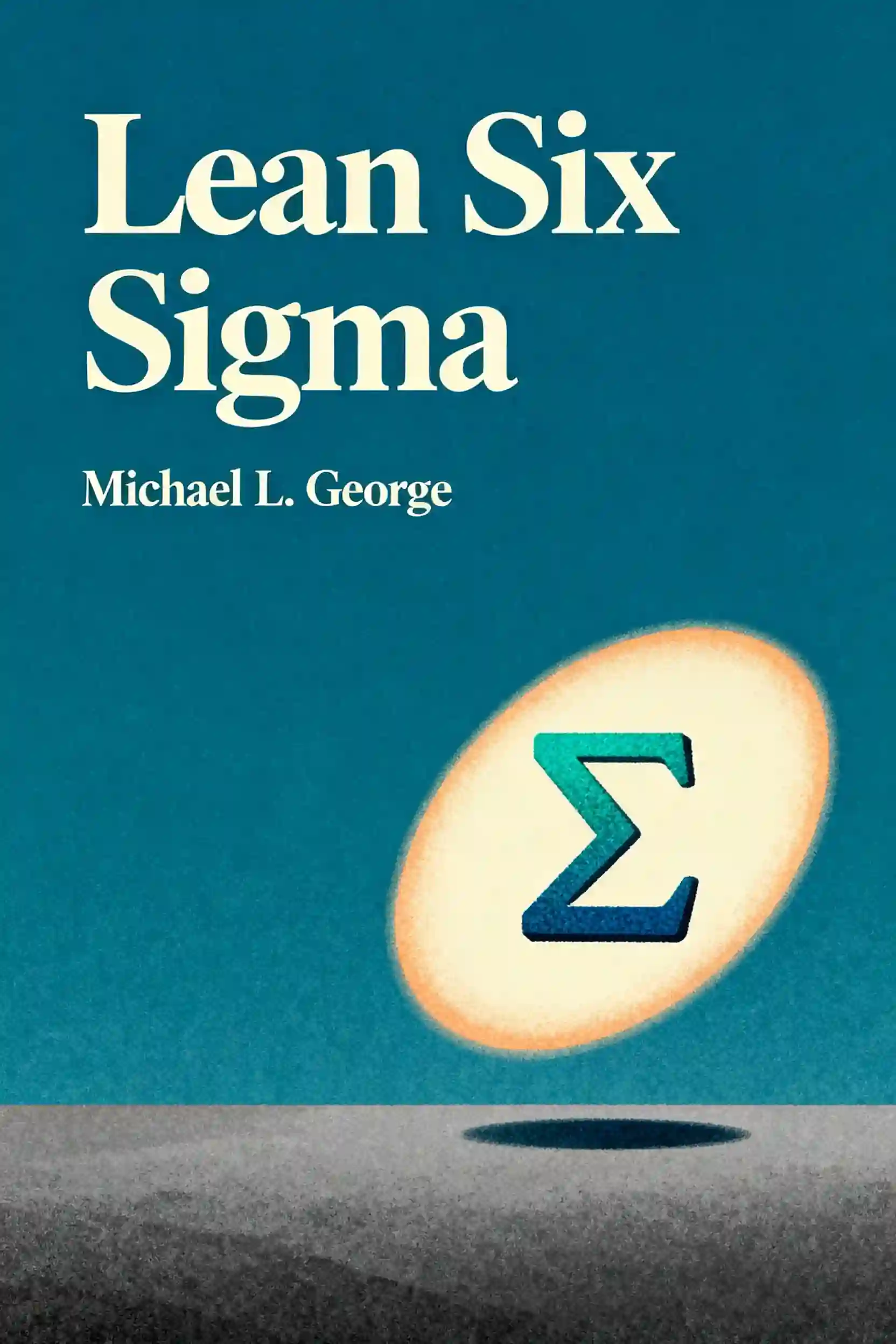
Discover more

Systems Thinking & ASQ Six Sigma Green Belt
Systems Thinking & ASQ Six Sigma Green Belt
This learning plan bridges the gap between holistic systems analysis and rigorous statistical process control. It is designed for professionals and aspiring quality leaders who want to solve root-cause issues while driving operational excellence across their organizations.

to pass the cism exam in two weeks
to pass the cism exam in two weeks
This accelerated plan is designed for security professionals needing a high-impact, short-term certification strategy. It bridges the gap between technical expertise and strategic management, making it ideal for aspiring managers facing an imminent exam deadline.

Lock in for science comp in one week
Lock in for science comp in one week
This intensive plan is designed for students and competitors who need to rapidly sharpen their analytical skills and mental stamina before a major event. It bridges the gap between raw knowledge and competitive execution by focusing on cognitive optimization and stress management.

Lead 8 Plants: Principles & Management Prep
Lead 8 Plants: Principles & Management Prep
This learning plan provides a comprehensive roadmap for mastering modern manufacturing leadership and operational efficiency. It is designed for plant managers and industrial leaders seeking to implement world-class lean strategies and drive cultural transformation across complex production environments.
6-Week Focus & Recovery: Reclaim Your Life
6-Week Focus & Recovery: Reclaim Your Life
In an era of constant distraction and burnout, this plan offers a science-based roadmap to mental clarity. It is designed for professionals and creatives who feel overwhelmed by technology and need a structured system to reclaim their time and energy.
Become a better data scientist
Become a better data scientist
This learning plan is designed for aspiring and intermediate data scientists looking to bridge the gap between technical theory and business leadership. It provides a comprehensive roadmap from foundational coding to high-level data architecture and strategic communication.

Master ISMS & improve presentation skills
Master ISMS & improve presentation skills
In today's digital landscape, technical expertise in information security must be paired with the ability to influence leadership. This plan is designed for security professionals and aspiring CISOs who need to bridge the gap between ISMS technical implementation and executive-level communication.

Leadership, Strategy & Productivity Mastery
Leadership, Strategy & Productivity Mastery
This comprehensive program is designed for aspiring and current leaders who need to balance strategic vision with operational efficiency. It provides a roadmap for transitioning from individual contributor to an executive who masters both people management and systematic productivity.
From Columbia University alumni built in San Francisco
"Instead of endless scrolling, I just hit play on BeFreed. It saves me so much time."


"I never knew where to start with nonfiction—BeFreed’s book lists turned into podcasts gave me a clear path."


"Perfect balance between learning and entertainment. Finished ‘Thinking, Fast and Slow’ on my commute this week."
"Crazy how much I learned while walking the dog. BeFreed = small habits → big gains."
"Reading used to feel like a chore. Now it’s just part of my lifestyle."

"Feels effortless compared to reading. I’ve finished 6 books this month already."
"BeFreed turned my guilty doomscrolling into something that feels productive and inspiring."

"BeFreed turned my commute into learning time. 20-min podcasts are perfect for finishing books I never had time for."
"BeFreed replaced my podcast queue. Imagine Spotify for books — that’s it. 🙌"

"It is great for me to learn something from the book without reading it."
"The themed book list podcasts help me connect ideas across authors—like a guided audio journey."
"Makes me feel smarter every time before going to work"
From Columbia University alumni built in San Francisco
"Instead of endless scrolling, I just hit play on BeFreed. It saves me so much time."
"I never knew where to start with nonfiction—BeFreed’s book lists turned into podcasts gave me a clear path."
"Perfect balance between learning and entertainment. Finished ‘Thinking, Fast and Slow’ on my commute this week."
"Crazy how much I learned while walking the dog. BeFreed = small habits → big gains."
"Reading used to feel like a chore. Now it’s just part of my lifestyle."
"Feels effortless compared to reading. I’ve finished 6 books this month already."
"BeFreed turned my guilty doomscrolling into something that feels productive and inspiring."
"BeFreed turned my commute into learning time. 20-min podcasts are perfect for finishing books I never had time for."
"BeFreed replaced my podcast queue. Imagine Spotify for books — that’s it. 🙌"
"It is great for me to learn something from the book without reading it."
"The themed book list podcasts help me connect ideas across authors—like a guided audio journey."
"Makes me feel smarter every time before going to work"
"Instead of endless scrolling, I just hit play on BeFreed. It saves me so much time."
"I never knew where to start with nonfiction—BeFreed’s book lists turned into podcasts gave me a clear path."
"Perfect balance between learning and entertainment. Finished ‘Thinking, Fast and Slow’ on my commute this week."
"Crazy how much I learned while walking the dog. BeFreed = small habits → big gains."
"Reading used to feel like a chore. Now it’s just part of my lifestyle."
"Feels effortless compared to reading. I’ve finished 6 books this month already."
"BeFreed turned my guilty doomscrolling into something that feels productive and inspiring."
"BeFreed turned my commute into learning time. 20-min podcasts are perfect for finishing books I never had time for."
"BeFreed replaced my podcast queue. Imagine Spotify for books — that’s it. 🙌"
"It is great for me to learn something from the book without reading it."
"The themed book list podcasts help me connect ideas across authors—like a guided audio journey."
"Makes me feel smarter every time before going to work"
"Instead of endless scrolling, I just hit play on BeFreed. It saves me so much time."
"I never knew where to start with nonfiction—BeFreed’s book lists turned into podcasts gave me a clear path."
"Perfect balance between learning and entertainment. Finished ‘Thinking, Fast and Slow’ on my commute this week."
"Crazy how much I learned while walking the dog. BeFreed = small habits → big gains."
"Reading used to feel like a chore. Now it’s just part of my lifestyle."
"Feels effortless compared to reading. I’ve finished 6 books this month already."
"BeFreed turned my guilty doomscrolling into something that feels productive and inspiring."
"BeFreed turned my commute into learning time. 20-min podcasts are perfect for finishing books I never had time for."
"BeFreed replaced my podcast queue. Imagine Spotify for books — that’s it. 🙌"
"It is great for me to learn something from the book without reading it."
"The themed book list podcasts help me connect ideas across authors—like a guided audio journey."
"Makes me feel smarter every time before going to work"


