
Showing empathy beyond saying I’m sorry
Generic phrases often feel hollow when someone is hurting. Learn how to move past clichés with practical ways to offer real comfort and connection.

Best quote from Showing empathy beyond saying I’m sorry
Validation is like an emotional reset button; when you offer someone emotional validation, you are literally helping their brain calm down just by saying, 'It makes total sense that you’re feeling this way.'

This audio lesson was created by a BeFreed community member
How to show empathy and compassion with words and comfort someone with phrases that leave an impact besides I’m sorry that your going through that

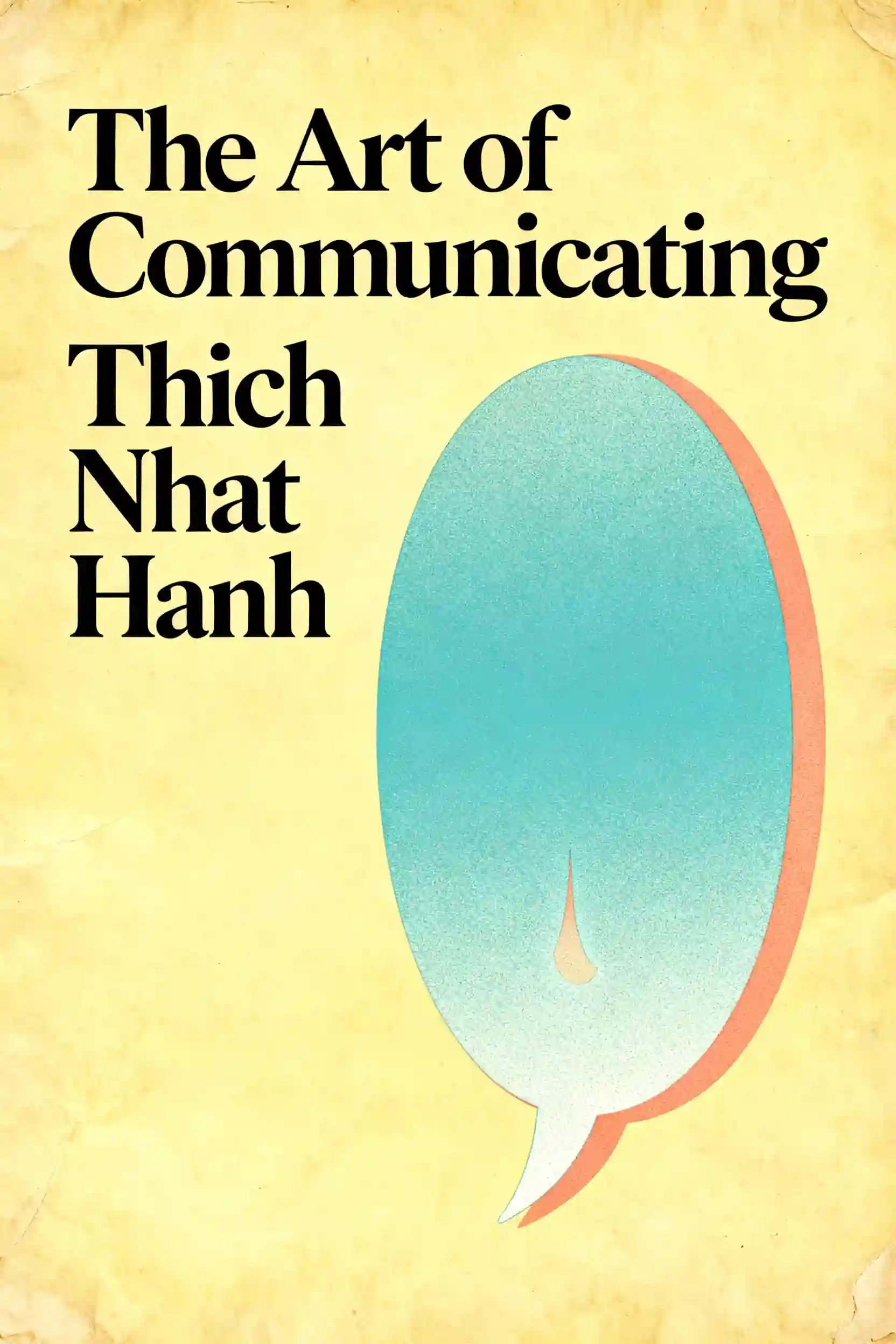
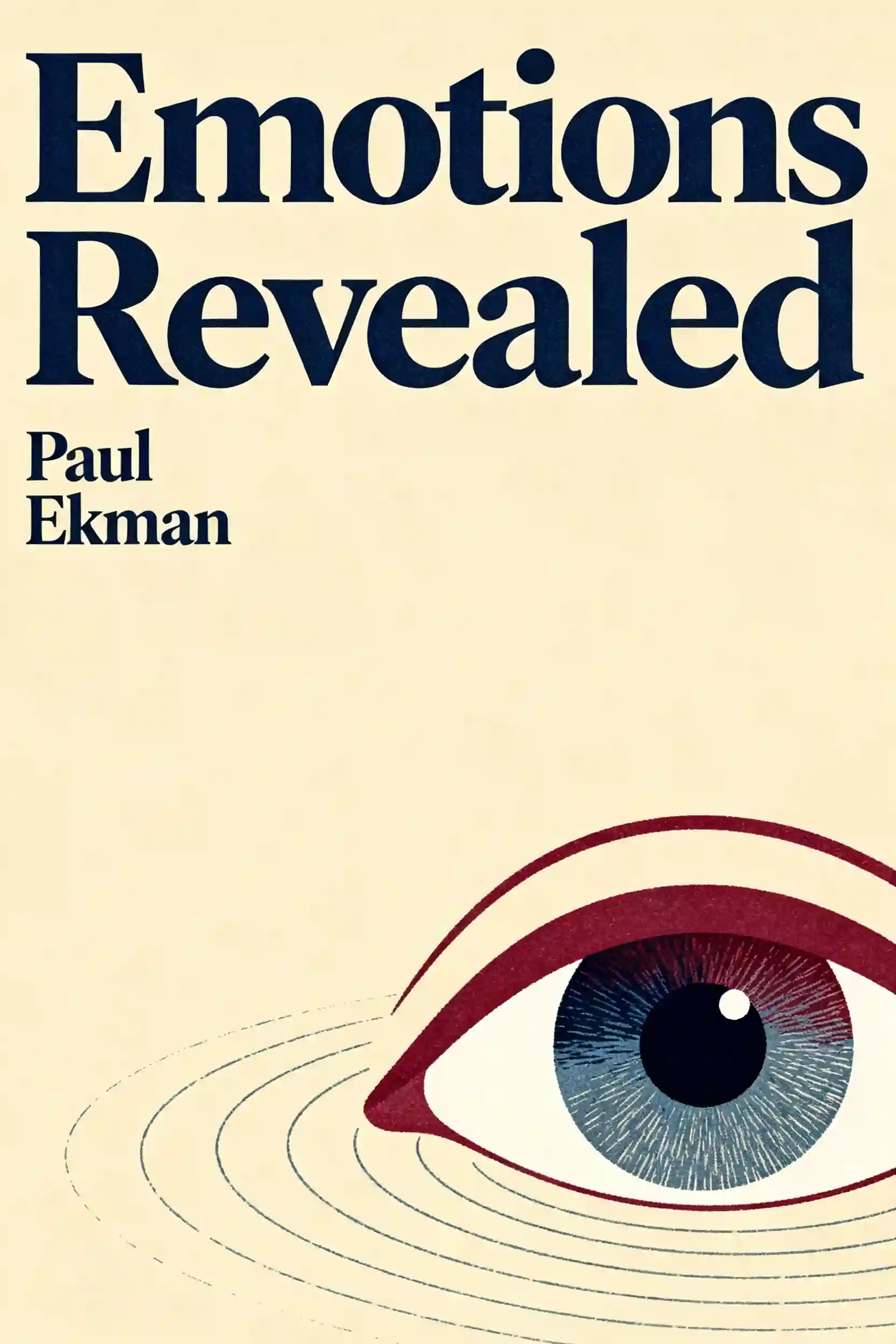
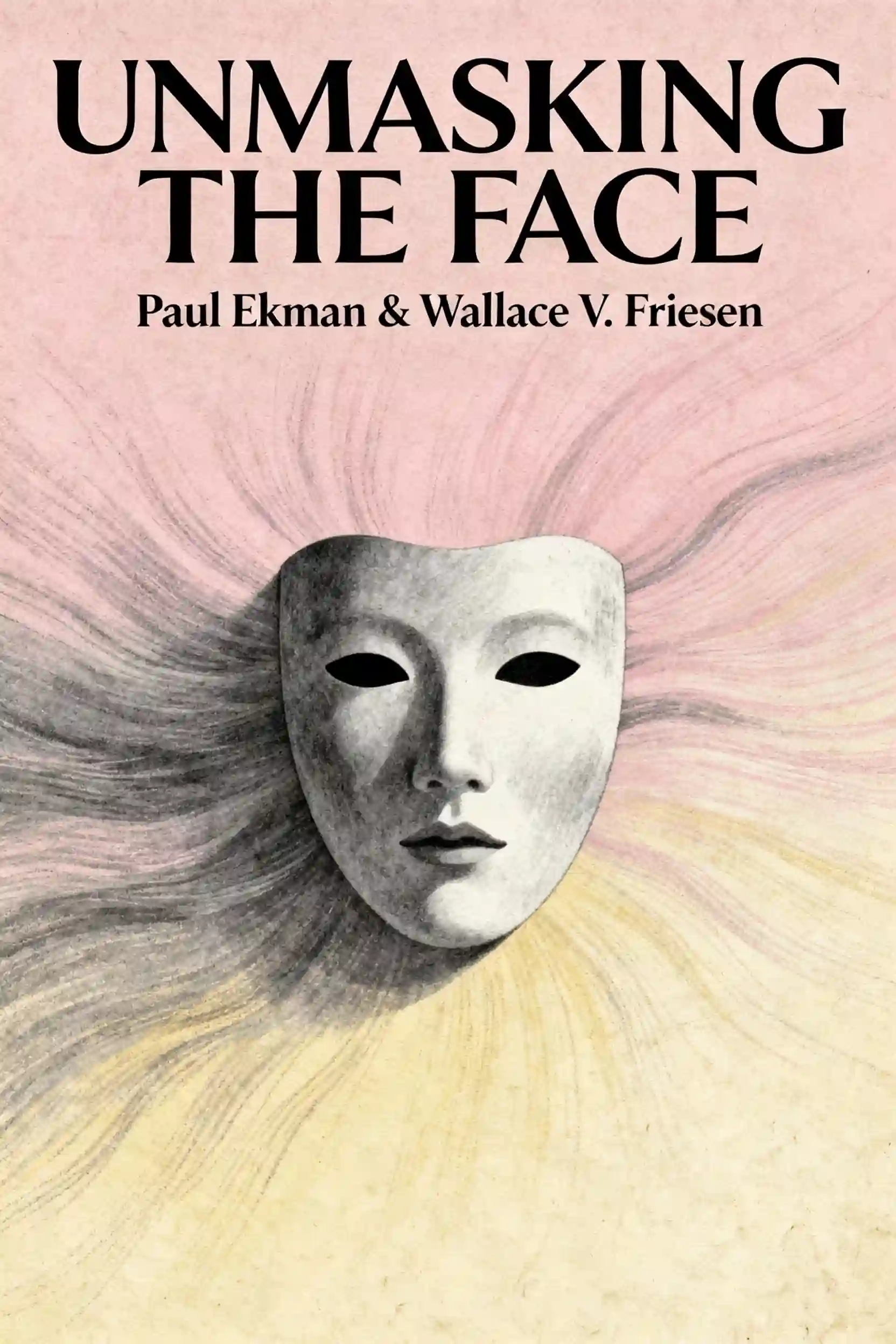
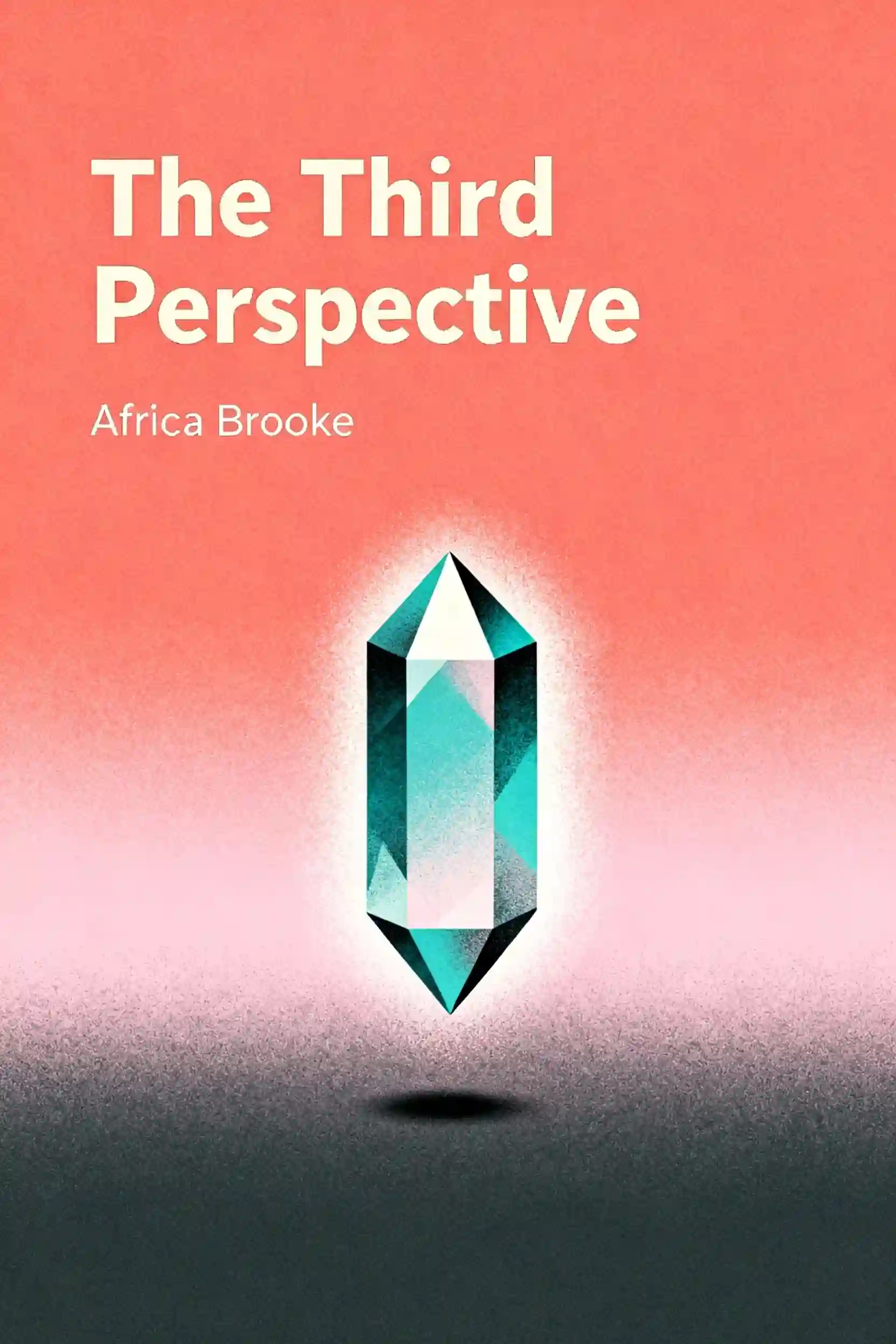
Frequently Asked Questions
Empathy is broken down into three distinct mechanics: cognitive, somatic, and affective. Cognitive empathy is the "perspective-taking" muscle where you logically understand someone's mental state without necessarily feeling it. Somatic empathy is a physical response where you actually feel a version of the other person's experience, such as your throat tightening when they cry. Finally, affective empathy is the bridge between understanding the pain and responding to it appropriately, signaling that you are truly "there" for the person.
While polite, "I’m sorry" can often feel like a hollow social cliché or a "conversation-ender" rather than an invitation to connect. Research suggests that people experiencing emotional or physical pain are looking for acknowledgment and validation rather than a scripted response. Using high-impact validation phrases instead of a standard apology helps the other person regulate their own emotions and signals that you have done the mental work to understand their specific situation.
When someone is in a state of acute stress, they often suffer from "perceptual narrowing" and decision fatigue, making the phrase "let me know if you need anything" an added mental burden. Instead, you should provide "cognitive structure" by offering specific, tangible help. For example, instead of asking what they need, try saying, "I’m going to the grocery store, what can I pick up for you?" or "I’m bringing dinner over on Thursday." Providing two simple choices can also help the person regain a sense of agency and control.
Digital empathy refers to the intentional effort to show compassion through a screen, where non-verbal cues like tone and body language are missing. To practice this effectively, you should avoid one-word replies and match the other person's emotional tone rather than using excessive punctuation or "toxic positivity." A key strategy is to include the phrase "no pressure to respond," which removes the social debt of having to perform a conversation while still letting the person know they are not alone.
The playbook for comfort involves several key rules: name the emotion directly, avoid "minimizers" like the phrase "at least," and use "of course" to validate that the person's reaction is normal. Additionally, you should offer specific help rather than generalities, use the "two-choice move" to help them make simple decisions, and commit to long-haul check-ins weeks or months after the initial event. Most importantly, respect boundaries if someone isn't ready to talk, making connection available without forcing it.
Discover more

How to learn empathy
How to learn empathy
In our increasingly disconnected world, empathy serves as a bridge to deeper human connection and understanding. This learning plan benefits anyone seeking to enhance their personal and professional relationships through improved emotional intelligence and compassionate communication skills.

understand my empathy gaps in relationships
understand my empathy gaps in relationships
Empathy gaps can significantly impact our personal relationships, creating misunderstandings and emotional distance. This learning plan helps anyone struggling with connection issues identify their empathy blind spots and develop practical skills to create deeper, more meaningful relationships.

Be a more empathetic and loving partner
Be a more empathetic and loving partner
This plan is essential for anyone seeking to move beyond surface-level interactions and build a profound emotional connection. It is designed for partners who want to break negative cycles and foster a relationship rooted in empathy, security, and mutual understanding.

Talk about my feelings
Talk about my feelings
Effective emotional communication is the cornerstone of healthy, lasting relationships. This plan is ideal for individuals looking to move past surface-level interactions and develop the courage to express their true selves authentically.

Improve conversation for emotional connection
Improve conversation for emotional connection
This plan is designed for anyone seeking to move beyond small talk and build more meaningful relationships. It provides a practical framework for developing the emotional intelligence and communication skills necessary for deep human connection.
Getting better at intimacy
Getting better at intimacy
In an era of digital disconnect, building genuine emotional depth is a vital skill for personal fulfillment. This plan is designed for individuals seeking to move past surface-level interactions and develop the emotional intelligence required for transformative, sacred connections.

Move through sudden waves of sadness
Move through sudden waves of sadness
Sudden waves of sadness can feel destabilizing and isolating without the right tools to navigate them. This plan is designed for anyone seeking to understand their emotional patterns and develop a compassionate, resilient approach to mental well-being.
Learn to show romantic interest confidently
Learn to show romantic interest confidently
Expressing romantic interest can feel vulnerable and confusing, especially when you want to be authentic while helping someone else feel confident about your intentions. This learning plan is ideal for anyone who wants to move beyond generic dating advice and develop genuine communication skills that honor both their personality and their crush's emotional experience, creating the foundation for mutual attraction and confidence.
From Columbia University alumni built in San Francisco
"Instead of endless scrolling, I just hit play on BeFreed. It saves me so much time."


"I never knew where to start with nonfiction—BeFreed’s book lists turned into podcasts gave me a clear path."


"Perfect balance between learning and entertainment. Finished ‘Thinking, Fast and Slow’ on my commute this week."
"Crazy how much I learned while walking the dog. BeFreed = small habits → big gains."
"Reading used to feel like a chore. Now it’s just part of my lifestyle."

"Feels effortless compared to reading. I’ve finished 6 books this month already."
"BeFreed turned my guilty doomscrolling into something that feels productive and inspiring."

"BeFreed turned my commute into learning time. 20-min podcasts are perfect for finishing books I never had time for."
"BeFreed replaced my podcast queue. Imagine Spotify for books — that’s it. 🙌"

"It is great for me to learn something from the book without reading it."
"The themed book list podcasts help me connect ideas across authors—like a guided audio journey."
"Makes me feel smarter every time before going to work"
From Columbia University alumni built in San Francisco
"Instead of endless scrolling, I just hit play on BeFreed. It saves me so much time."
"I never knew where to start with nonfiction—BeFreed’s book lists turned into podcasts gave me a clear path."
"Perfect balance between learning and entertainment. Finished ‘Thinking, Fast and Slow’ on my commute this week."
"Crazy how much I learned while walking the dog. BeFreed = small habits → big gains."
"Reading used to feel like a chore. Now it’s just part of my lifestyle."
"Feels effortless compared to reading. I’ve finished 6 books this month already."
"BeFreed turned my guilty doomscrolling into something that feels productive and inspiring."
"BeFreed turned my commute into learning time. 20-min podcasts are perfect for finishing books I never had time for."
"BeFreed replaced my podcast queue. Imagine Spotify for books — that’s it. 🙌"
"It is great for me to learn something from the book without reading it."
"The themed book list podcasts help me connect ideas across authors—like a guided audio journey."
"Makes me feel smarter every time before going to work"
"Instead of endless scrolling, I just hit play on BeFreed. It saves me so much time."
"I never knew where to start with nonfiction—BeFreed’s book lists turned into podcasts gave me a clear path."
"Perfect balance between learning and entertainment. Finished ‘Thinking, Fast and Slow’ on my commute this week."
"Crazy how much I learned while walking the dog. BeFreed = small habits → big gains."
"Reading used to feel like a chore. Now it’s just part of my lifestyle."
"Feels effortless compared to reading. I’ve finished 6 books this month already."
"BeFreed turned my guilty doomscrolling into something that feels productive and inspiring."
"BeFreed turned my commute into learning time. 20-min podcasts are perfect for finishing books I never had time for."
"BeFreed replaced my podcast queue. Imagine Spotify for books — that’s it. 🙌"
"It is great for me to learn something from the book without reading it."
"The themed book list podcasts help me connect ideas across authors—like a guided audio journey."
"Makes me feel smarter every time before going to work"
"Instead of endless scrolling, I just hit play on BeFreed. It saves me so much time."
"I never knew where to start with nonfiction—BeFreed’s book lists turned into podcasts gave me a clear path."
"Perfect balance between learning and entertainment. Finished ‘Thinking, Fast and Slow’ on my commute this week."
"Crazy how much I learned while walking the dog. BeFreed = small habits → big gains."
"Reading used to feel like a chore. Now it’s just part of my lifestyle."
"Feels effortless compared to reading. I’ve finished 6 books this month already."
"BeFreed turned my guilty doomscrolling into something that feels productive and inspiring."
"BeFreed turned my commute into learning time. 20-min podcasts are perfect for finishing books I never had time for."
"BeFreed replaced my podcast queue. Imagine Spotify for books — that’s it. 🙌"
"It is great for me to learn something from the book without reading it."
"The themed book list podcasts help me connect ideas across authors—like a guided audio journey."
"Makes me feel smarter every time before going to work"


![[2603.15245] Practicing with Language Models Cultivates Human Empathic Communication](/_next/image?url=https%3A%2F%2Fd1y2du6z1jfm9e.cloudfront.net%2Fassets%2Fpodcast%2Fyellow.png&w=1024&q=50)


