
Renting video games from the NES era to today
Buying consoles used to be a luxury few could afford. We explore how rentals from Blockbuster to GameFly changed the way we play and save money.

Best quote from Renting video games from the NES era to today
The rental model has survived because it solves a fundamental human problem: our curiosity is often bigger than our bank accounts.

This audio lesson was created by a BeFreed community member
History of renting gaming consoles.snes, nes etc

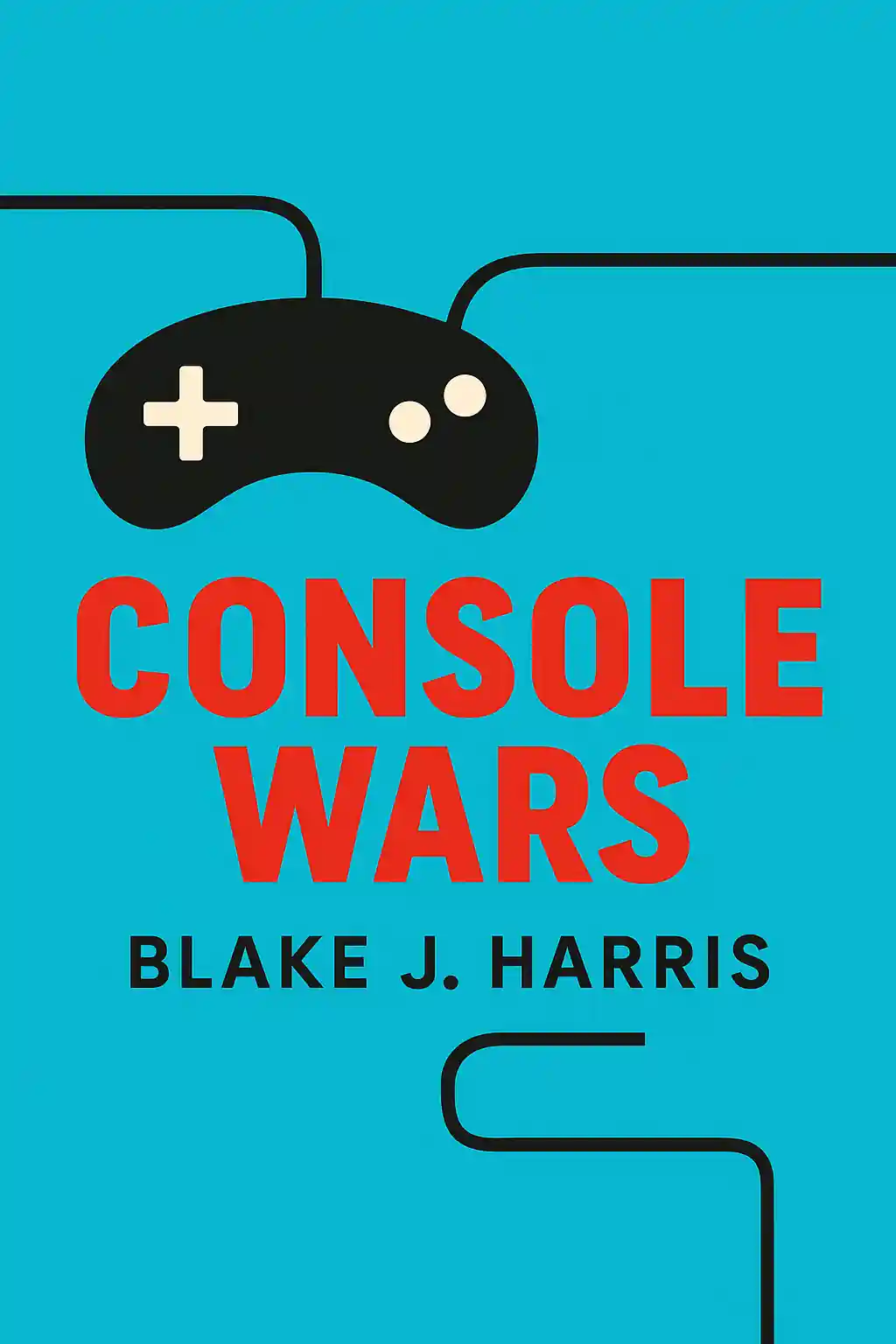
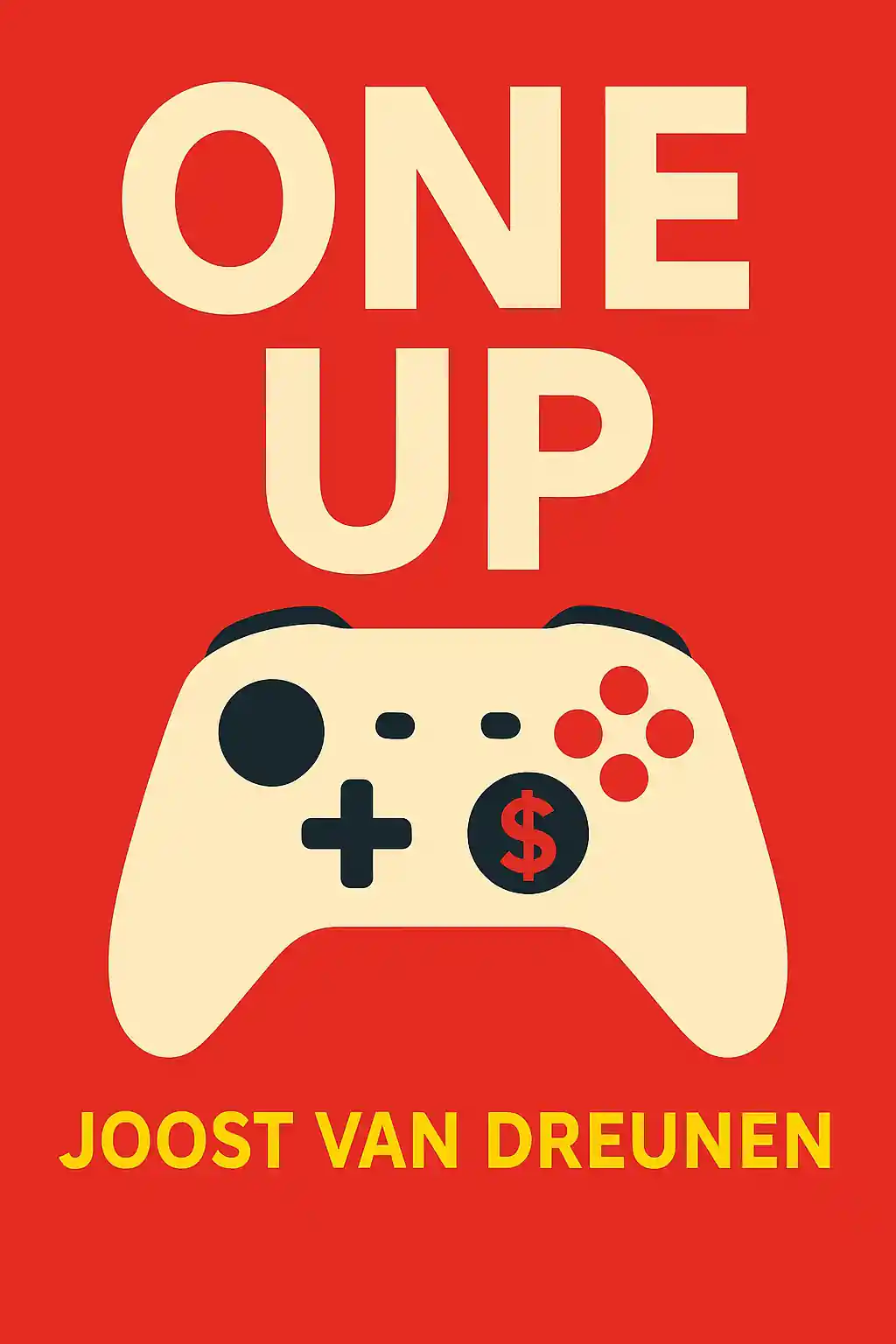
Frequently Asked Questions
Nintendo was highly protective of its brand and its "Seal of Quality," fearing that a rental market would cannibalize its sales. The company was concerned that if consumers could experience a game for a few dollars at a rental shop, they would lose the incentive to purchase the full-priced cartridge. This tension led to a series of legal battles that weren't resolved until 1992, when Nintendo finally accepted rentals as a permanent fixture of the gaming industry.
Following the industry collapse, retailers were hesitant to stock games due to the financial risk of unsold inventory. Renting lowered the "cost of entry" for consumers and reduced the risk of buying a "dud" game. Data-driven entrepreneurs like Blockbuster’s David Cook realized that providing variety without a sixty-dollar commitment allowed the industry to scale. This created a symbiotic relationship where rental stores bore the initial cost of titles, ensuring games remained accessible to the public even when retail confidence was low.
The Sega Channel was a digital rental service launched in 1994 that allowed Genesis owners to access a rotating library of fifty games through their cable line for a monthly fee. It was essentially a precursor to modern services like Xbox Game Pass, offering digital-only titles, demos, and exclusive versions of games. While it was eventually discontinued due to infrastructure limitations and the rise of 32-bit consoles, it proved there was a massive consumer appetite for "all-you-can-eat" digital access long before high-speed internet became standard.
According to the script's analysis of the 2026 gaming landscape, renting or leasing remains a smart financial move for casual players. If a gamer plays under 40 hours a year, the high cost of modern consoles and seventy-dollar software often results in "buyer's remorse." Modern models, such as Sony’s hardware leasing partnership with Raylo or subscription services like Game Pass, allow users to access premium technology and libraries without the heavy upfront investment, mirroring the "try before you buy" logic of the 1990s.
Discover more

Rent vs. Buy: Housing Process Comparison
Rent vs. Buy: Housing Process Comparison
This learning plan is essential for individuals navigating the complex choice between renting and homeownership in a volatile market. It is ideal for first-time buyers and strategic investors seeking to align their housing decisions with long-term financial security.

Hacer música de videojuegos retro
Hacer música de videojuegos retro
Este plan de aprendizaje es esencial para músicos y entusiastas del gaming que desean dominar el arte del chiptune y la música interactiva. Ofrece una ruta completa desde la técnica sonora hasta la profesionalización en la industria de los videojuegos retro.

Make a unique video game to sell on Steam
Make a unique video game to sell on Steam
This learning plan is essential for aspiring indie developers who want to bridge the gap between hobbyist coding and commercial success. It provides a holistic roadmap that combines technical mastery with the business acumen required to thrive on Steam.
Short term rental
Short term rental
The short-term rental market offers significant income potential for property owners who understand how to operate efficiently and maximize returns. This learning plan provides a comprehensive roadmap for both beginners and experienced hosts looking to professionalize their approach and scale their rental business.
Explore History, Tech & Investing
Explore History, Tech & Investing
This plan bridges the gap between historical context, technological shifts, and financial mastery. It is ideal for curious minds looking to understand how past innovations inform future investment opportunities in a digital-first world.
I want to learn how to design video games
I want to learn how to design video games
Game design combines creativity, psychology, and technical skills to create interactive experiences that captivate millions of players worldwide. This learning path is perfect for aspiring game designers, developers looking to transition into design roles, or creative professionals who want to understand what makes interactive entertainment truly engaging and successful.
Explore Tech, History & Personal Finance
Explore Tech, History & Personal Finance
In an era of rapid change, understanding the intersection of innovation, historical precedent, and fiscal responsibility is essential for personal success. This plan is designed for lifelong learners and professionals seeking to bridge the gap between technical literacy and strategic financial planning.

NEC Revenues and Benefits System
NEC Revenues and Benefits System
As governments transition to digital-first models, understanding the intersection of policy and technology is critical for modern public administration. This plan is ideal for IT professionals and policy analysts looking to master the technical architecture and operational excellence required for large-scale revenue systems.
From Columbia University alumni built in San Francisco
"Instead of endless scrolling, I just hit play on BeFreed. It saves me so much time."


"I never knew where to start with nonfiction—BeFreed’s book lists turned into podcasts gave me a clear path."


"Perfect balance between learning and entertainment. Finished ‘Thinking, Fast and Slow’ on my commute this week."
"Crazy how much I learned while walking the dog. BeFreed = small habits → big gains."
"Reading used to feel like a chore. Now it’s just part of my lifestyle."

"Feels effortless compared to reading. I’ve finished 6 books this month already."
"BeFreed turned my guilty doomscrolling into something that feels productive and inspiring."

"BeFreed turned my commute into learning time. 20-min podcasts are perfect for finishing books I never had time for."
"BeFreed replaced my podcast queue. Imagine Spotify for books — that’s it. 🙌"

"It is great for me to learn something from the book without reading it."
"The themed book list podcasts help me connect ideas across authors—like a guided audio journey."
"Makes me feel smarter every time before going to work"
From Columbia University alumni built in San Francisco
"Instead of endless scrolling, I just hit play on BeFreed. It saves me so much time."
"I never knew where to start with nonfiction—BeFreed’s book lists turned into podcasts gave me a clear path."
"Perfect balance between learning and entertainment. Finished ‘Thinking, Fast and Slow’ on my commute this week."
"Crazy how much I learned while walking the dog. BeFreed = small habits → big gains."
"Reading used to feel like a chore. Now it’s just part of my lifestyle."
"Feels effortless compared to reading. I’ve finished 6 books this month already."
"BeFreed turned my guilty doomscrolling into something that feels productive and inspiring."
"BeFreed turned my commute into learning time. 20-min podcasts are perfect for finishing books I never had time for."
"BeFreed replaced my podcast queue. Imagine Spotify for books — that’s it. 🙌"
"It is great for me to learn something from the book without reading it."
"The themed book list podcasts help me connect ideas across authors—like a guided audio journey."
"Makes me feel smarter every time before going to work"
"Instead of endless scrolling, I just hit play on BeFreed. It saves me so much time."
"I never knew where to start with nonfiction—BeFreed’s book lists turned into podcasts gave me a clear path."
"Perfect balance between learning and entertainment. Finished ‘Thinking, Fast and Slow’ on my commute this week."
"Crazy how much I learned while walking the dog. BeFreed = small habits → big gains."
"Reading used to feel like a chore. Now it’s just part of my lifestyle."
"Feels effortless compared to reading. I’ve finished 6 books this month already."
"BeFreed turned my guilty doomscrolling into something that feels productive and inspiring."
"BeFreed turned my commute into learning time. 20-min podcasts are perfect for finishing books I never had time for."
"BeFreed replaced my podcast queue. Imagine Spotify for books — that’s it. 🙌"
"It is great for me to learn something from the book without reading it."
"The themed book list podcasts help me connect ideas across authors—like a guided audio journey."
"Makes me feel smarter every time before going to work"
"Instead of endless scrolling, I just hit play on BeFreed. It saves me so much time."
"I never knew where to start with nonfiction—BeFreed’s book lists turned into podcasts gave me a clear path."
"Perfect balance between learning and entertainment. Finished ‘Thinking, Fast and Slow’ on my commute this week."
"Crazy how much I learned while walking the dog. BeFreed = small habits → big gains."
"Reading used to feel like a chore. Now it’s just part of my lifestyle."
"Feels effortless compared to reading. I’ve finished 6 books this month already."
"BeFreed turned my guilty doomscrolling into something that feels productive and inspiring."
"BeFreed turned my commute into learning time. 20-min podcasts are perfect for finishing books I never had time for."
"BeFreed replaced my podcast queue. Imagine Spotify for books — that’s it. 🙌"
"It is great for me to learn something from the book without reading it."
"The themed book list podcasts help me connect ideas across authors—like a guided audio journey."
"Makes me feel smarter every time before going to work"


