
Refugio Sonoro: El Arte del Aterrizaje Suave
Descubre cómo bajar las revoluciones y alcanzar un descanso profundo a través de la música clásica y la filosofía de la calma. Un acompañamiento apacible diseñado para soltar el control y disfrutar de la belleza de lo cotidiano sin esfuerzo mental.

Best quote from Refugio Sonoro: El Arte del Aterrizaje Suave
A veces, el mayor acto de rebeldía es simplemente escuchar cómo cae la lluvia o cómo cruje la madera de una casa vieja; descansar es un acto de valentía.

This audio lesson was created by a BeFreed community member
Quiero escuchar algo am3no, que no r3quiera razonamiento para irme a dormir. Hoy he estado viendonunnconcierto de la orquesta sinfonica española ennlinz.


Frequently Asked Questions
These stories, such as those created by Kathryn Nicolai, are designed to give the brain something simple to focus on without triggering the "alert" mode. Unlike traditional narratives that rely on conflict, mystery, or high stakes, these stories focus on mundane, sensory details like the warmth of a tea cup or the sound of falling rain. This prevents the mind from wandering toward personal worries or future planning, while ensuring the listener doesn't stay awake out of curiosity to see how a plot resolves.
The script references a metaphor from Kathryn Nicolai explaining that many people go to bed but leave their "mental accelerator" pressed down. Even though the "car" (the body) is parked in the garage (the bed), the "motor" (the mind) is still racing at thousands of revolutions per minute. The goal of sleep-focused audio and mindfulness is to teach the brain how to "turn off the ignition" through psychological conditioning and rhythmic pacing.
The cadency and rhythm of the voice are often more important than the actual content of the story. Professional narrators for sleep content use long pauses between sentences to allow the listener time for deep breaths. This deliberate, slow pace acts as a psychological metronome, helping to synchronize the listener's internal heart rate and breathing with the calm external rhythm of the narration.
To build an effective sleep environment, the script suggests a few key steps: first, practice physical disconnection by keeping mobile devices out of reach and face down to avoid blue light. Second, ensure environmental coherence by matching the room temperature and dim lighting to the cozy atmosphere of the story. Finally, use a sleep timer on your device so the audio doesn't play all night, which helps prevent the brain from being startled awake in the middle of the night.
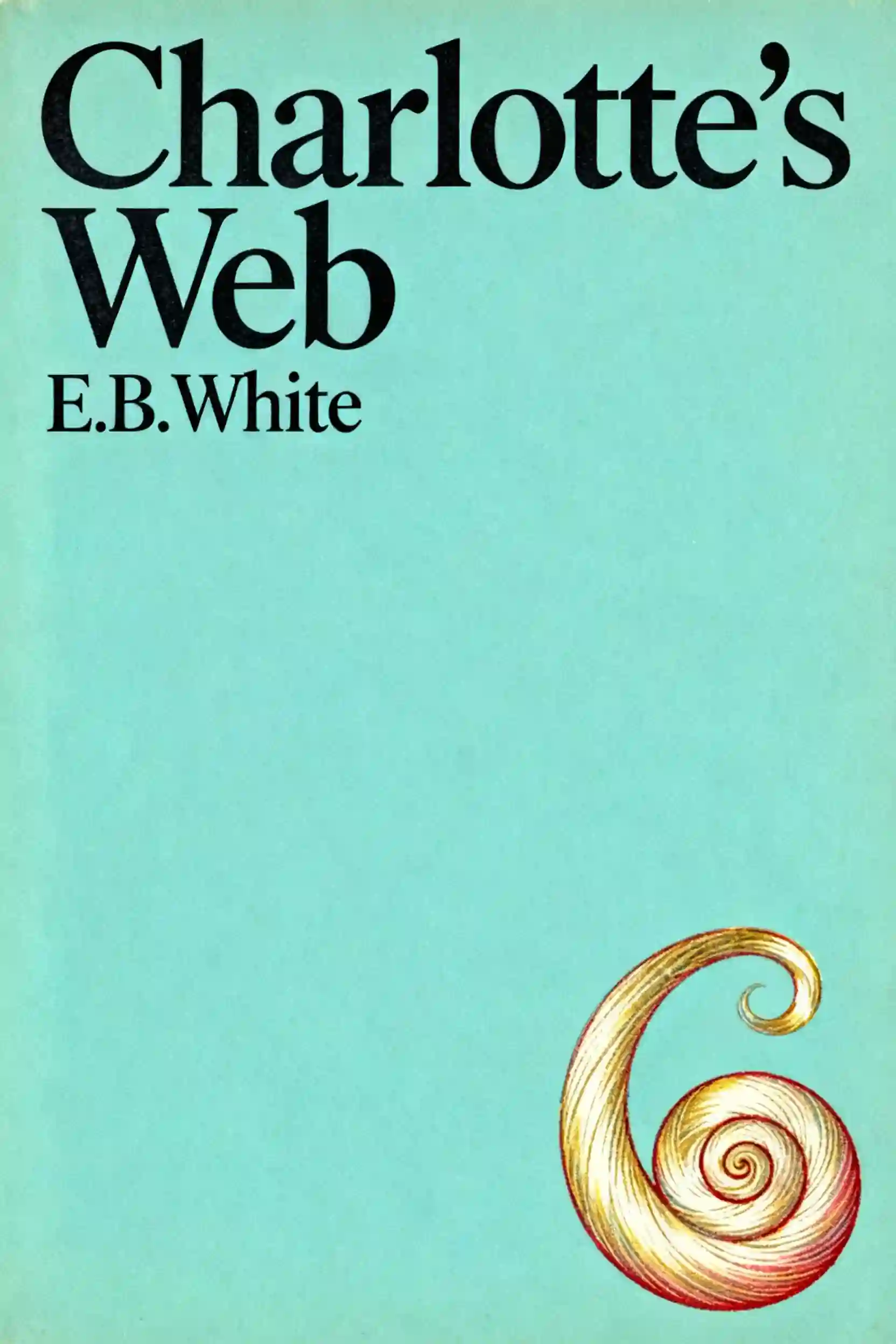
Familiarity creates a sense of safety because the brain already knows exactly what is going to happen, allowing it to lower its guard. Returning to classics like The Little Prince or The Wind in the Willows provides a predictable structure that mimics the security children feel when being read to. This lack of surprises signals to the nervous system that the environment is safe, making it easier to surrender to deep sleep.
Discover more

Quiet my mind
Quiet my mind
In an era of constant distraction, mastering your internal environment is essential for mental health and productivity. This plan is designed for overthinkers and busy professionals seeking to transition from a state of mental noise to a life of sustained, unshakeable tranquility.

Mind, Nature & Inspiration Insights
Mind, Nature & Inspiration Insights
This plan bridges the gap between inner mindfulness and the restorative power of the natural world. It is designed for creative professionals and seekers looking to escape burnout and find profound clarity through solitude and environmental connection.
Learn spiritual ascension and non-reactivity
Learn spiritual ascension and non-reactivity
In an increasingly chaotic world, the ability to maintain inner stillness is a vital skill for personal liberation. This plan is designed for seekers and professionals alike who wish to move beyond emotional volatility and align with their highest state of consciousness.
Autoestima
Autoestima
Este plan de aprendizaje es fundamental para quienes buscan superar la inseguridad y el autosabotaje. Es ideal para personas que desean mejorar su bienestar emocional y profesional mediante el desarrollo de una identidad sólida y límites interpersonales claros.

Find mental peace
Find mental peace
This plan is essential for high-stress individuals seeking a structured path to emotional stability and mental clarity. It bridges the gap between modern neuroscience and timeless philosophy, making it ideal for anyone looking to transform their internal landscape and build lasting resilience.
Live Mindfully & Happily
Live Mindfully & Happily
In an increasingly distracted world, mastering the art of presence is essential for mental clarity and emotional resilience. This plan is ideal for anyone seeking to reduce stress and find deeper meaning by combining scientific wellbeing principles with spiritual growth.

Resúmeme el libro mentira
Resúmeme el libro mentira
Este plan es esencial para quienes buscan protegerse de manipulaciones y mejorar su inteligencia emocional. Es ideal para profesionales de ventas, seguridad o cualquier persona interesada en descifrar la psicología del comportamiento humano.

Estudio avanzado en psicoterapia del trauma
Estudio avanzado en psicoterapia del trauma
Este programa es esencial para psicólogos y terapeutas que buscan herramientas profundas para sanar heridas emocionales severas. Ofrece un puente entre la neurobiología y la práctica clínica, siendo ideal para profesionales que enfrentan casos de alta complejidad.
From Columbia University alumni built in San Francisco
"Instead of endless scrolling, I just hit play on BeFreed. It saves me so much time."


"I never knew where to start with nonfiction—BeFreed’s book lists turned into podcasts gave me a clear path."


"Perfect balance between learning and entertainment. Finished ‘Thinking, Fast and Slow’ on my commute this week."
"Crazy how much I learned while walking the dog. BeFreed = small habits → big gains."
"Reading used to feel like a chore. Now it’s just part of my lifestyle."

"Feels effortless compared to reading. I’ve finished 6 books this month already."
"BeFreed turned my guilty doomscrolling into something that feels productive and inspiring."

"BeFreed turned my commute into learning time. 20-min podcasts are perfect for finishing books I never had time for."
"BeFreed replaced my podcast queue. Imagine Spotify for books — that’s it. 🙌"

"It is great for me to learn something from the book without reading it."
"The themed book list podcasts help me connect ideas across authors—like a guided audio journey."
"Makes me feel smarter every time before going to work"
From Columbia University alumni built in San Francisco
"Instead of endless scrolling, I just hit play on BeFreed. It saves me so much time."
"I never knew where to start with nonfiction—BeFreed’s book lists turned into podcasts gave me a clear path."
"Perfect balance between learning and entertainment. Finished ‘Thinking, Fast and Slow’ on my commute this week."
"Crazy how much I learned while walking the dog. BeFreed = small habits → big gains."
"Reading used to feel like a chore. Now it’s just part of my lifestyle."
"Feels effortless compared to reading. I’ve finished 6 books this month already."
"BeFreed turned my guilty doomscrolling into something that feels productive and inspiring."
"BeFreed turned my commute into learning time. 20-min podcasts are perfect for finishing books I never had time for."
"BeFreed replaced my podcast queue. Imagine Spotify for books — that’s it. 🙌"
"It is great for me to learn something from the book without reading it."
"The themed book list podcasts help me connect ideas across authors—like a guided audio journey."
"Makes me feel smarter every time before going to work"
"Instead of endless scrolling, I just hit play on BeFreed. It saves me so much time."
"I never knew where to start with nonfiction—BeFreed’s book lists turned into podcasts gave me a clear path."
"Perfect balance between learning and entertainment. Finished ‘Thinking, Fast and Slow’ on my commute this week."
"Crazy how much I learned while walking the dog. BeFreed = small habits → big gains."
"Reading used to feel like a chore. Now it’s just part of my lifestyle."
"Feels effortless compared to reading. I’ve finished 6 books this month already."
"BeFreed turned my guilty doomscrolling into something that feels productive and inspiring."
"BeFreed turned my commute into learning time. 20-min podcasts are perfect for finishing books I never had time for."
"BeFreed replaced my podcast queue. Imagine Spotify for books — that’s it. 🙌"
"It is great for me to learn something from the book without reading it."
"The themed book list podcasts help me connect ideas across authors—like a guided audio journey."
"Makes me feel smarter every time before going to work"
"Instead of endless scrolling, I just hit play on BeFreed. It saves me so much time."
"I never knew where to start with nonfiction—BeFreed’s book lists turned into podcasts gave me a clear path."
"Perfect balance between learning and entertainment. Finished ‘Thinking, Fast and Slow’ on my commute this week."
"Crazy how much I learned while walking the dog. BeFreed = small habits → big gains."
"Reading used to feel like a chore. Now it’s just part of my lifestyle."
"Feels effortless compared to reading. I’ve finished 6 books this month already."
"BeFreed turned my guilty doomscrolling into something that feels productive and inspiring."
"BeFreed turned my commute into learning time. 20-min podcasts are perfect for finishing books I never had time for."
"BeFreed replaced my podcast queue. Imagine Spotify for books — that’s it. 🙌"
"It is great for me to learn something from the book without reading it."
"The themed book list podcasts help me connect ideas across authors—like a guided audio journey."
"Makes me feel smarter every time before going to work"


