
Rediscovering Joy: The Hobby Hunt
Feeling stuck in an endless scroll with no real interests? Learn how to break the anxiety-boredom cycle and reconnect with activities that bring genuine fulfillment, starting with what once sparked your childhood curiosity.

Best quote from Rediscovering Joy: The Hobby Hunt
Hobbies live in the pleasure world, not the mastery world. They are not about being good at something or getting a paycheck; they are about the process, the exploration, and the pure enjoyment of the activity itself.

This audio lesson was created by a BeFreed community member
How to beat the feelings of feeling like you have no hobbies or interests. How to find hobbies or interests and feel like you have a purpose. How to get past wasting time, which causes anxiety even though you have nothing to do.

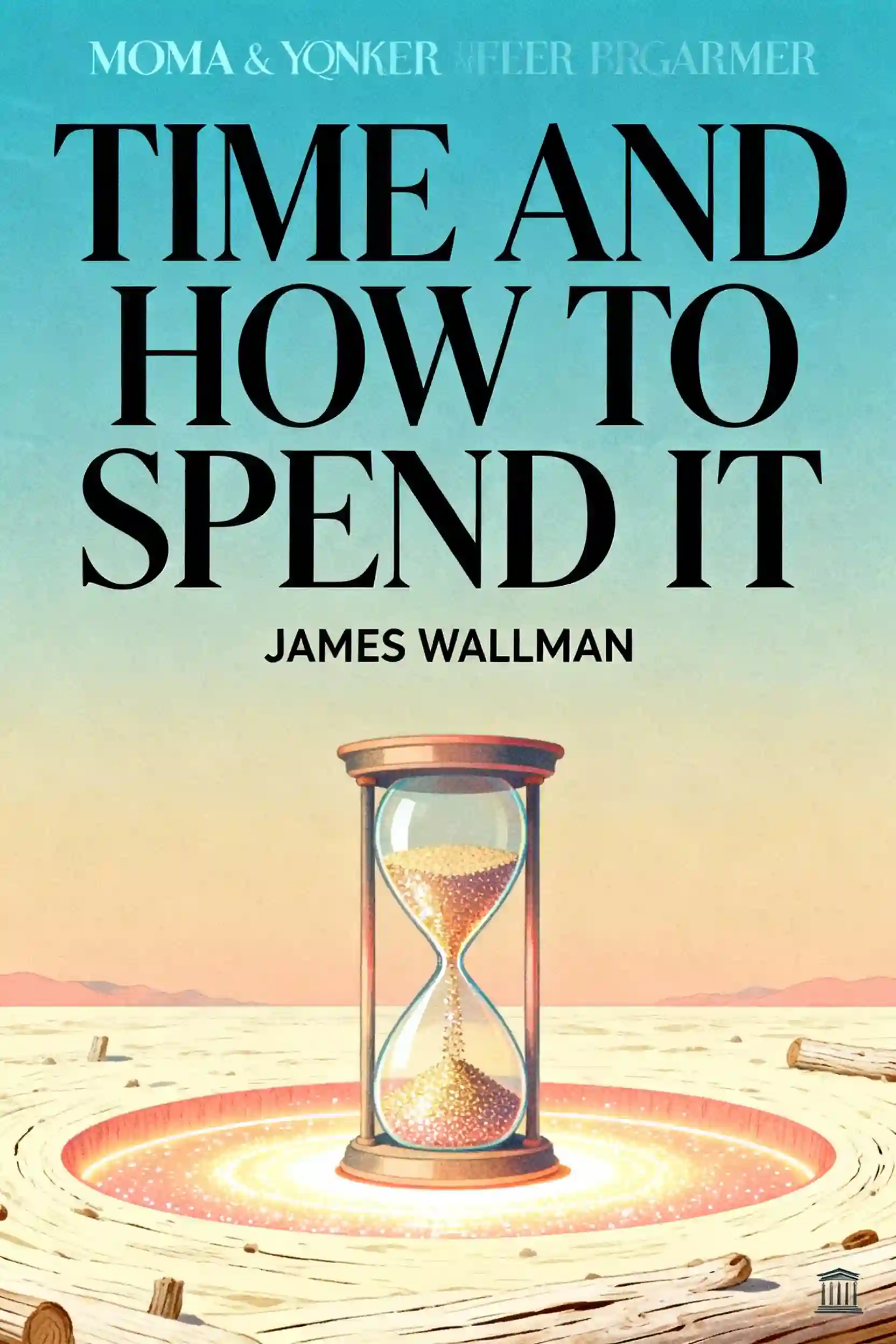
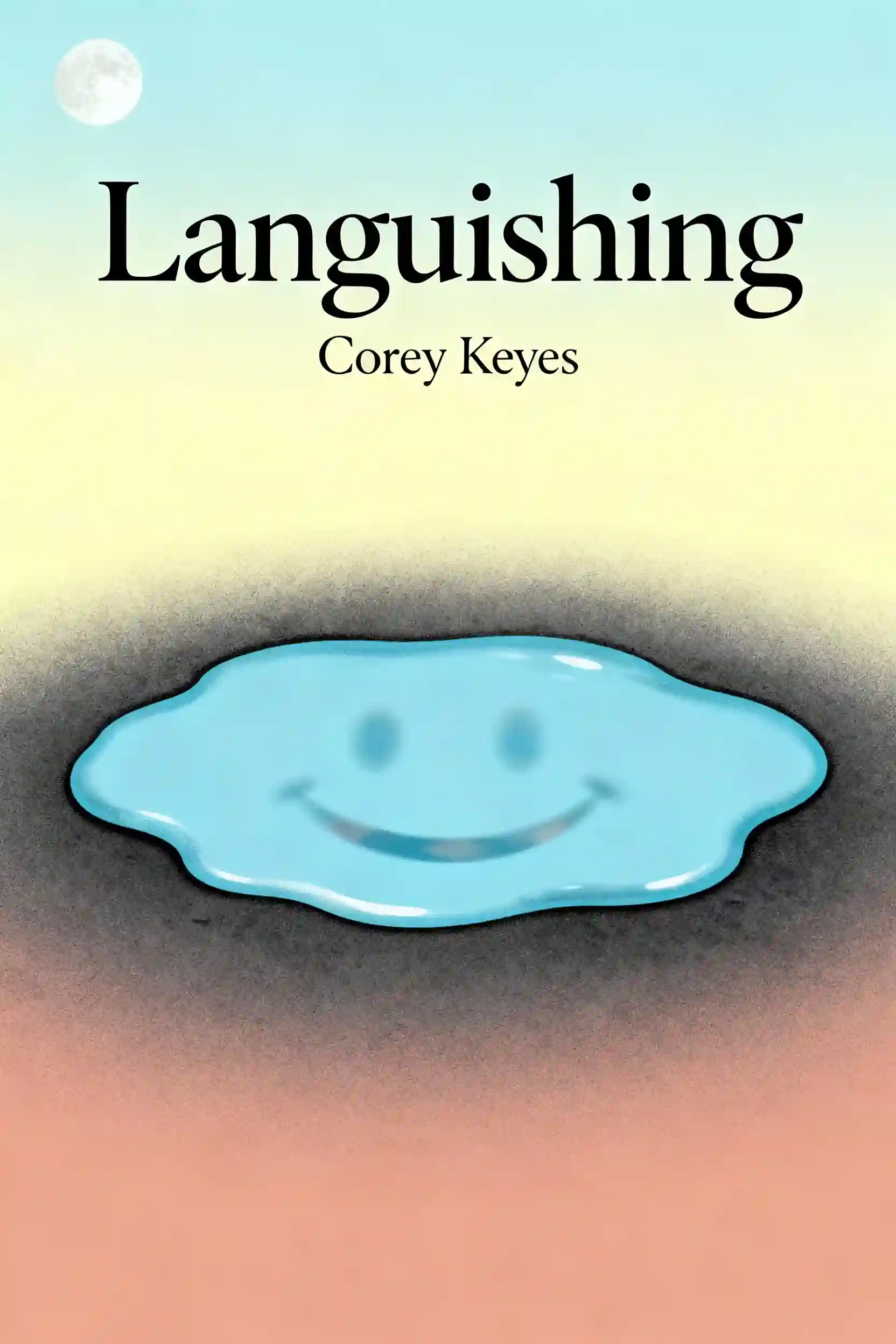
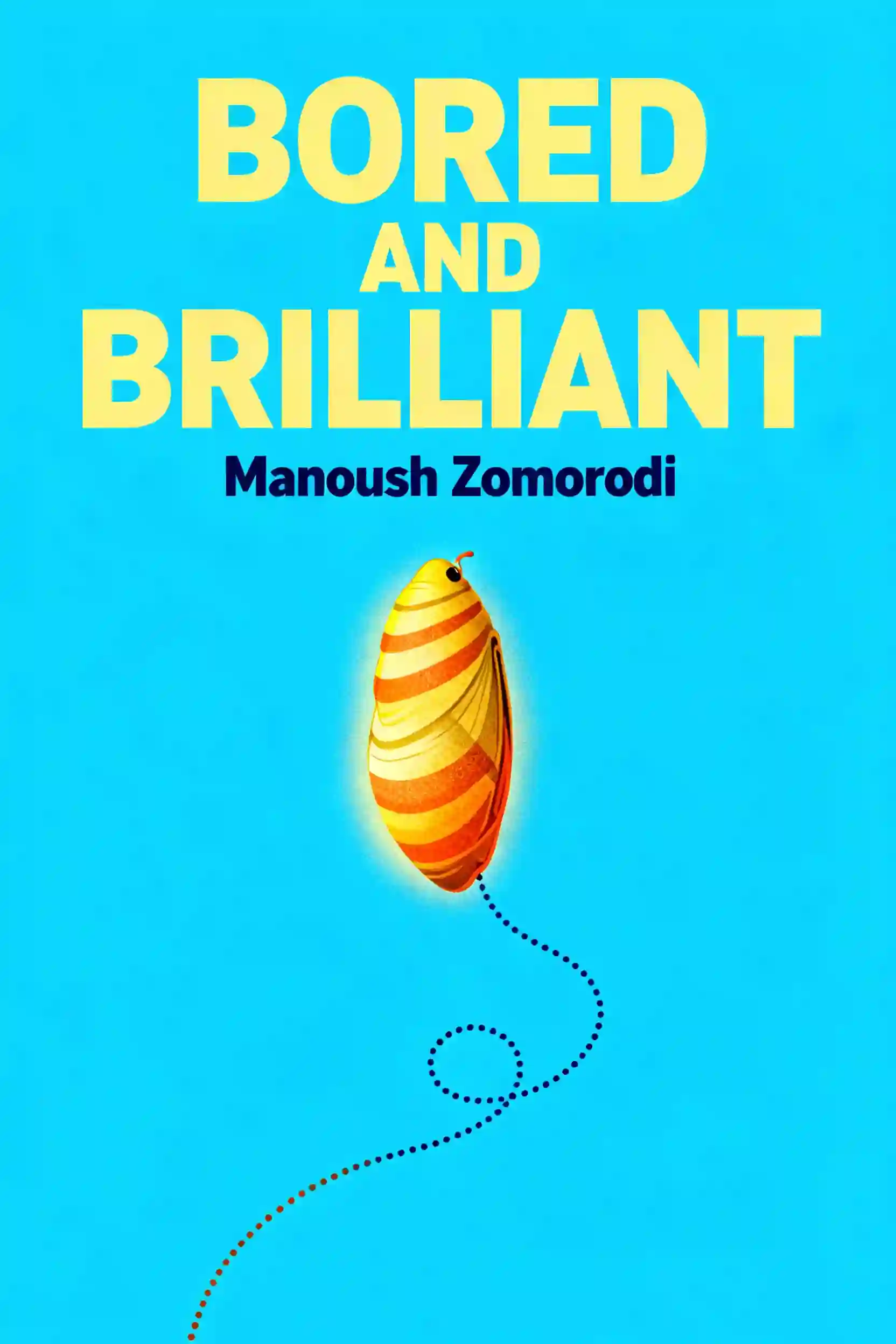
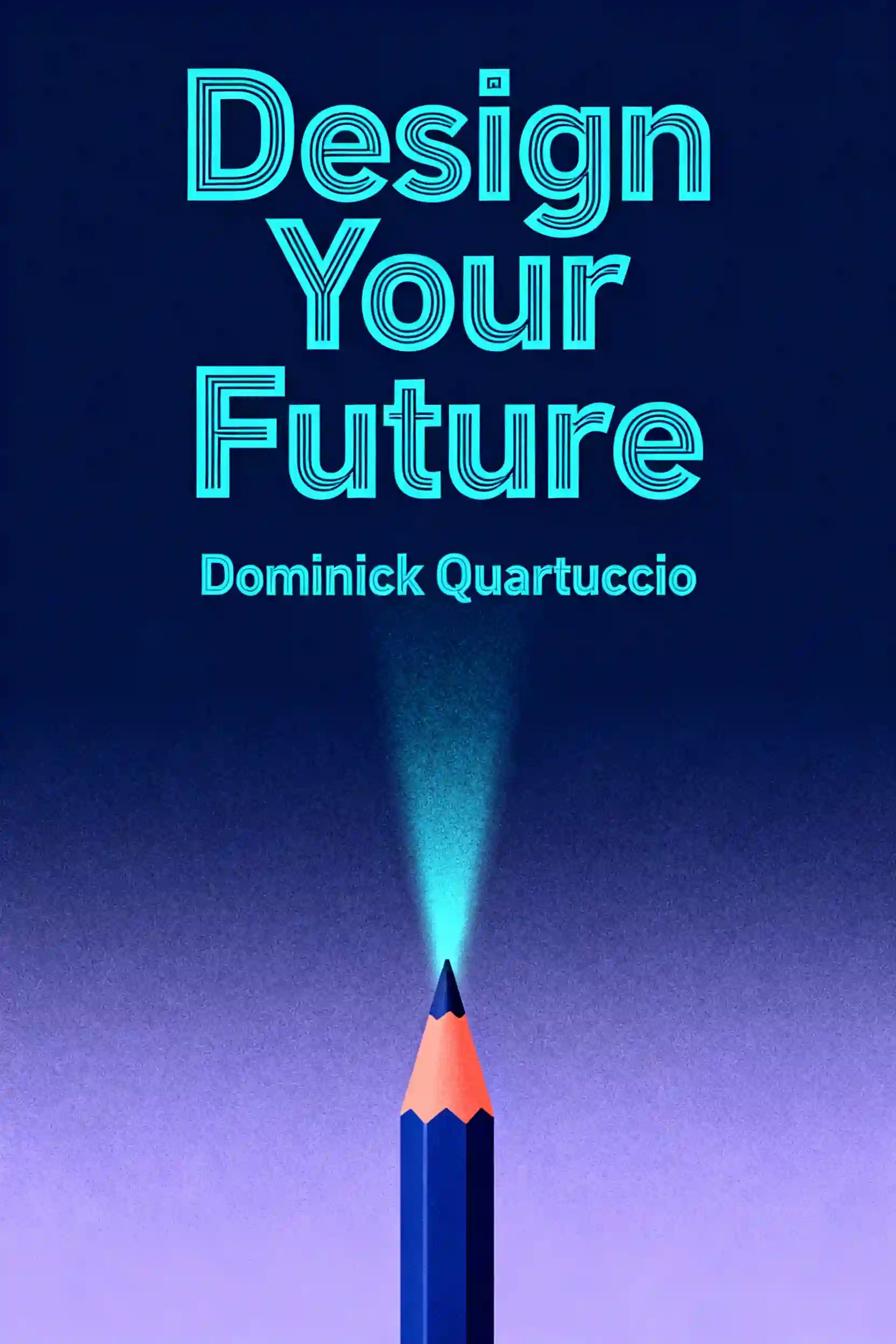
Discover more

Rediscover myself and find my joy again
Rediscover myself and find my joy again
This plan is designed for individuals feeling disconnected from their passions or burdened by external expectations. It offers a structured path to emotional healing and self-discovery, making it ideal for anyone seeking to reclaim their happiness and live more intentionally.

Socialize, Build Routine & Manage Hobbies
Socialize, Build Routine & Manage Hobbies
Modern life often leaves individuals feeling isolated and disorganized, struggling to balance productivity with personal joy. This plan is designed for anyone seeking to bridge the gap between social fulfillment, structured habits, and creative exploration to build a more intentional life.

Mindful habits for joy
Mindful habits for joy
This learning plan is designed for anyone seeking to move beyond temporary mood boosts to create genuine, lasting happiness through intentional practice. It's particularly valuable for those feeling overwhelmed by modern life's pace, struggling with stress or negative thinking patterns, or simply wanting to deepen their sense of purpose and daily joy. Whether you're new to mindfulness or looking to establish more consistent well-being habits, this structured approach provides actionable, science-backed strategies for sustainable transformation.
Beat Apathy: Find Joy & Purposeful Discipline
Beat Apathy: Find Joy & Purposeful Discipline
Modern burnout often stems from a lack of alignment between our daily actions and our deeper sense of purpose. This plan is designed for anyone feeling stuck in a cycle of procrastination or emotional numbness, offering a science-backed roadmap to reclaim motivation and structured consistency.
Explore Creativity, Psychology & Pleasure
Explore Creativity, Psychology & Pleasure
This plan is essential for individuals seeking to bridge the gap between mental well-being and artistic output. It is ideal for creators, professionals, and anyone looking to harness flow states and psychological insights to lead a more joyful, productive life.

Find a hobby
Find a hobby
Finding a meaningful hobby enriches life beyond work, providing creative outlets, stress relief, and personal growth opportunities. This plan is ideal for busy professionals feeling disconnected from their passions, recent retirees seeking purpose, or anyone wanting to move beyond passive entertainment toward active engagement and fulfillment.
Find direction, new hobbies and interests
Find direction, new hobbies and interests
Many people struggle with feeling directionless or unfulfilled because they haven't identified interests that truly resonate with their authentic selves. This learning plan provides a structured approach to discovering meaningful hobbies and interests that align with your core values, helping you build a more purposeful and satisfying life.
Explore personal interests and entertainment
Explore personal interests and entertainment
This plan is designed for individuals feeling burnt out or disconnected from their hobbies. It provides a structured path to rediscover personal joy and balance professional life with meaningful entertainment.
From Columbia University alumni built in San Francisco
"Instead of endless scrolling, I just hit play on BeFreed. It saves me so much time."


"I never knew where to start with nonfiction—BeFreed’s book lists turned into podcasts gave me a clear path."


"Perfect balance between learning and entertainment. Finished ‘Thinking, Fast and Slow’ on my commute this week."
"Crazy how much I learned while walking the dog. BeFreed = small habits → big gains."
"Reading used to feel like a chore. Now it’s just part of my lifestyle."

"Feels effortless compared to reading. I’ve finished 6 books this month already."
"BeFreed turned my guilty doomscrolling into something that feels productive and inspiring."

"BeFreed turned my commute into learning time. 20-min podcasts are perfect for finishing books I never had time for."
"BeFreed replaced my podcast queue. Imagine Spotify for books — that’s it. 🙌"

"It is great for me to learn something from the book without reading it."
"The themed book list podcasts help me connect ideas across authors—like a guided audio journey."
"Makes me feel smarter every time before going to work"
From Columbia University alumni built in San Francisco
"Instead of endless scrolling, I just hit play on BeFreed. It saves me so much time."
"I never knew where to start with nonfiction—BeFreed’s book lists turned into podcasts gave me a clear path."
"Perfect balance between learning and entertainment. Finished ‘Thinking, Fast and Slow’ on my commute this week."
"Crazy how much I learned while walking the dog. BeFreed = small habits → big gains."
"Reading used to feel like a chore. Now it’s just part of my lifestyle."
"Feels effortless compared to reading. I’ve finished 6 books this month already."
"BeFreed turned my guilty doomscrolling into something that feels productive and inspiring."
"BeFreed turned my commute into learning time. 20-min podcasts are perfect for finishing books I never had time for."
"BeFreed replaced my podcast queue. Imagine Spotify for books — that’s it. 🙌"
"It is great for me to learn something from the book without reading it."
"The themed book list podcasts help me connect ideas across authors—like a guided audio journey."
"Makes me feel smarter every time before going to work"
"Instead of endless scrolling, I just hit play on BeFreed. It saves me so much time."
"I never knew where to start with nonfiction—BeFreed’s book lists turned into podcasts gave me a clear path."
"Perfect balance between learning and entertainment. Finished ‘Thinking, Fast and Slow’ on my commute this week."
"Crazy how much I learned while walking the dog. BeFreed = small habits → big gains."
"Reading used to feel like a chore. Now it’s just part of my lifestyle."
"Feels effortless compared to reading. I’ve finished 6 books this month already."
"BeFreed turned my guilty doomscrolling into something that feels productive and inspiring."
"BeFreed turned my commute into learning time. 20-min podcasts are perfect for finishing books I never had time for."
"BeFreed replaced my podcast queue. Imagine Spotify for books — that’s it. 🙌"
"It is great for me to learn something from the book without reading it."
"The themed book list podcasts help me connect ideas across authors—like a guided audio journey."
"Makes me feel smarter every time before going to work"
"Instead of endless scrolling, I just hit play on BeFreed. It saves me so much time."
"I never knew where to start with nonfiction—BeFreed’s book lists turned into podcasts gave me a clear path."
"Perfect balance between learning and entertainment. Finished ‘Thinking, Fast and Slow’ on my commute this week."
"Crazy how much I learned while walking the dog. BeFreed = small habits → big gains."
"Reading used to feel like a chore. Now it’s just part of my lifestyle."
"Feels effortless compared to reading. I’ve finished 6 books this month already."
"BeFreed turned my guilty doomscrolling into something that feels productive and inspiring."
"BeFreed turned my commute into learning time. 20-min podcasts are perfect for finishing books I never had time for."
"BeFreed replaced my podcast queue. Imagine Spotify for books — that’s it. 🙌"
"It is great for me to learn something from the book without reading it."
"The themed book list podcasts help me connect ideas across authors—like a guided audio journey."
"Makes me feel smarter every time before going to work"


