
Reclaiming Your Mind: Escaping the Distraction Trap
Discover the hidden 'Focus Tax' and learn practical strategies to rebuild your attention span, master deep work, and stop losing hours to minor distractions.

Best quote from Reclaiming Your Mind: Escaping the Distraction Trap
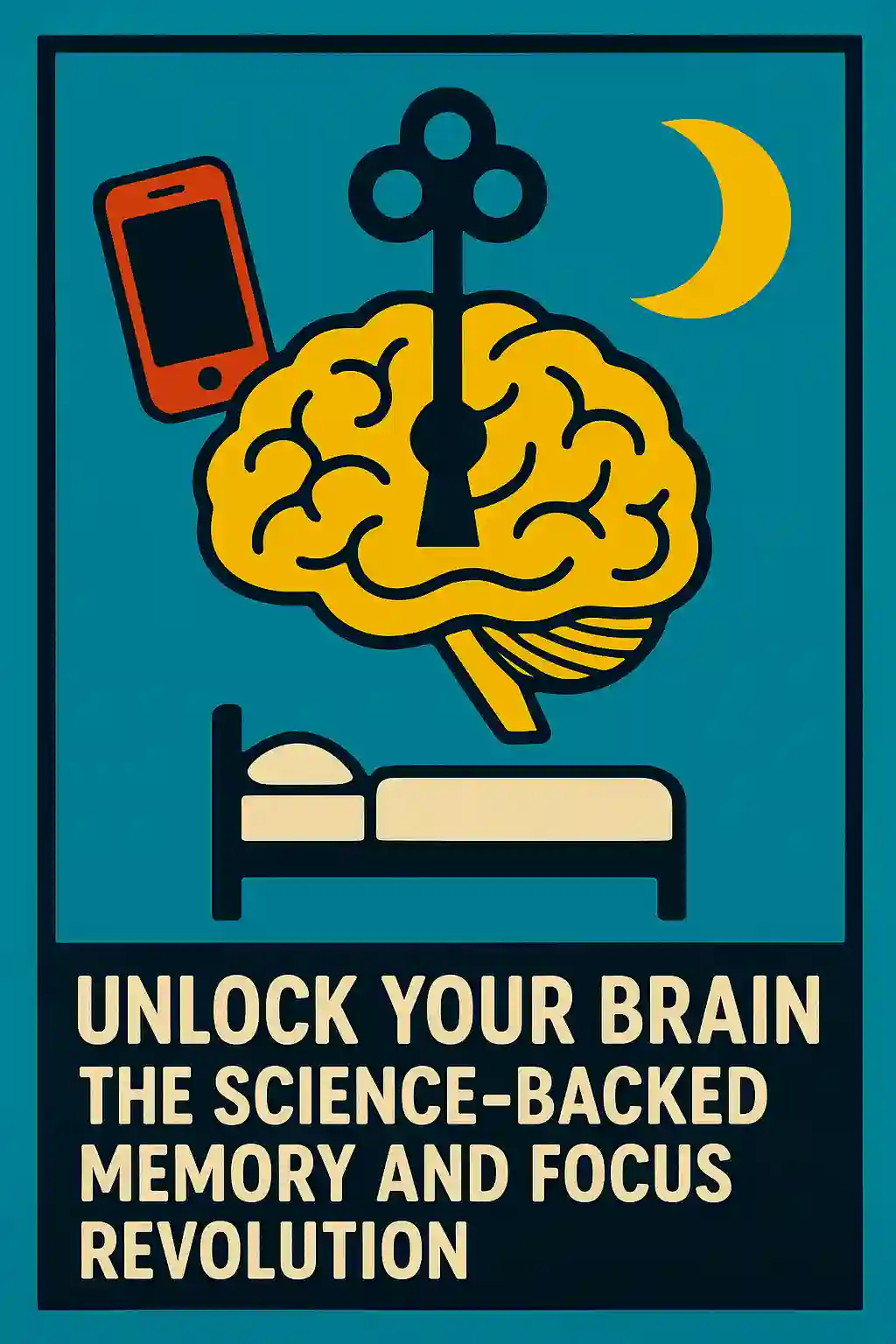
The 'Focus Tax' is real—research shows it takes over twenty-three minutes just to get back into a deep flow after one little distraction. We think we're just checking a text, but we're actually losing nearly half an hour of peak brain power.

This audio lesson was created by a BeFreed community member
Learning to avoid distractions

Frequently Asked Questions
Attention residue is a cognitive phenomenon where your thoughts remain stuck on a previous task even after you have switched to a new one. Coined by organizational psychologist Sophie Leroy, this concept explains why jumping between emails, meetings, and projects creates a "sticky jam" in the brain's gears. The effect is particularly strong if the initial task was left incomplete, leading to a state of fragmented focus that makes it difficult to fully engage with the current work.
Research from the University of Texas indicates that the mere presence of a smartphone on a desk—even if it is turned off or face down—reduces working memory capacity by about ten to twelve percent. This happens because the brain must actively use resources to suppress the impulse to check the device. By implementing a "Phone Quarantine Protocol" and moving the phone to a different room, individuals can see a cognitive performance boost of up to twenty-six percent because the brain no longer has to compete with that "cognitive vampire."
The prefrontal cortex, which handles high-level thinking and impulse control, functions like a high-performance engine with a limited fuel tank. Every time you switch contexts, you deplete blood glucose levels approximately twenty percent faster than if you stayed focused on a single task. This rapid fuel consumption is a primary cause of the "afternoon slump," leaving the brain without enough energy to resist distractions or perform complex work by the end of the day.
A Shutdown Ritual is a two-to-three-minute process at the end of the workday designed to close "open loops" in the brain. It involves reviewing to-do lists, checking the calendar for the next day, and writing a "Ready-to-Resume" note that specifies exactly where to start on unfinished tasks. This practice can reduce attention residue by sixty percent because it signals to the brain that it is safe to stop processing work-related thoughts, thereby lowering stress and preventing the Zeigarnik effect from interrupting personal time.
Attention is a muscle that can be strengthened through intentional practice and "attention weightlifting." Strategies include using the Pomodoro Technique to gradually increase the duration of focus blocks and practicing "boredom tolerance" by resisting the urge to check a phone during idle moments, such as waiting in line. Additionally, protecting a "Sacred Block" during peak energy hours (typically 9:00 AM to 11:00 AM) for deep work helps the brain habituate to sustained concentration rather than constant reactivity.
Discover more

Stop Distractions & Stay Focused!
Stop Distractions & Stay Focused!
In an age of constant digital noise, the ability to concentrate is a competitive advantage. This plan is designed for professionals and students who struggle with procrastination and want to master their attention through science-based techniques and environmental design.

be free from distraction
be free from distraction
In an era of constant digital noise, reclaiming your attention is a vital skill for professional and personal success. This plan is designed for overwhelmed professionals and students seeking to transition from reactive scrolling to intentional, high-impact deep work.
Get away from constantly being distracted
Get away from constantly being distracted
In an era of digital overload, the ability to focus has become a rare and valuable competitive advantage. This plan is essential for professionals and students who feel overwhelmed by notifications and want to reclaim their cognitive autonomy through science-based attention training.

Dopamine & Focus: Reclaim Your Attention
Dopamine & Focus: Reclaim Your Attention
In an era of constant digital stimulation, understanding the neurochemistry of motivation is essential for professional and personal success. This plan is ideal for knowledge workers and students looking to overcome distraction and master the art of deep, cognitively demanding work.
Focus at will
Focus at will
In an age of constant digital distraction, the ability to concentrate is a rare and valuable competitive advantage. This plan is designed for professionals and students who need to master their attention architecture and build the mental fitness required for high-level cognitive performance.

Focus and Presence for Better Results
Focus and Presence for Better Results
In an era of constant digital noise, the ability to direct one's attention is a competitive advantage. This plan is designed for professionals and creatives who need to reclaim their concentration and move from reactive distraction to intentional, high-impact performance.

Boost My Productivity
Boost My Productivity
In an age of constant digital distraction, mastering your attention is the ultimate competitive advantage. This plan is designed for professionals and students who want to move beyond busywork to achieve meaningful, high-level results through systematic focus.
Master Focus, Energy, and Productivity
Master Focus, Energy, and Productivity
In an age of constant distraction and information overload, the ability to focus deeply and manage your energy effectively has become a rare competitive advantage. This learning plan is essential for knowledge workers, entrepreneurs, creatives, and anyone who wants to accomplish meaningful work while maintaining their well-being and avoiding burnout.
From Columbia University alumni built in San Francisco
"Instead of endless scrolling, I just hit play on BeFreed. It saves me so much time."


"I never knew where to start with nonfiction—BeFreed’s book lists turned into podcasts gave me a clear path."


"Perfect balance between learning and entertainment. Finished ‘Thinking, Fast and Slow’ on my commute this week."
"Crazy how much I learned while walking the dog. BeFreed = small habits → big gains."
"Reading used to feel like a chore. Now it’s just part of my lifestyle."

"Feels effortless compared to reading. I’ve finished 6 books this month already."
"BeFreed turned my guilty doomscrolling into something that feels productive and inspiring."

"BeFreed turned my commute into learning time. 20-min podcasts are perfect for finishing books I never had time for."
"BeFreed replaced my podcast queue. Imagine Spotify for books — that’s it. 🙌"

"It is great for me to learn something from the book without reading it."
"The themed book list podcasts help me connect ideas across authors—like a guided audio journey."
"Makes me feel smarter every time before going to work"
From Columbia University alumni built in San Francisco
"Instead of endless scrolling, I just hit play on BeFreed. It saves me so much time."
"I never knew where to start with nonfiction—BeFreed’s book lists turned into podcasts gave me a clear path."
"Perfect balance between learning and entertainment. Finished ‘Thinking, Fast and Slow’ on my commute this week."
"Crazy how much I learned while walking the dog. BeFreed = small habits → big gains."
"Reading used to feel like a chore. Now it’s just part of my lifestyle."
"Feels effortless compared to reading. I’ve finished 6 books this month already."
"BeFreed turned my guilty doomscrolling into something that feels productive and inspiring."
"BeFreed turned my commute into learning time. 20-min podcasts are perfect for finishing books I never had time for."
"BeFreed replaced my podcast queue. Imagine Spotify for books — that’s it. 🙌"
"It is great for me to learn something from the book without reading it."
"The themed book list podcasts help me connect ideas across authors—like a guided audio journey."
"Makes me feel smarter every time before going to work"
"Instead of endless scrolling, I just hit play on BeFreed. It saves me so much time."
"I never knew where to start with nonfiction—BeFreed’s book lists turned into podcasts gave me a clear path."
"Perfect balance between learning and entertainment. Finished ‘Thinking, Fast and Slow’ on my commute this week."
"Crazy how much I learned while walking the dog. BeFreed = small habits → big gains."
"Reading used to feel like a chore. Now it’s just part of my lifestyle."
"Feels effortless compared to reading. I’ve finished 6 books this month already."
"BeFreed turned my guilty doomscrolling into something that feels productive and inspiring."
"BeFreed turned my commute into learning time. 20-min podcasts are perfect for finishing books I never had time for."
"BeFreed replaced my podcast queue. Imagine Spotify for books — that’s it. 🙌"
"It is great for me to learn something from the book without reading it."
"The themed book list podcasts help me connect ideas across authors—like a guided audio journey."
"Makes me feel smarter every time before going to work"
"Instead of endless scrolling, I just hit play on BeFreed. It saves me so much time."
"I never knew where to start with nonfiction—BeFreed’s book lists turned into podcasts gave me a clear path."
"Perfect balance between learning and entertainment. Finished ‘Thinking, Fast and Slow’ on my commute this week."
"Crazy how much I learned while walking the dog. BeFreed = small habits → big gains."
"Reading used to feel like a chore. Now it’s just part of my lifestyle."
"Feels effortless compared to reading. I’ve finished 6 books this month already."
"BeFreed turned my guilty doomscrolling into something that feels productive and inspiring."
"BeFreed turned my commute into learning time. 20-min podcasts are perfect for finishing books I never had time for."
"BeFreed replaced my podcast queue. Imagine Spotify for books — that’s it. 🙌"
"It is great for me to learn something from the book without reading it."
"The themed book list podcasts help me connect ideas across authors—like a guided audio journey."
"Makes me feel smarter every time before going to work"


