
Quiet your inner critic and stop negative thinking
Struggling with a loud inner critic? Learn how to spot thinking errors and shift from automatic reactions to clear, realistic thoughts that feel true.

Best quote from Quiet your inner critic and stop negative thinking
It’s the distinction between being the thought and having the thought. If you’re wearing blue-tinted glasses, you think the world is blue; but if you take the glasses off and hold them in your hand, you realize the world has many colors and you were just looking through a specific lens.

This audio lesson was created by a BeFreed community member
I want to mind hack my brain so I can stop thinking negatively and instead think realistically but still being in touch with who I am as a person. Basically silencing or hovering the volume of the negative thoughts and my own tendencies and instead trying to listen to the voice that tells me if it’s a true thought or not.

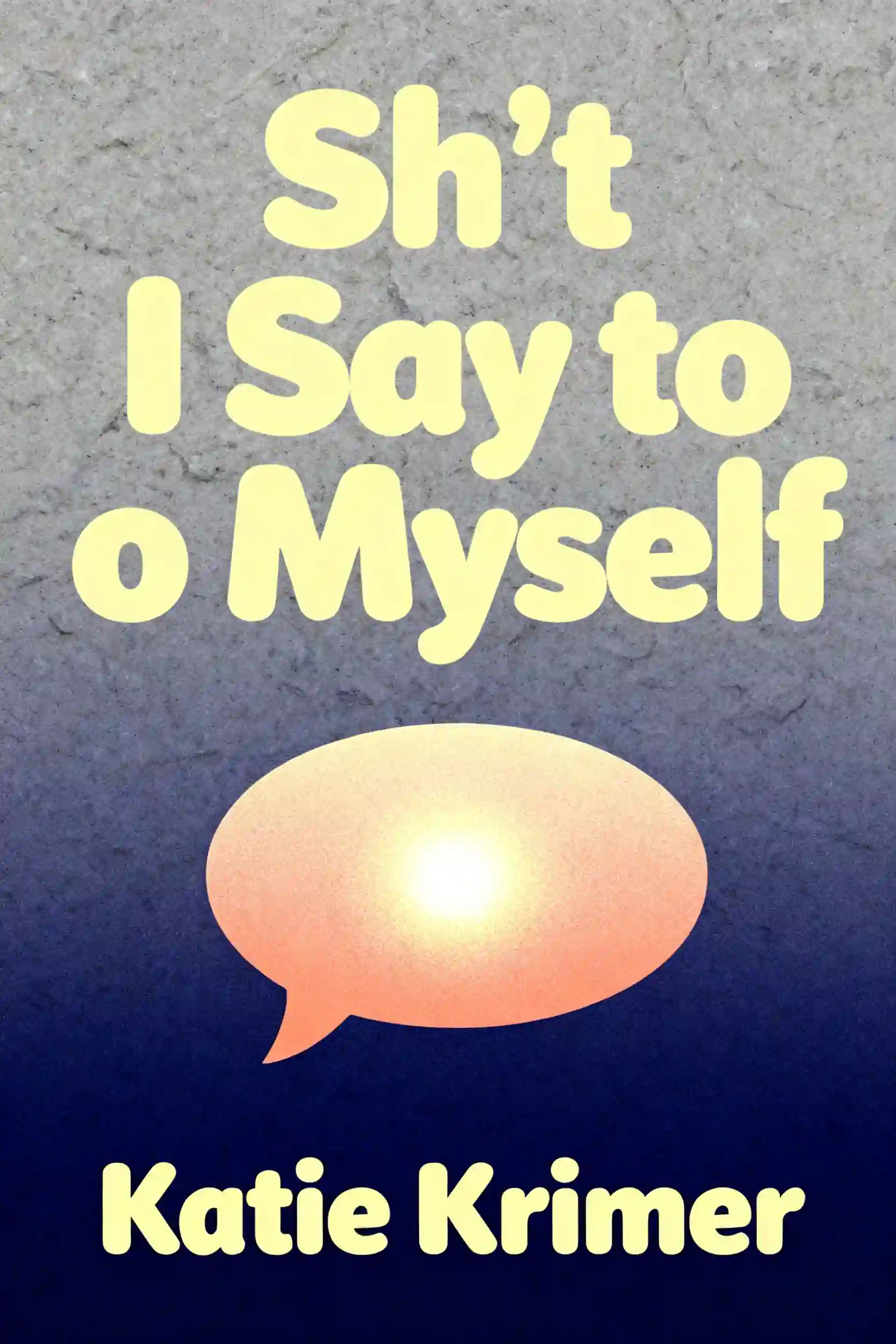
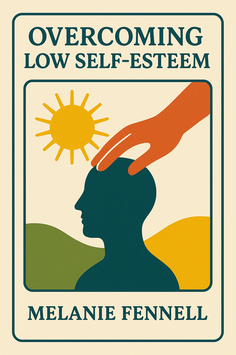
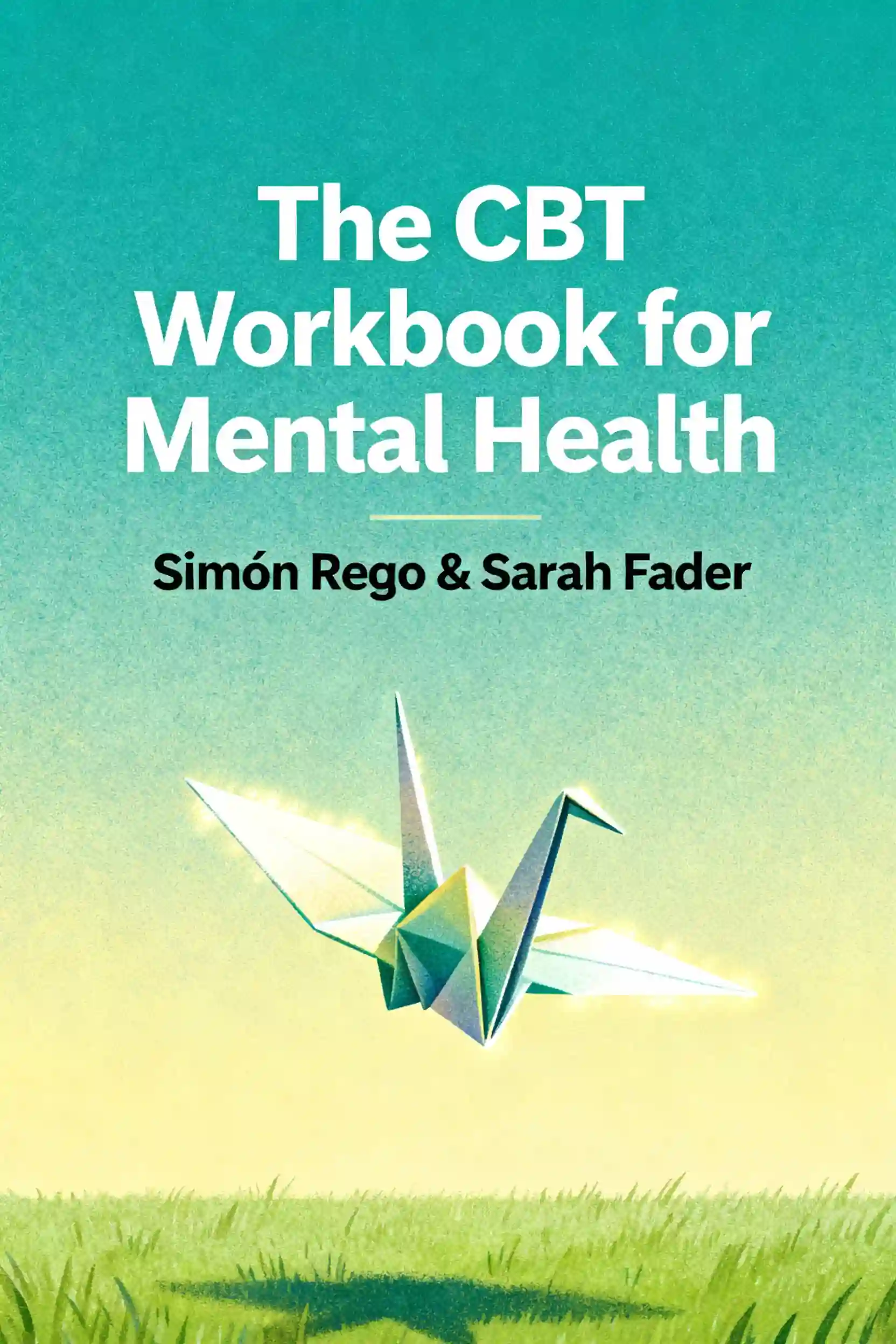
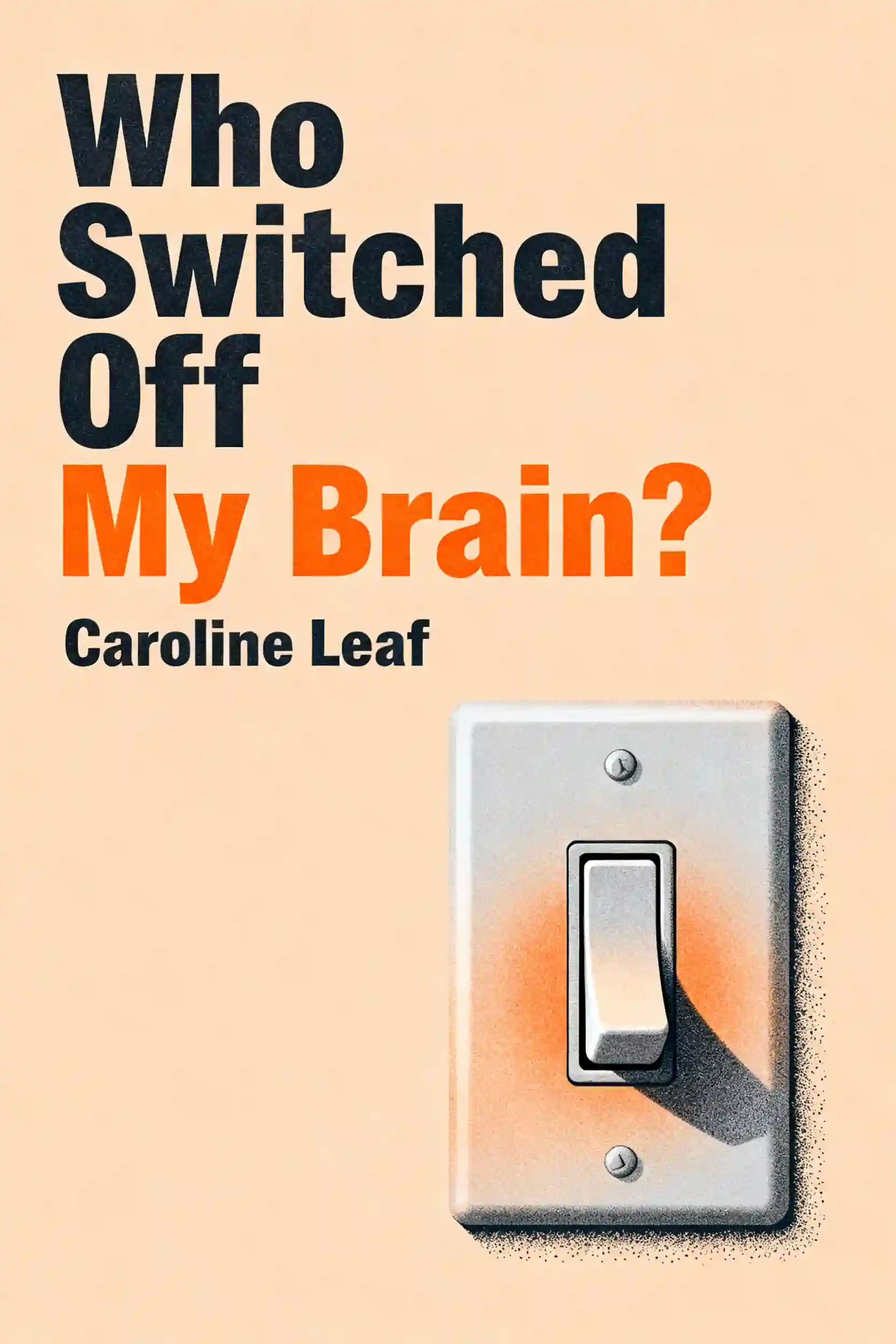
Frequently Asked Questions
The Default Mode Network is a specific brain network that becomes active when you aren't focused on an external task, such as when you are daydreaming or washing dishes. It acts as the brain's "self-narrator," responsible for building your internal story by thinking about your past and future. In people struggling with anxiety or depression, this network can become hyperconnected, leading to a "stuck" loop of negative rumination where the inner critic's voice feels like an absolute truth rather than just brain activity.
Thinking errors are systematic glitches in how the brain processes reality, often used by the inner critic to keep us in a "protection mode." Common examples include All-or-Nothing Thinking, where you see things as either a total success or a total failure, and Overgeneralization, where a single negative event is viewed as a never-ending pattern of defeat. Other distortions include Mind Reading, assuming you know others are thinking negatively of you without evidence, and "Should Statements," which are rigid internal rules that create unnecessary guilt or resentment.
The ABCDE method is a cognitive restructuring framework designed to help you move from automatic reactions to intentional responses. It stands for Activating Event (the trigger), Belief (the automatic negative thought), Consequence (the resulting emotion), Disputation (acting as a detective to find evidence against the belief), and Effective New Approach (crafting a balanced, realistic thought). By putting a negative belief "on trial" and looking for logical glitches, you can shake its foundation and replace it with a fairer assessment of the situation.
Writing down thoughts is a process of externalization that moves a thought from your internal "swirling vortex" onto a "workbench" where it can be analyzed as an object. Because human working memory can only hold a few items at once, trying to de-distort a thought mentally often leads to being overwhelmed by emotion. Using pen and paper forces the brain to switch from the emotional "System 1" to the logical "System 2," transforming a raw emotional experience into a structured, logical object that is easier to manipulate and revise.
Meta-awareness is the "superpower" of thinking about your thinking, allowing you to step back and observe your mental processes from the outside. It is often described using the "sky and clouds" metaphor: your awareness is the vast, steady sky, while your thoughts are merely clouds passing through. By developing meta-awareness, you learn "nonattachment," which means acknowledging a negative thought exists without feeling obligated to believe it or engage with it, effectively lowering its volume and influence over your identity.
Discover more

Stop overthinking negative thoughts
Stop overthinking negative thoughts
This plan is essential for anyone struggling with persistent worry or the paralyzing effects of a loud inner critic. It combines clinical cognitive tools with mindfulness and neuroscience to help professionals and individuals regain control over their mental well-being.
Build confidence & stop overthinking
Build confidence & stop overthinking
Overthinking and self-doubt can paralyze decision-making and prevent you from reaching your potential. This learning plan provides evidence-based strategies to recognize thought patterns, transform negative self-talk, and build genuine confidence that persists even under pressure.

Stop overthinking and bypass mental noise
Stop overthinking and bypass mental noise
In an era of constant information overload, many professionals and students find themselves paralyzed by chronic overthinking and anxiety. This plan offers a structured path for anyone seeking to regain control over their focus, reduce stress, and transform their relationship with their inner dialogue.

Build Discipline & Stop Negative Self-Talk
Build Discipline & Stop Negative Self-Talk
This plan is essential for high-achievers and individuals struggling with procrastination or self-doubt. It bridges the gap between psychological theory and practical habit formation to help you regain control over your internal dialogue and daily actions.

How to not care what others think of you.
How to not care what others think of you.
This learning plan is essential for anyone struggling with social anxiety, chronic people-pleasing, or a loud inner critic. It provides a roadmap for individuals seeking to reclaim their autonomy and build a life rooted in authentic self-worth rather than external validation.

Overcome self-doubt to reach full potential
Overcome self-doubt to reach full potential
Self-doubt is one of the most common barriers preventing people from achieving their goals and living fulfilling lives. This learning plan provides practical tools to recognize limiting beliefs, silence the inner critic, and build authentic confidence that translates into real-world success.
Move through constant self-doubt patterns
Move through constant self-doubt patterns
This plan is essential for professionals and creatives who feel held back by persistent imposter syndrome or a harsh inner critic. It provides a structured path to transition from paralyzing hesitation to decisive action by building emotional resilience and self-compassion.

Overcome self doubt
Overcome self doubt
Self-doubt holds countless people back from reaching their full potential, affecting career advancement, relationships, and personal growth. This learning plan provides practical strategies for anyone struggling with confidence issues, impostor syndrome, or negative self-talk to build genuine self-belief and take decisive action.
From Columbia University alumni built in San Francisco
"Instead of endless scrolling, I just hit play on BeFreed. It saves me so much time."


"I never knew where to start with nonfiction—BeFreed’s book lists turned into podcasts gave me a clear path."


"Perfect balance between learning and entertainment. Finished ‘Thinking, Fast and Slow’ on my commute this week."
"Crazy how much I learned while walking the dog. BeFreed = small habits → big gains."
"Reading used to feel like a chore. Now it’s just part of my lifestyle."

"Feels effortless compared to reading. I’ve finished 6 books this month already."
"BeFreed turned my guilty doomscrolling into something that feels productive and inspiring."

"BeFreed turned my commute into learning time. 20-min podcasts are perfect for finishing books I never had time for."
"BeFreed replaced my podcast queue. Imagine Spotify for books — that’s it. 🙌"

"It is great for me to learn something from the book without reading it."
"The themed book list podcasts help me connect ideas across authors—like a guided audio journey."
"Makes me feel smarter every time before going to work"
From Columbia University alumni built in San Francisco
"Instead of endless scrolling, I just hit play on BeFreed. It saves me so much time."
"I never knew where to start with nonfiction—BeFreed’s book lists turned into podcasts gave me a clear path."
"Perfect balance between learning and entertainment. Finished ‘Thinking, Fast and Slow’ on my commute this week."
"Crazy how much I learned while walking the dog. BeFreed = small habits → big gains."
"Reading used to feel like a chore. Now it’s just part of my lifestyle."
"Feels effortless compared to reading. I’ve finished 6 books this month already."
"BeFreed turned my guilty doomscrolling into something that feels productive and inspiring."
"BeFreed turned my commute into learning time. 20-min podcasts are perfect for finishing books I never had time for."
"BeFreed replaced my podcast queue. Imagine Spotify for books — that’s it. 🙌"
"It is great for me to learn something from the book without reading it."
"The themed book list podcasts help me connect ideas across authors—like a guided audio journey."
"Makes me feel smarter every time before going to work"
"Instead of endless scrolling, I just hit play on BeFreed. It saves me so much time."
"I never knew where to start with nonfiction—BeFreed’s book lists turned into podcasts gave me a clear path."
"Perfect balance between learning and entertainment. Finished ‘Thinking, Fast and Slow’ on my commute this week."
"Crazy how much I learned while walking the dog. BeFreed = small habits → big gains."
"Reading used to feel like a chore. Now it’s just part of my lifestyle."
"Feels effortless compared to reading. I’ve finished 6 books this month already."
"BeFreed turned my guilty doomscrolling into something that feels productive and inspiring."
"BeFreed turned my commute into learning time. 20-min podcasts are perfect for finishing books I never had time for."
"BeFreed replaced my podcast queue. Imagine Spotify for books — that’s it. 🙌"
"It is great for me to learn something from the book without reading it."
"The themed book list podcasts help me connect ideas across authors—like a guided audio journey."
"Makes me feel smarter every time before going to work"
"Instead of endless scrolling, I just hit play on BeFreed. It saves me so much time."
"I never knew where to start with nonfiction—BeFreed’s book lists turned into podcasts gave me a clear path."
"Perfect balance between learning and entertainment. Finished ‘Thinking, Fast and Slow’ on my commute this week."
"Crazy how much I learned while walking the dog. BeFreed = small habits → big gains."
"Reading used to feel like a chore. Now it’s just part of my lifestyle."
"Feels effortless compared to reading. I’ve finished 6 books this month already."
"BeFreed turned my guilty doomscrolling into something that feels productive and inspiring."
"BeFreed turned my commute into learning time. 20-min podcasts are perfect for finishing books I never had time for."
"BeFreed replaced my podcast queue. Imagine Spotify for books — that’s it. 🙌"
"It is great for me to learn something from the book without reading it."
"The themed book list podcasts help me connect ideas across authors—like a guided audio journey."
"Makes me feel smarter every time before going to work"


