
Psychology's Elephant Problem: Multiple Truths About Human Nature
Why do psychologists see the same behavior so differently? Explore how competing psychological theories reveal different aspects of who we really are - and why they might all be right.

Best quote from Psychology's Elephant Problem: Multiple Truths About Human Nature
These aren't competing truths—they're different aspects of the same incredibly complex reality. We really are biological machines shaped by evolution, and we really are conscious agents making meaningful choices, and we really are social beings constructed through culture.

This audio lesson was created by a BeFreed community member
Psychology

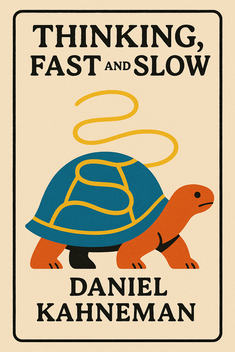
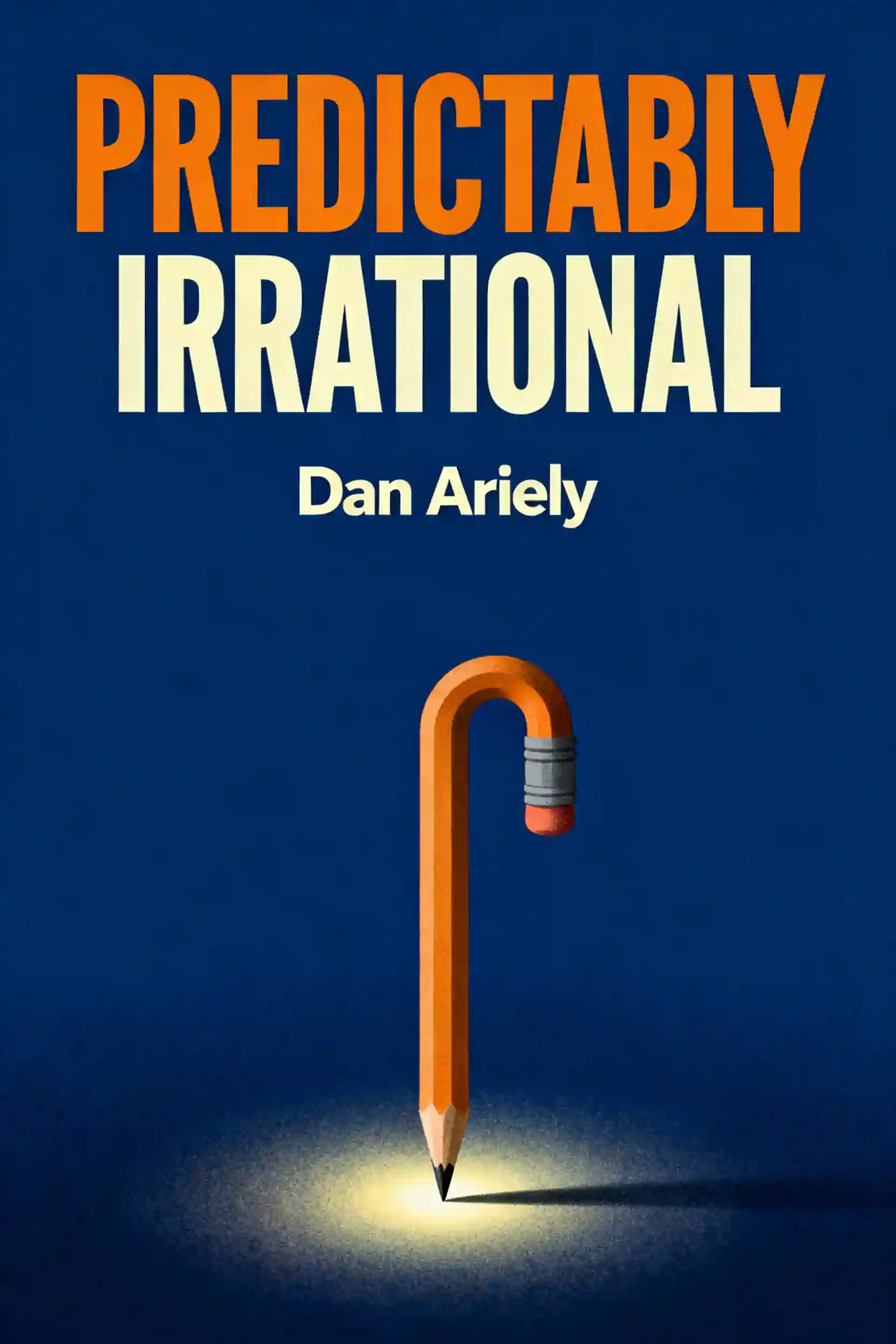
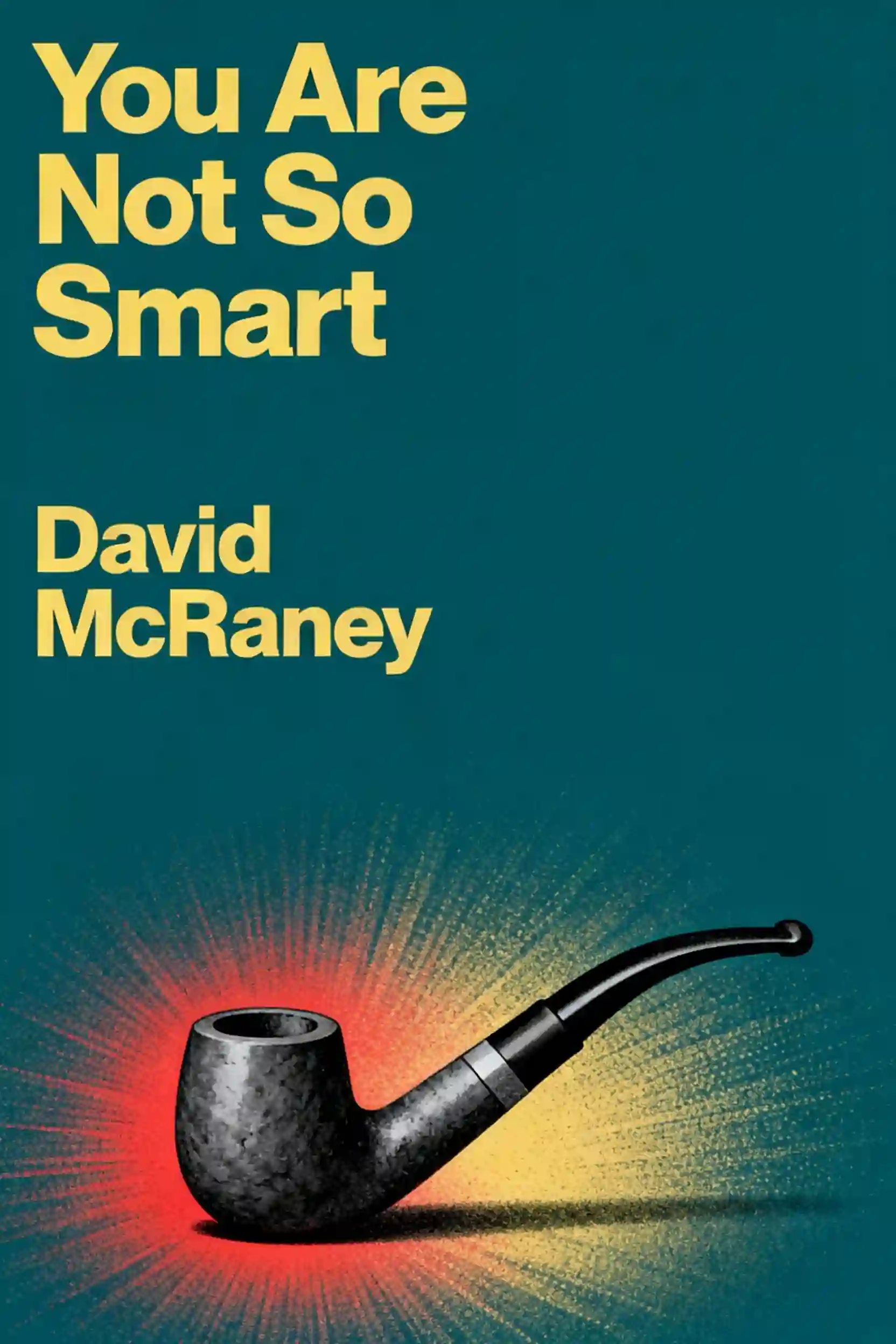
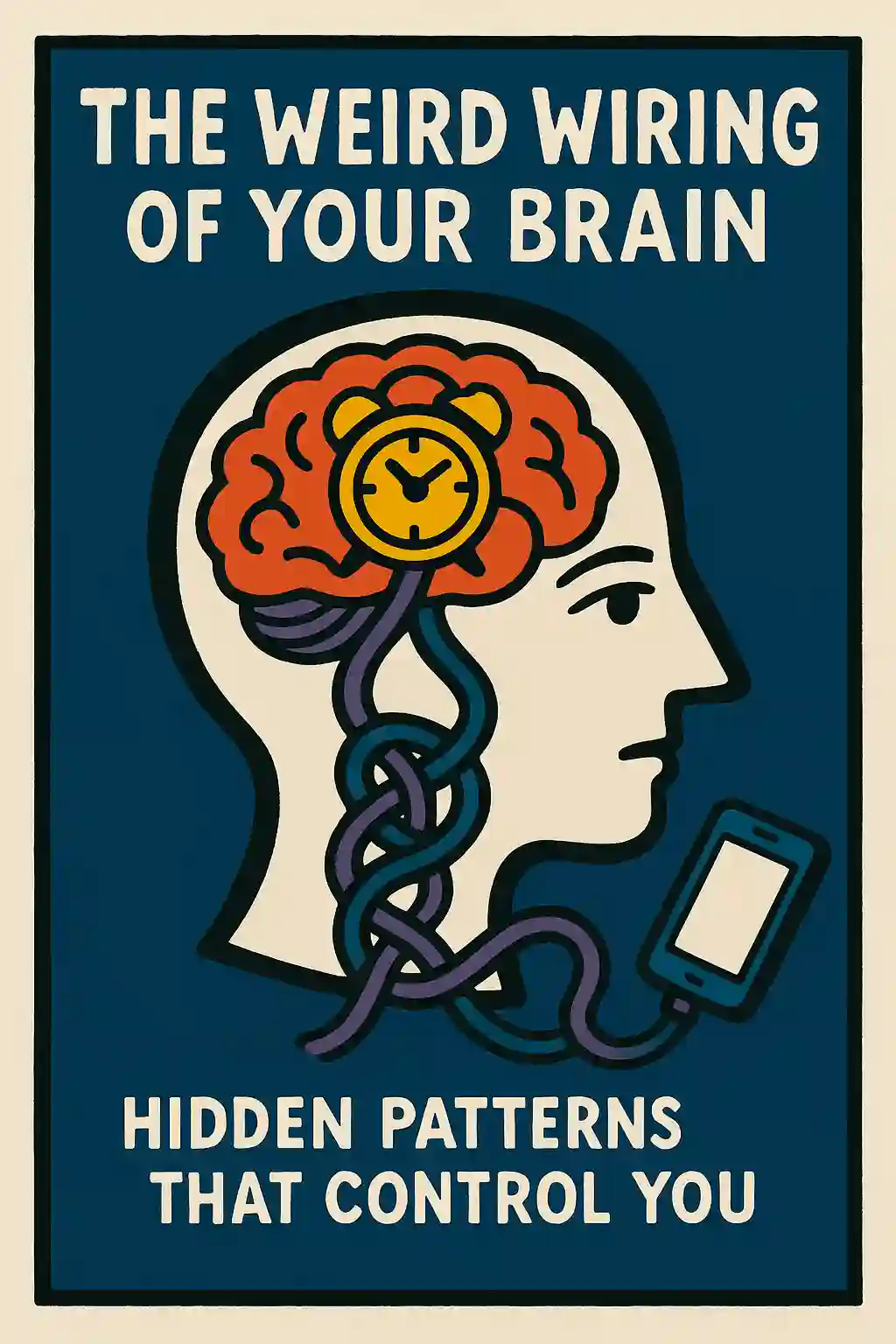
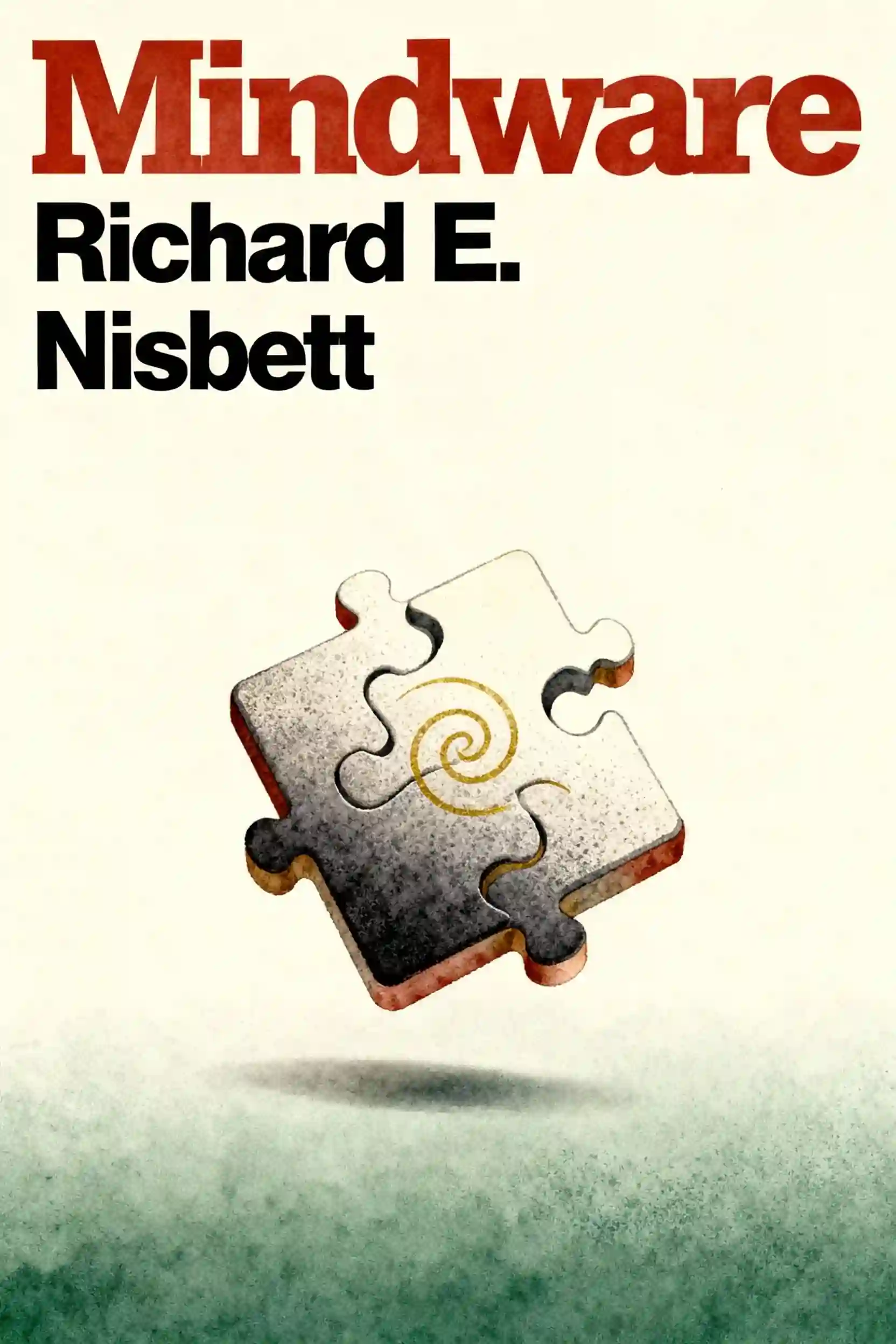
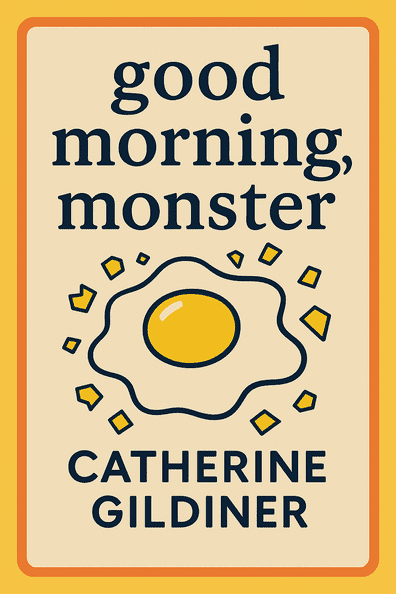
Discover more

Psychology
Psychology
This plan offers a comprehensive overview of the human experience, from internal cognitive processes to complex social interactions. It is ideal for students, professionals, or curious minds seeking to understand the 'why' behind behavior and mental health.

Understanding the human mind
Understanding the human mind
This plan bridges the gap between biological neuroscience and behavioral psychology to provide a holistic view of human nature. It is ideal for curious learners, aspiring psychologists, or professionals seeking to understand the hidden drivers behind human interaction and decision-making.
Study Psychology, Philosophy & Human Nature
Study Psychology, Philosophy & Human Nature
This multidisciplinary plan bridges the gap between scientific inquiry and philosophical reflection to provide a holistic view of the human experience. It is ideal for curious minds seeking to understand the 'why' behind human behavior and the biological mechanics of the brain.

Master Human Psychology Knowledge
Master Human Psychology Knowledge
This comprehensive guide bridges the gap between academic theory and practical application, making it essential for anyone looking to influence others or improve self-awareness. It is particularly beneficial for leaders, educators, and curious minds seeking to decode the complexities of the human brain and social behavior.
Explore Human Behavior, Science & Culture
Explore Human Behavior, Science & Culture
This plan provides a comprehensive look at the intersection of psychology, biology, and sociology to explain why we act the way we do. It is ideal for curious minds and professionals looking to improve their social intelligence and decision-making skills by understanding the hidden forces of human nature.
From Columbia University alumni built in San Francisco
"Instead of endless scrolling, I just hit play on BeFreed. It saves me so much time."


"I never knew where to start with nonfiction—BeFreed’s book lists turned into podcasts gave me a clear path."


"Perfect balance between learning and entertainment. Finished ‘Thinking, Fast and Slow’ on my commute this week."
"Crazy how much I learned while walking the dog. BeFreed = small habits → big gains."
"Reading used to feel like a chore. Now it’s just part of my lifestyle."

"Feels effortless compared to reading. I’ve finished 6 books this month already."
"BeFreed turned my guilty doomscrolling into something that feels productive and inspiring."

"BeFreed turned my commute into learning time. 20-min podcasts are perfect for finishing books I never had time for."
"BeFreed replaced my podcast queue. Imagine Spotify for books — that’s it. 🙌"

"It is great for me to learn something from the book without reading it."
"The themed book list podcasts help me connect ideas across authors—like a guided audio journey."
"Makes me feel smarter every time before going to work"
From Columbia University alumni built in San Francisco
"Instead of endless scrolling, I just hit play on BeFreed. It saves me so much time."
"I never knew where to start with nonfiction—BeFreed’s book lists turned into podcasts gave me a clear path."
"Perfect balance between learning and entertainment. Finished ‘Thinking, Fast and Slow’ on my commute this week."
"Crazy how much I learned while walking the dog. BeFreed = small habits → big gains."
"Reading used to feel like a chore. Now it’s just part of my lifestyle."
"Feels effortless compared to reading. I’ve finished 6 books this month already."
"BeFreed turned my guilty doomscrolling into something that feels productive and inspiring."
"BeFreed turned my commute into learning time. 20-min podcasts are perfect for finishing books I never had time for."
"BeFreed replaced my podcast queue. Imagine Spotify for books — that’s it. 🙌"
"It is great for me to learn something from the book without reading it."
"The themed book list podcasts help me connect ideas across authors—like a guided audio journey."
"Makes me feel smarter every time before going to work"
"Instead of endless scrolling, I just hit play on BeFreed. It saves me so much time."
"I never knew where to start with nonfiction—BeFreed’s book lists turned into podcasts gave me a clear path."
"Perfect balance between learning and entertainment. Finished ‘Thinking, Fast and Slow’ on my commute this week."
"Crazy how much I learned while walking the dog. BeFreed = small habits → big gains."
"Reading used to feel like a chore. Now it’s just part of my lifestyle."
"Feels effortless compared to reading. I’ve finished 6 books this month already."
"BeFreed turned my guilty doomscrolling into something that feels productive and inspiring."
"BeFreed turned my commute into learning time. 20-min podcasts are perfect for finishing books I never had time for."
"BeFreed replaced my podcast queue. Imagine Spotify for books — that’s it. 🙌"
"It is great for me to learn something from the book without reading it."
"The themed book list podcasts help me connect ideas across authors—like a guided audio journey."
"Makes me feel smarter every time before going to work"
"Instead of endless scrolling, I just hit play on BeFreed. It saves me so much time."
"I never knew where to start with nonfiction—BeFreed’s book lists turned into podcasts gave me a clear path."
"Perfect balance between learning and entertainment. Finished ‘Thinking, Fast and Slow’ on my commute this week."
"Crazy how much I learned while walking the dog. BeFreed = small habits → big gains."
"Reading used to feel like a chore. Now it’s just part of my lifestyle."
"Feels effortless compared to reading. I’ve finished 6 books this month already."
"BeFreed turned my guilty doomscrolling into something that feels productive and inspiring."
"BeFreed turned my commute into learning time. 20-min podcasts are perfect for finishing books I never had time for."
"BeFreed replaced my podcast queue. Imagine Spotify for books — that’s it. 🙌"
"It is great for me to learn something from the book without reading it."
"The themed book list podcasts help me connect ideas across authors—like a guided audio journey."
"Makes me feel smarter every time before going to work"


