
Pride and Prejudice: Why the Bennets Had to Marry
The Bennet sisters face a high-stakes survival story. Learn how Jane Austen uses irony and romance to navigate the messy social scene of Regency England.

Best quote from Pride and Prejudice: Why the Bennets Had to Marry
It’s a story about the intellectual and emotional maturity required to admit you were wrong about someone—and about yourself.

This audio lesson was created by a BeFreed community member
A short description about plot of the pride and prejudice by jane austen

Frequently Asked Questions
In the Regency era, strict inheritance laws known as "entails" meant that estates like Longbourn could only be passed down to male heirs. Because Mr. Bennet had no sons, the family home was legally bound to go to a distant cousin, Mr. Collins, upon Mr. Bennet's death. This left the five sisters with no guaranteed income or housing, making a "good" marriage to a wealthy man their only viable path to financial security and social stability.
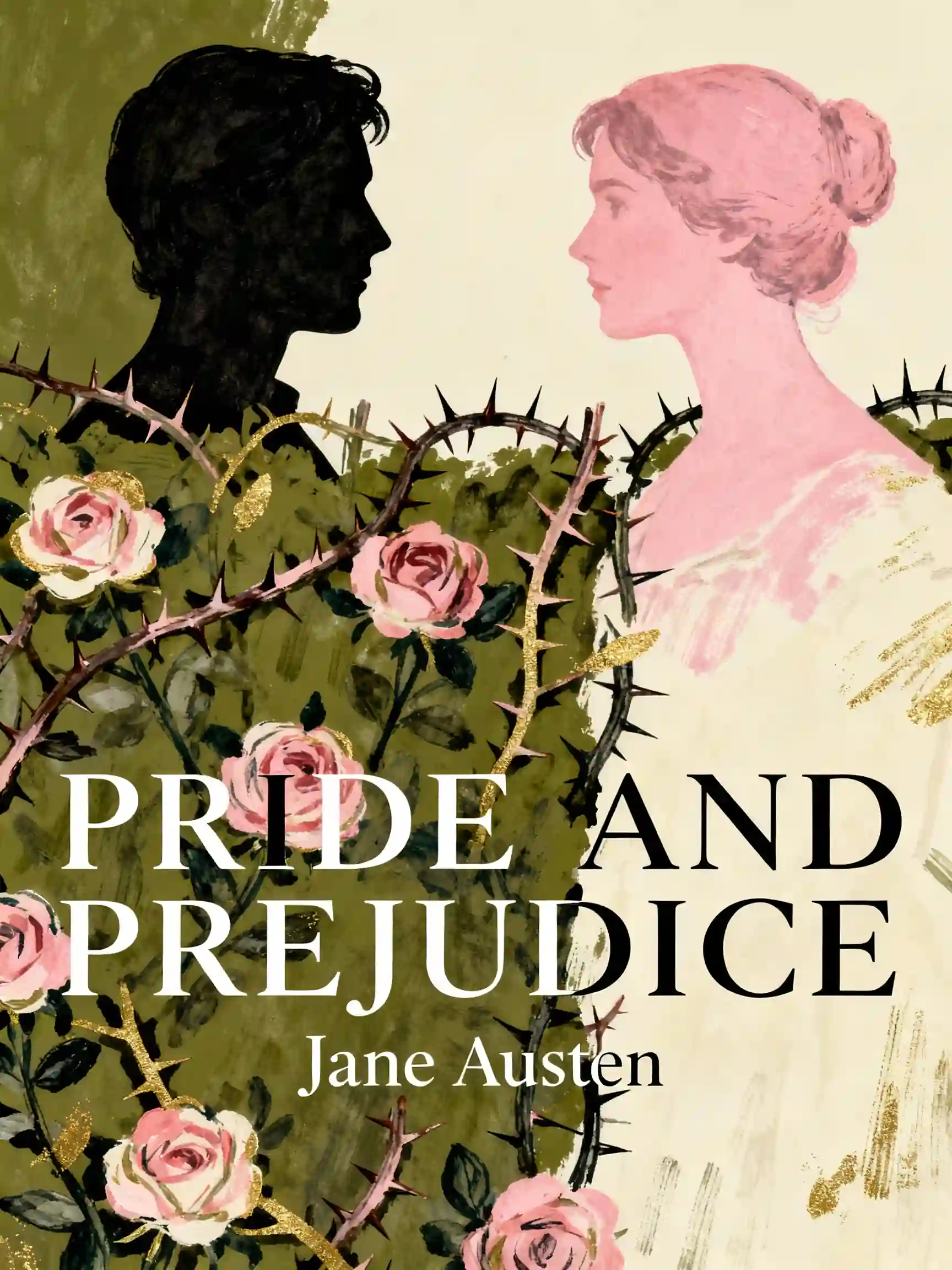
The title refers to the primary character flaws that the two protagonists must overcome. Mr. Darcy represents "Pride" through his arrogant behavior at the Meryton ball, where he dismisses Elizabeth and her family due to their lower social standing. Elizabeth represents "Prejudice" because she allows her wounded ego and Darcy's initial insult to cloud her judgment, leading her to believe false rumors about him and ignore his true honorable nature.
Darcy’s transformation is solidified through a "grand gesture" involving Elizabeth’s sister, Lydia. After Lydia runs away with the scoundrel Wickham—an act that threatened to ruin the reputation of all the Bennet sisters—Darcy secretly tracks them down in London. He pays off Wickham’s massive debts and funds the wedding to ensure the family's social survival, doing so anonymously to protect Elizabeth’s feelings rather than to win her favor.
Elizabeth rejected Mr. Collins because she refused to sacrifice her happiness for a marriage based solely on a "business deal." While her mother saw the proposal as a way to save the family estate, Elizabeth viewed Mr. Collins as a man with no personality or respect for her. Her decision highlights a major theme of the story: the importance of marrying for love and mutual respect rather than just for a "comfortable home," a choice her friend Charlotte Lucas was unable to make.
Discover more

Language & marriage prep tips
Language & marriage prep tips
Strong marriages don't happen by accident—they're built on specific skills that can be learned and practiced. This comprehensive preparation is ideal for engaged couples, those considering marriage, or partners who want to strengthen their foundation before taking the next step. Research shows that couples who invest in pre-marriage education have significantly higher satisfaction rates and lower divorce rates.

Build a Strong, Lasting Marriage
Build a Strong, Lasting Marriage
Marriage requires specific skills and knowledge that most people aren't taught before saying 'I do.' This learning plan provides practical tools for couples at any stage who want to strengthen their relationship, prevent common problems, and create a fulfilling partnership that thrives through life's challenges.

Faith, marriage, love & Jesus
Faith, marriage, love & Jesus
This learning plan is essential for anyone seeking to align their romantic relationships and marriage with Christian values and biblical truth. It's particularly valuable for couples preparing for marriage, newlyweds building their foundation, or anyone wanting to deepen their faith while navigating the complexities of love and commitment in today's world.

Dark romance with real psychology & history
Dark romance with real psychology & history
This learning plan bridges entertainment with education by exploring how dark romance fiction can illuminate real psychological principles and historical contexts. Ideal for literature enthusiasts, psychology students, or writers seeking to understand how fiction can be a powerful vehicle for exploring human nature and society.

Learn how to attract and keep a partner
Learn how to attract and keep a partner
Modern dating requires more than just luck; it demands a deep understanding of self-worth and interpersonal dynamics. This plan is ideal for individuals seeking to transition from fleeting attractions to stable, science-backed romantic partnerships.
Romance novels
Romance novels
Romance fiction represents one of publishing's most enduring and commercially successful genres, offering readers emotional journeys and satisfying relationship arcs. This learning plan provides both casual readers and aspiring writers with tools to appreciate romance's literary merit, understand its techniques, and explore its diverse subgenres.
The Art of Seduction
The Art of Seduction
This learning plan bridges the gap between scientific psychology and practical social mastery to help individuals build genuine influence. It is ideal for anyone seeking to enhance their interpersonal charisma, improve their romantic life, or master the art of ethical persuasion in professional and personal settings.

English literature
English literature
This learning plan provides a comprehensive sweep of English literary history, from foundational analysis to modern experimentation. It is ideal for students, aspiring writers, or lifelong learners looking to understand how literature reflects and shapes social and cultural shifts.
From Columbia University alumni built in San Francisco
"Instead of endless scrolling, I just hit play on BeFreed. It saves me so much time."


"I never knew where to start with nonfiction—BeFreed’s book lists turned into podcasts gave me a clear path."


"Perfect balance between learning and entertainment. Finished ‘Thinking, Fast and Slow’ on my commute this week."
"Crazy how much I learned while walking the dog. BeFreed = small habits → big gains."
"Reading used to feel like a chore. Now it’s just part of my lifestyle."

"Feels effortless compared to reading. I’ve finished 6 books this month already."
"BeFreed turned my guilty doomscrolling into something that feels productive and inspiring."

"BeFreed turned my commute into learning time. 20-min podcasts are perfect for finishing books I never had time for."
"BeFreed replaced my podcast queue. Imagine Spotify for books — that’s it. 🙌"

"It is great for me to learn something from the book without reading it."
"The themed book list podcasts help me connect ideas across authors—like a guided audio journey."
"Makes me feel smarter every time before going to work"
From Columbia University alumni built in San Francisco
"Instead of endless scrolling, I just hit play on BeFreed. It saves me so much time."
"I never knew where to start with nonfiction—BeFreed’s book lists turned into podcasts gave me a clear path."
"Perfect balance between learning and entertainment. Finished ‘Thinking, Fast and Slow’ on my commute this week."
"Crazy how much I learned while walking the dog. BeFreed = small habits → big gains."
"Reading used to feel like a chore. Now it’s just part of my lifestyle."
"Feels effortless compared to reading. I’ve finished 6 books this month already."
"BeFreed turned my guilty doomscrolling into something that feels productive and inspiring."
"BeFreed turned my commute into learning time. 20-min podcasts are perfect for finishing books I never had time for."
"BeFreed replaced my podcast queue. Imagine Spotify for books — that’s it. 🙌"
"It is great for me to learn something from the book without reading it."
"The themed book list podcasts help me connect ideas across authors—like a guided audio journey."
"Makes me feel smarter every time before going to work"
"Instead of endless scrolling, I just hit play on BeFreed. It saves me so much time."
"I never knew where to start with nonfiction—BeFreed’s book lists turned into podcasts gave me a clear path."
"Perfect balance between learning and entertainment. Finished ‘Thinking, Fast and Slow’ on my commute this week."
"Crazy how much I learned while walking the dog. BeFreed = small habits → big gains."
"Reading used to feel like a chore. Now it’s just part of my lifestyle."
"Feels effortless compared to reading. I’ve finished 6 books this month already."
"BeFreed turned my guilty doomscrolling into something that feels productive and inspiring."
"BeFreed turned my commute into learning time. 20-min podcasts are perfect for finishing books I never had time for."
"BeFreed replaced my podcast queue. Imagine Spotify for books — that’s it. 🙌"
"It is great for me to learn something from the book without reading it."
"The themed book list podcasts help me connect ideas across authors—like a guided audio journey."
"Makes me feel smarter every time before going to work"
"Instead of endless scrolling, I just hit play on BeFreed. It saves me so much time."
"I never knew where to start with nonfiction—BeFreed’s book lists turned into podcasts gave me a clear path."
"Perfect balance between learning and entertainment. Finished ‘Thinking, Fast and Slow’ on my commute this week."
"Crazy how much I learned while walking the dog. BeFreed = small habits → big gains."
"Reading used to feel like a chore. Now it’s just part of my lifestyle."
"Feels effortless compared to reading. I’ve finished 6 books this month already."
"BeFreed turned my guilty doomscrolling into something that feels productive and inspiring."
"BeFreed turned my commute into learning time. 20-min podcasts are perfect for finishing books I never had time for."
"BeFreed replaced my podcast queue. Imagine Spotify for books — that’s it. 🙌"
"It is great for me to learn something from the book without reading it."
"The themed book list podcasts help me connect ideas across authors—like a guided audio journey."
"Makes me feel smarter every time before going to work"


